Booking your driving test is an exciting milestone, but it can also feel overwhelming. Between revising the Highway Code, preparing for hazard perception and gaining confidence behind the wheel, many learners aren’t sure where to begin. Rather than relying solely on textbooks or handwritten notes, most people now turn to their smartphones for quick and flexible revision.
A good app for driving test preparation puts everything you need in one place, making it easier to study whenever you have a few spare minutes. Whether you’re preparing for your theory test, becoming familiar with local roads or building confidence before your practical exam, the right app can help you stay organised and focused. Here’s how driving test apps are changing the way learners prepare for success.
Why More Learners Are Choosing Driving Test Apps
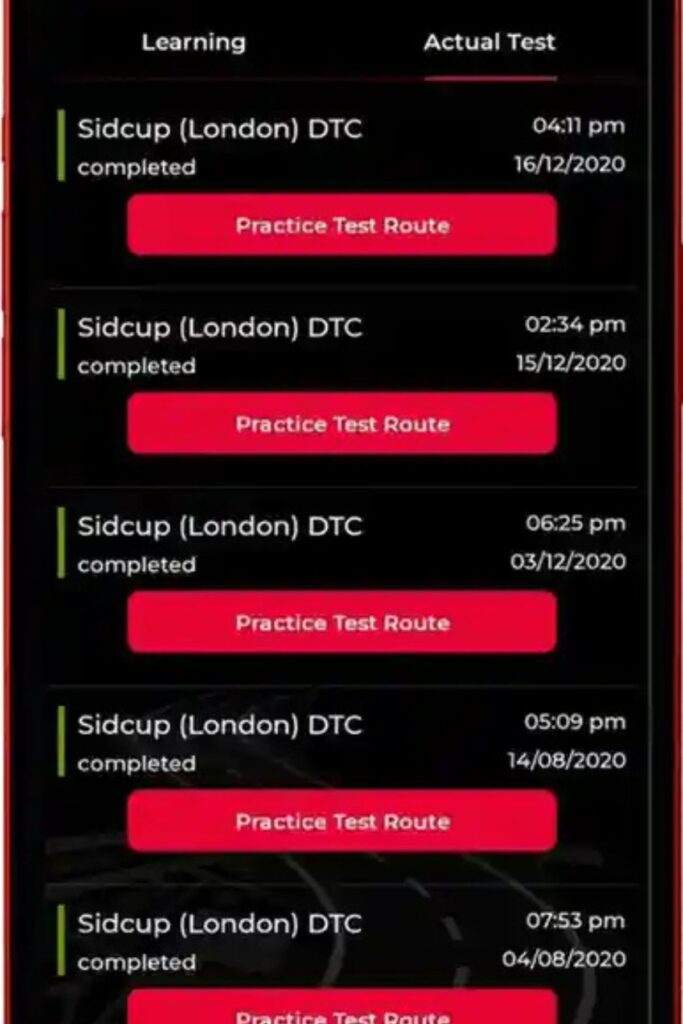
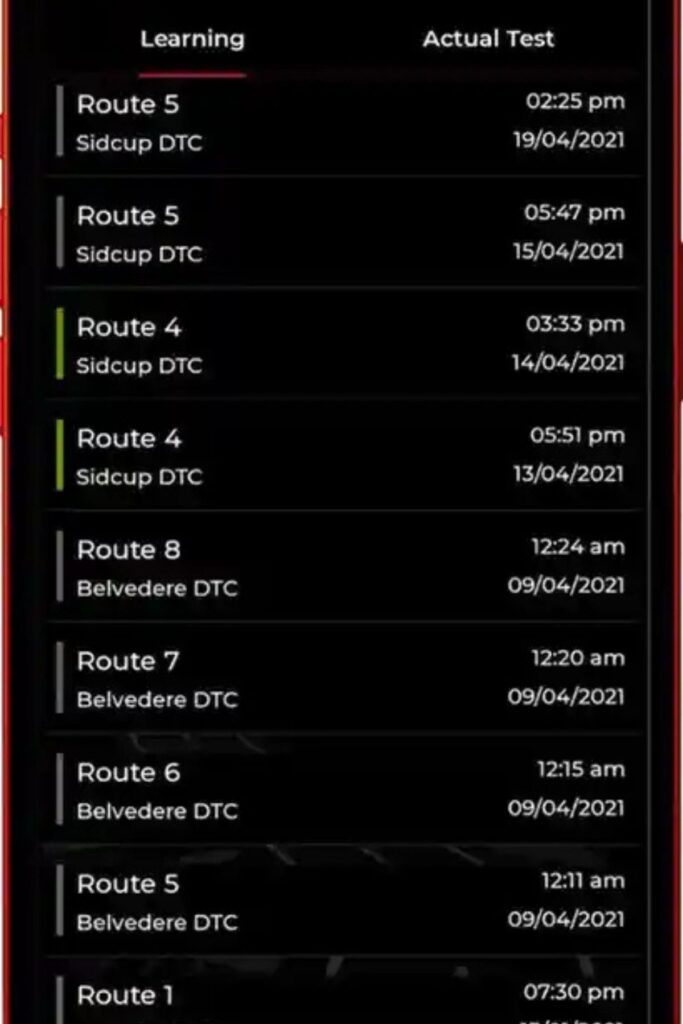
Technology has transformed the way people learn to drive. Instead of waiting until the next lesson to ask questions or review mistakes, learners can now practise independently whenever it suits them.
Mobile apps offer flexibility that traditional study methods simply cannot match. Whether you’re commuting, taking a lunch break or relaxing at home, you can continue preparing without carrying books or paperwork.
They also encourage consistent revision. Even spending ten or fifteen minutes each day using an app can improve confidence and help learners retain information more effectively than last-minute cramming.
How Real Driving Test Routes Improve Your Preparation

One of the biggest challenges learners face is driving on unfamiliar roads during their practical test. Unexpected roundabouts, complex junctions and changing speed limits can make even confident drivers feel nervous. Practising real driving test routes before test day helps remove much of this uncertainty by allowing learners to become familiar with the roads they are likely to encounter.
Using an app for driving test preparation that includes route guidance enables learners to explore local test routes at their own pace or alongside their instructor. Repeated practice helps improve observation, lane positioning and decision-making while making challenging sections of the route feel more familiar. Instead of worrying about what lies ahead, learners can focus on demonstrating safe and confident driving throughout the test.
Why Practising Real Test Routes Builds Confidence
Passing the practical test isn’t only about driving safely—it’s also about remaining calm in unfamiliar surroundings. Many learners feel anxious because they don’t know what roads or junctions they might encounter during the test.
Practising routes commonly used by examiners helps remove much of this uncertainty. By becoming familiar with local roundabouts, speed changes, busy junctions and challenging road layouts, learners can focus more on their driving rather than worrying about where they are going.
Understanding the local driving environment also helps build confidence during lessons, allowing instructors to spend more time refining driving skills instead of introducing unfamiliar roads at the last minute.
Getting to Know Your Test Centre Before Test Day

Every driving test centre has its own surrounding road network and common examination routes. Becoming familiar with these areas before the test can make the experience feel much less intimidating.
Many modern driving apps allow learners to preview routes around their chosen test centre, making it easier to recognise:
- Complex roundabouts and junctions.
- Common speed limit changes.
- Residential roads with parked vehicles.
- Busy traffic hotspots.
- Areas where manoeuvres are frequently practised.
Knowing what to expect doesn’t guarantee success, but it can reduce unnecessary nerves and help learners approach the practical test with greater confidence.
How Turn-by-Turn Route Guidance Builds Confidence
Following guided test routes allows learners to practise independently while becoming familiar with the roads around their chosen test centre. Repeating these routes helps drivers recognise tricky junctions, roundabouts and speed limit changes before the day of the test. The more familiar the route becomes, the more attention learners can give to safe driving, observation and decision-making. This builds confidence gradually and makes practical lessons even more productive.
Features That Make a Driving Test App Worth Downloading
Not every app provides the same level of support. Choosing one with practical features can make preparation more effective while keeping revision simple and organised.
| Feature | Benefit |
| Theory practice questions | Helps reinforce Highway Code knowledge. |
| Hazard perception clips | Improves observation and reaction skills. |
| Local driving test routes | Builds familiarity with roads around your chosen test centre. |
| Progress tracking | Highlights strengths and weaker topics. |
| Simple navigation | Makes studying quicker and easier. |
| Regular updates | Ensures information reflects current DVSA guidance. |
When selecting an app for driving test preparation, look for features that support both theory revision and practical driving confidence rather than focusing on just one aspect of learning.
Building an Effective Weekly Revision Routine

Successful learners rarely rely on intensive revision just before the test. Instead, they develop consistent habits that fit naturally around work, college or other commitments.
A balanced weekly routine could include theory revision during the week, hazard perception practice every few days and regular driving lessons that reinforce what has been learned through the app. Reviewing local test routes before practical lessons also allows learners to become more familiar with challenging roads while receiving guidance from their instructor.
Combining digital revision with real driving experience creates a more complete learning process than relying on either method alone.
Common Mistakes Learners Should Avoid
Driving test apps are valuable study tools, but they work best when used correctly. Some learners rely entirely on digital revision while neglecting practical driving experience, which can leave them underprepared for the real test.
Other common mistakes include:
- Skipping hazard perception practice.
- Revising only a few days before the test.
- Ignoring progress reports and weaker topics.
- Using apps with outdated DVSA content.
- Practising inconsistently instead of studying regularly.
Avoiding these habits allows learners to gain the greatest benefit from their revision while feeling more prepared on test day.
How Driving Test Apps Improve Confidence

Confidence often comes from familiarity. The more learners practise, the less intimidating the driving test becomes.
Using an app for driving test preparation helps learners become familiar with theory questions, hazard perception scenarios and local roads before the examination. This reduces uncertainty and allows them to focus on demonstrating safe driving rather than worrying about unexpected situations.
Many learners also appreciate being able to track their progress. Seeing improvements over time provides reassurance that their preparation is moving in the right direction and highlights any remaining areas that need additional practice.
Conclusion
No app can replace professional driving lessons or the experience gained behind the wheel, but it can make the learning process far more organised and less stressful. From theory revision and hazard perception practice to exploring local driving test routes, the right tools help learners prepare with greater confidence every step of the way. Apps such as Test Routes give learners the opportunity to become familiar with the roads around their chosen test centre, making practical test preparation feel more predictable and less daunting. Used alongside regular driving lessons, the right app can turn uncertainty into confidence and help you approach your driving test feeling fully prepared.
Author Name: Virendra Patel
Virendra Patel shares expert insights on driving tests, learner preparation, and test centre guidance. His content helps new drivers feel more confident and informed on the road to getting their licence.
Image attributed to Unsplash.com and Pexels.com. Some images supplied