Imagine looking at a city where electric vehicles don’t just roam freely but recharge efficiently, thanks to smart charging solutions. You’d witness optimized energy usage, reduced costs, and a less strained power grid.
But how do you achieve this? With the precise placement of charging stations and the strategic use of real-time data for smart charging solutions. The key players – urban planners, utility companies, tech innovators, and policymakers – must all collaborate seamlessly.
Benefits of Smart Charging
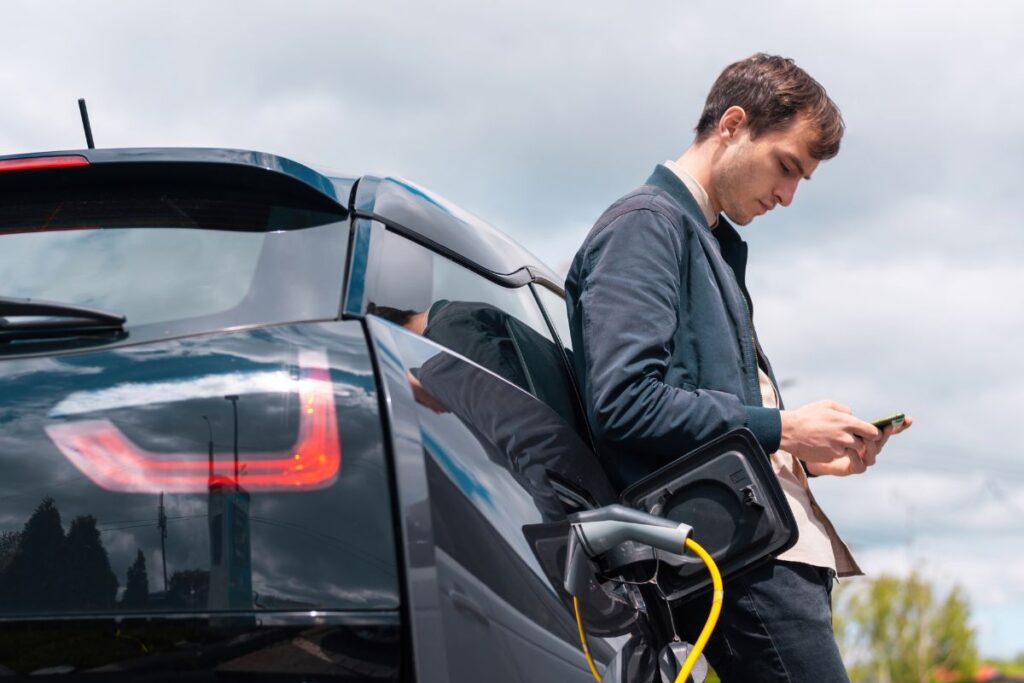
Smart charging offers numerous perks that can revolutionize how we juice up electric vehicles (EVs) in cityscapes. It’s not just a technological quirk; it optimizes energy usage to a stellar degree.
Imagine this: your EV charges during off-peak hours when electricity is cheaper and greener. That’s money saved and less strain on the grid, boosting energy efficiency overall. In that moment, you’re not simply a consumer but an active piece of a fast-evolving energy puzzle.
But how? Real-time data and clever algorithms play their parts. These systems tweak the charging rate based on current energy demands, delivering flexibility you didn’t know you craved.
Plus, you hold the reins with smart charging. Your smartphone becomes a command center. Dedicated apps let you monitor and schedule top-up sessions from your pocket, deciding when and how your EV gets its power dose. This much autonomy is liberating.
Integration With Urban Infrastructure
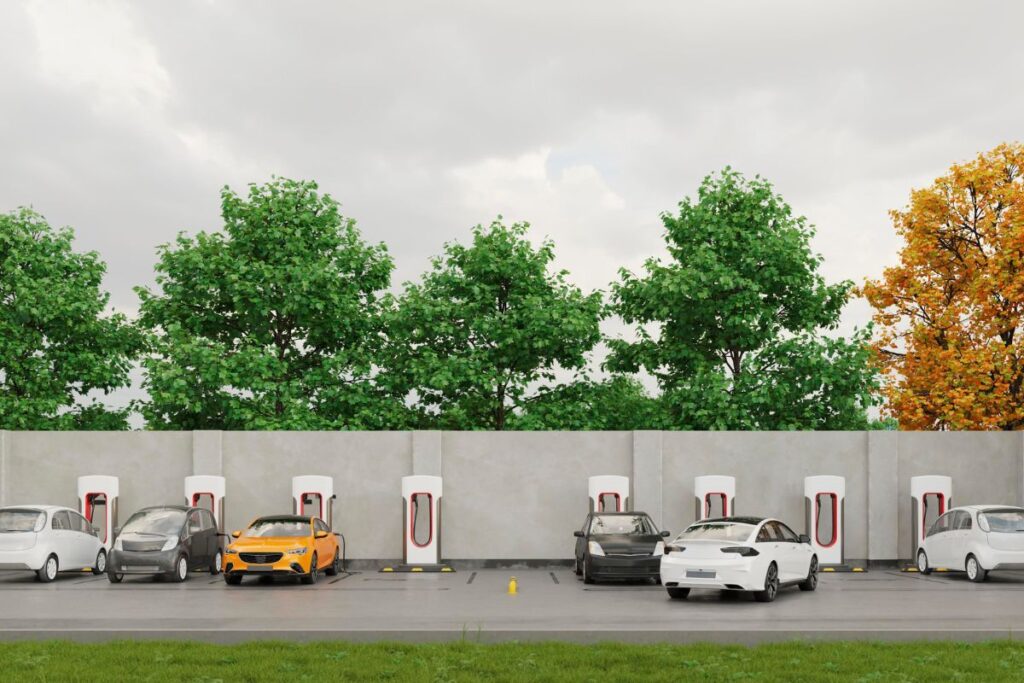
Integrating EV charging stations seamlessly into urban infrastructure is crucial for creating a more efficient and sustainable cityscape. You can’t just plop a charger anywhere and expect the system to work. Strategic placement is key.
High-traffic areas, near public transit hubs, within residential neighbourhoods – these are the spots that matter. Ensuring accessibility and convenience encourages people to switch to electric vehicles. But wait, there’s more.
Consider the existing power grid. Upgrading grid infrastructure to support multiple fast-charging stations helps cities avoid overloading and blackouts. Smart grids and energy storage solutions balance the load. The same applies to virtually any electric bus charging station project.
Urban planners need to collaborate with utility companies, tech firms, and policymakers. They all must develop a unified approach. Such integration can happen without disrupting the urban fabric, but only if everyone’s on board.
What Are the Future Trends in EV Charging?
As technology advances, expect to see faster, more efficient EV charging solutions that could revolutionize the way we power our vehicles.
Topping up your electric vehicle (EV) will become quicker, more accessible, and seamlessly integrated into daily life.
Some of the most revolutionary concepts include:
- Wireless charging: Say goodbye to plugs and cables. Inductive charging pads could allow you to simply park and charge, offering a hassle-free experience.
- Vehicle-to-grid (V2G) technology: Envision your car contributing to the power grid. V2G allows your EV to send electricity back to the grid, supporting energy stability and efficiency.
These advancements promise not just improvements in convenience and efficiency but a fundamental shift in how we interact with our energy systems.
Conclusion
Incorporating smart charging solutions into urban transportation isn’t just a significant step towards sustainability – it’s a transformative move.
These solutions offer substantial benefits by optimizing energy usage, reducing grid strain, and integrating seamlessly with urban infrastructure. You’ll see cost savings, energy efficiency, and overall system reliability improvements.
As future trends evolve, smart charging will be pivotal in shaping a greener, more efficient transportation landscape. Embrace this change and drive the future forward.
Images courtesy of unsplash.com and freepik.com