As technology evolves, health innovations continue to reshape everyday experiences. Wearable devices and smart home systems are increasingly integrated into daily routines, promoting well-being and efficiency. Digital signage for hospitals demonstrates the diverse applications of technology, enhancing both clinical and non-clinical healthcare settings.
The landscape of health technologies is continuously transforming, bringing new possibilities into our lives. You are likely familiar with wearable fitness trackers that monitor your physical activities and provide insights into your health metrics. These devices have become an integral part of daily routines for many, offering real-time data that helps you make informed decisions about your health. Meanwhile, smart home systems are gaining traction by increasing convenience and efficiency in households, creating a seamless environment that supports well-being. Digital signage for hospitals is a prime example of how technology is being utilised to enhance healthcare settings.


Health wearables
Wearable health technologies has revolutionised how individuals track their health and fitness goals. Devices such as smartwatches and fitness bands now offer features that go beyond simple step counting. They can monitor heart rate, sleep patterns, and even detect irregularities in your body’s functioning. With these advancements, you are empowered to take proactive steps in maintaining your health by setting personalised goals and receiving immediate feedback on your progress.

The appeal of wearables lies in their ability to integrate seamlessly into your lifestyle. Whether you’re at work or exercising, these devices provide continuous monitoring without disrupting your daily activities. For those managing chronic conditions, wearables offer a convenient way to keep track of essential health parameters and share this data with healthcare providers if necessary. This level of connectivity ensures that you can maintain a high standard of personal health care.
As wearable health technologies advances, it will likely continue to expand its capabilities. Innovations such as integrating artificial intelligence could further personalise the user experience by offering tailored health advice based on real-time data analysis. This potential makes wearables an exciting area of growth within the broader landscape of health technology.
Smart home systems
Smart home technology is increasingly becoming a staple in modern households. By automating everyday tasks, these systems enhance both convenience and safety within your home environment. Smart thermostats, lighting controls, and security systems allow you to manage various aspects of your home remotely, ensuring comfort and efficiency regardless of where you are.
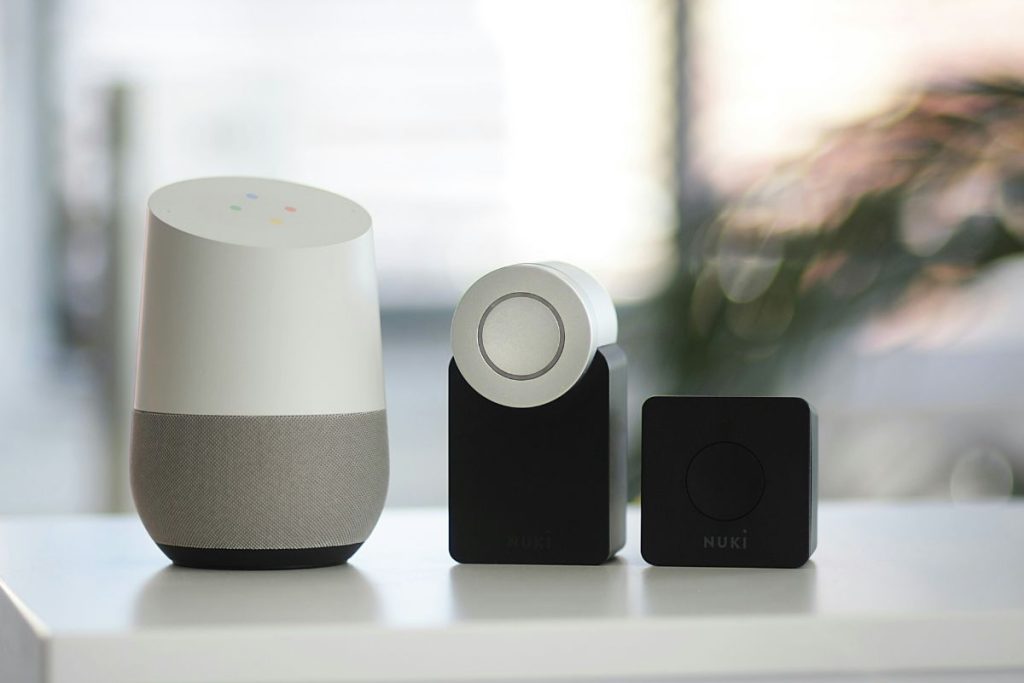
Beyond convenience, smart homes also contribute significantly to your well-being. For example, smart air purifiers can monitor air quality and automatically adjust settings to ensure a healthy indoor environment. Similarly, smart speakers equipped with virtual assistants can help you manage stress by playing calming music or providing meditation guidance upon request.
The integration of smart health technologies fosters an interconnected ecosystem where devices communicate seamlessly to optimise energy consumption and improve daily living standards. This interconnectedness not only benefits individual households but also represents a significant step towards sustainable living practices as energy efficiency becomes increasingly prioritised.
Digital signage for hospitals
In healthcare settings, digital signage is playing a transformative role by improving communication and information dissemination. These displays provide patients with critical updates regarding appointments or hospital protocols while simultaneously enhancing their overall experience within the facility. By centralising essential information on easily accessible screens throughout hospitals, patients can remain informed without the need for constant staff interaction.
Digital signage also serves valuable functions beyond patient communication within clinical environments. It can be used to guide visitors through complex hospital layouts or display important safety information during emergencies. This adaptability makes it an indispensable tool for ensuring smooth operations in bustling healthcare facilities.
The versatility of digital signage extends into non-clinical applications as well. Within hospitals, these displays streamline internal processes by facilitating better communication among staff members across different departments. Whether displaying meeting schedules or sharing internal announcements efficiently across multiple locations simultaneously — digital signage enhances workflow management significantly.
Images courtesy of unsplash.com and pexels.com.