Always a dynamic area, the kitchen has evolved with every technological development, bringing more convenience, energy efficiency, and improved performance. Relying on a strong cast-iron structure, manual controls, and time-honoured design principles, traditional cooks have long ruled the heart of the home.
Modern electric cookers offer a distinctly different experience, characterised by accuracy, smart technology, and an elegant design. Anyone modernising their kitchen must be aware of the fundamental distinctions between modern and traditional cookers. As culinary methods evolve to fit hectic lives,

Many consumers additionally think about a second hand electric AGA for its mix of modern electric features and historic quality while looking at updated possibilities. Much like a second-hand electric AGA, current electric cookers mix the desired innovation of today’s consumers with the valued dependability of older versions. For those who already have a traditional AGA cooker, an AGA electric conversion presents an ideal solution, allowing you to retain the enduring look and thermal characteristics of the original model, while upgrading to modern electric functionality and efficiency.
Smart features and precision control
The degree of control modern electric cookers provide is among the most obvious differences from conventional ones. Temperature and timing are manually controlled on traditional cookers. To regulate every element of cooking, modern electric cookers feature precise digital thermometers, precise cooking controls, and programmable timers. Other improvements include sensor-based cooking, mobile app remote control, and touch-sensitive panels.
Eco-friendly designs and energy efficiency
Engineered to meet tighter energy criteria, modern electric cookers emphasise reducing usage while boosting production. Newer versions offer quick preheat capabilities, insulated ovens, and energy-saving features, such as induction surfaces, compared to conventional cookers, which were sometimes large and slow to heat up or cool down. Over time, this emphasis on energy efficiency not only benefits the environment but also results in lower utility costs. Traditional cookers were resilient, but they typically lacked the energy-saving features and insulation found in contemporary kitchen appliances.
Space optimisation and design flexibility
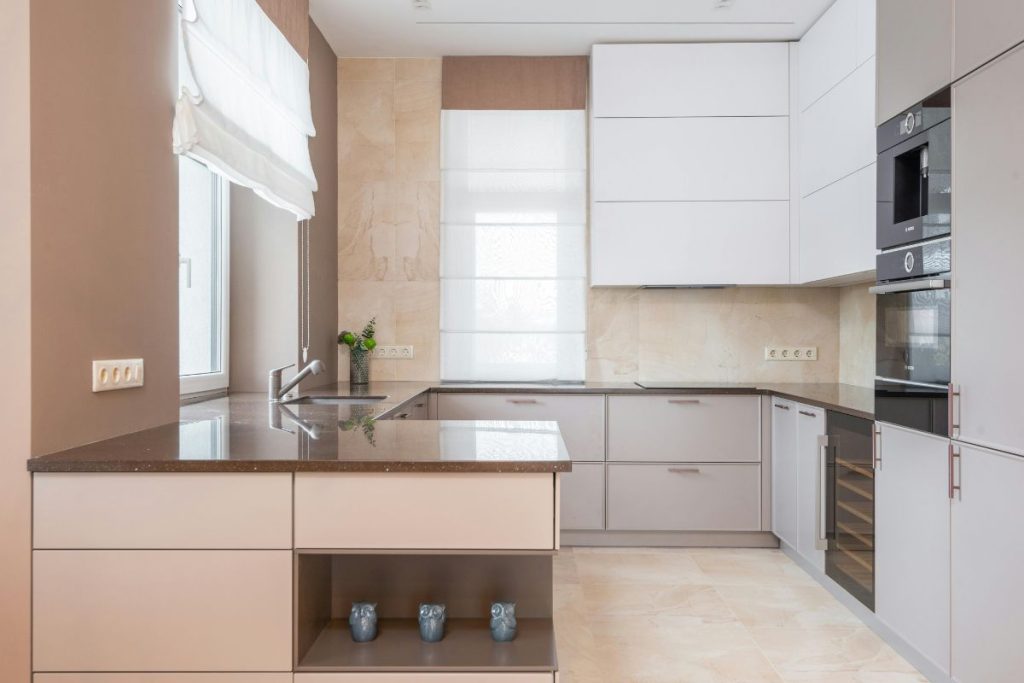
Modern electric cookers also excel in their flexibility, allowing them to fit various kitchen designs and layouts. Often large, heavy, and needing certain spatial allowances, traditional models were. Conversely, the modern cooker’s range of sizes, finishes, and combinations helps them fit nicely into compact apartments, contemporary kitchens, and open-concept homes. Independent units, slide-in ranges, and modular cooktops enable compact areas to feature high-performance cooking equipment without compromising design.
Finding a balance between innovation and durability
Many consumers still value the unmatched durability of older versions, even if current electric cookers provide remarkable capabilities. Often made of strong materials and featuring a simple design, traditional cookers were designed to last for decades with minimal upkeep. Depending on their sophisticated circuitry, modern appliances often strike a balance between cutting-edge functionality and long-term reliability. Still, manufacturers are increasingly focusing on designing electric cookers that ensure homeowners don’t have to choose between reliability and innovation, as they integrate both durability and advanced technology.

Final remarks
Bringing accuracy, energy efficiency, and adaptability to the forefront of kitchen design, modern electric cookers represent a remarkable leap from conventional types. Although conventional cookers are still praised for their durability and appeal, the modern user gains significantly from the smart features and flexibility of new electric ones. Just like a second-hand electric AGA, which combines the best of both old and modern, today’s electric cookers demonstrate that invention can enhance the cooking experience without compromising the virtues that made conventional designs cherished in the first place.
Images courtesy of unsplash.com and pexels.com