Loading bays are the lifeblood of the logistics industry, with their smooth operation vital for timely deliveries and pickups across the sector. However, all of the moving parts of a good bay also make it one of the highest-risk areas of any industrial facility. Between drivers, floor staff and heavy machinery, loading bay safety requires a comprehensive approach.
This article will put the spotlight on safety procedures and installations necessary for safe, smoothly operating loading bays. From vehicle restraints and separation protocols, we will cover all the important factors that owners and operators need to keep in mind to keep staff, visitors and equipment safe.
The golden rule of separation
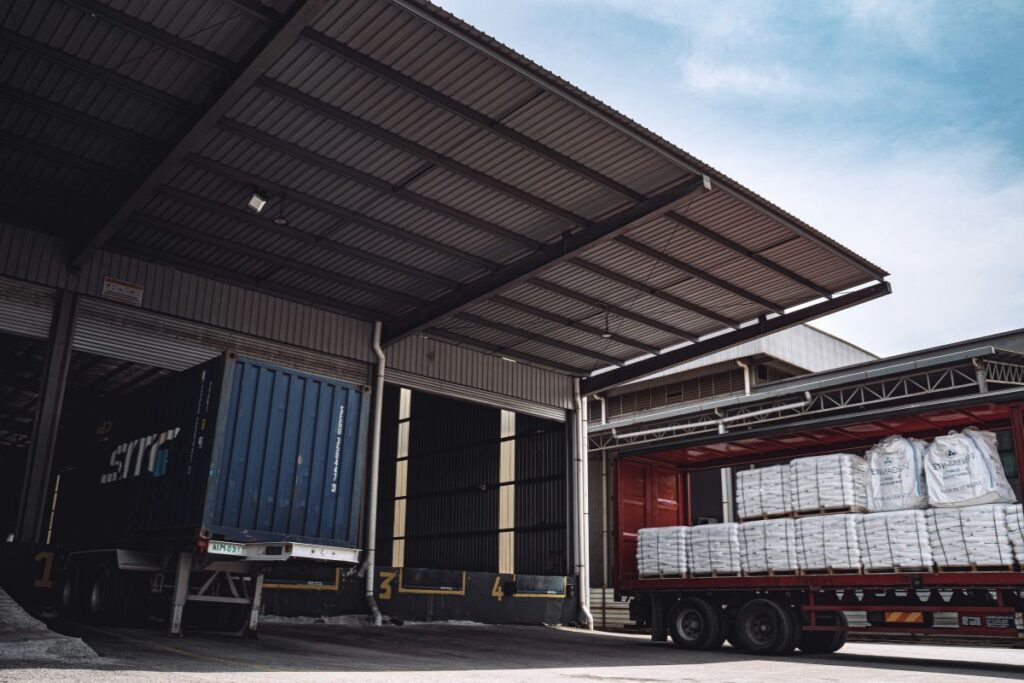
You need to properly segregate the elements and people on the yard, as the most common accidents come when pedestrians collide with vehicles. Physical loading bay safety barriers and visual signage need to work coherently for maximum reduction in danger.
- Heavy-duty steel barriers must be used to create dedicated walkways, rather than simple floor paint.
- Proper loading bay safety gates should be used to keep other working elements of the warehouse separated from the rest.
- Non-essential staff must be made to exit the bay area before vehicles pull in.
- Drivers who exit their cabs should have safe zones to stand in, preventing wandering.
- Different areas of the bay should be clearly signposted.
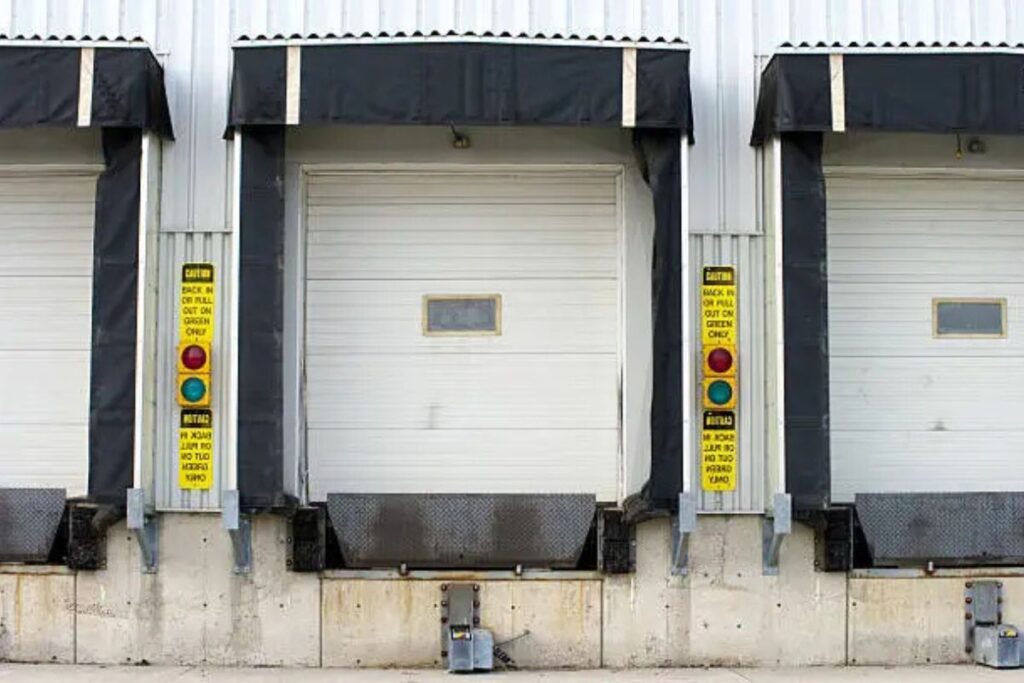
- Red and Green LED interlocks should be used to signify when a situation is safe or unsafe to load.
- Dock doors, levellers and vehicle restraints should be linked, to ensure no loading or unloading takes place until all necessary safety tech is engaged.
Workplace injuries can cripple a business beyond a day of stress, so don’t approach this separation haphazardly.
Dock levellers & edge protection measures
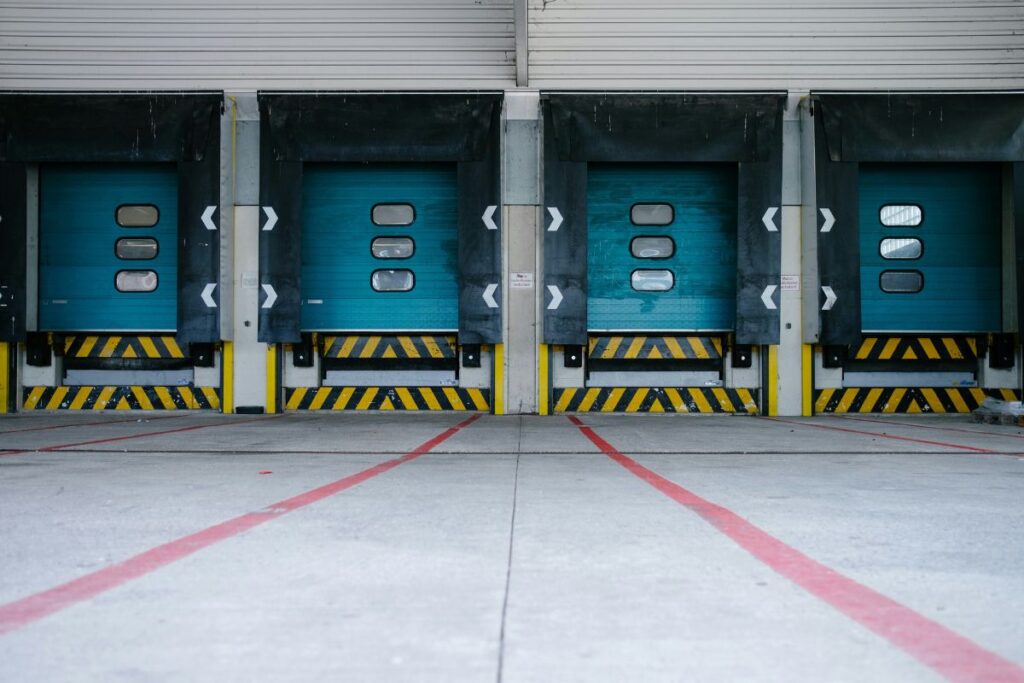
The space between trailer and dock can be dangerous if it’s not managed correctly. People or goods can easily end up damaged if the it’s not bridged properly. In the same vein, the edge of the bay can be damaged if it doesn’t have sufficient safety installations in place.
- Hydraulic dock levellers are essential for smooth transitions, as well as minimising manual handling.
- Telescopic lips on levellers can extend further into trailers, ensuring the most stable bridge possible.
- Toe guards should be used on levellers to prevent feet from being crushed.
- Dock pads must be installed on the side of loading bays to ensure that a light collision with the loading bay won’t be catastrophic.
These safety procedures and measures are essential for ensuring safe loading and unloading.
Vehicle restraints & securements
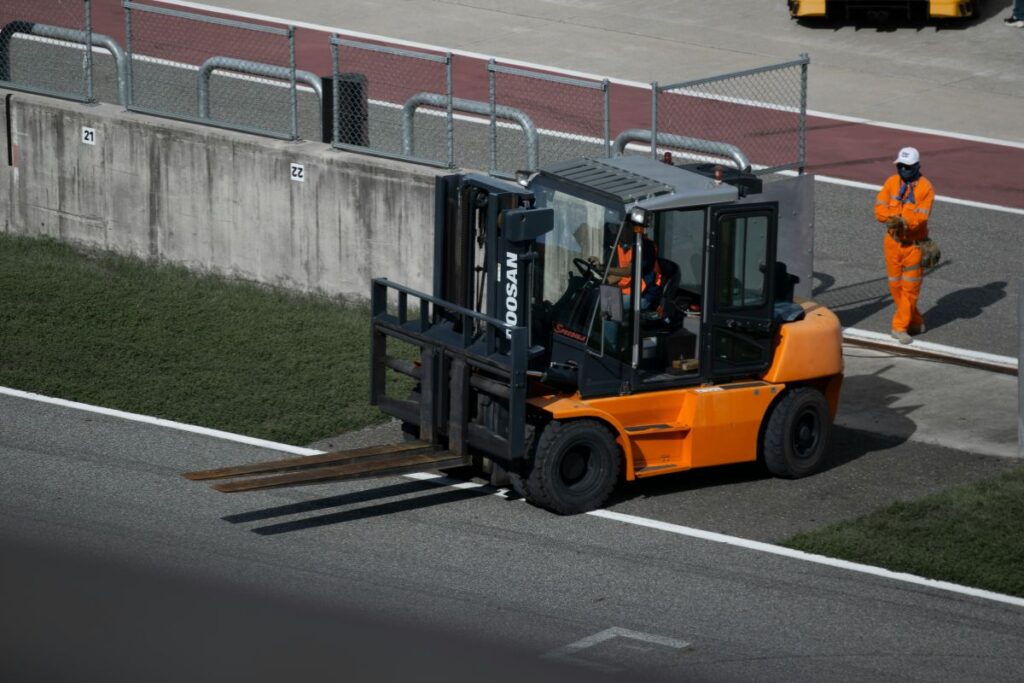
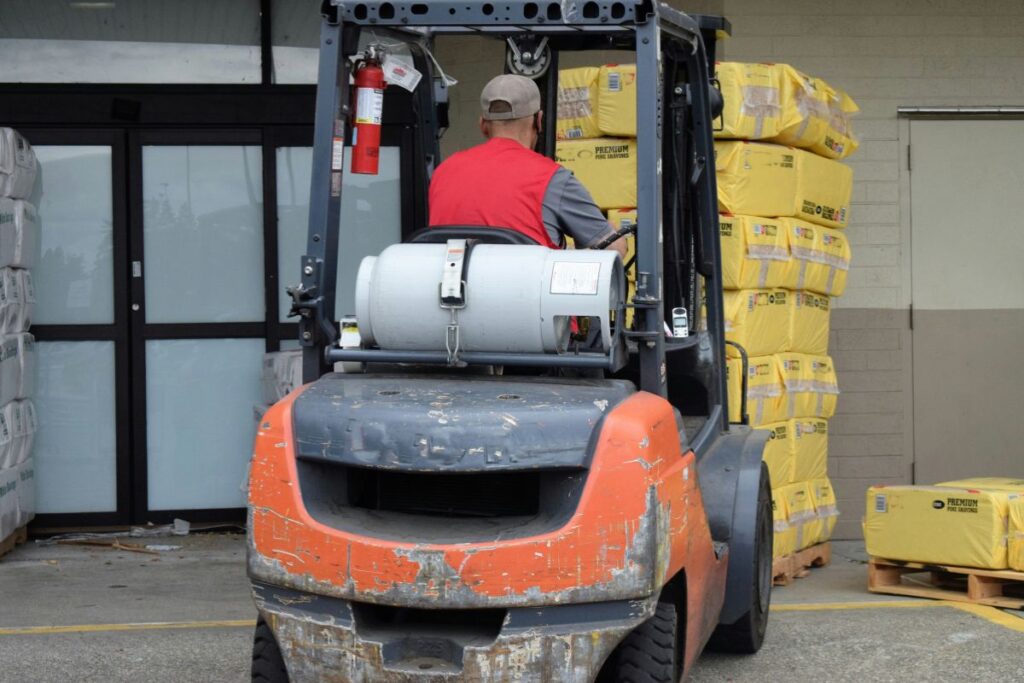
Trailer creep is a common occurrence on loading bays when forklifts enter and exit trailers, creating dangerous gaps. This should be combatted with smart vehicle restraints that ensure trailers stay in place. Dock locks are a mandatory restraint, physically locking onto Rear Impact Guards, but additional securements can include wheel chocks and trailer jacks. Taking a multi-layer approach will help to guarantee against trailer creep, as well has helping to keep vehicles from potentially tipping.
Additional environmental installations
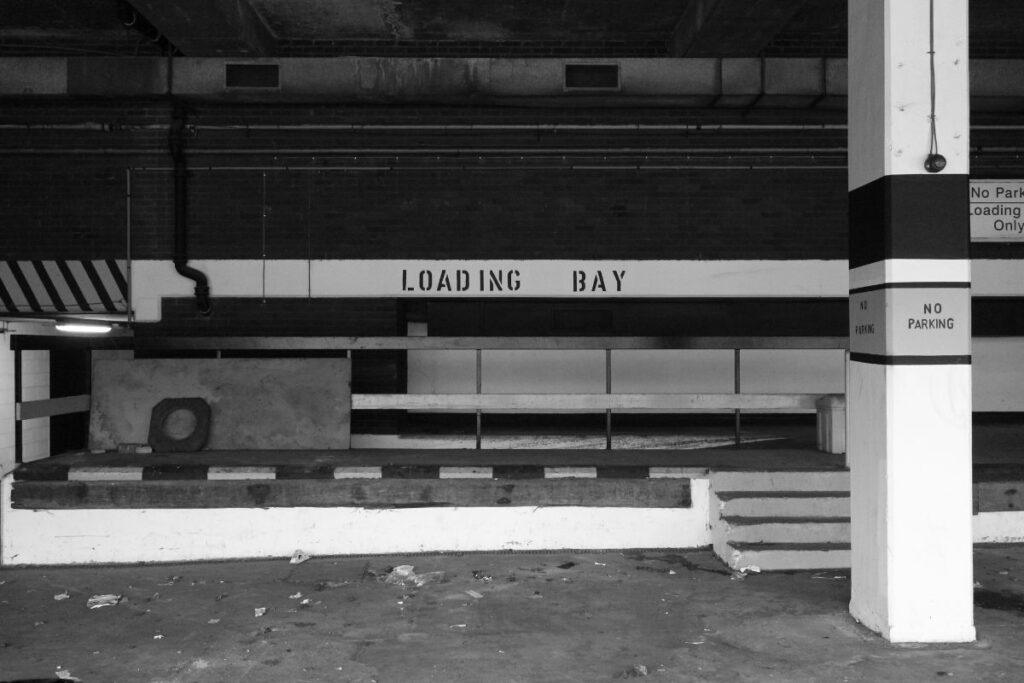
There are a range of additional installations that can be made to enhance the safety of a loading bay environment.
- Dock shelters and seals offer temperature control, as well as keeping the elements of the weather off the dock floor, preventing all too common slips and falls.
- LED lights should be used to shine into the back of trailers, ensuring forklifts have a good view of what they’re handling.
- Drop-off edges of docks should be painted with high-visibility safety yellow, ensuring people can understand where things start and end.
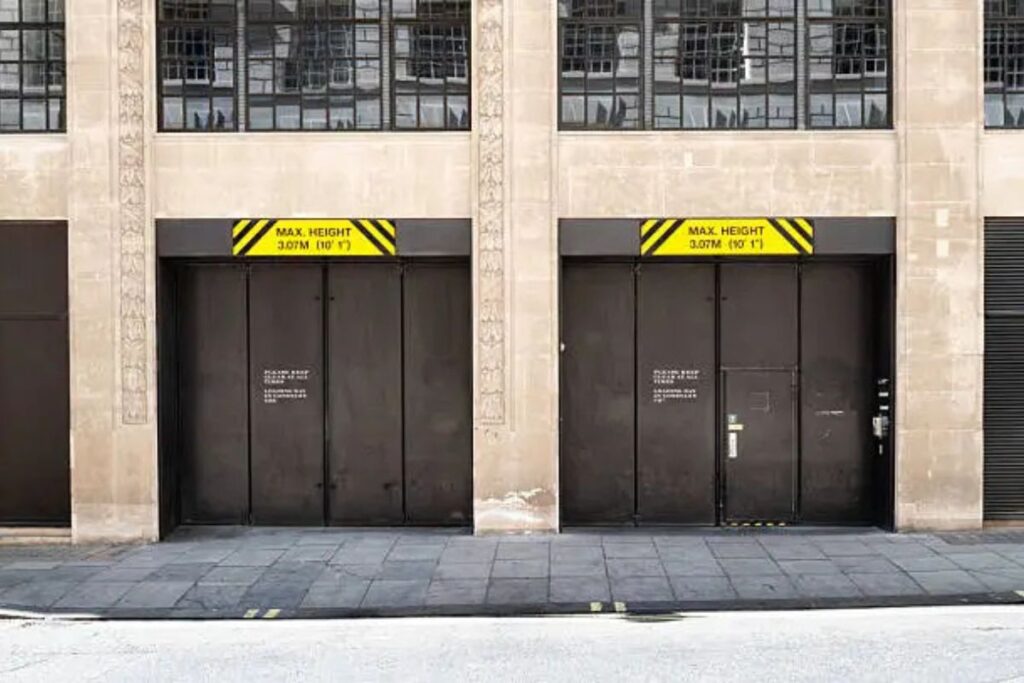
There are a lot of variables in any busy loading bay, which is why it’s vital to take an all-encompassing approach to safety procedures, covering technological and human elements in equal measure. Make sure to seek out a good company with a strong reputation for quality technology for any of the permanent installations. Paying more for something good is better than regular replacements!
Images courtesy of unsplash.com, Freepix.com and pexels.com