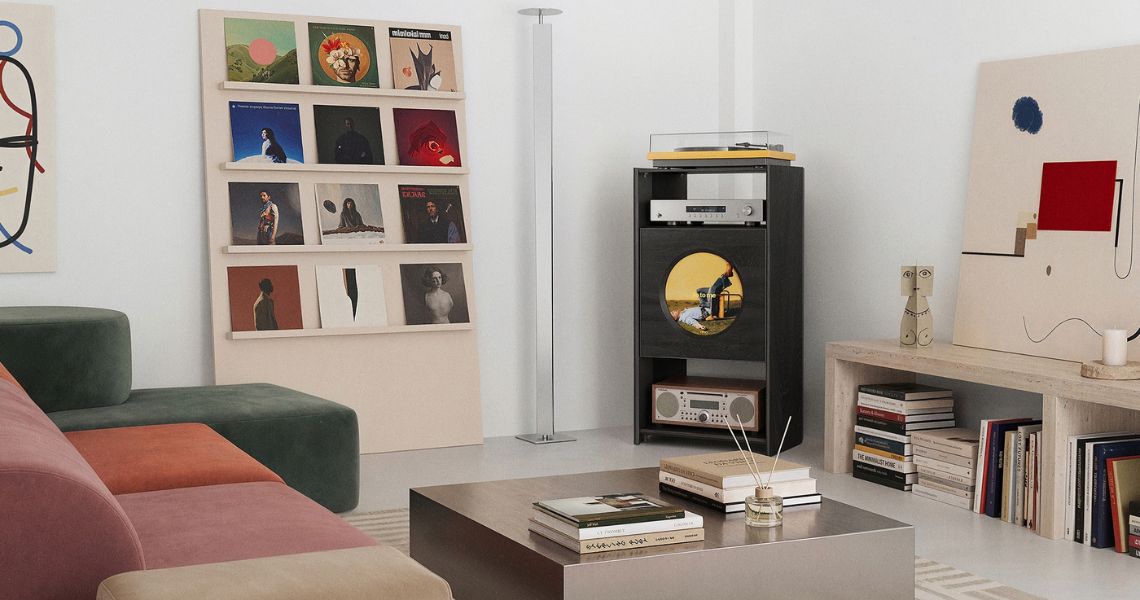
A set of blueprints or rough sketches is no longer enough to convince clients. Instead, you need to present a compelling visual representation — a rendering.
Working with a studio that offers interior and exterior 3D renderings services is an excellent way to enhance the design experience through narrative visuals.
Showcasing homes and architectural projects in this way makes it easier for clients to see the benefits of presented ideas. This, in turn, helps them place their trust in the architects, designers, and developers working on their projects.
Below, we explore how realistic 3D renderings have become essential to modern architectural projects. We also go over the benefits they bring to client relationships and why investing in top-quality renderings is worth it.
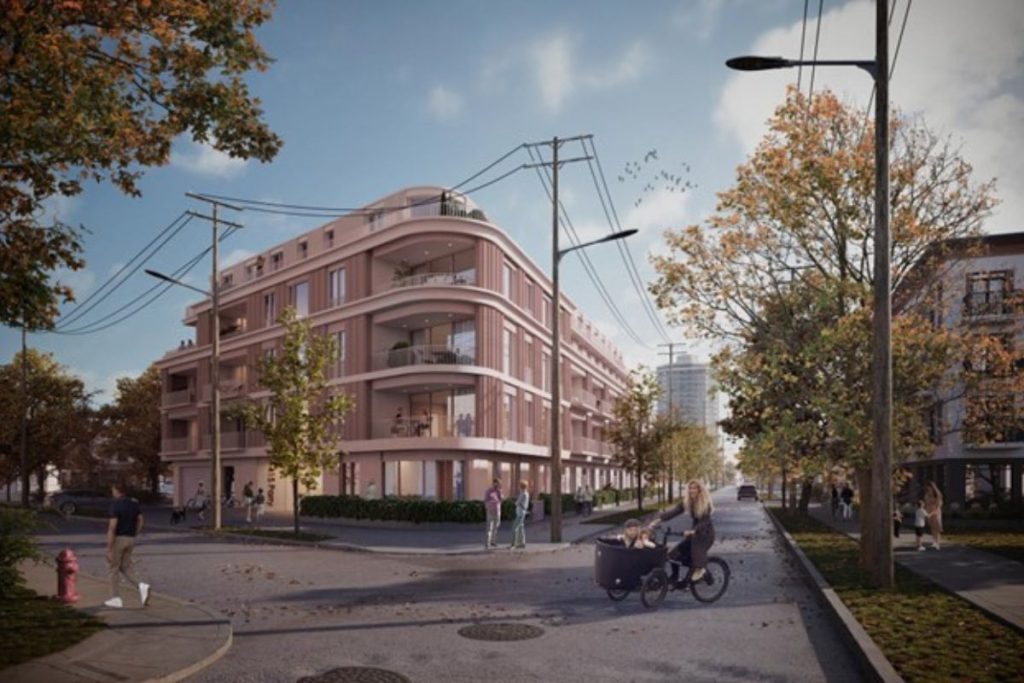
Toronto and Perry — residential project in Canada visualized by Render Art Studio
How 3D Renderings Foster Client Confidence
Before ground is ever broken, clients want assurance that their project will meet or exceed their expectations. Providing them with a rendering of the final product instils confidence and excitement.
Thanks to 3D renderings, design firms can take conceptual ideas and showcase them in the form of attractive visual representations that are easily graspable by a layperson in comparison to technical drawings.
A good example of this is the 3D rendering work by Render Art Studio presenting the Bellevue Project – a 16-storey mass timber residential tower in Washington State. It shows how a sustainable solution – mass timber construction is integrated with residential living and commercial spaces.
The visualization highlights the architectural design, allowing potential residents and investors to envision the future neighbourhood.


Render Art Studio’s 3D rendering for the Belleuvue Project, 16-storey mass timber residential tower in Washington State, USA
In addition to the client confidence and connection that 3D renderings create, they eliminate the ambiguity that sometimes accompanies traditional architectural representations.
Clients no longer need to rely solely on blueprints or verbal descriptions to picture their future homes. Instead, they can see the structure, textures, and lighting as if the buildings were already completed.
How 3D Renderings Simplify Communication and Design Revisions
Effective communication is central to any successful relationship. In architecture, nothing is more powerful in expressing details than visual communication. As the Indian Institute of Art & Design points out:
“Visual communication is the art of storytelling used to convey a message or information to users, enabling them to take action and interact with spaces. It has the ability to strike an emotional cord more effectively than just words, creating experiences that surpass language barriers. From public toilets and traffic signage to emergency exits and entertainment hubs, visual communication has emerged as an essential tool of communication.”
With 3D renderings, potential issues or design changes can be addressed early on, allowing both the design team and the client to visualize updates in real time. Such efficiency significantly streamlines the design process, reduces costs, and enhances the collaborative experience between clients and architects.
This synergy of visual storytelling and real-time feedback ensures that projects not only meet but exceed expectations.
Clear visual communication during the design phase also improves client satisfaction and project timelines.
When clients are involved in every step of the design process, they can suggest what they would like to change. These real-time adjustments keep the project on track, minimizing costly redesigns and preventing the client from being surprised by the final outcome.
3D Renderings as a Competitive Edge for Architectural Firms
It’s important to recognize that clients are not the only ones who reap the rewards of 3D renderings. Architectural firms, designers, and developers also gain significant advantages.
With 3D renderings, they can present lifelike visualizations of client projects to stand out. Renderings act as a powerful marketing tool, demonstrating their commitment to quality and transparency.
Offering clients an authentic preview of their project positions firms as trusted professionals who prioritize the client’s needs and satisfaction.
Conclusion
3D renderings help architects, designers, and developers showcase projects with clarity, precision, and emotional impact.
By offering narrative renderings that capture every element of a building’s design, including the lifestyle and emotional experience it can impart, firms can improve the client experience and foster trust.
Frequently Asked Questions
1. What types of projects benefit most from 3D renderings?
Residential, commercial, and public building projects can all benefit from 3D renderings.
2. Are 3D renderings costly for architectural firms?
While they require an initial investment, 3D renderings often reduce long-term costs by minimizing misunderstandings, client dissatisfaction, and late-stage changes.
3. Can 3D renderings simulate different lighting conditions?
Realistic renderings can show how a building will look under various lighting conditions and during different seasons, helping clients make informed decisions about materials and colours.
Images supplied