Metal garages and workshops are practical, durable, and relatively quick to build. They also come with a familiar drawback: without insulation, they can become uncomfortably hot in summer, cold in winter, and noisy whenever rain hits the roof.
The right insulation makes a metal building far more usable. It helps stabilise indoor temperatures, reduces condensation, improves acoustic comfort, and can lower the workload on heating or cooling equipment. Yet there is no single “best” option for all metal garages or workshops. The ideal choice depends on climate, how the building is used, whether it is already constructed, and how much interior space you can spare.
Start With the Building’s Biggest Challenges
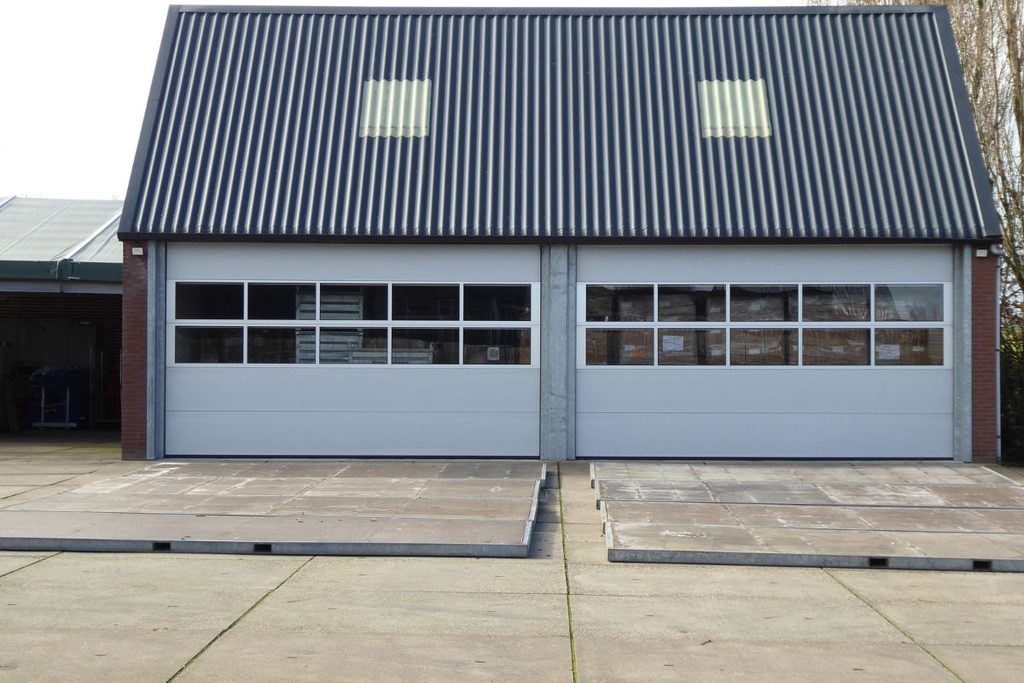
Before choosing a material, it helps to understand what makes metal structures different from timber-framed buildings.
Steel conducts heat efficiently. On a hot day, sunlight can heat a metal roof quickly and transfer that heat inward. In cold weather, the reverse happens: warmth generated inside escapes through the roof and walls. Metal surfaces can also become cold enough for indoor moisture to condense on them, leading to drips, corrosion, mould growth on stored materials, and a generally damp environment.
A workshop used for occasional DIY projects may only need basic heat control and condensation management. A garage that doubles as a gym, studio, hobby room, or vehicle workspace will benefit from a more complete insulation system. If you plan to heat or cool the space regularly, higher thermal performance becomes especially important.
Ventilation matters too. Insulation does not replace airflow. A well-insulated workshop still needs suitable ridge vents, soffit vents, mechanical extraction, or other ventilation measures to manage humidity, fumes, and heat-producing equipment.
Radiant Barriers for Heat Control
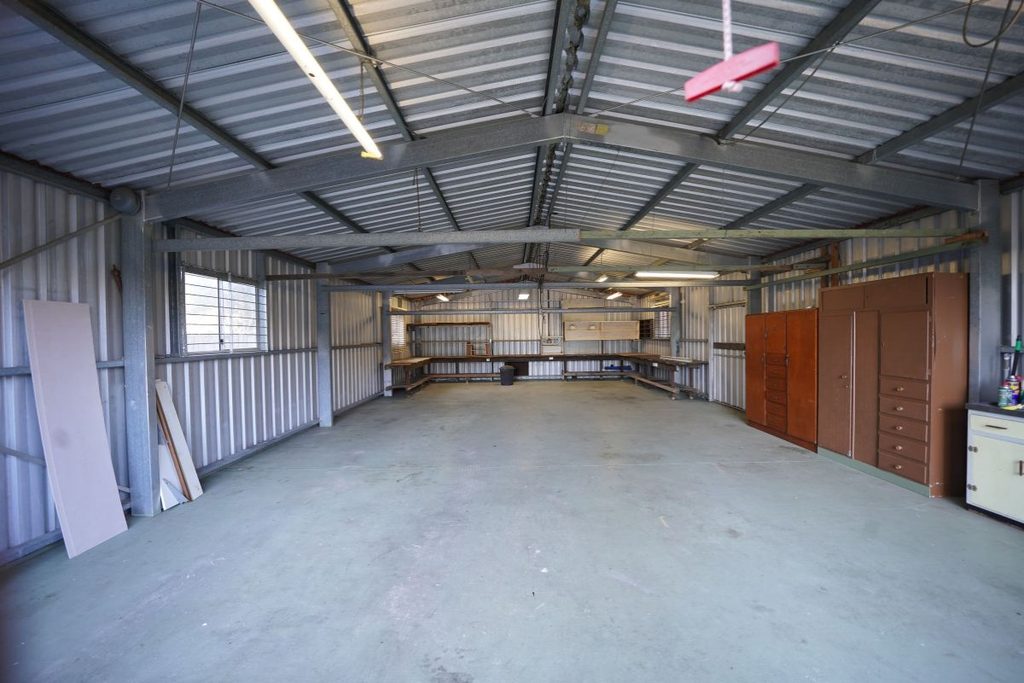
Radiant barriers are often a strong fit for metal buildings because roofs are usually the main source of unwanted heat gain. Unlike bulk insulation, which slows conductive heat transfer, reflective materials are designed to reduce radiant heat moving from a hot roof into the building.
Installed with an adjacent air space, radiant barrier insulation products can be particularly useful beneath metal roofing or along wall assemblies exposed to intense sun. They are lightweight, easy to handle, and can be a practical option for retrofitting buildings where thick insulation would reduce valuable headroom or interfere with shelving, vehicle lifts, or equipment.
Their limitations are worth understanding. A radiant barrier is not a substitute for high-R-value insulation in a cold climate where the building will be heated throughout winter. It performs best as part of a broader approach: reflective material to address solar heat, plus bulk insulation or foam to limit conductive heat loss and gain.
For a basic detached garage in a warm region, that may be enough to make a noticeable difference. For a year-round workshop, it is usually one layer of a more complete envelope.
Fibreglass and Mineral Wool: Familiar Bulk Insulation
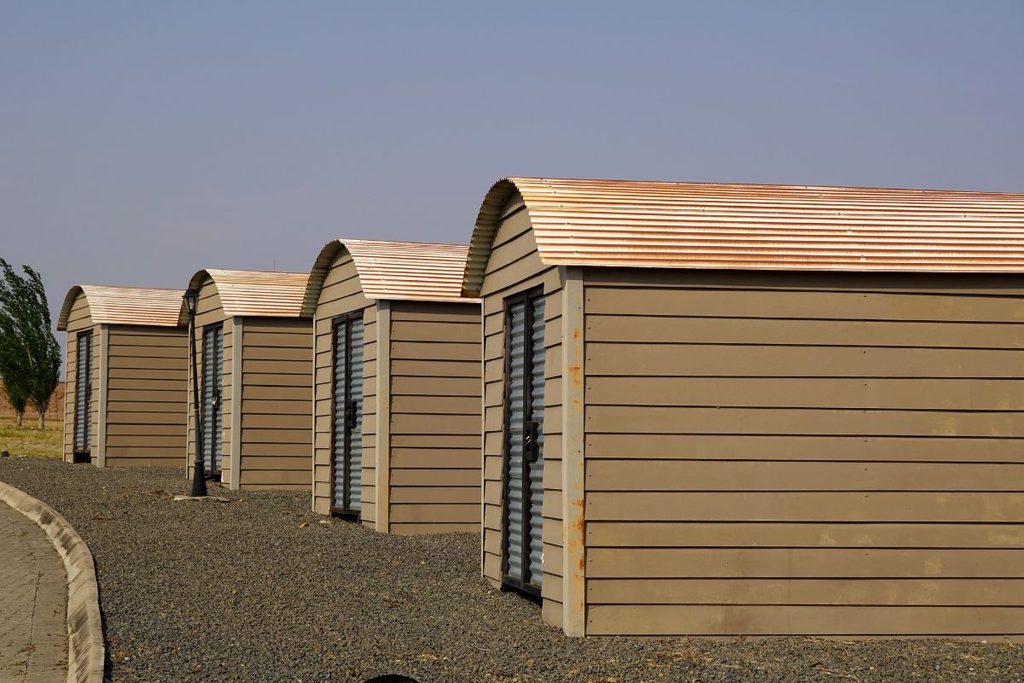
Fibreglass batts and rolls remain common choices for metal garages, particularly when the building has framed interior walls or roof purlins that create cavities for insulation.
Fibreglass
Fibreglass is widely available, cost-effective, and offers respectable thermal performance when properly installed. It is often used behind an interior liner, such as plywood, drywall, or metal wall panels. The key phrase is “properly installed.” Compressed batts, gaps around framing, and exposed edges all reduce performance.
In metal buildings, fibreglass also needs careful moisture management. A vapour retarder or faced product may be appropriate depending on the climate and wall assembly, but the right placement varies by region. Installing a vapour barrier on the wrong side of the assembly can trap moisture rather than prevent it.
Mineral wool
Mineral wool costs more than basic fibreglass, but it offers useful advantages for workshops. It is denser, more fire-resistant, and better at reducing sound transmission. If the space includes loud tools, compressors, music equipment, or an active hobby area, mineral wool can make the building noticeably more pleasant.
It also holds its shape well, which helps when insulating vertical walls. However, like fibreglass, it generally requires an interior finish to protect it from damage and dust.
Spray Foam for Air Sealing and Condensation Control
Spray polyurethane foam is one of the most effective insulation options for metal structures, especially when air leakage and condensation are major concerns. Closed-cell spray foam adheres directly to metal surfaces, creating a continuous insulating layer that also limits air movement and moisture contact.
That makes it especially useful under metal roofs, around irregular framing, and in garages and buildings with many penetrations for electrical runs, vents, or doors. Because it adds insulation without requiring a separate vapour retarder in many applications, it can simplify the assembly.
The trade-off is cost. Spray foam is usually more expensive than batt insulation and often requires professional installation. It can also make future repairs or modifications more complicated, since wiring and fasteners may be embedded beneath the foam.
For a conditioned workshop used every day, the investment can be justified. For a storage-focused garage, it may be more insulation performance than necessary.
Rigid Foam Boards for Walls and Ceilings
Rigid foam board is another versatile option, particularly during a renovation or interior build-out. Polyisocyanurate, extruded polystyrene, and expanded polystyrene boards can be fitted over wall framing or directly against suitable surfaces before interior cladding is installed.
Their main benefit is high thermal resistance per inch of thickness. This is useful where interior space is limited. Foam boards can also help reduce thermal bridging when installed continuously over framing, though seams must be taped or sealed carefully for good air control.
Fire safety is an important consideration. Most foam boards require a thermal barrier, such as drywall, when used in occupied interior spaces. Local building codes should guide the final assembly.
Choosing the Right Combination
Many effective metal-building insulation systems use more than one material. A practical approach might include:
- A reflective layer beneath the roof to reduce summer heat gain
- Spray foam at difficult joints and penetrations to control air leakage
- Fibreglass or mineral wool in framed wall cavities for added R-value
- An interior liner to protect insulation and create a finished workspace
The best choice ultimately comes down to how the space will be used. If you only park vehicles and store tools, focus on roof heat, condensation, and basic comfort. If the garage is becoming a serious workshop or year-round extension of your home, prioritise air sealing, thermal performance, moisture control, and durable interior finishes.
Insulation is easiest to install during construction, but existing metal garages can still be improved substantially. Start at the roof, address obvious gaps and condensation risks, and choose materials that suit both your climate and the way you actually use the building.
Images courtesy of unsplash.com, Freepix and pexels.com