As the colder months approach, your boiler becomes one of the most important appliances in your home. A minor issue that is easy to ignore during summer can quickly become a major problem once temperatures drop and your heating is running every day.
Boiler breakdowns are also particularly inconvenient during winter, when engineers are often at their busiest and households cannot comfortably go without heating or hot water.
The good news is that boilers frequently show warning signs before they stop working completely. Spotting these signs early can give you time to arrange a repair before the problem becomes more serious.
Here are ten signs that your boiler may need attention before winter arrives.
1. Your Boiler Is Making Unusual Noises
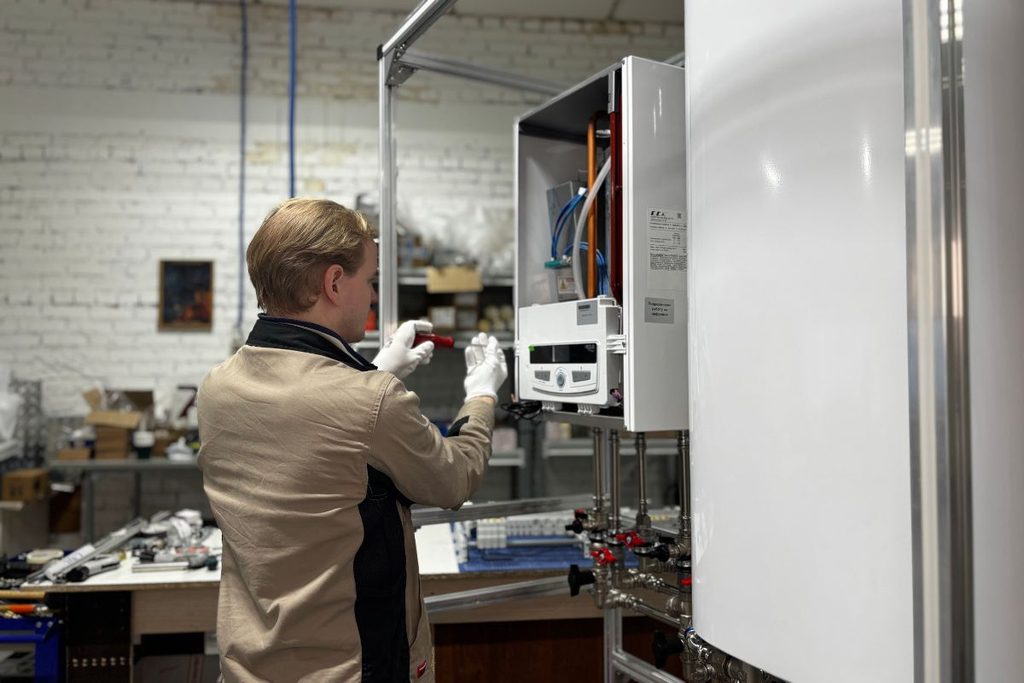
Boilers are not completely silent, but you should normally become familiar with the sounds yours makes during everyday operation.
Banging, clunking, whistling, gurgling or vibrating noises can indicate that something is wrong.
A banging or kettling sound, for example, can sometimes be caused by a build-up of limescale or debris inside the heat exchanger. Gurgling noises may be associated with trapped air or circulation problems, while mechanical sounds could indicate an issue with a pump or another internal component.
Unusual noises do not always mean that your boiler is about to break down, but they should not simply be ignored.
2. Your Radiators Are Taking Longer to Heat Up
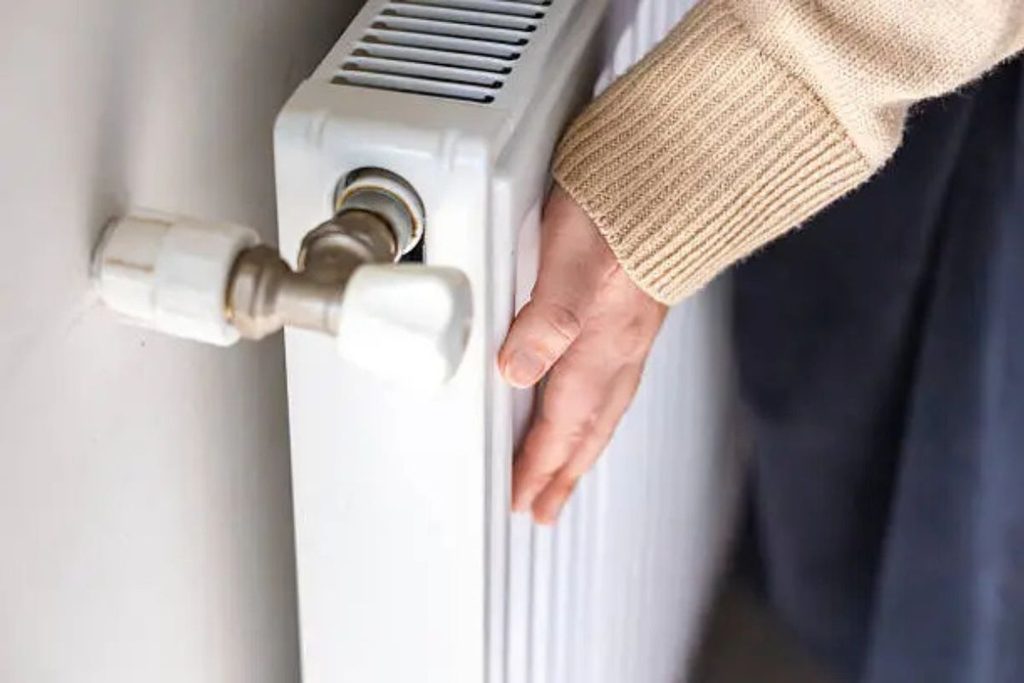

If your heating is switched on but the radiators take considerably longer than usual to become warm, your central heating system may not be operating efficiently.
There are several possible causes.
Your radiators may need bleeding, there could be sludge within the heating system, or the boiler itself may be struggling to circulate hot water effectively.
If some radiators heat normally while others remain cold, the problem may lie elsewhere in the system. However, if the entire property is taking much longer to warm up, having the boiler checked before winter is sensible.
3. Your Boiler Keeps Losing Pressure
Most domestic boilers have a pressure gauge or digital pressure reading.
Although the precise recommended pressure varies between systems, many boilers typically operate at around 1 to 1.5 bar when the heating is cold.
If you regularly have to repressurise the boiler, there may be an underlying problem.
Possible causes can include:
- A leak somewhere in the heating system
- A problem with the pressure relief valve
- An issue with the expansion vessel
- A leak inside the boiler
Occasionally topping up the pressure may not indicate a major fault, but repeatedly losing pressure should be investigated.
4. Your Heating Keeps Switching Off
A boiler that repeatedly turns itself off can make keeping your home warm extremely frustrating.
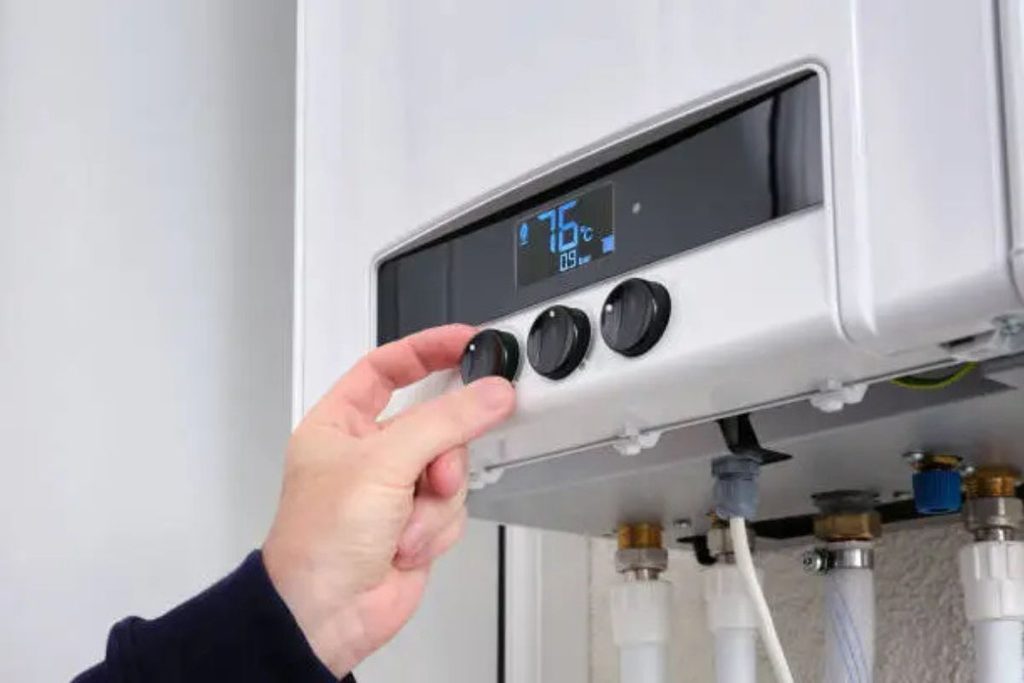
Modern boilers contain safety systems designed to shut the appliance down if a problem is detected. Depending on the boiler, you may also see an error or fault code displayed on the control panel.
Repeated shutdowns can potentially be linked to issues with water pressure, thermostats, pumps, sensors or internal components.
Rather than continually resetting the boiler, arrange for the underlying fault to be identified.
5. You Are Not Getting Consistent Hot Water
Fluctuating water temperature is another common indication that a boiler may need attention.
You might notice that the shower suddenly becomes cold, hot water takes longer to arrive, or taps never seem to reach the temperature they used to.
For combination boilers, inconsistent hot water can sometimes be related to components such as the diverter valve, heat exchanger or temperature sensors.
If your hot water supply becomes increasingly unreliable, having it checked before winter could prevent a complete loss of hot water later.
6. Your Energy Bills Have Increased Unexpectedly
Energy prices naturally fluctuate, so a higher bill does not automatically mean there is something wrong with your boiler.
However, if your energy usage appears to be increasing without any obvious change in your household habits, an inefficient heating system could be contributing to the problem.
As boilers age, components can become worn or dirty, forcing the appliance to work harder to produce the same amount of heat.
A qualified heating engineer can inspect the system and identify whether repairs, maintenance or potentially replacing an ageing boiler would improve efficiency.
7. You Can See Water Around the Boiler
Water leaking from a boiler should always be investigated.
Even a relatively small amount of water can indicate a damaged seal, loose connection, pressure problem or failing internal component.
Leaks also have the potential to damage nearby flooring, walls, electrical components or kitchen units.
Do not attempt to dismantle it yourself to locate the source of a leak. Boilers contain gas, electrical and pressurised components that should only be worked on by appropriately qualified professionals.
8. The Boiler Frequently Displays Error Codes
Modern boilers are designed to detect faults and display corresponding error codes.
An occasional fault following a temporary pressure issue may be straightforward to resolve, but recurring error codes suggest that something requires further investigation.
Make a note of the code displayed before resetting the boiler.
The engineer can use the code alongside diagnostic testing to help determine what is causing the problem.
If your boiler repeatedly locks out during colder weather, arranging an inspection sooner rather than later can reduce the chances of being left without heating.
9. There Is an Unusual Smell Near the Boiler
A properly functioning boiler should not normally produce noticeable smells.
Burning, metallic or unusual odours should therefore be taken seriously.
If you smell gas, you should treat the situation as an emergency. Avoid using electrical switches or naked flames, ventilate the property where safe to do so, leave the property if necessary and contact the National Gas Emergency Service.
Carbon monoxide itself has no smell, which is why every household with gas appliances should also have working carbon monoxide alarms.
If you experience persistent boiler problems or suddenly lose heating and hot water, arranging an emergency boiler repair in London can help get the fault professionally assessed rather than continuing to operate a potentially unsafe appliance.
10. Your Boiler Is Becoming Increasingly Unreliable

Sometimes there is no single dramatic fault.
Instead, you may notice several smaller problems developing over time:
- The boiler needs resetting more frequently
- Heating takes longer to start
- Water temperature fluctuates
- Pressure needs regular adjustment
- Strange noises appear intermittently
- Fault codes occasionally appear
Individually, these problems might seem minor. Together, however, they can suggest that components are deteriorating.
Having the boiler inspected before temperatures fall gives you the opportunity to deal with these problems before the system is under maximum demand.
Why Boiler Problems Often Appear During Winter
Boilers generally work much harder during colder weather.
During summer, you may only use the boiler for hot water. Once winter arrives, it may operate for several hours every day to heat the entire property.
That additional workload can expose weaknesses in pumps, valves, sensors and other components that were less noticeable during warmer months.
This is one reason autumn is a good time to check that your boiler is operating correctly.
Should You Repair or Replace an Older Boiler?
Not every boiler problem means that the appliance needs replacing.
Many common faults can be repaired relatively quickly, particularly when the boiler is otherwise in good condition.
However, replacement may become worth considering if the boiler is particularly old, inefficient or experiencing repeated expensive failures.
Factors to consider include:
- The boiler’s age
- The cost of the proposed repair
- How frequently faults occur
- Availability of replacement parts
- Current energy efficiency
- Manufacturer warranty status
A heating engineer should be able to explain the condition of the boiler and whether repairing it remains economically sensible.
Prepare Your Boiler Before Cold Weather Arrives
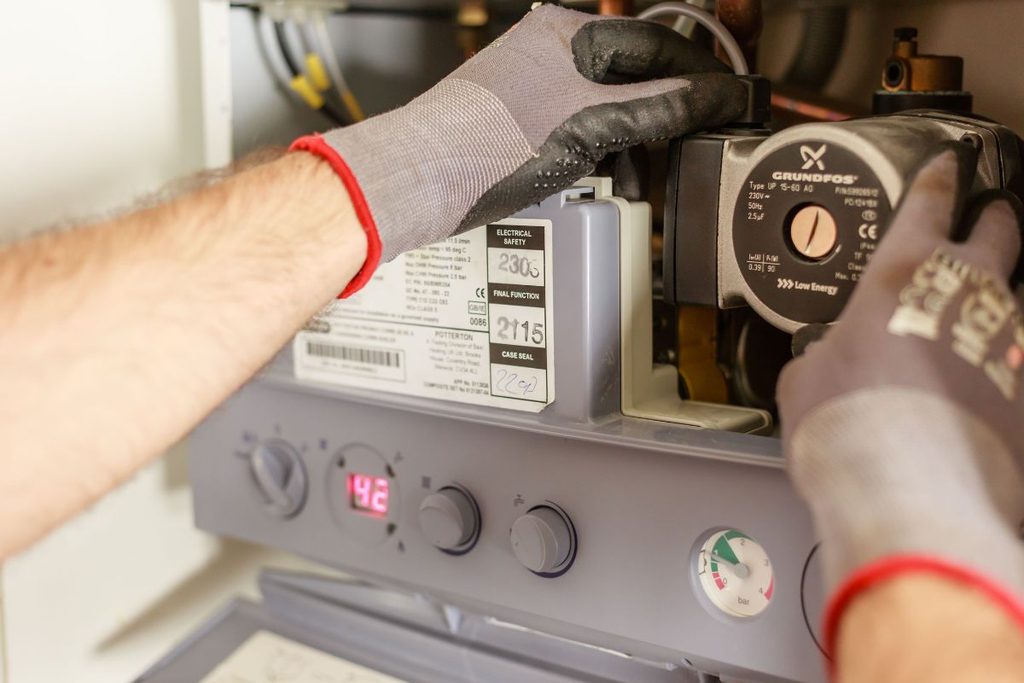
The worst time to discover that your boiler has a problem is during the first freezing week of winter.
If your boiler has started behaving differently, losing pressure, making unusual noises or struggling to heat your home, dealing with the problem early can save considerable inconvenience later.
Check the system periodically, ensure carbon monoxide alarms are working, and arrange professional attention whenever you notice persistent faults.
A relatively small repair completed before winter can often prevent a much more disruptive boiler breakdown when you need your heating most.
Images supplied courtesy of unsplash.com and pexels.com