The word sustainability has been watered down recently, with many brands profiting from consumer efforts to be more eco-friendly. As a result, many people have become disenfranchised with the idea of being more sustainable seeing the concept as more of a meaningless buzzword than the vital directive it is.
Despite this, there are concrete and tangible ways to do your bit from the environment and using sustainable materials in your home is one of them.
In this article, we’ll explain what sustainable materials are, their benefits, and three ways you can use them in your home.
What are sustainable materials?

Sustainable materials are products that are produced, used and disposed of in an environmentally responsible manner. In other words, their doesn’t deplete non-renewable resources or upset the environments equilibrium.
There’s a wide range of materials that fall into this category. For example, treated timber is a sustainable and eco-friendly material that’s typically sourced from sustainably-managed forest. It can also last for decades, removing the need for frequent replacement and natural resource depletion.
Other examples of sustainable materials include hemp, wool, linen, straw, clay, glass, stone, sand, beeswax, and coconut.
What are the benefits of using sustainable materials?
There are numerous benefits that using sustainable materials offers you. These include:
- Lower carbon footprint – Using these materials helps create a better world for future generations. In the midst of an intensifying climate crisis, it offers you a way to improve the impact your have on the environment.
- Better health – Synthetic materials are often toxic and hazardous and having them in your home can be a detriment to your health over the long term. On the other hand, sustainable materials are not only made in a cleaner manner but are also themselves better for your health.
- Less maintenance – Sustainable materials tend to be more durable, meaning that they last longer and need less maintenance over their lifetime.
Three ways to use sustainable materials in your home
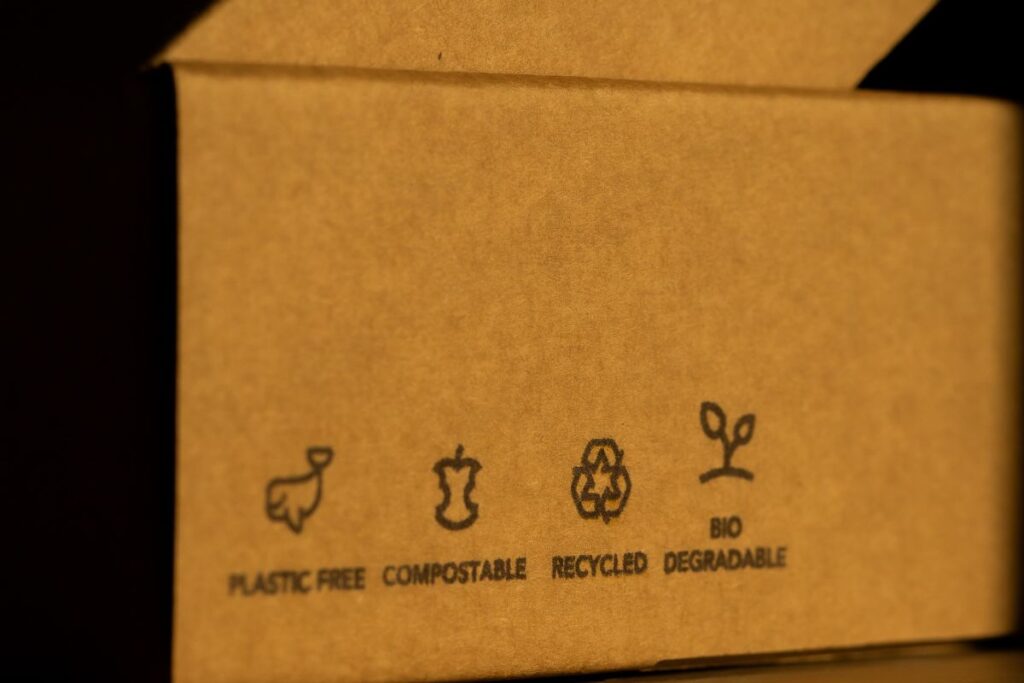
So, what are some ways you can actually incorporate sustainable materials into your home? We share three ideas below.
- Insulate with wool
Traditional fibreglass insulation is hazardous to health. Not only is it a skin irritant but it could also be carcinogenic if inhaled. Wool insulation offers a much healthier alternative. As well as being eco-friendly and easily replenishable, wool is just as effective at preserving heat and minimising energy bills thanks to its fibres forming millions of tiny air pockets that trap air. It also has the added benefit of being naturally fire-retardant.
- Get bamboo floors
While most homes use woods like oak or pine for flooring, people are starting to see the value of bamboo as an alternative. This wood is one of the fastest-growing plants on the planet and can be harvested every three to seven years – in contrast to the decades long growth time of traditional hardwood. It’s also highly moisture-resistant, meaning it doesn’t need as replacing as often as traditional hardwoods.
- Use recycled glass
Glass is said to be almost infinitely recyclable. It’s also incredible easy to use in your home. You can transform excess glass into tiles, tables, countertops. It can also be transformed into tumbled glass mulch – a special material that looks like little colourful pebbles. Having no sharp edges, it makes the perfect sustainable material for pathways in your yard.
How will you be using sustainable materials in your home?
Images courtesy of unsplash.com and pexels.com