I used to think my shed was indestructible. Built it myself in 2018, used decent timber, felt pretty chuffed with the result. Then 2021 happened – the wettest spring I can remember – and suddenly my “maintenance-free” shed needed serious attention. That’s when I learned the hard truth about garden building upkeep.
After speaking with three professional shed builders and a timber preservation specialist, I’ve discovered there’s no one-size-fits-all answer to maintenance frequency. But there are some clear patterns that every shed owner should know about.
The Reality Check Most People Need
Here’s what caught me off guard: even the best-built sheds need regular attention. I met with Sarah Thompson, a specialist from Garden Buildings Direct for twelve years, and she put it bluntly – “People think buying quality means buying maintenance-free. That’s not how timber works.”
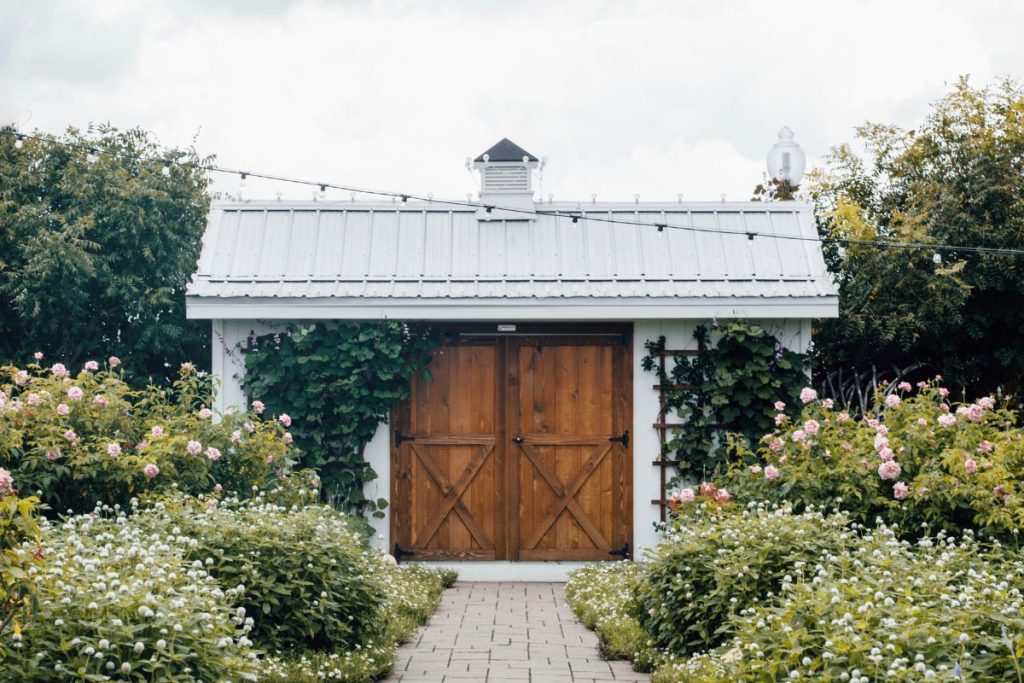
She’s right. I’ve seen £3,000 sheds fall apart faster than £500 ones, simply because the owners assumed expensive meant indestructible. The difference isn’t whether you need maintenance – it’s how much and how often.
What the Professionals Actually Recommend
Every Three Months (Seasonal Checks) This surprised me initially, but it makes sense once you think about it. British weather changes dramatically between seasons, and your shed feels every bit of it. I now spend 30 minutes each season doing a walk-around inspection.
Look for loose screws, check door alignment, test window latches. Nothing fancy, just making sure everything still works as intended. Last autumn, this routine caught a loose roof panel before the winter storms hit.
Every Six Months (Deep Inspection) This is where you get properly hands-on. I learned this from Mark Stevens, a timber specialist who’s been in the business for 25 years. He showed me how to check for early signs of rot, test structural joints, and assess the condition of protective treatments.
The key areas? Base contact points, roof edges, and anywhere different materials meet. These spots collect moisture and cause 90% of serious problems.
Annually (Treatment and Major Maintenance) Most garden storage sheds need fresh treatment every 12-18 months, depending on exposure and timber type. I used to skip this, thinking the original treatment would last longer. Big mistake.
Now I budget £50-80 annually for wood preservative and spend a weekend in spring applying it. The difference is remarkable – my shed looks better now than it did three years ago.
The Weather Factor Nobody Talks About
Location matters more than most people realise. My shed faces southwest and gets hammered by driving rain. My neighbour’s identical shed, tucked behind his house, needs half the maintenance I do.
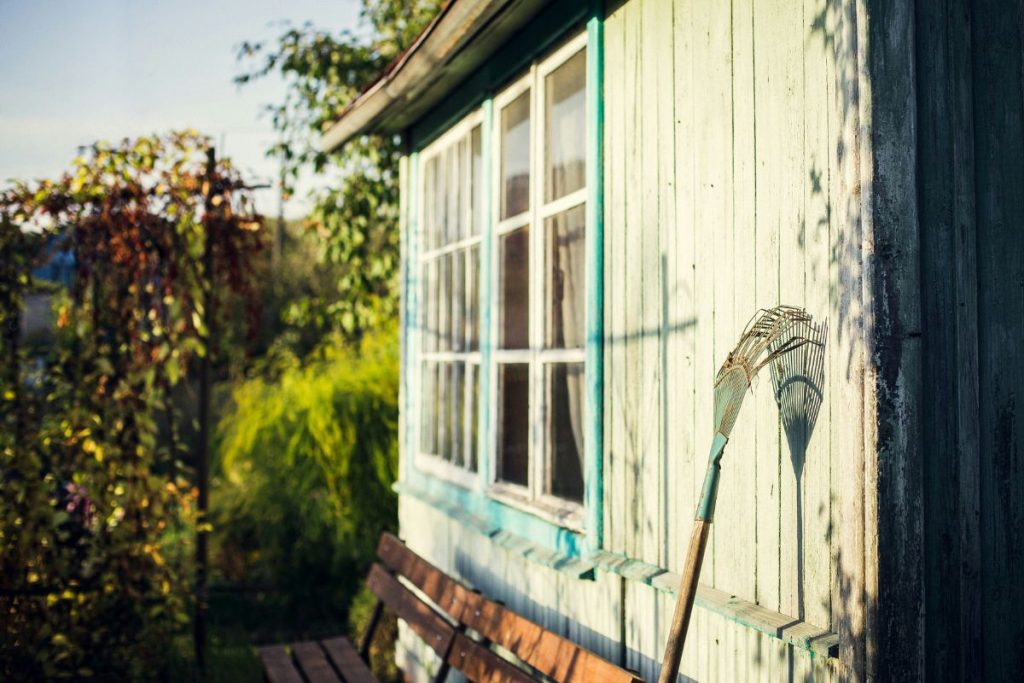
If your shed gets full sun exposure, you’re looking at more frequent treatment cycles. UV damage is real, and it happens faster than you’d expect. I learned this when one side of my shed started showing wear after just eight months.
Coastal areas are brutal too. The salt air accelerates corrosion of metal components and can cause timber to deteriorate faster. If you’re within five miles of the coast, bump up your maintenance schedule by about 30%.
Signs You’re Already Behind Schedule
I wish someone had told me these warning signs earlier:
Doors that stick or won’t close properly usually mean the frame is moving. This isn’t just annoying – it’s often the first sign of foundation problems or structural settling.
Discoloured patches on timber, especially around joints or hardware, typically indicate moisture penetration. I ignored these on my first shed and ended up replacing entire panels.
Gaps appearing between boards or around windows mean the structure is shifting. Address this quickly, or you’ll be dealing with water damage soon enough.
The Cost of Getting It Wrong
I learned this lesson expensively. Skipping maintenance for two years cost me £400 in repairs that could have been prevented with £100 worth of annual upkeep. The rot that developed in my base frame required professional intervention and partial rebuilding.
But it’s not just about money. There’s the frustration of dealing with a shed that doesn’t work properly, the time lost to emergency repairs, and the stress of wondering if the whole thing needs replacing.
Making Maintenance Actually Manageable
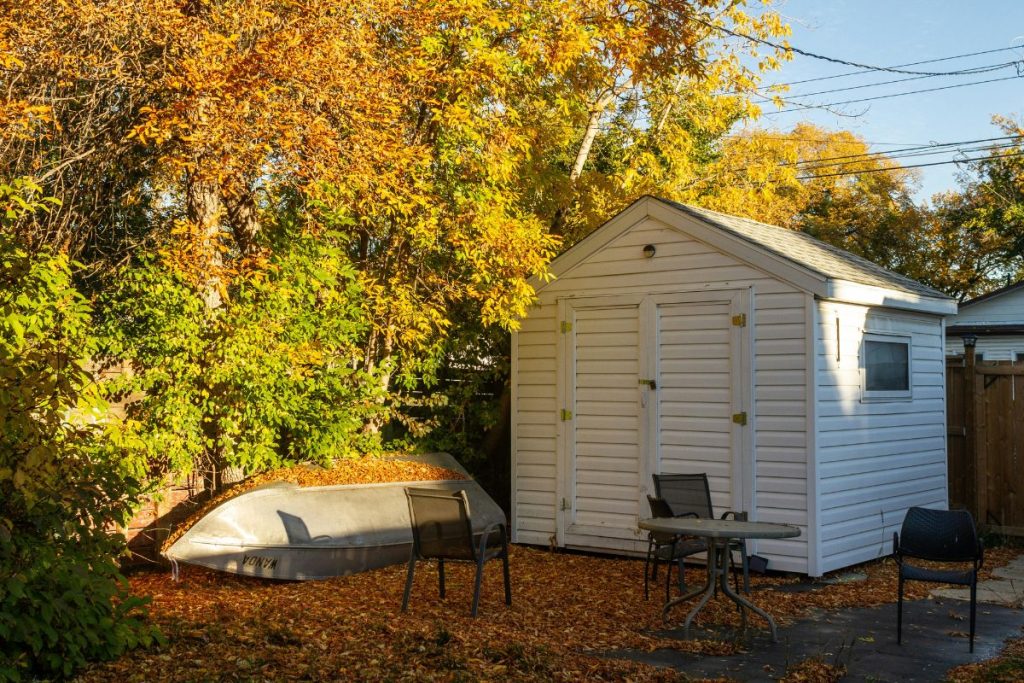
The secret is building it into your routine rather than treating it as a separate chore. I now combine shed maintenance with other garden tasks – checking the shed while I’m already outside working makes it feel less like extra work.
Keep a simple log too. I use my phone to photograph any issues I spot, with dates. This helps track how problems develop and proves invaluable when deciding whether to repair or replace components.
The Bottom Line on Shed Maintenance
Regular maintenance isn’t optional if you want your shed to last. But it doesn’t have to be overwhelming either. A few minutes every few months, plus one proper session annually, will keep most sheds in excellent condition for decades.
The professionals I spoke with all agreed on one thing: consistent small efforts beat sporadic major interventions every time. Your shed will last longer, work better, and cost less to maintain in the long run.
Start with a seasonal inspection routine, and you’ll quickly develop an eye for what needs attention. Trust me – your future self will thank you for it.
Images courtesy of unsplash.com and pexels.com