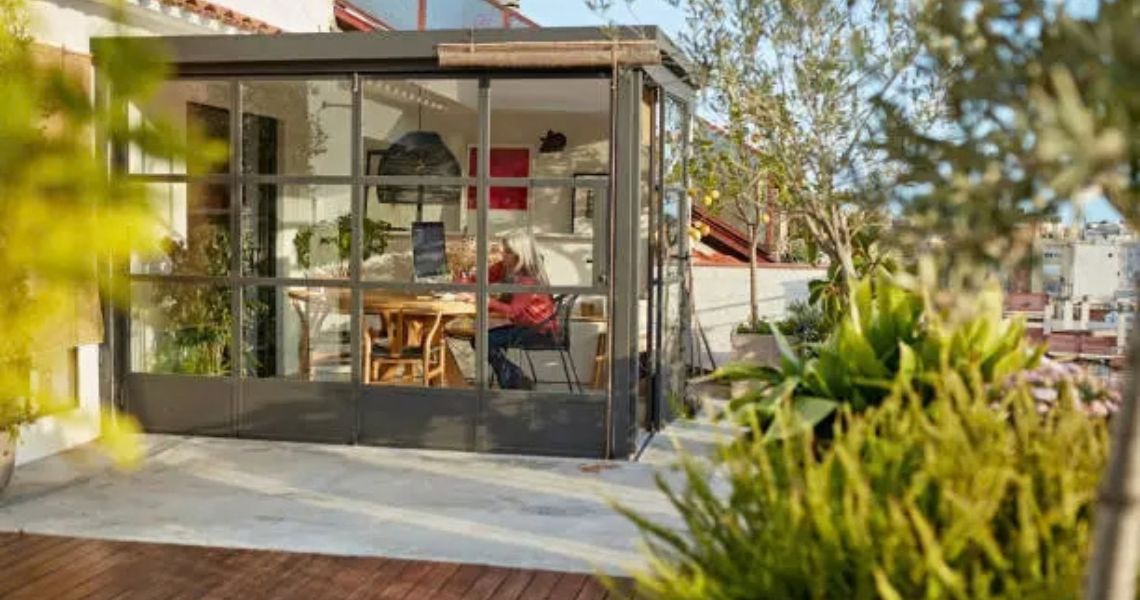
Natural grass and British weather are a poor match. Rain arrives without warning. Frost kills roots. Summer heat scorches what the winter left behind. Homeowners reseed in spring, mow through summer, and watch the whole effort collapse before October.
More households have stopped accepting that cycle as inevitable. Artificial grass is the practical exit from it and makes perfect garden makeovers.
Why British Weather Demands Specific Garden Materials
Rain does not need to be extreme to cause problems. Natural turf cannot stay presentable under sustained moisture. Waterlogging happens fast. Mud patches follow. Damp corners never recover between storms, especially after periods of persistent rainfall.
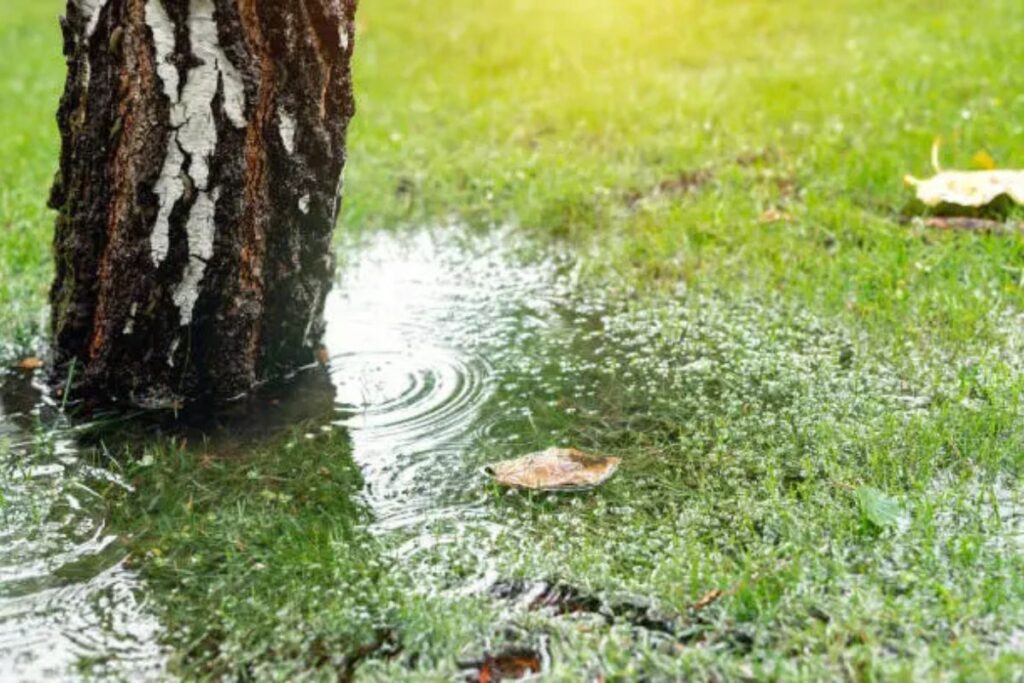
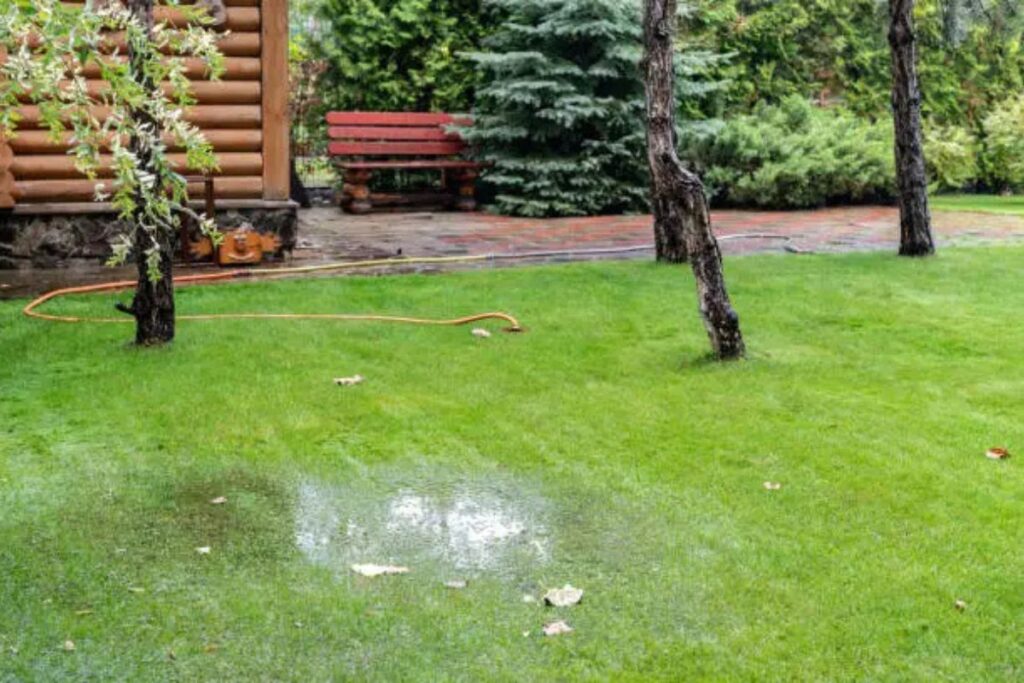
Cold finishes what the rain started. Winter temperatures can drop below freezing, while summer occasionally hits thirty. Grass thins at one extreme, freezes at the other. Bare patches appear after frost and spread faster than they recover. Few natural surfaces handle that temperature range without deteriorating visibly year on year.
More UK homeowners are treating the lawn as a practical problem rather than a fixed feature. Not aspirational. Practical. Permeable artificial grass moves water through the surface rather than holding it on top. UV stable fibres hold colour when the sun does appear. The surface stays consistent across the conditions that defeat natural turf.
Selecting Artificial Grass That Handles UK Climate Extremes
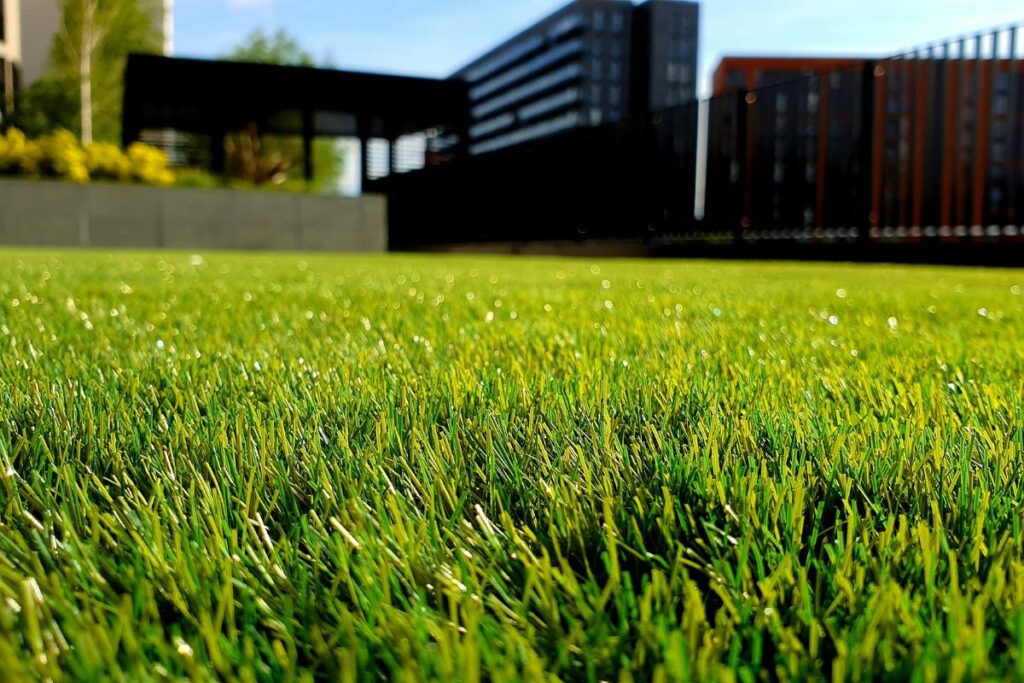
Pile height determines how the surface performs across seasons. Thirty to 40 millimetres covers most UK gardens well. Below 30mm the surface runs hard underfoot. Above 40mm water lingers rather than draining. The middle range handles wet winters and dry summers without sacrificing either drainage or comfort underfoot.
Backing quality, drainage and stitch density affect long term performance more than appearance does. A surface that drains well, holds its colour and keeps its fibres in place will cope better with heavy rain, sunny spells and daily use.
Urmston Grass brings the decision back to what matters in British garden makeovers: how the surface drains, how it feels underfoot and how well it holds up through rain, sun and regular use. Pet friendly options with antimicrobial coatings are worth asking about if dogs or cats use the garden regularly.
Backing and Drainage Considerations
UK winters put outdoor surfaces through repeated cold and thaw. A strong backing helps the grass cope when temperatures shift suddenly. Clay heavy soil is common across Greater Manchester and parts of London, which makes drainage even more important. If water cannot move away properly, standing water becomes the first visible problem after sustained rainfall.
Shock pad underlays sit beneath the surface and add cushioning for children and pets. In gardens where natural drainage runs slow, the underlay accelerates water movement through the system. That difference shows most clearly after prolonged wet spells. For rooftop gardens and raised beds, increasingly common across London properties, the underlay also adds structural stability the garden surface alone cannot provide.
Installation Methods for Long-Term Weather Resistance
A good installation starts below the surface. A stable stone base helps the area stay level through wet weather, cold snaps and regular use. A layer of sharp sand then helps create the flat finish the grass sits on. If that base is too shallow, uneven or rushed, the problems usually show later: pooling water, soft patches and edges that start to move before the surface itself has worn out.
Geotextile membrane sits beneath the sub-base. Without it, weed growth pushes through within a season or two regardless of how well everything else was installed. Perimeter fixing with galvanised nails every 150 millimetres keeps edges down against wind uplift. Exposed gardens and rooftop spaces need this particularly, because trip hazards become harder to manage once loose edges start lifting.
Smaller gardens can work as DIY projects when the ground is simple and the preparation is done properly. Larger spaces, awkward shapes or poor drainage usually need professional installation. The base preparation determines how the surface performs for years, so this is not the stage to rush.
Infill Options and Their Effect on Performance
Silica sand is the standard choice for residential gardens. It keeps fibres upright, stabilises the surface, and provides a reliable base for general garden use. Under climbing frames and swings, rubber crumb adds shock absorption that sand alone does not provide. Falls happen in those zones. The infill makes a practical difference to safety there.
Cork and coconut fibre run cooler than rubber crumb when the afternoon sun hits directly. Summer temperatures inside rubber crumb infill can climb noticeably. For south-facing gardens that catch full sun, that surface temperature difference is a real consideration. For most family garden makeovers, the infill only needs to support the surface without making it feel too firm or too loose.
Maintenance Requirements Across British Seasons
Mowing stops. Feeding stops. Reseeding after frost damage stops. What remains is straightforward. A stiff brush monthly restores pile direction that foot traffic and autumn leaves flatten over time. Quarterly rinsing prevents algae from establishing in the damp microclimates that Manchester and London gardens produce regularly.
Spring pollen disappears with a hose. Pet waste clears with an antibacterial rinse. Frost melts off the surface without damage and without the salt or chemical treatments that harm surrounding plants. No major seasonal rescue job required.
Across a full year, artificial grass usually asks for less upkeep than natural lawn care. Mowing, feeding, scarifying and patch repair add up in both time and effort. Artificial grass removes much of that routine. Over time, the surface earns its place by reducing the work that usually comes back every year.
For most homeowners, the appeal is simple. A garden should not disappear every time the weather turns. When the surface drains well, holds its shape and needs less recovery after rain, the space becomes easier to use throughout the year. That is the real value of artificial grass for garden makeovers: not a perfect looking lawn, but a garden that stays part of daily life.
Images courtesy of unsplash.com, pexels.com and freepix.com