In many households, the kitchen carries most of the daily activity. Mornings start here, school bags pass through, meals are prepared in a hurry, and conversations overlap with chores. When surfaces fill up quickly and storage becomes difficult to manage, the room can shift from functional to overwhelming in a short time.
A calmer kitchen does not require major renovation. It starts with small decisions that make movement easier and reduce visual noise. When storage works well, when the layout supports everyday tasks, and when the atmosphere feels grounded, the space becomes a steadier part of family homes and life.
Understanding How Calm Kitchens Work
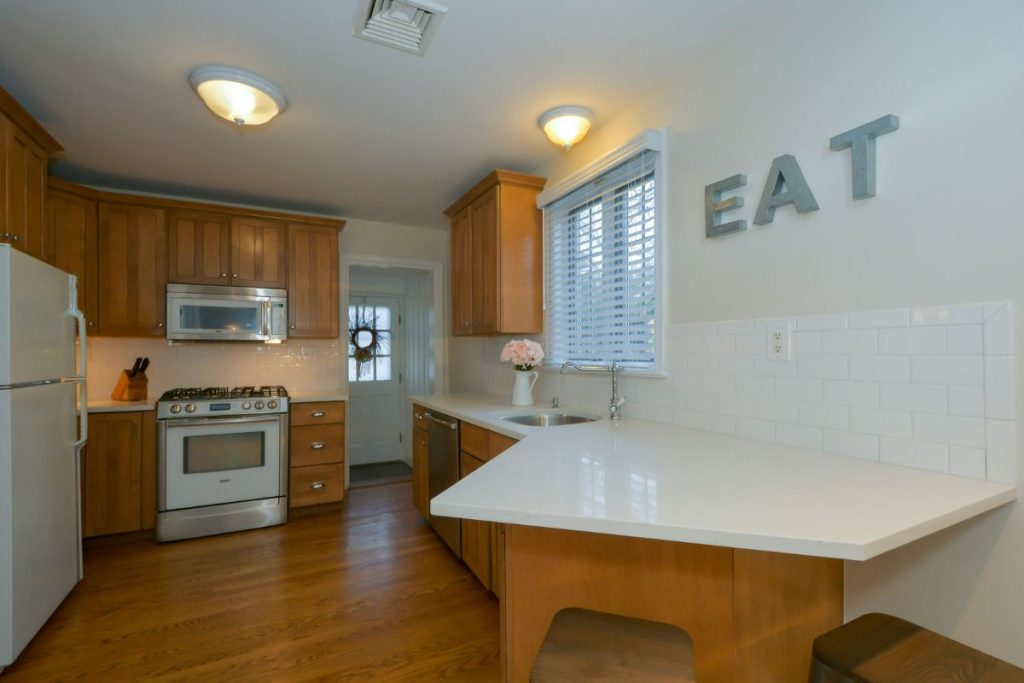
A kitchen that feels calm depends on rhythm. Families move more easily when pathways stay clear and when objects sit exactly where they are expected. Even simple adjustments can change the entire flow of the day, especially when the space aligns with kitchen layout psychology and supports predictable routines. A single drawer dedicated to lunchbox containers can stabilize mornings, while a defined spot for school essentials prevents the usual rush before leaving the house.
Clutter builds when the space does not match the way the family uses it. Reorganising with this in mind often creates the biggest improvements. Many households discover that once the pressure points are identified, the room naturally becomes easier to navigate.
Optimised Storage That Reduces Stress
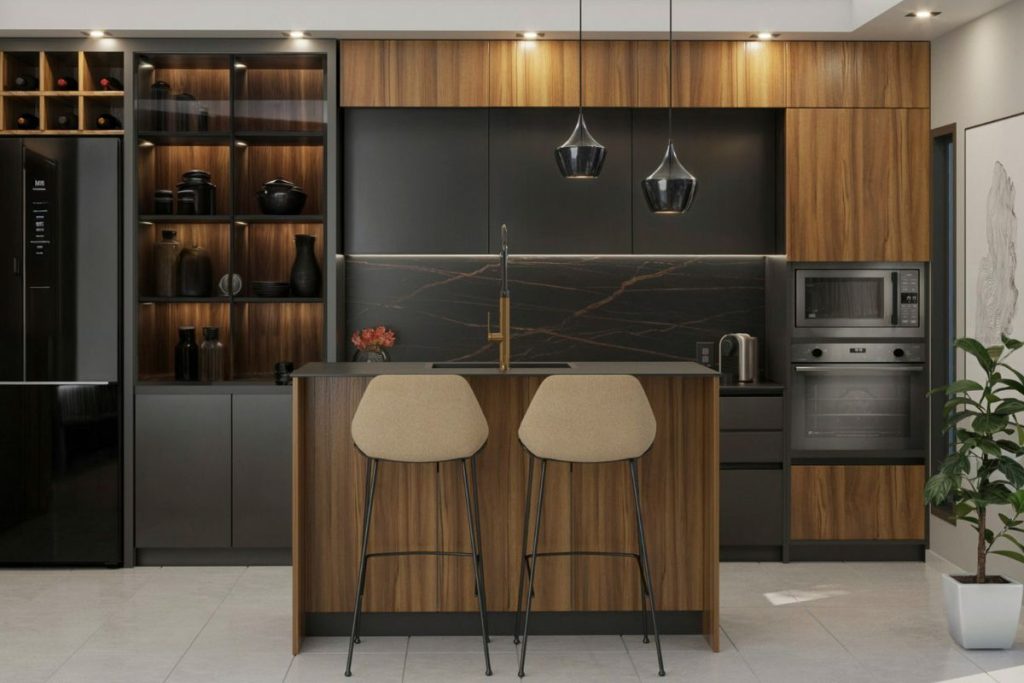
Visual clutter is one of the main reasons a kitchen feels tense. When worktops are full, even basic tasks become harder. Good storage transforms the experience of using the room. Deep drawers help families avoid bending to reach items pushed to the back of low cupboards. Pull-out pantry systems keep ingredients visible and reduce unnecessary searching. Corner mechanisms recover space that would otherwise stay unused, while dividers keep trays and boards neatly separated.
As homeowners refine these elements, many turn toward bespoke doors and worktops UK providers to solve awkward gaps and adapt furniture to their exact kitchen dimensions. Custom solutions prevent clutter from forming in spaces that traditional units do not reach, creating a clearer and more spacious feel without changing the room’s footprint.
When storage becomes intuitive, worktops stay open longer, cooking becomes less chaotic, and the kitchen regains a sense of order that benefits the entire household.
Lighting and Colour Choices That Support Calm
Light has a strong influence on how a kitchen feels throughout the day. Natural daylight softens the room and instantly reduces the heaviness that appears in spaces used under time pressure. Clearing window sills, choosing lighter curtains, and adding surfaces that reflect light can brighten work areas without structural changes.
Artificial lighting should adjust to different needs. Overhead lights support cooking, while softer evening lighting encourages a slower pace once meals are finished. Task lights under cabinets improve visibility during food preparation, preventing shadows and strain.
Colour plays a similar role. Soft neutrals and muted tones reduce visual interruptions and help the room feel more spacious. Many families prefer warm greys, gentle blues, or pale greens because they create a balanced atmosphere. Washable matt finishes also help maintain a tidy look, especially when children move constantly through the space.
Choosing Durable, Low-Maintenance
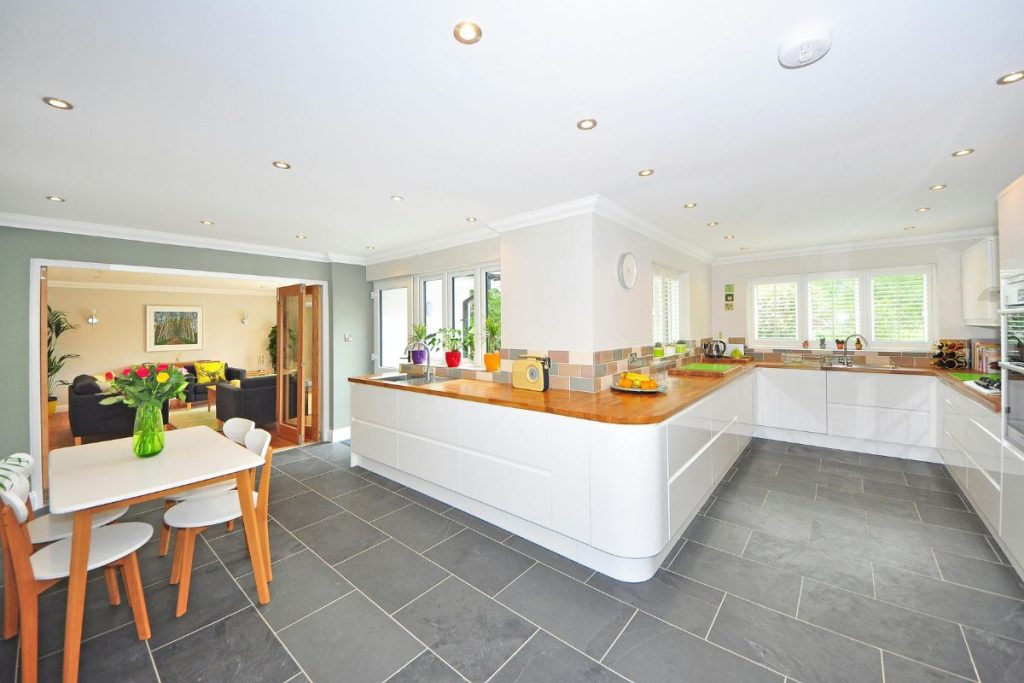
Family kitchens experience heavy daily use. Reliable materials reduce stress by keeping the room functional without demanding constant care. Quartz worktops resist stains and scratches, vinyl-wrapped MDF doors stay stable and easy to clean, and solid wood adds character for those who prefer a natural look. Flooring also plays a significant part. Water-resistant laminate or luxury vinyl tile reduces maintenance effort and handles high traffic well.
When all materials contribute to ease of use, the kitchen becomes more predictable. Surfaces stay cleaner, small accidents are simpler to manage, and the room maintains a well-kept appearance even during busy weeks. This kind of stability mirrors the principles behind low-maintenance home materials, where thoughtful choices reduce everyday effort and help the space feel calm even when routines are full.
Creating Clear Zones for Daily Activities
Modern kitchens support many overlapping tasks. Cooking blends with conversation, homework, planning, and quick meals. Without structure, these activities collide. Clear zones resolve this by helping everyone understand where specific tasks happen.
A preparation area placed near the fridge and sink reduces unnecessary movement. Cooking becomes easier when utensils, pans, and ingredients sit within reach. Cleaning moves faster when the dishwasher, sink, and waste bins are grouped logically. Storage works best when items are grouped in ways that match daily use.
Many families also introduce a small activity area. A corner of an island or a breakfast nook can become a supervised homework space if lighting and seating are arranged thoughtfully. This keeps children nearby without interrupting meal preparation.
Subtle boundaries, such as a partial wall, a shift in flooring material, or the placement of a central island, help define each zone while keeping the kitchen open and welcoming.
The Emotional Effect of a Calm Kitchen
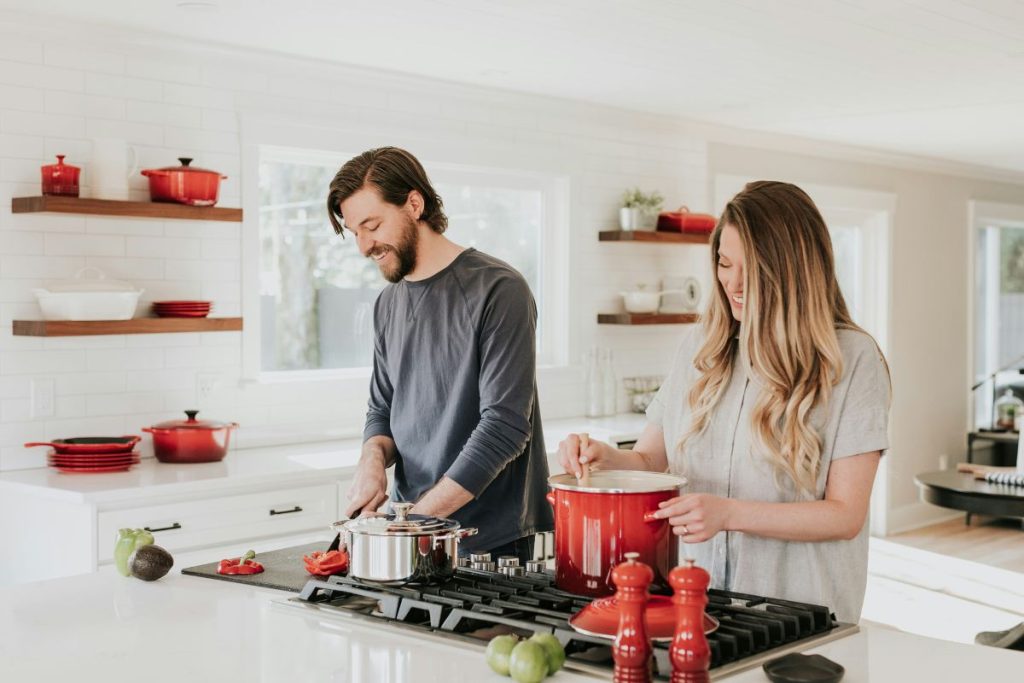
A kitchen that feels stable influences far more than food preparation. It shapes how mornings begin and how evenings wind down. When the environment feels orderly, people tend to communicate more clearly and move with less frustration. Children settle into routines faster, and adults experience fewer interruptions.
Studies show that organised, well-lit spaces reduce cognitive load. In a family setting, this often translates into smoother transitions, fewer disagreements, and more time spent enjoying the room instead of managing it. These effects align closely with kitchen mental wellbeing, where calm surroundings support clearer thinking and steadier emotional balance throughout the day.
A calm kitchen becomes a form of everyday support. It helps families stay centred in a space they depend on multiple times a day.
Bringing It All Together
Transforming a family kitchen into a calmer space comes from understanding how the room is used, identifying the areas that create stress, and choosing practical solutions that match real routines. When storage becomes intuitive, when light supports different moments of the day, and when materials reduce maintenance effort, the room slowly shifts from a hectic hub into a steady, reliable part of daily life.
A kitchen designed with intention offers more than convenience. It creates a sense of stability, supports clearer routines, and encourages a more peaceful rhythm for the entire household.
How Layout Influences Daily Flow
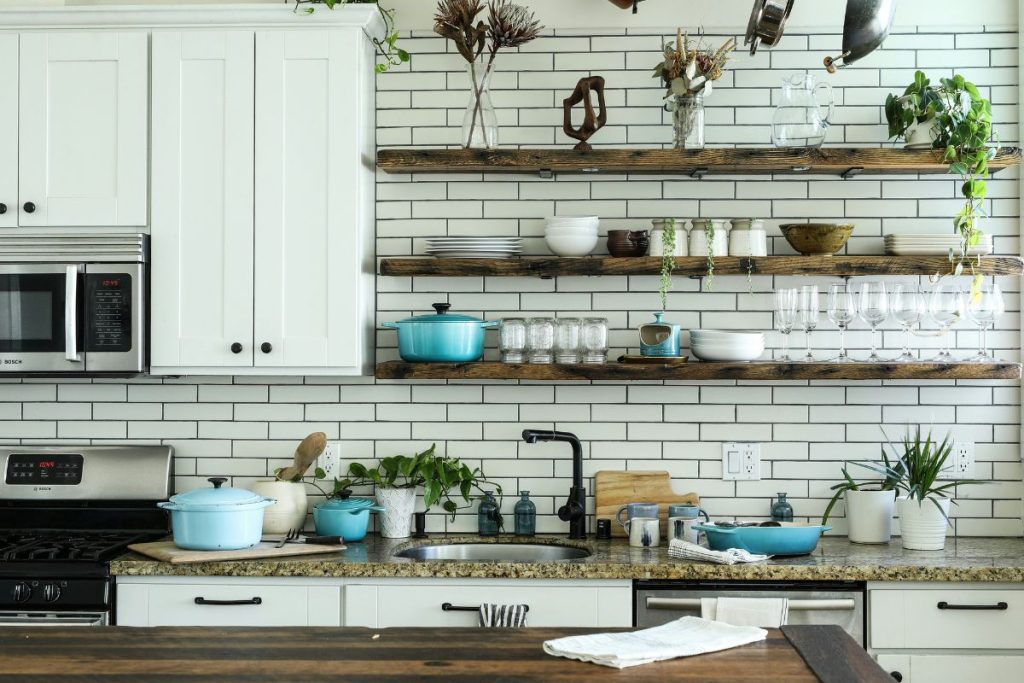
The flow of a kitchen shapes the pace of an entire day. When movement through the room feels natural, people complete tasks with less effort. When the layout forces detours or creates bottlenecks, minor frustrations accumulate. This is especially noticeable in homes where several people share the space at once.
Families benefit from layouts that reduce back-and-forth movement, because a space that supports kitchen workflow efficiency helps people complete tasks with less effort. Positioning the fridge, sink, and preparation area within easy reach keeps food preparation steady, while grouping plates and cutlery near the dishwasher shortens cleanup. Small changes like storing snacks and packed-lunch ingredients together prevent children from wandering through cooking zones during busy moments, reducing the stop-start interruptions that often make kitchens feel chaotic.
Open-plan kitchens remain popular, yet they introduce challenges. Noise travels more easily, and activities blend without clear boundaries. To keep a sense of calm, some households introduce soft zoning through furniture placement, lighting shifts, or subtle changes in flooring. These visual cues guide movement without closing the space off.
Design Choices That Support Family Routines

If meal preparation happens at the same time each day, it helps to maintain an uncluttered central area that allows multiple hands to contribute without stepping over one another. If children tend to work nearby, creating a surface where they can spread their books without encroaching on cooking space prevents cross-traffic and reduces stress for everyone.
Families with young children often benefit from lower shelves that allow kids to reach their own cups or snacks. This encourages independence and keeps adults from interrupting tasks to fetch essentials. In contrast, households with teenagers may prioritise large-capacity storage and durable surfaces due to heavier use and varied schedules.
Kitchen organisation evolves as families grow. Early childhood requires safety and visibility. Older children require structure and independence. Adults require efficiency. A calm kitchen accommodates every stage by keeping its systems adaptable and easy to update as life changes, especially when design decisions reflect family-centered home design that supports everyday routines and predictable movement through the space.
Sound and Texture as Tools for Calm
Many people focus on colour and lighting but overlook sound and texture when designing calmer spaces. The acoustic quality of a kitchen shapes the emotional experience more than expected. Hard surfaces such as stone, tile, and steel amplify noise, especially when several people are active simultaneously. Introducing softer elements, such as fabric seating, wooden stools, textured rugs in low-risk areas, or acoustic panels designed for kitchens, helps reduce echo and soften the overall sound.
Texture also contributes to the room’s identity. A mix of smooth and tactile materials creates balance and prevents the sterile feeling that often appears in highly modern kitchens. Soft grains in wood, brushed finishes on metal, or lightly textured splashbacks can make the environment more inviting. These subtle layers bring warmth without compromising functionality, and they reinforce the principles of tactile kitchen design by shaping how the space feels during everyday routines.
A kitchen that feels good to the senses encourages slower pacing. When sound levels drop and materials feel natural, the room becomes more pleasant to use, even during fast-moving parts of the day.
Smarter Use of Vertical Space
Many kitchens feel crowded simply because their vertical space is underused. Walls offer opportunities for storage and organisation that help reduce pressure on worktops. Open shelving works well for items used daily, provided it remains curated and not overloaded. Tall cupboards create generous storage for baking trays, small appliances, and bulk ingredients that do not belong on display. These choices reflect many practical vertical kitchen storage ideas, helping families use wall space more efficiently and reduce pressure on crowded worktops.
Magnetic strips for knives, rails for utensils, or slim wall-mounted racks free space inside drawers and keep essentials in easy reach. In compact kitchens, vertical planning can transform how the room feels. A well-positioned shelf or tall cabinet removes visual clutter at ground level and draws the eye upward, giving the impression of a more spacious interior.
The Role of Smell and Fresh Air in a Calm Kitchen
A calm kitchen engages more than visual order. Fresh air and pleasant scents influence mood almost instantly. Good ventilation prevents cooking smells from lingering into the evening. Opening windows during meal preparation or using quiet extraction systems helps keep the room feeling clean and breathable. These approaches align with practical kitchen ventilation tips that focus on maintaining steady airflow and creating a fresher, calmer environment for everyday routines.
Small choices like keeping herbs near natural light or introducing subtle natural fragrances can encourage a more grounded atmosphere. Families often find that when the air feels fresh, the room naturally feels lighter. Clean scents signal that the environment is well maintained, even if the day is busy.
Maintaining Calm Through Daily Habits

Even the best-designed kitchens rely on habits to remain calm. A short reset in the evening – wiping surfaces, clearing the sink, and returning items to their zones – prepares the room for the next morning. When tasks are distributed logically, these routines take far less time.
Families often develop their own approaches. Some reset the kitchen right after dinner. Others do it before bed. Children may be responsible for unloading the dishwasher each morning or returning items to the activity zone after homework. When the responsibilities match the layout, everyone contributes without friction.
Daily maintenance becomes easier when the kitchen is designed to support it. Everything has a place. Movement follows a familiar pattern. The environment works with the family instead of against it.
A calm kitchen is built through simple decisions that support your daily family rhythm. When the room works with you, routines become smoother and the home feels more grounded. Even small adjustments can transform the kitchen into a space that brings ease rather than pressure.
Images courtesy of unsplash.com and pexels.com