Sun-dappled deck, weekend breakfast brewing, zero chores tugging at your sleeve— that’s the low-maintenance garden life many of us crave. When it comes to shaded lounging, two gazebo materials dominate the conversation: aluminum and timber. Both can look gorgeous, yet they behave very differently over time.
Below, you’ll find a side-by-side guide that weighs real-world upkeep, cost over five years, and design flexibility so you can pick a structure from these gazebos that lets you relax more and refinish less.
Aluminium Perks
- Stays sharp with little effort. Powder-coated frames shrug off rain, frost, and UV rays; a quick hose-down each spring is all most owners ever do.
- Long service life. Aluminium won’t rot, warp, or invite termites, keeping its shape decade after decade.
- Modern, uniform finishes. From muted charcoal to crisp white, baked-on colors stay true without repainting.
- Sustainability points. Most aluminum already contains recycled content and is itself 100 % recyclable at the end of life.

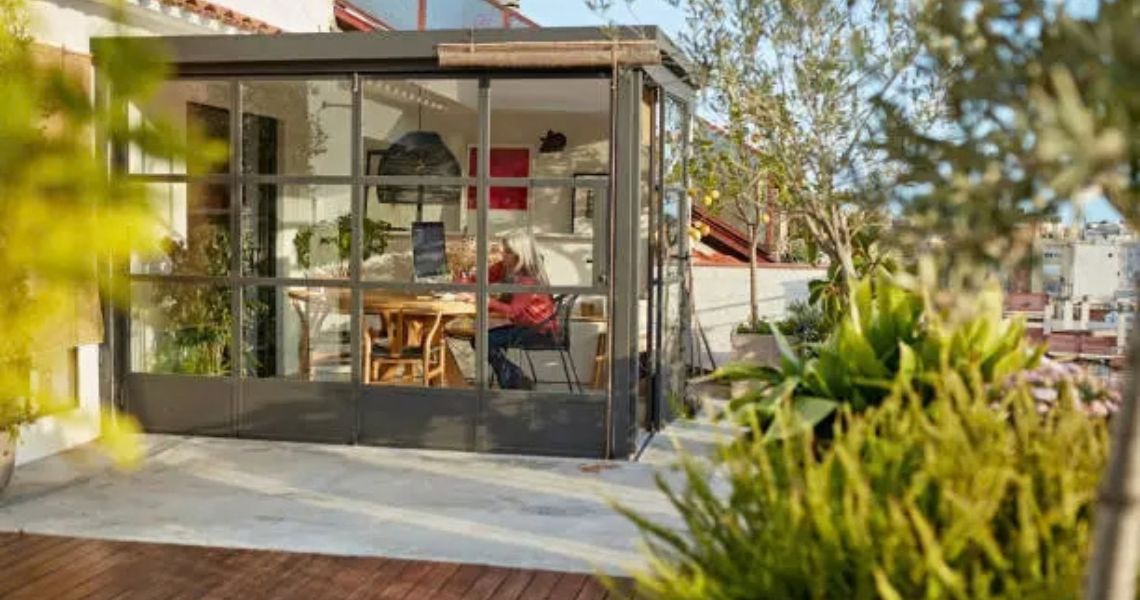
If you are looking for a low maintenance shade option, aluminium gazebo provides you with the benefits now while keeping the elbow grease away in the future.
Aluminium Watch-outs
- Summer heat build-up. A dark-painted metal roof can trap warmth on wind-still afternoons. Simple fix: add a vented canopy liner or slim shade sail beneath the rafters to push hot air upward.
- Up-front price tag. Premium alloy framed gazebos cost more than softwood kits. Yet when you spread that investment across 15–20 low-maintenance years, total spending can still come out lower than a freshly stained timber shelter every other summer.
- Style restraint. If your garden leans cottage-core, an all-metal pergola may feel too sleek. Blend in timber decking, climbing roses, or even privacy screens to soften the lines while keeping the structural benefits of an aluminium gazebo.

Timber Charms
Timber gazebos earn their place in storybook gardens because warm grain and subtle knots blend effortlessly with planting schemes. The material welcomes carving, staining, and hand-painted detail, so owners can echo house trim or pick up hues from nearby blooms. Because wood absorbs sound, a timber roof softens rainfall to a gentle hush, turning quick showers into background ambiance rather than drum-skin percussion. For those who enjoy weekend DIY, swapping a beam, adding fretwork, or threading fairy-light channels through rafters feels intuitive—you work with familiar tools, not metal cutters and torque wrenches.
Timber Trade-offs
Nature’s beauty brings homework. Even pressure-treated pine or larch needs annual wash-down and fresh sealant every two to three summers. Skipping a cycle invites mildew bloom, UV bleaching, or subtle warps that tweak the roofline just enough to rattle in high wind. Softwoods may tempt insect settlers; hardwoods resist them but raise the initial bill. And while scratches on aluminum wipe away, a careless barbecue move can scar timber posts until you sand and refinish the patch. Over a decade, that upkeep becomes a standing appointment on the calendar—fine for hobbyists, less ideal for gardeners who prefer pruning roses to repaint columns. Cost and Care in Real Numbers

Imagine two mid-size square gazebos; both installed this spring. The aluminum frame carries a higher purchase price—roughly 30 percent more than a comparable softwood kit—but demands almost no further spending beyond the odd squirt of pH-neutral soap. The timber model starts cheaper yet absorbs regular outlays: surface cleaner each spring, stain cans, brushes, and a Saturday afternoon’s labor every other year. Add those receipts and not-so-free weekends, and by year five, the aluminum option often equals or undercuts its timber cousin in total cost while gifting back hours you might spend relaxing instead of clambering up a ladder.
Design-Smart Moves
Can’t decide? Mix them. An aluminum skeleton with cedar infill panels delivers crisp lines plus organic warmth; flip the concept and mount slim aluminum louver blades atop stout timber posts for a pavilion that sheds rain but still feels handcrafted. A neutral charcoal powder coat pairs well with silvery driftwood stains, while matte white aluminum brightens honey-toned spruce flooring. Tech-minded hosts can thread LED strip-lighting inside hollow metal rafters and suspend Bluetooth speakers from wooden cross-beams, marrying modern convenience to cottage charm.

Conclusion and Quick Checklist
When low-maintenance living tops your wish list, weigh the one-time hit of aluminum against the rolling rhythm of timber upkeep. Ask yourself three questions: Will I realistically reseal wood every couple of summers? Do I crave custom carving and a rustic vibe? Or do I value free weekends and colors that never flake? Jot your answers, glance back at budget versus spare time, and the right gazebo material will announce itself loud and clear—leaving you to pour an iced drink, put your feet up, and enjoy open-air comfort with no chores lurking in the wings.
Images courtesy of unsplash.com and pexels.com