Most Londoners considering laser eye surgery face an information problem rather than a medical one. They worry about pain based on procedures from fifteen years ago. They fret about recovery time without realising how dramatically techniques have improved.
They delay life-changing laser eye surgery treatment because outdated concerns create unnecessary anxiety.
The Consultation Process
Forget the rushed eye tests you’ve experienced at high-street opticians. A proper laser eye surgery consultation at specialist clinics like EuroEyes takes serious time and involves much more than basic prescription checks.
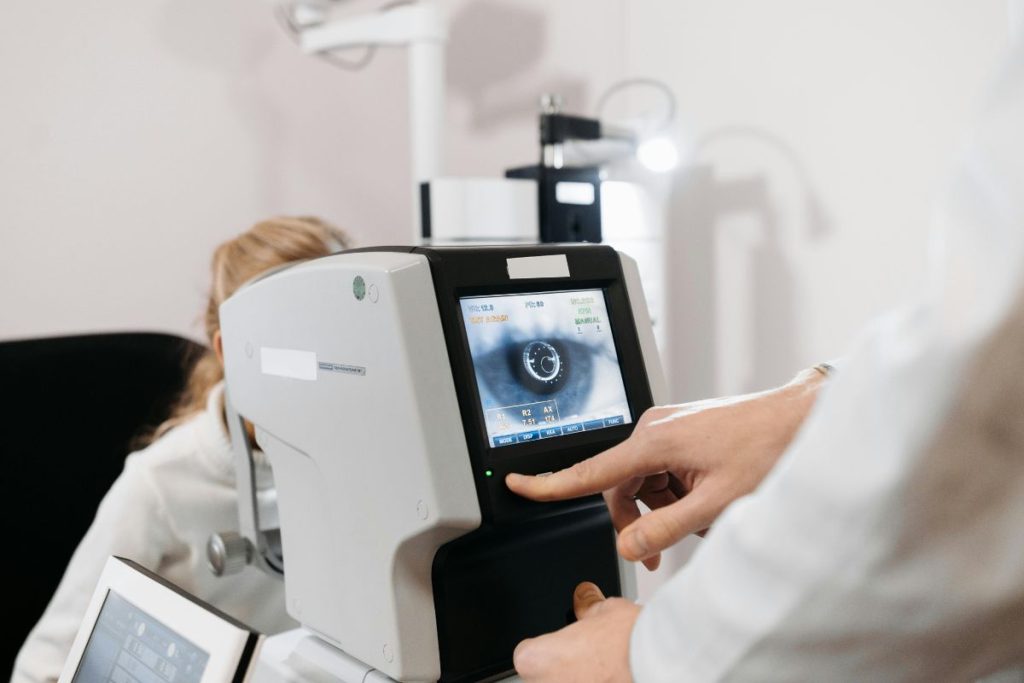
You’ll undergo corneal mapping that creates a topographical model of your eye surface, crucial for determining surgical suitability. Pupil dilation allows examination of your retina and internal eye health. Prescription verification ensures your correction remains stable. Most importantly, corneal thickness measurement helps determine which procedure suits you best.
The best London clinics use this consultation for education, not sales. They explain findings clearly, discuss various treatment options, and establish realistic expectations.
Procedure Selection
London offers various laser vision correction options suited to different eyes. During consultation, specialists recommend specific procedures based on your unique situation.
Traditional LASIK remains common, creating a corneal flap before reshaping underlying tissue. It offers quick recovery but isn’t ideal for everyone. LASEK treats the corneal surface without creating a flap, better for thinner corneas but with longer initial recovery.
For patients unsuitable for laser correction, implantable collamer lenses provide excellent outcomes without removing corneal tissue. This option works brilliantly for extreme prescriptions or unusual corneal profiles that previously had limited options.
The Day of Surgery

Let’s address the biggest myth straightaway: modern laser eye surgery involves minimal discomfort and typically takes less than 30 minutes for both eyes. Patients arrive about an hour before their scheduled slot for final measurements and preparatory eye drops.
After numbing drops eliminate pain sensation, a small device gently holds your eye open during treatment. No needles, no scalpels in the traditional sense. You’ll focus on a target light throughout the procedure, with the laser portion typically lasting under 60 seconds per eye. Most people report seeing nothing dramatic, just the target light becoming temporarily blurry during treatment.
Immediately afterwards, you’ll notice improved vision, though typically with some haziness, like looking through lightly frosted glass. After a brief check, you’ll head home with protective eyewear and aftercare instructions.
Recovery Expectations
Recovery experiences vary based on procedure type and individual healing. LASIK patients typically see well within hours and reach near-final results within days.
LASEK involves longer initial recovery, with protective contact lenses worn for several days while the surface heals. Vision fluctuates more during the first week, with comfort improving gradually over that time.

The modern SMILE procedure offers an excellent balance; minimal discomfort and rapid visual stabilisation without the flap-related restrictions of LASIK.
London clinics typically schedule follow-up appointments the day after surgery, then at one week and one month. These monitor healing and address any concerns. Vision continues improving throughout the first month, with full stabilisation occurring over one to three months.
Conclusion
For Londoners considering laser vision correction, understanding the complete patient journey removes unnecessary anxiety. With proper research and selection of an established specialist clinic, the path to visual freedom proves far less daunting than most anticipate.
Images courtesy of unsplash.com and pexels.com