There’s nothing quite like a big day outdoors. Whether it’s the Yorkshire Dales in early autumn, a ridge walk in the Lake District or a stretch of coastal path in Cornwall, hours of fresh air and big views do wonders for the mind. They also demand plenty from the body, and a surprising number of walkers set off with little more than a cheese sandwich and good intentions.
Here’s how to fuel your body and keep your energy up, so you’re enjoying the view at the top rather than counting the minutes to the pub.
1. Plan around how long you’ll be out
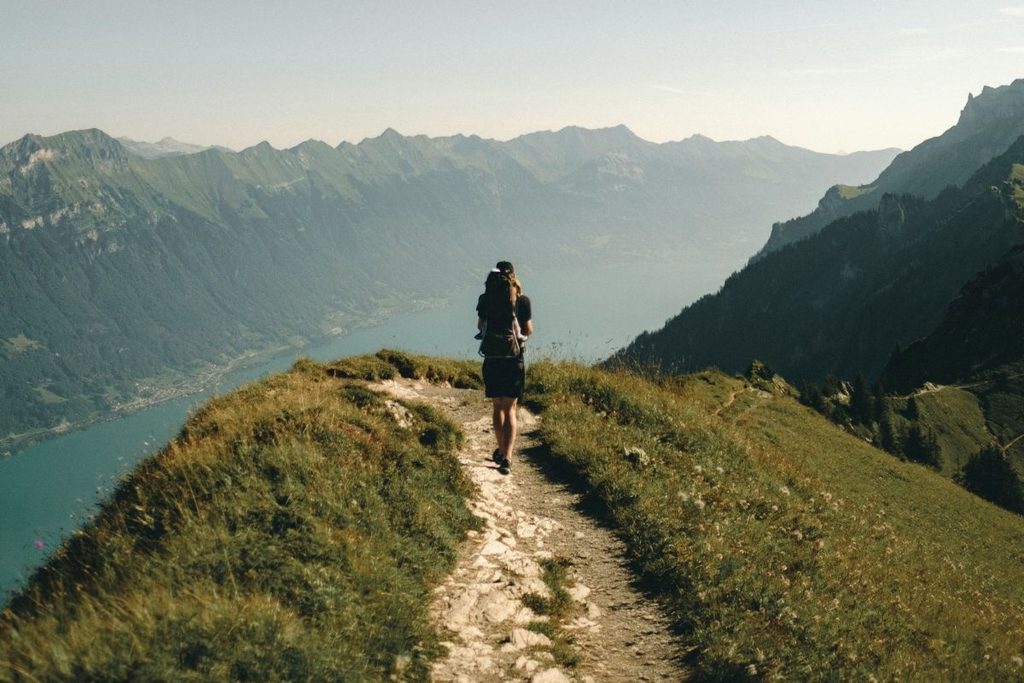
A two hour stroll needs very little. A six or seven hour hill day is a different matter. As a general rule, if you’re walking for more than a couple of hours, you’ll want to eat something to fuel your body and keep your energy levels up every hour or so, ideally before you feel properly hungry. Once the hunger arrives, your energy has already dipped, and the last few miles feel much longer than they should.
It helps to work out your timings before you set off. Walking guides often use a simple rule of thumb that adds extra time for every bit of climbing, so a ten mile route with plenty of ascent can take far longer than the distance suggests. The longer you’re out, the more fuel you need, so it’s better to carry a little extra than to ration.
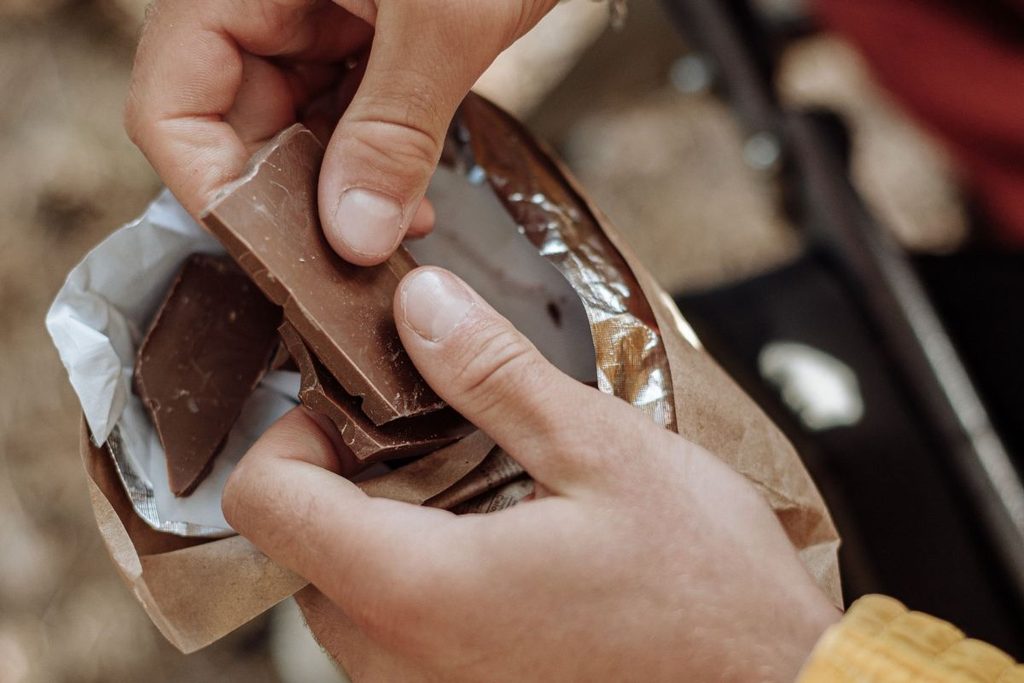
Light, compact snacks are the answer. Packable energy bars earn their place in a rucksack lid pocket because they don’t squash, they don’t melt in a warm bag and you can eat one while you walk. Keep your snacks somewhere easy to reach, so you’re not stopping to unpack the entire bag every time your stomach rumbles.
2. Mix up flavours and textures
After a few hours, the sweet thing you were looking forward to can suddenly feel like too much. Pack a mix instead: something sweet, something salty and something with a bit of bite. Nuts, oatcakes, dried apricots, a wedge of cheese and a flapjack all do the job nicely. Variety keeps you eating, and eating is the fuel that keeps you going.
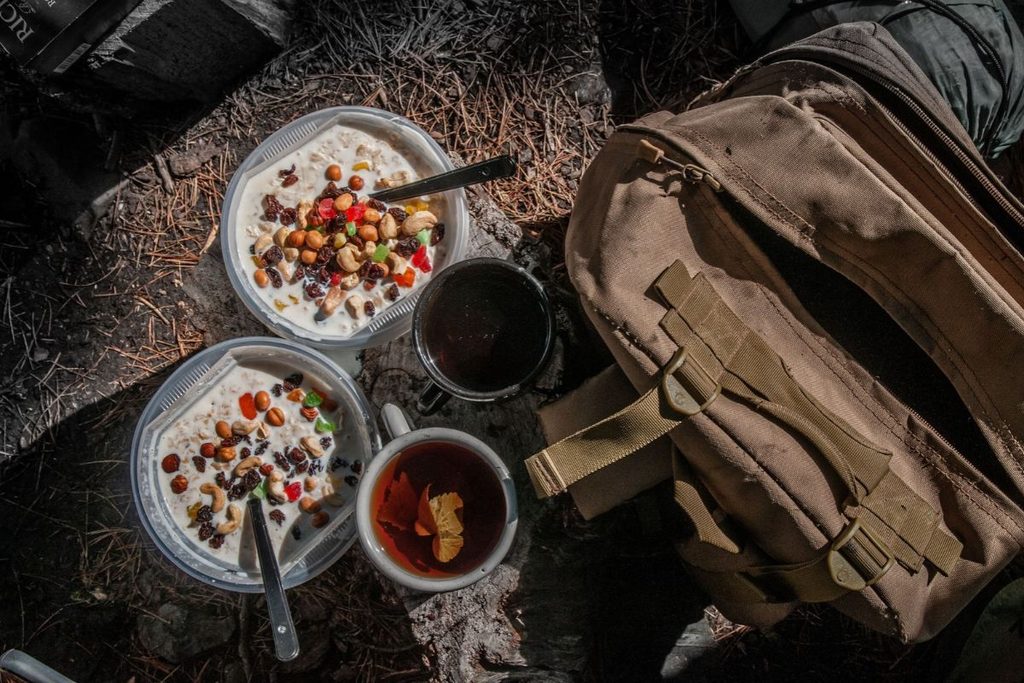
It’s worth trying new snacks on shorter walks first. The middle of a moor is a poor place to discover that a particular flavour doesn’t agree with you.
3. Drink little and often
Water matters just as much as food. Most walkers need somewhere around half a litre an hour in mild conditions, though it varies with the weather, your effort and how much you sweat. Many hills have no taps for miles, so carry more than you think you’ll need. A flask of hot tea on a chilly day is a small luxury that feels much bigger when you’re halfway up a windy fell.
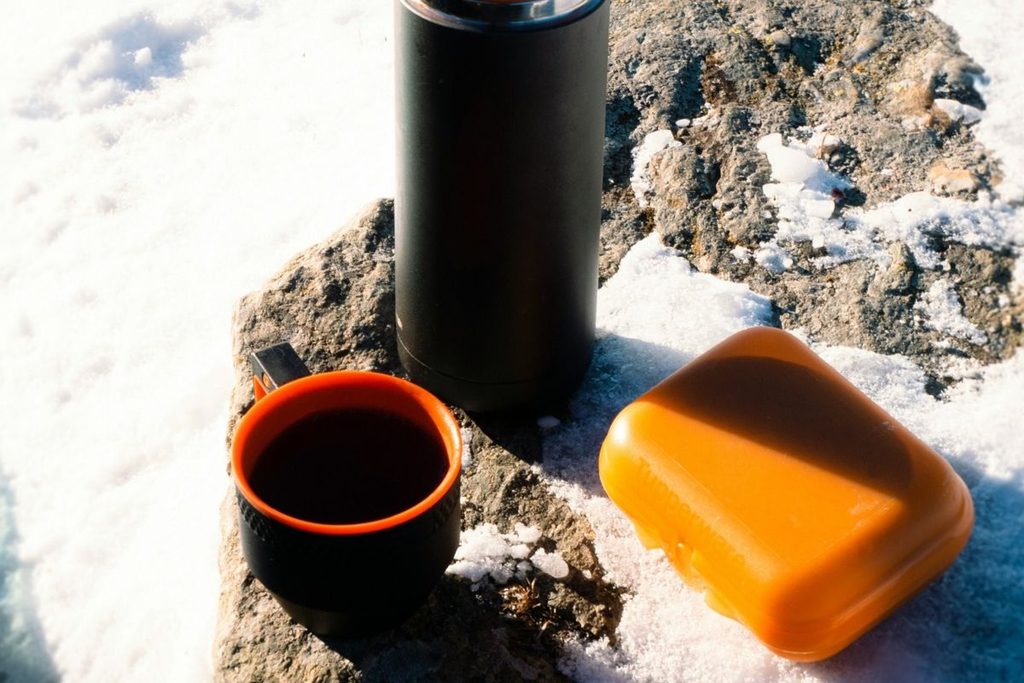
Top up your bottles whenever you pass a village, a café or a pub that’s happy to help. Plenty of landlords will fill a bottle if you ask politely, and it saves you carrying the weight for the whole day.
4. Have a proper lunch stop
Snacks keep you moving, but a proper break is good for morale. Find a sheltered spot, sit down and eat something more substantial. A wrap, a pasty, a pasta salad or a hearty sandwich all work well. Keep the stop to around twenty or thirty minutes. Any longer and your legs stiffen up, and the temperature drops quickly at this time of year.
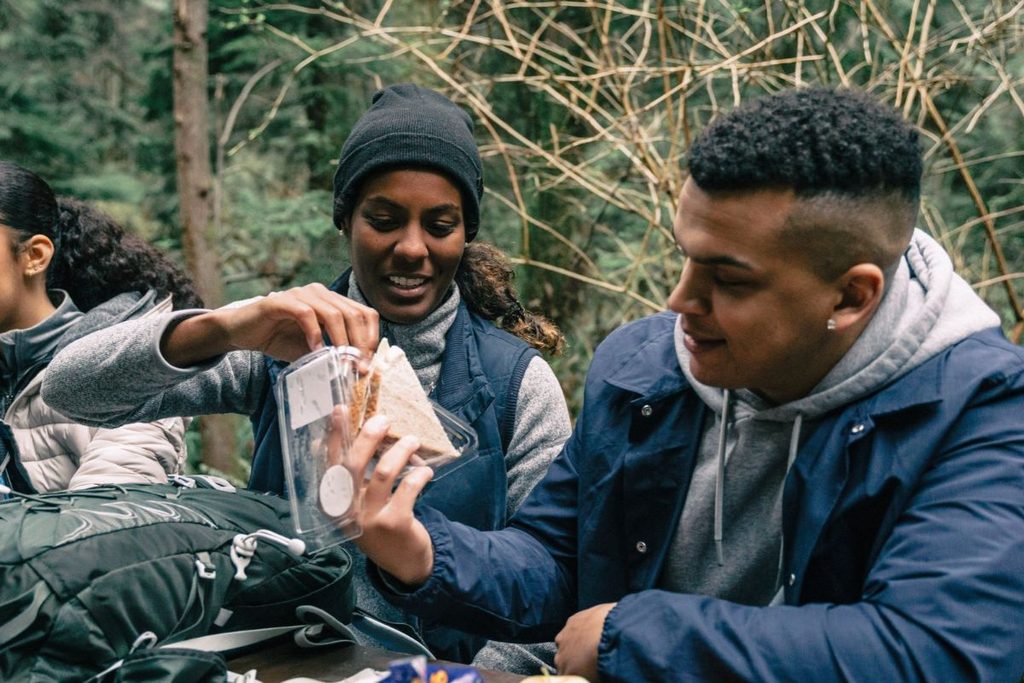
It’s also a good moment to check in with yourself. Are your feet comfortable? Is anyone in the group flagging? Catching a problem early is far easier than dealing with it three miles from the nearest road.
Put an extra layer on as soon as you sit down, even if you’re warm. It’s much easier to stay comfortable than to warm up again once you’ve got cold.
5. Pack for the unexpected
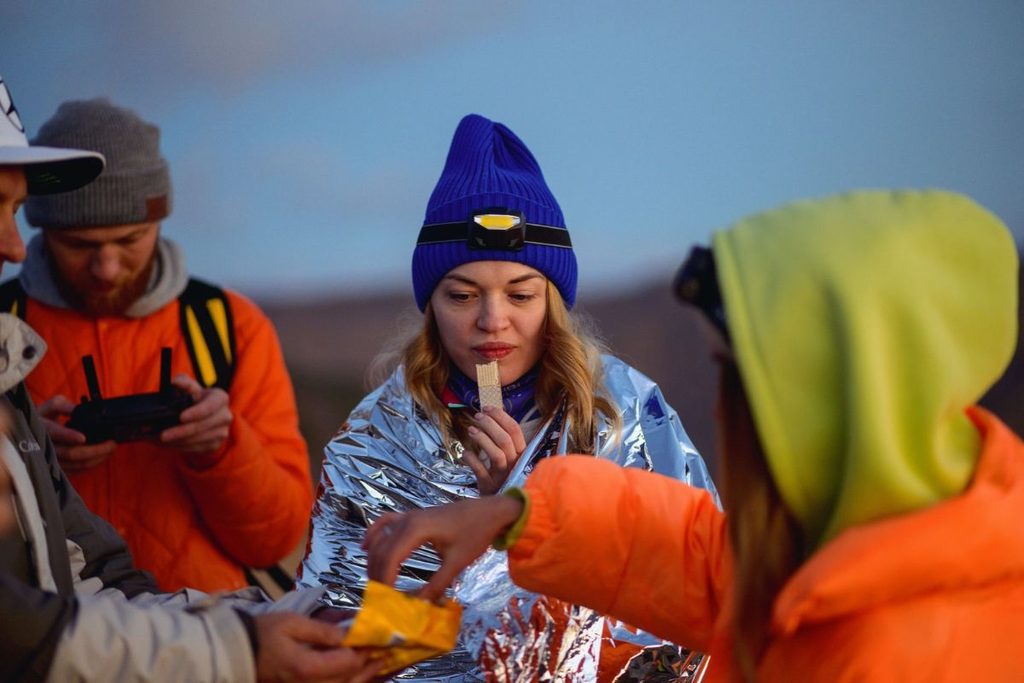
A bit of extra food in the bag is a basic safety measure. If a path takes longer than expected, or the weather turns, you’ll be glad of it. Pack an additional snack or two beyond what you think you’ll need to fuel your trip, along with a waterproof, a warm layer, a torch and a map. Daylight is shorter in the autumn, so check the sunset time before you set off, and tell someone where you’re going.
6. Think about the whole trip
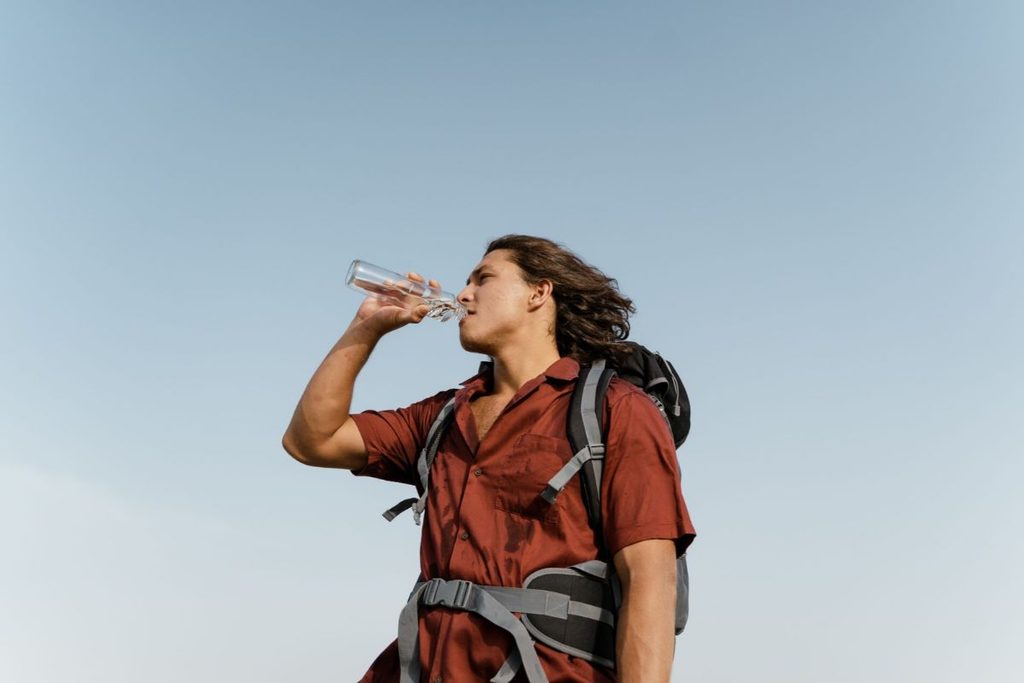
Fuelling doesn’t stop when you take your boots off. A decent breakfast before you start sets you up for the day, and a proper dinner when you finish helps your body recover. If you’re staying somewhere overnight, a cosy inn with a good menu is one of the real joys of an autumn walking break. Drink plenty of water in the evening too, and your legs will thank you the next morning.
7. Leave nothing behind
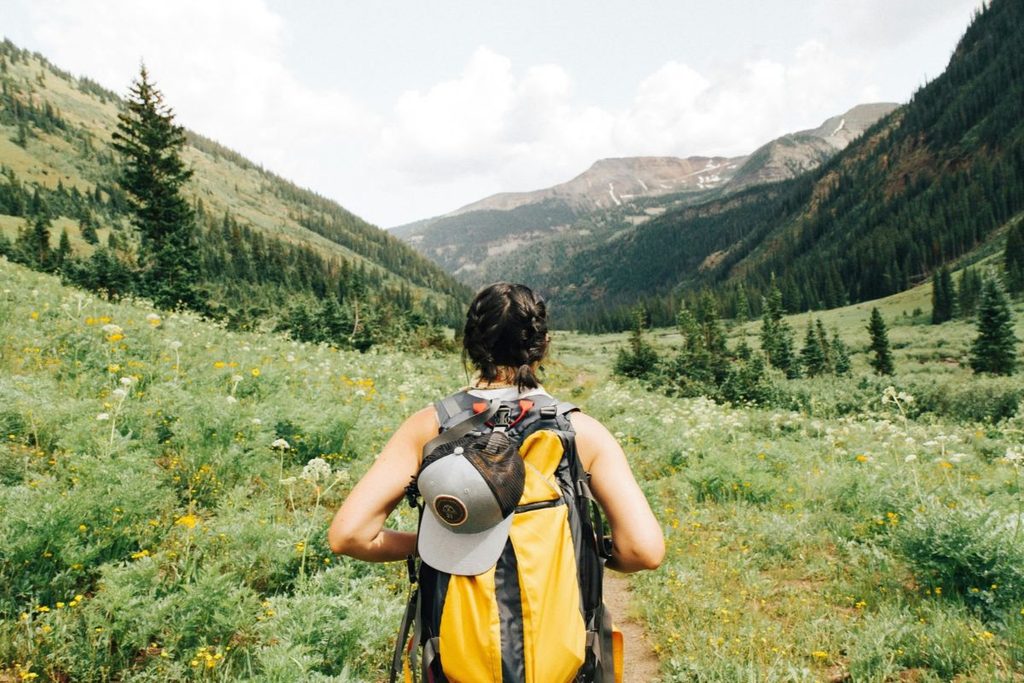
Take all your wrappers home with you, along with apple cores and banana skins, which take far longer to break down than most people expect and aren’t good for wildlife. A small bag for rubbish weighs next to nothing and keeps the countryside lovely for the next walker.
A well fuelled walk is a happier walk. Get the basics right and you’ll finish the day tired in the best possible way, ready for a hot meal and a very good night’s sleep.
Images courtesy of unsplash.com and pexels.com