Maintaining a healthy and balanced diet is crucial for overall wellness, but sometimes our bodies need extra help. Vitamins and minerals are essential nutrients that are vital in keeping us healthy.
While it is always best to get these nutrients from whole foods, supplements can be a helpful addition to ensure we receive the necessary daily amounts; You can buy antioxidant supplements for your overall well being, however, make sure to buy only from reliable sources, such as amazon.com. This article will explore some of the best vitamins and minerals to supplement, including folic acid.
Folic Acid (Vitamin B9)
Folic acid (vitamin B9) is vital for DNA synthesis, cell growth, and metabolism. It is especially important for pregnant women, as it helps prevent neural tube defects in the developing foetus. The recommended daily allowance (RDA) for adults is 400 micrograms (mcg) per day and 600 mcg for pregnant women. You can also get folic acid in leafy greens, beans, and fortified cereals. However, supplementing ensures you receive the right amount of folic acid for optimal health.
Folic acid goes for a retail price of $21.00 on average. However, you can follow this link to view some coupons on this supplement.
Vitamin D

Vitamin D plays a significant role in maintaining bone health, immune function, and reducing inflammation. Our bodies naturally produce vitamin D when exposed to sunlight, but many people do not get enough sun exposure or cannot synthesize it efficiently. The RDA for vitamin D is 600-800 IU for adults, depending on age. So taking a vitamin D supplement can help maintain healthy levels, and it is often combined with calcium for enhanced bone health support.
Calcium

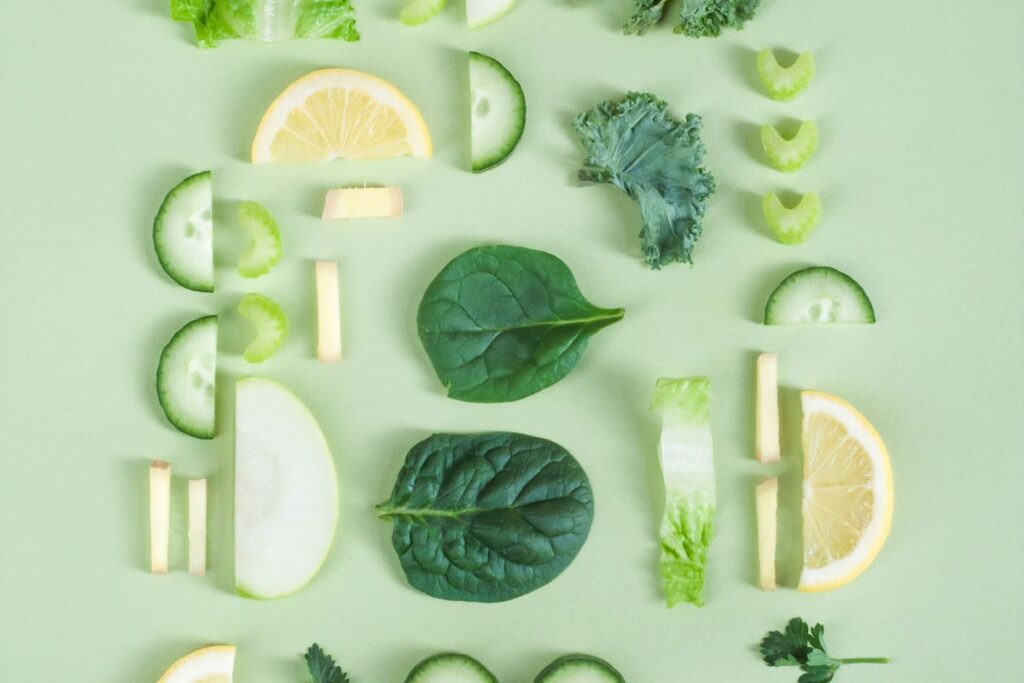
Calcium is a critical mineral for maintaining strong bones and teeth and supporting nerve function and muscle contractions. The RDA for calcium varies depending on age and sex, ranging from 1,000 to 1,300 mg daily. Dairy products, leafy greens, and fortified foods are all good sources of calcium, but supplementation can help fill the gap for those who have trouble meeting their needs through diet alone. You can find a variety of calcium supplements on Amazon to ensure you’re getting enough of this essential nutrient.
Iron

Iron is a key component of haemoglobin. As a result, insufficient iron levels can lead to anaemia, resulting in fatigue and compromised immune function. There are essential supplements for immune system. The RDA for iron is 8 mg per day for adult men and 18 mg for adult women (until menopause). Good dietary sources of iron include red meat, beans, and fortified cereals, but an iron supplement can benefit those at risk of deficiency.
Magnesium
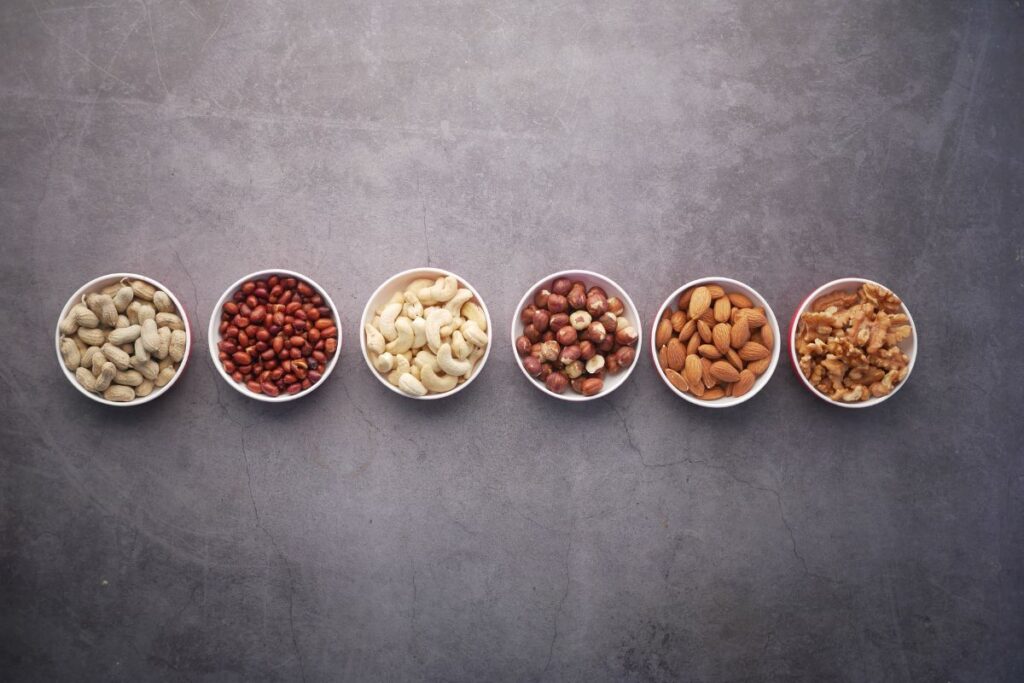

Magnesium is involved in over 300 enzymatic reactions in the body, including energy production, muscle and nerve function, and blood pressure regulation. The RDA for magnesium is 310-420 mg daily, depending on age and sex. While magnesium is found in various foods, such as nuts, seeds, and whole grains, many people still fall short of their daily requirements. A magnesium supplement can help ensure you get enough of this essential mineral. A magnesium supplement can help ensure you get enough of this essential mineral.
Conclusion
While obtaining nutrients from a well-rounded diet is always ideal, supplements can be a valuable tool in ensuring optimal health. Folic acid, vitamin D, calcium, iron, and magnesium are all crucial vitamins and minerals to consider supplementing. However, it is essential to consult with a healthcare professional before beginning any supplementation regimen to address individual needs and avoid potential interactions with medications or pre-existing health conditions.
References:
Office of Dietary Supplements – National Institutes of Health (NIH) Website: https://ods.od.nih.gov/
World Health Organization (WHO) – Micronutrient information Website: https://www.who.int/nutrition/topics/micronutrients/en/
Images courtesy of unsplash.com, pexels.com and pixabay.com