Stress affects the body in more ways than most of us realise, and your teeth are no exception. We caught up with leading dentist and Dimples founder Dr Pippa Nicholls to find out exactly what chronic stress does to your oral health, and what you can do to prevent it.
Teeth grinding (bruxism): One of the most common things I see in patients with stress is Clenching and grinding that wear away enamel, cause cracks, and, in serious cases, can lead to fractures that result in losing a tooth altogether. If you’re waking up with tender teeth or a sore jaw, this could be why.

Jaw pain and headaches: The clenching puts enormous pressure on your jaw joint (the TMJ). This can cause headaches, muscle soreness and also earaches. It’s often mistaken for something else entirely!
Gum disease: Stress triggers the release of cortisol, which suppresses the immune system and makes it harder to fight off bacteria in the mouth. That leaves you more vulnerable to gingivitis (the first stage), which can then lead to periodontitis.
Dry mouth and tooth decay: Stress reduces saliva flow, and saliva is actually one of your mouth’s best defences. It remineralises teeth and keeps bacteria in check, so less of it means a higher risk of tooth decay and bad breath.
Mouth ulcers: When immunity dips and vitamin and mineral levels drop, both common with chronic stress, ulcers can follow. They’re painful, frustrating, and a sign your body is asking you to slow down.
Neglecting your routine: This one’s easy to overlook. Stress disrupts habits, and if brushing starts slipping, the knock-on effect on your oral health can be significant.
So what can you do?

“My biggest piece of advice for grinding is to prioritise winding down before bed. Relaxation techniques, breathing exercises and meditation all help shift your body into a calmer state before sleep, which really can make a difference to clenching overnight.
Night guards have their place if you need short-term protection, but I’d always encourage getting to the root cause rather than relying on one long-term. And if you’re a chronic grinder, it’s also worth getting checked for airway issues or sleep apnoea, as grinding is sometimes the body’s way of trying to open the airway during sleep rather than purely a stress response.
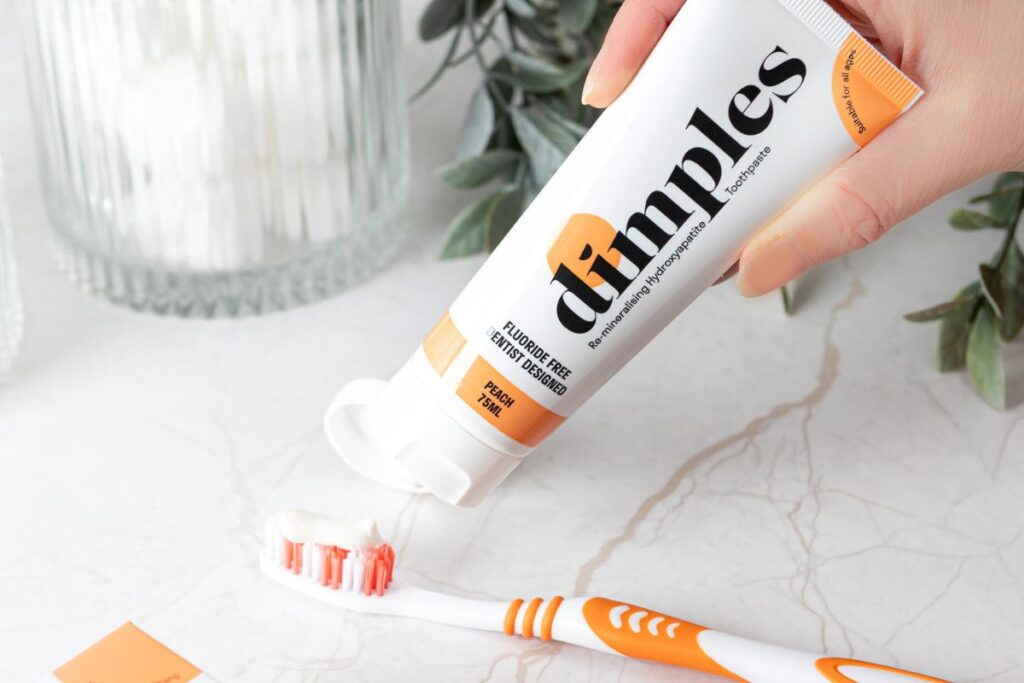
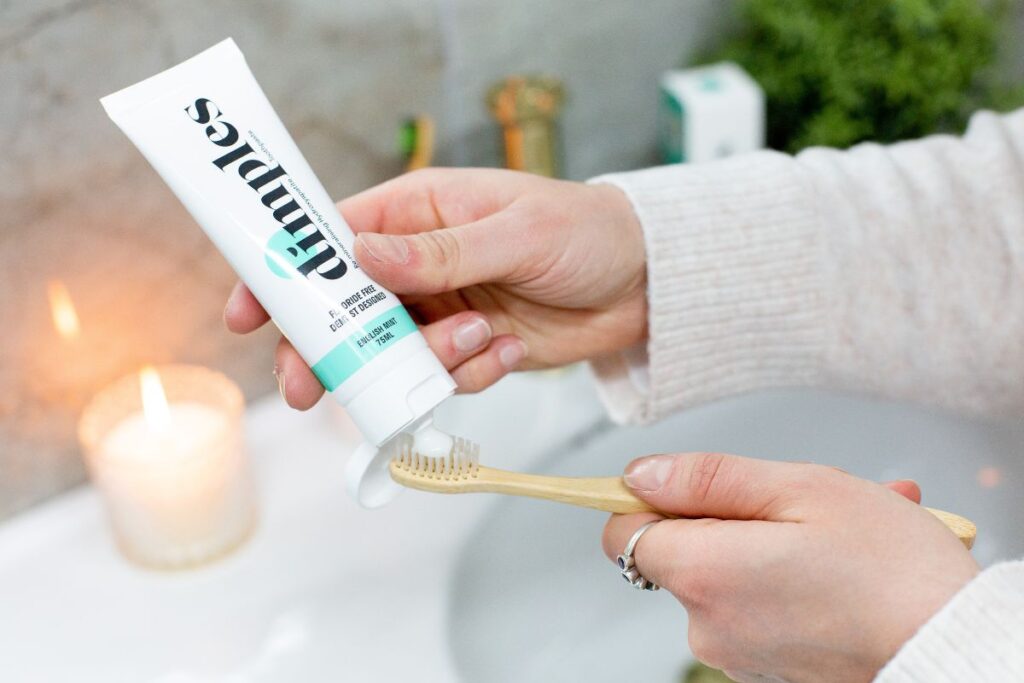
Ultimately, your mouth is a window into your overall health, and when stress shows up in your smile, it’s worth paying attention to it. The basics still matter, too, including what you’re putting on your teeth every day. During periods of stress, your teeth and gums are already under pressure, so supporting them with active ingredients, like hydroxyapatite, that genuinely do something good makes a real difference. Hydroxyapatite toothpaste actively remineralises enamel because it’s the same mineral your teeth are naturally made from. It feels like a small swap, but over time it really adds up!“
Images supplied. Pain image courtesy of unsplash.com