Clients stepping into fitness facilities today bring higher expectations than ever before. People expect tangible results, tailored programming, and full accountability from the professionals guiding their movement routines.
Meeting these demands requires commercial gyms, fitness centres, and independent instructors to move past outdated methods and embrace verified exercise science credentials.
Upgrading trainer education creates a stronger environment for both fitness facilities and the members they serve. Adopting validated educational standards transforms routine training sessions into structured programs rooted in safety, effective programming, and long-term client progress.
Why are gyms shifting from anecdotal routines to science-backed programming?

Traditional fitness routines relied heavily on personal preferences, trial and error, or inherited gym traditions. Today, modern facilities recognize that evidence-based exercise science offers a far more reliable path to client success. Structuring movement plans on human biomechanics and physiology helps instructors address individual movement limitations while minimizing injury risks during workouts.
Systematic exercise selection allows trainers to build programs that adapt to varying fitness levels. When coaches understand the physiology behind movement patterns, they can modify exercises safely for beginners or scale workouts up for seasoned athletes. This level of precision builds strong client confidence because individuals feel secure knowing their routines rest on sound scientific principles.
Adopting structured movement programming also simplifies progress tracking across long training blocks. Instead of relying on subjective feedback, trainers monitor specific physical metrics to gauge improvements in strength, mobility, and cardiovascular health. This structured tracking helps clients stay motivated while proving the true value of professional guidance.
What should you look for in flexible study models?
Working fitness professionals often need study options that fit around busy coaching schedules. Modular educational programs allow instructors to complete coursework at their own pace without sacrificing their existing work hours or client sessions. Finding an affordable personal training certification helps aspiring coaches access high-quality education without facing overwhelming upfront costs.
Flexible learning options make advanced education accessible to a much broader pool of trainers. Online platforms with bite-sized learning modules enable coaches to absorb complex exercise science concepts incrementally. This format allows instructors to apply new movement techniques directly to their daily client sessions right away.
Key features of modern learning frameworks
- Self-paced learning modules: Flexible schedules allow trainers to balance professional study with active client coaching.
- Immediate practical application: Modular lessons enable coaches to introduce new programming concepts straight into current workouts.
- Cost-effective investment options: Affordable course models help instructors upgrade credentials without heavy financial burdens.
How NCCA-accredited certification elevates trainer credibility
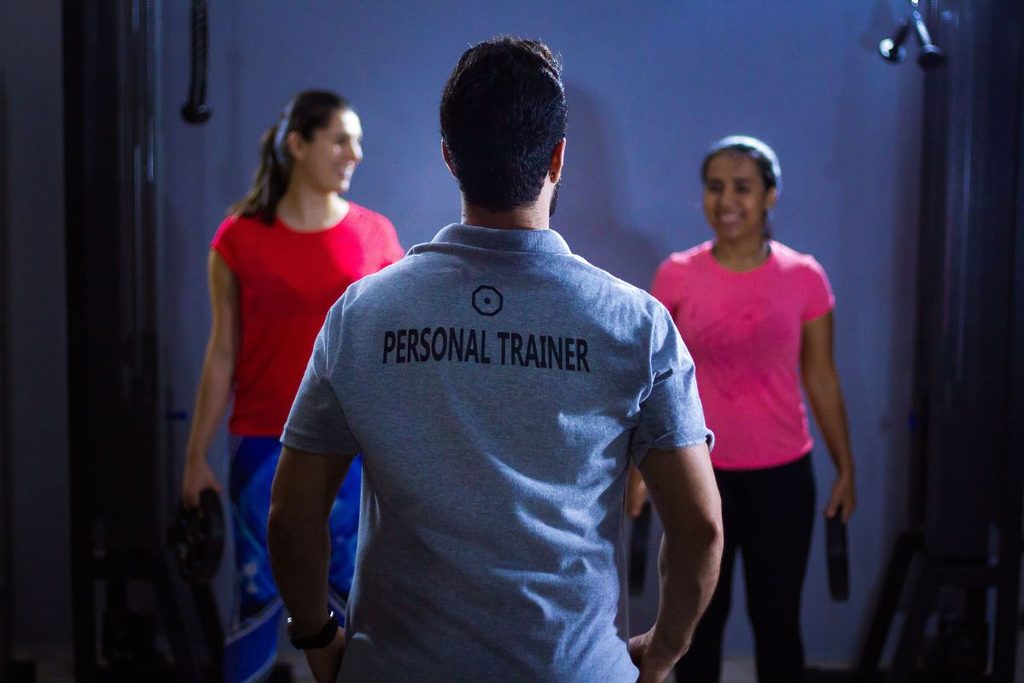
Professional accreditation establishes a clear benchmark for competency in the fitness industry. The National Commission for Certifying Agencies (NCCA) sets strict national standards designed to safeguard consumer health and wellness. Earning an accredited credential proves that a personal trainer understands foundational movement principles, safety protocols, and client assessment strategies.
According to research indexed in PubMed Central, evolving industry standards highlight a growing need for facility managers to emphasize recognized credentials when hiring new staff. Employers in fitness centres rely on accredited certifications to verify that instructors possess the actual knowledge required to design safe physical activity programs. This verification process protects gym operations while boosting client trust.
Building client trust through verified standards
- Demonstrate professional competence: Clear educational benchmarks show clients that their trainer meets rigorous national standards.
- Prioritize injury prevention: Verified knowledge helps coaches identify improper movement patterns before injury occurs.
- Improve program consistency: Standardized education ensures all trainers within a facility deliver high-quality instruction.
How do advanced credentials improve client retention?
Client retention relies heavily on consistent results and positive training experiences. When fitness instructors possess a deep understanding of exercise science, they keep clients engaged through varied, purposeful program progressions. Members who experience safe, effective workouts are far more likely to remain committed to their gym memberships long-term.
Data from the Bureau of Labor Statistics notes that commercial fitness centres consistently prefer hiring certified instructors due to the varying operational needs of modern health clubs. Facilities staffed by well-trained professionals experience lower client turnover rates and stronger brand reputations within their communities.
Investments in trainer education yield direct returns through increased safety and client satisfaction. Elevating educational requirements transforms standard gym visits into structured, outcome-driven journeys that benefit everyone involved.
How standardized education strengthens commercial fitness operations?

Commercial fitness centres benefit when every trainer follows a consistent foundation of exercise science, assessment, and programming principles. Standardized education reduces differences in coaching quality and gives managers greater confidence that their staff can deliver safe, structured sessions across different client populations. This consistency also creates a more reliable experience for members, regardless of which trainer they choose.
Beyond individual coaching sessions, stronger educational standards can improve the overall reputation of a fitness facility. When gyms invest in qualified professionals, they demonstrate a commitment to member safety, measurable outcomes, and professional development. Over time, this approach can help facilities distinguish themselves in a competitive market while creating a culture where trainers continuously improve their knowledge and coaching skills.
Upgrading trainer credentials represents a fundamental step toward safer, more effective fitness environments. Equipping instructors with validated exercise science knowledge empowers gyms to protect client health, deliver predictable workout outcomes, and foster lasting professional credibility.
Images courtesy of unsplash.com and pexels.com