The word peptide turns up in more places than most people realise, especially recently with the popularity of peptide research increasing rapidly.
Peptide appears on skincare labels and food supplement tubs, it sits inside the chemistry of everyday ingredients, and it fills the catalogues of suppliers serving laboratories that work with research peptides.
The same word is doing very different jobs in each place, which is why it can be hard to tell what a product called a “peptide” actually is.
What does “peptides” mean?
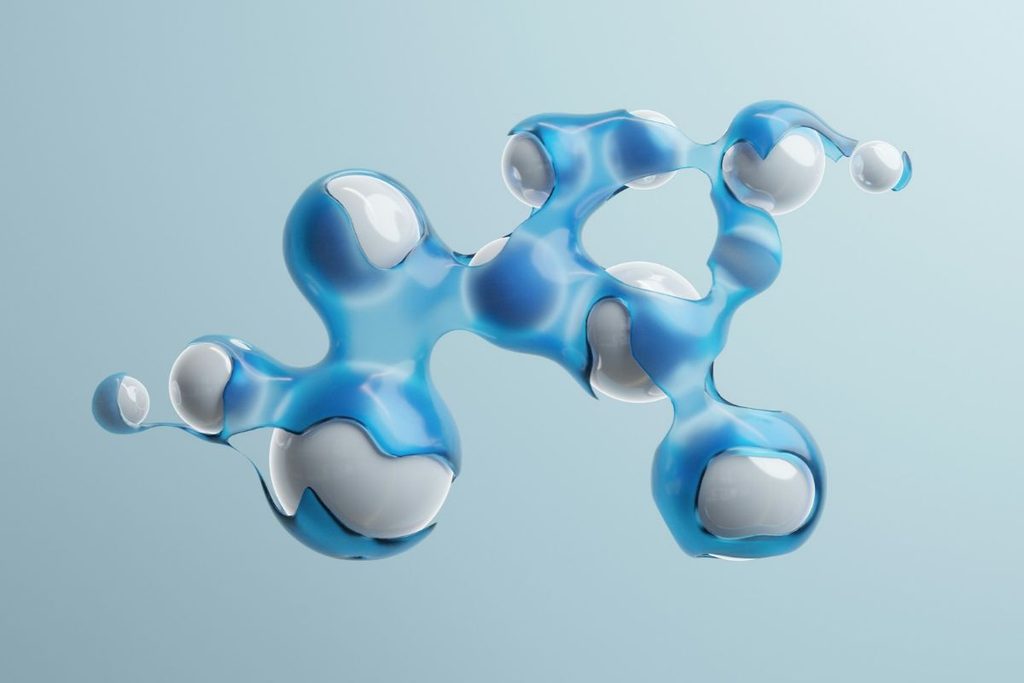
A peptide is a short chain of amino acids, the building blocks of proteins, linked together.
The body naturally produces thousands of different peptides, while peptides are also found in foods and generated when dietary proteins are broken down.
Chemists usually call chains of between two and about twenty amino acids oligopeptides, and chains longer than roughly fifty amino acids are generally classed as proteins.
However, there is no universally agreed number of amino acids separating these categories.
The boundaries are conventions and vary between sources, but the principle is the same.
The word describes size and structure, but doesn’t say what a product is for or how it was made.
Why one word covers so much
The definition is chemical, it fits a wide range of unrelated things.
In food, the artificial sweetener aspartame is a methyl ester of a dipeptide, made from just two amino acids, aspartic acid and phenylalanine.
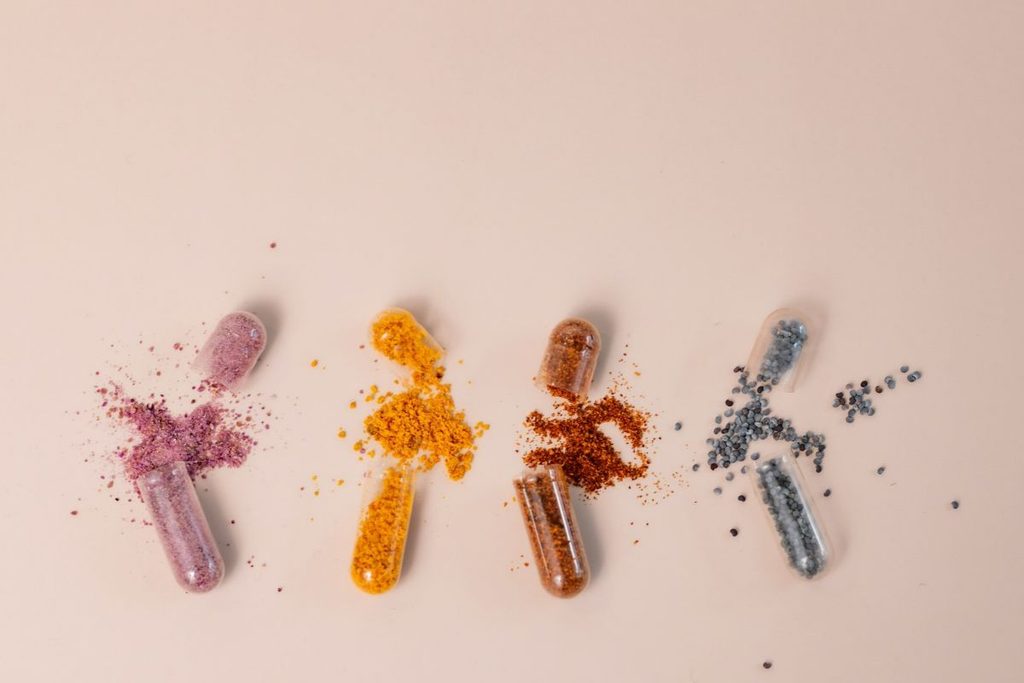
Collagen peptides sold as food supplements are made by breaking down collagen from animal skin, bones and connective tissue into shorter fragments.
In cosmetics, ingredient lists often include peptides with long technical names, alongside hydrolysed collagen, which is used in creams as a moisturising and conditioning ingredient.

The body also makes its own. Glutathione, an antioxidant found in most cells, is a tripeptide built from three amino acids, glutamic acid, cysteine and glycine.
In medicine, some licensed treatments are peptides. Insulin, a peptide hormone made up of 51 amino acids arranged in two chains, is one of the best-known examples.

In laboratories, scientists use peptides to investigate biological and chemical processes. Some are supplied specifically for research use only.
Products designated for research use only are not intended for therapeutic use.
Why the overlap causes confusion
These categories are generally covered by different sets of rules.
Food and supplements, cosmetics and licensed medicines each have their own regulators and requirements, and a compound supplied for laboratory research sits in a separate category again.
A person who sees the same word on a shop shelf and in a scientific catalogue can easily assume the products are related, when they may have little in common beyond their basic chemistry.
A practical habit is to ask what a product is, rather than what it is called.
The category, the ingredients list or specification, and the documentation behind a product usually say far more than a single word on the front.
How to decode a peptide name

Names themselves can help. The prefixes count the amino acids in the chain, so a dipeptide has two, a tripeptide three, a tetrapeptide four, a pentapeptide five and a hexapeptide six.
A cosmetic ingredient called palmitoyl pentapeptide-4, for example, is a chain of five amino acids with a fatty acid group called palmitoyl attached, and the number at the end is a naming convention that distinguishes it from related ingredients.
Scientific suppliers may identify peptides by their amino acid sequence and other chemical specifications. Two chains of the same length can behave very differently depending on the order of their amino acids and any chemical modifications.
That is useful to know from the word’s wide reach. Peptide describes how a molecule is built, and the details of what it is, who made it and what evidence supports it have to come from somewhere else.
Images courtesy of unsplash.com and pexels.com