

The places we spend our time in do more than just keep us dry; they actively shape how we think, feel, and act. Modern architecture is increasingly recognising this deep connection, moving past just looks to design buildings that support our wellbeing from the ground up.
This shift towards mindful architecture and building considers not only how a space looks but how it feels to be in it, adding layers of comfort, function, and safety that support us in quiet, unseen ways.
Mindfulness in Architecture
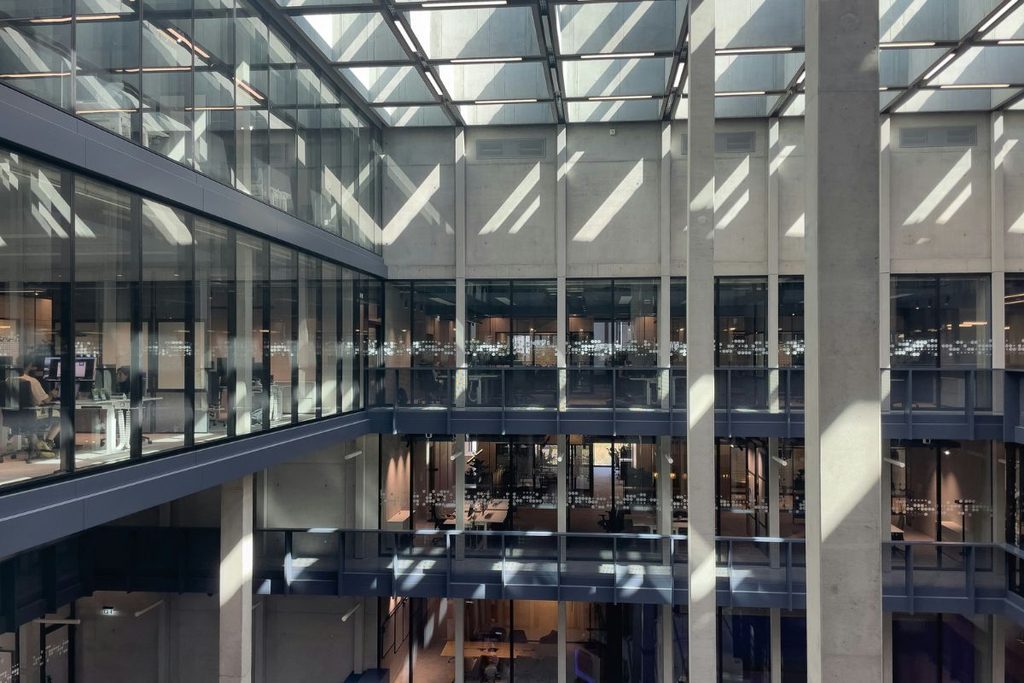
Mindfulness in design means creating with deep intention and a real understanding of the human experience. It asks architects and designers to think about how a space affects people psychologically and emotionally. This approach puts a priority on things that calm the mind and soothe the senses, like how you move through a building, the quality of the light, and how connected you feel to nature. By focusing on these strategies for enhancing mental well-being, designers can make places that reduce stress and bring a sense of peace, whether it’s a busy office or a quiet home. It’s a way of thinking that sees a building not as a static object, but as an active partner in our daily lives.
Beyond Aesthetics: Functional Wellbeing
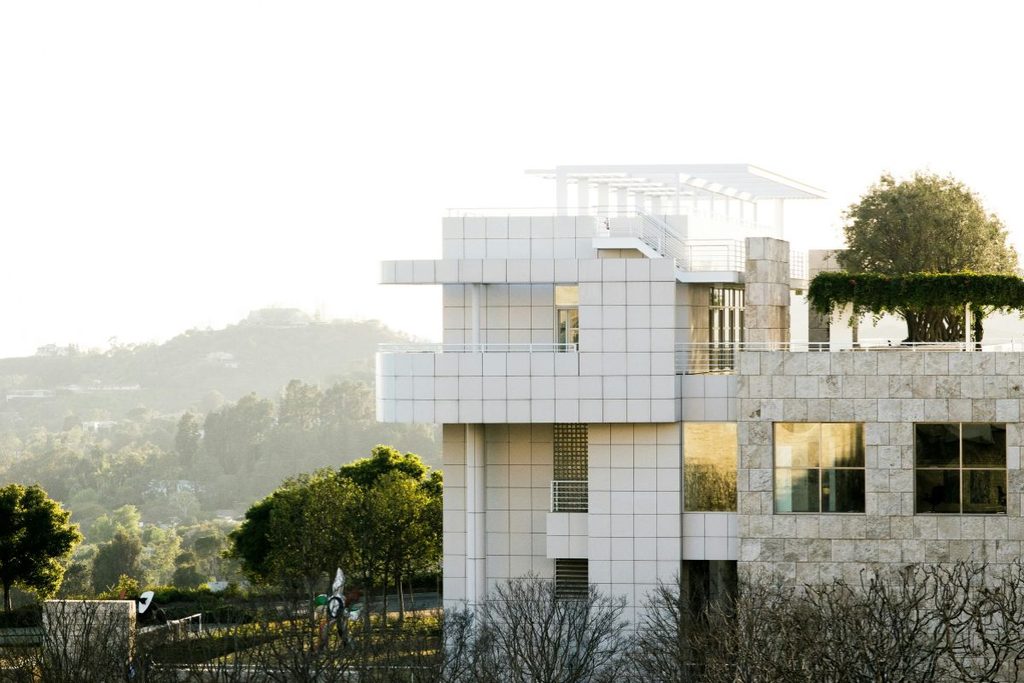
A truly well-designed space supports our health in practical ways that go far beyond just looking good. Functional wellbeing is built on a foundation of features that genuinely promote health. This means making the most of natural light to help regulate our sleep cycles, ensuring great air quality through good ventilation, and using materials that don’t release harmful toxins. The science of mindful architecture for well-being and health also shows the importance of acoustics for creating productive and restful environments. By managing noise levels and cutting down on unwanted distractions, a building can significantly improve concentration and ease anxiety. It proves that the most impactful design features are often the ones we hear and feel, rather than just see.
Integrating Safety Seamlessly
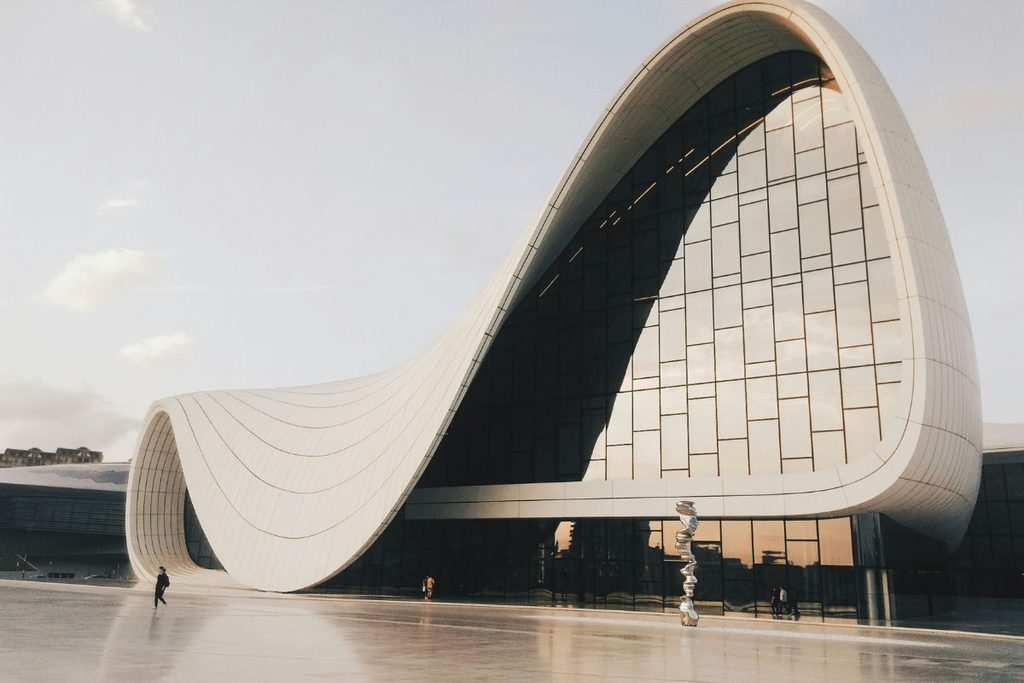
Historically, safety features were often functional but clunky additions that could mess up a building’s design. Today, mindful building extends to protection, with advanced systems designed to be completely invisible until they’re needed. This is especially clear in fire safety, where modern solutions protect people without making them feel like there’s a constant danger. Instead of big, heavy doors or shutters, architects can now choose discreet systems that fit right into ceilings or walls. A professional smoke curtain installation can provide a discreet way to incorporate smoke control into open-plan atriums and other complex spaces, helping restrict the movement of smoke while allowing the architectural design to remain visually open. These systems can remain concealed until required, when they deploy as part of the building’s fire safety strategy.
The Quiet Assurance of Modern Protection
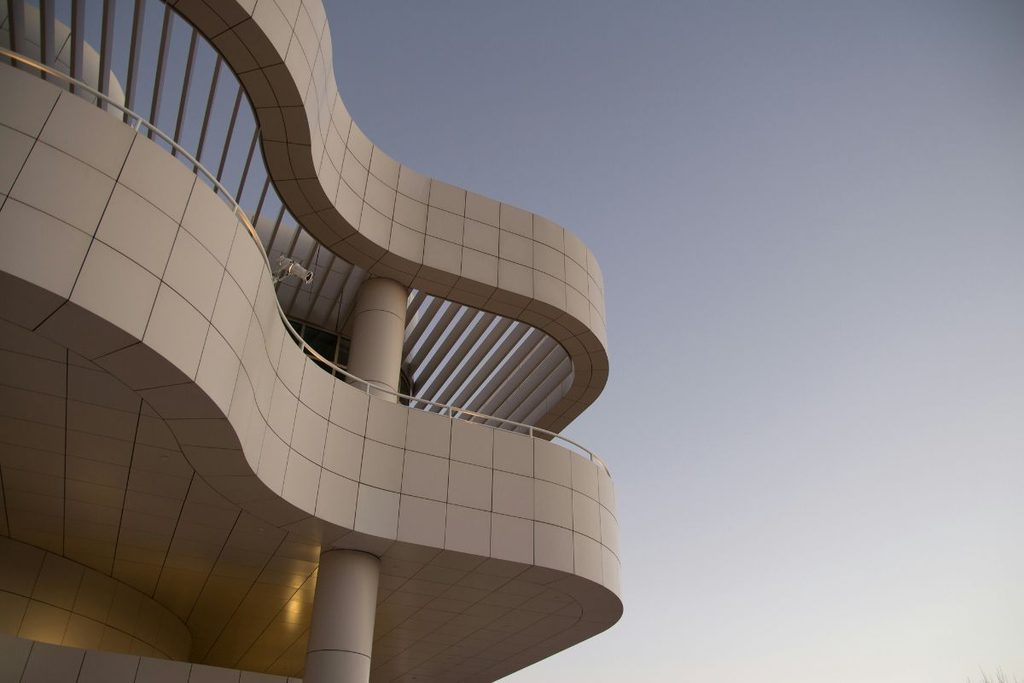
The biggest benefit of integrated safety is the quiet reassurance it offers. When protective measures are woven into the very fabric of a building, they don’t demand constant attention or create an anxious atmosphere. This psychological comfort lets people fully inhabit and enjoy a space, feeling secure without being constantly reminded of potential dangers. This idea applies to everything from smart emergency lighting that subtly guides the way to safety systems that work silently in the background. This underlying sense of security is vital for creating environments where people can thrive, whether they’re working, learning, or healing. It’s a layer of care that, while invisible, is essential for true wellbeing.
Creating Truly Restorative Spaces
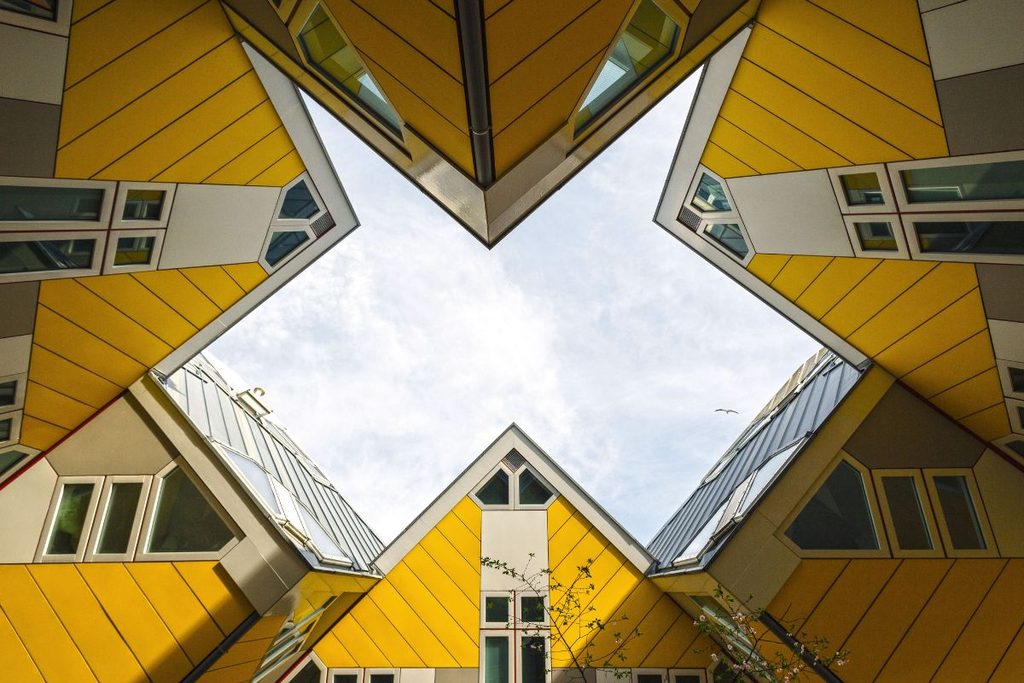
When mindfulness, functional wellbeing, and integrated safety come together, the result is a truly restorative space. These environments actively contribute to our health and happiness. Thoughtful interior choices can reinforce this effect, with well-designed spaces helping to create environments that feel calmer, more comfortable, and functional. This article on well-designed spaces and wellbeing explores how thoughtful design can influence the way people experience their surroundings. In an office, this might mean creating a workspace that encourages focus and collaboration while keeping everyone safe. In a healthcare setting, it could mean a hospital ward designed with natural light, quiet acoustics, and unobtrusive safety features that support patient recovery. At home, it’s the feeling of being in a sanctuary that’s not only beautiful and comfortable but also fundamentally secure. By designing with the whole person in mind, we can create buildings that do more than simply provide shelter; they can help us live, work, and recover better.
Ultimately, the future of mindful architecture lies in this thoughtful, human-centred approach. Designing with unseen layers of care and protection isn’t just a trend; it’s a return to the core purpose of building: to create spaces that shelter, support, and restore us.
Images courtesy of unsplash.com and pexels.com









2 thoughts on “How Mindful Architecture Creates Healthier, Safer Spaces”
Comments are closed.