Pan-Asian cuisine is a modern, umbrella style of cooking and restaurant dining that brings together dishes and culinary traditions from multiple Asian regions—typically East, Southeast, and South Asia—on a single menu, rather than focusing on just one national cuisine.
Pan-Asian is closely related to, but distinct from, “Asian fusion,” which usually mixes Asian elements with each other or with Western techniques and flavours to create new, hybrid dishes.
What Pan-Asian cuisine is
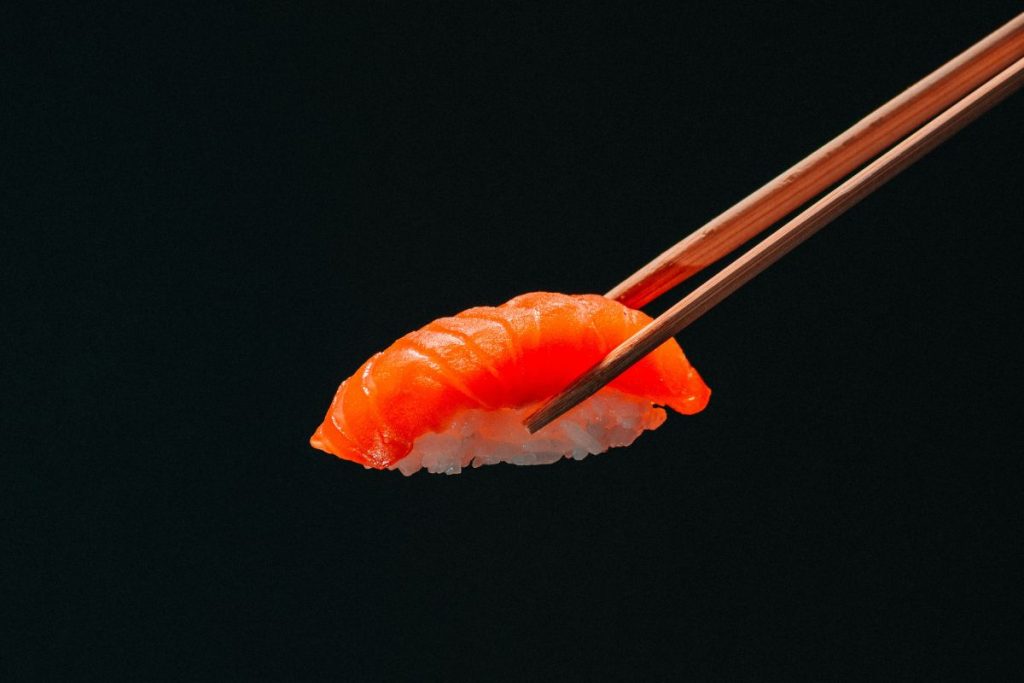
Pan-Asian cuisine usually means you can find recognizably traditional dishes from different Asian countries offered side by side while still keeping their core identity, ingredients, and techniques. A typical Pan-Asian restaurant might serve Japanese sushi, Thai curries, Chinese stir-fries and dumplings, and Vietnamese noodle dishes on the same menu, presenting them as a curated tour of the continent rather than as reinvented fusion.
Many of these concepts also organize their offerings around broad regional groupings like East Asian (China, Japan, Korea), Southeast Asian (Thailand, Vietnam, Malaysia, Indonesia), and South Asian (India, Pakistan, Sri Lanka), sometimes extending to Central and West Asian influences as well. The unifying thread is usually flavour-forward dishes built around staples like rice and noodles, soy-based seasonings, aromatic herbs, and a mix of fresh vegetables and proteins.
Where the idea came from
The historical roots lie in migration and globalization in the 19th and 20th centuries, when Chinese, Indian, and other Asian immigrant communities began opening eateries abroad, often labelled simply as “Chinese” or “Indian” regardless of regional diversity. Over time, as more Asian groups settled in major cities and diners became curious about broader Asian food cultures, restaurateurs started to broaden their menus beyond a single national canon, creating early versions of Pan-Asian dining rooms.
In Western countries like the UK and US, the shift from small immigrant cafés and curry houses toward more varied Asian offerings was fuelled by travel, media, and changing tastes; people who had visited multiple Asian countries wanted to see that variety reflected at home. As this demand grew, chefs began to present multiple Asian cuisines together in one space, marketing them under “Pan-Asian” as a way to signal range and cosmopolitan appeal.
How it evolved over time
From the late 20th century onward, Pan-Asian cuisine evolved in parallel with Asian fusion, which actively blends flavours and techniques from different Asian cultures (and often Western ones) into new dishes. In contrast, Pan-Asian menus generally kept each dish closer to its traditional form while still adapting spice levels, portion sizes, and presentation to local expectations in places like Europe and North America.
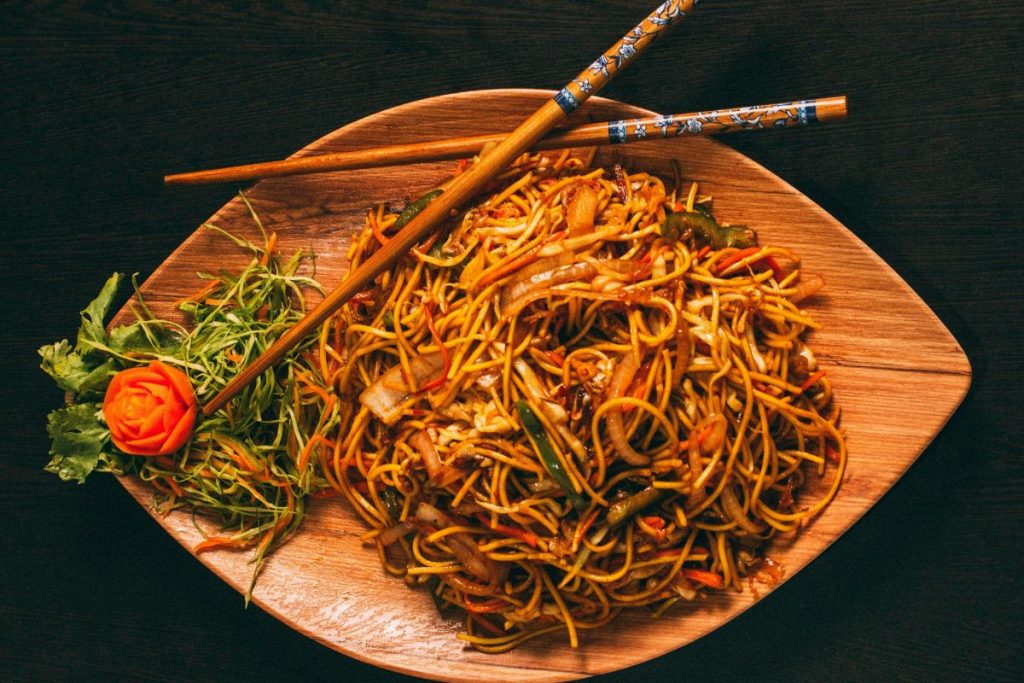
As diners became more knowledgeable, many Pan-Asian restaurants refined their offerings, highlighting regional specialties and using more authentic ingredients while still keeping the “one-stop tour of Asia” concept. At the same time, some venues moved upmarket, pairing Pan-Asian menus with contemporary interior design and cocktail programs, positioning the cuisine as modern and stylish rather than just “takeaway food.”
Pan-Asian vs Asian fusion today
Modern Pan-Asian and Asian fusion restaurants often sit side by side in big cities, and the terms are sometimes used loosely, but they describe different approaches. Pan-Asian tends to showcase classic dishes from across Asia—think pad thai, ramen, sushi, dim sum, biryani, and pho—each staying relatively faithful to its origin, just sharing the same menu.
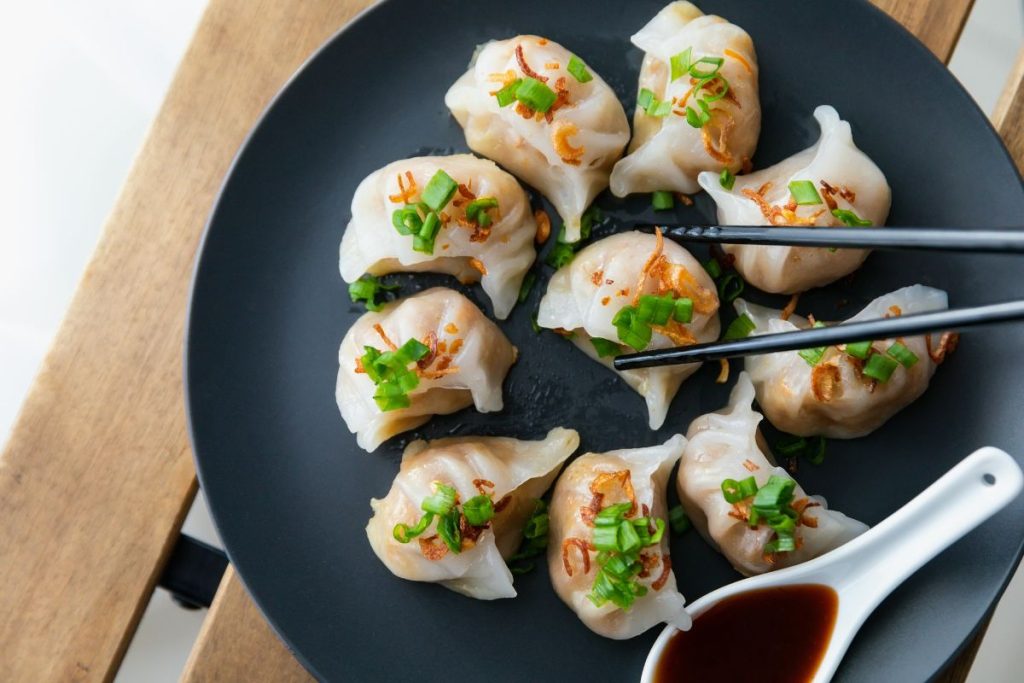
Asian fusion, by contrast, is where you are more likely to find things like sushi burritos, Korean tacos, or curries using European techniques, explicitly mixing traditions to create something new. Both styles benefit from the same forces—global travel, social media, interest in bold flavours, and a growing focus on fresh, vegetable-heavy cooking—but Pan-Asian remains more of a curated collection of existing cuisines than a laboratory for new hybrids.
What Pan-Asian cuisine looks like today
Today, this cuisine appears in many formats, from casual street-food-inspired spots and mall food courts to upscale dining rooms and hotel restaurants. Menus often pull from five broad Asian regions—West, Central, South, Southeast, and East Asia—so diners can move from Middle Eastern-style kebabs to Japanese sushi to Thai curries in a single meal, depending on how broad the concept is.
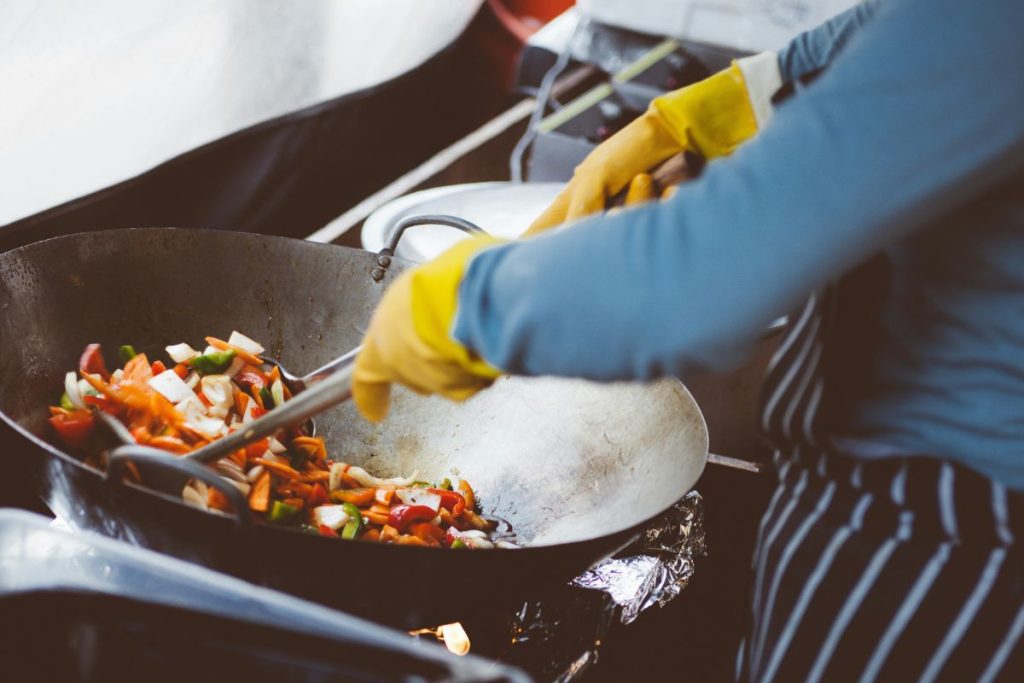
Contemporary Pan-Asian restaurants increasingly emphasize sustainability, fresh ingredients, and health-conscious choices, reflecting broader dining trends while still relying on staple techniques like stir-frying, steaming, grilling, and wok cooking. The style has also become a gateway for many people to explore more focused regional or national cuisines, as exposure to multiple dishes on one menu often sparks curiosity to “go deeper” into, say, Vietnamese or Korean food on its own.
Images courtesy of unsplash.com and pexels.com