Luxury travellers have long relied on Michelin Stars as the ultimate marker of culinary excellence. A three-star restaurant justified a transatlantic flight and a thousand-pound dinner bill.
In 2024, Michelin launched the Key system for hotels, creating a parallel distinction that has matured significantly by 2026. Today, discerning travellers face a new question: should they prioritise a property with three Keys or three Stars? The answer is not straightforward, and understanding the difference has become essential for anyone booking high-end travel.
What the Michelin Key System Represents
The Michelin Key serves as the hotel equivalent of the Star for restaurants. Inspectors evaluate properties across five criteria:
- architecture and interior design
- personality and character
- service quality
- value for price
- contribution to the local community
A Three-Key hotel is described as offering “astonishment and indulgence” – the ultimate in comfort, service, style, and elegance, worth planning an entire trip around. As of 2026, only 143 hotels worldwide hold this top distinction out of over 2,500 Key-awarded properties.
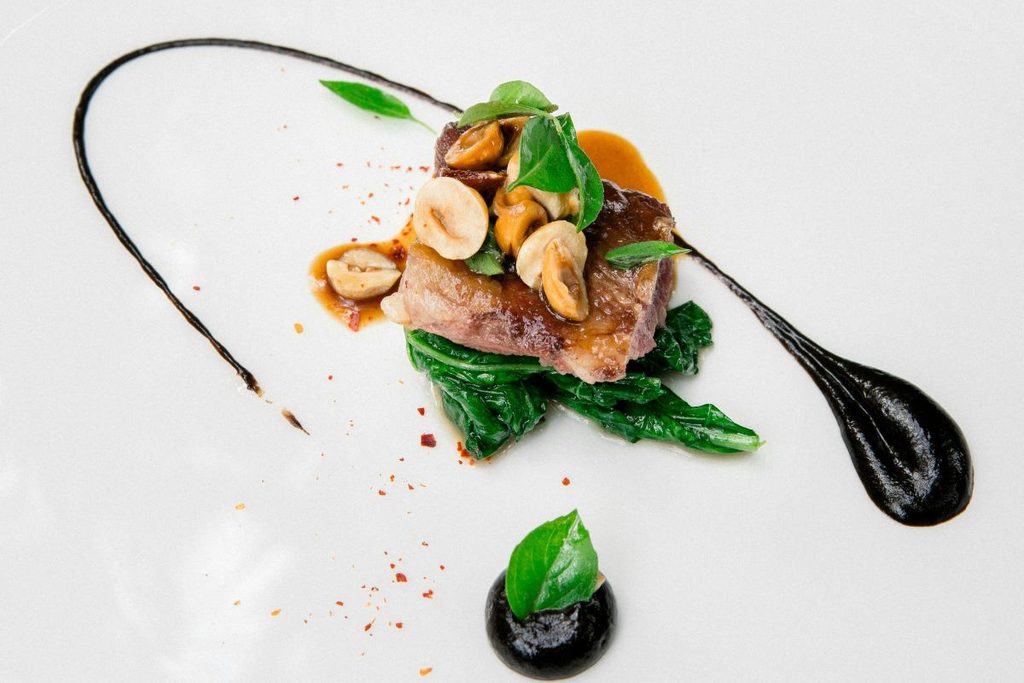
The Star system, by contrast, evaluates only the dining experience. A Three-Star restaurant represents “exceptional cuisine, worth a special journey,” with no consideration of accommodation quality or broader guest experience.
Signing Up Without the Fuss
First-time visitors to online casino platforms often consider several factors before creating an account, including registration requirements, payment methods and withdrawal processing times. For Australian players, resources covering fast withdrawal casino australia options can provide a useful starting point for understanding how different platforms approach payouts. While some operators offer streamlined registration and automated account verification, withdrawal speeds may still depend on identity checks, banking procedures and the payment method selected. Welcome bonuses can also vary between platforms, making it important to review their terms before depositing.
A new user completes registration, makes an initial deposit of modest size, and receives bonus credits immediately. The process takes under three minutes from start to first spin. This efficiency mirrors what luxury travellers expect from hotel booking platforms. No unnecessary steps, no hidden delays, just straightforward access.
Comparing the Two Systems — Key Differences for 2026
The distinction matters more than most travellers realise. Booking a hotel with three Keys guarantees nothing about the quality of its restaurant. Dining at a three-Star restaurant does not ensure a comfortable place to sleep. Understanding what each system measures makes trip planning far more efficient.

| Aspect | MICHELIN Stars | MICHELIN Keys |
| Focus | Restaurant only | Full hotel experience |
| Global count (top tier) | Approximately 140 Three-Star restaurants | 143 Three-Key hotels |
| Primary evaluation criteria | Food quality, technique, consistency | Design, service, personality, local contribution |
| Relevance for overnight stays | Indirect (hotel may house Starred restaurant) | Direct (the stay itself is the experience) |
These distinctions matter because a hotel can excel in one category without succeeding in the other. The Four Seasons portfolio demonstrates this split clearly. Sixty-nine Four Seasons properties hold Michelin Keys totalling 113 awards, including ten with three Keys. The same brand operates twenty-five Michelin-Starred restaurants across twenty-one hotels, led by Four Seasons Hong Kong with Lung King Heen (three Stars) and Noi (two Stars).
When Hotel Keys Matter More Than Restaurant Stars
Luxury travel encompasses more than dinner reservations. Several situations call for prioritising the Key rating over the Star rating.

- Extended resort stays – A week at a Three-Key property like the Newt in Somerset or Gleneagles offers daily enjoyment of grounds, spa, and service, whereas a Starred restaurant provides one memorable evening. For multi-night bookings, the broader hotel experience matters more.
- Wellness-focused trips – Properties like Canyon Ranch in Arizona hold Keys based partly on their wellness programmes, which Michelin inspectors evaluate beyond just spa facilities. A Star rating does not capture this dimension at all.
- Remote destinations – At safari lodges such as Royal Malewane in Greater Kruger (Three Keys) or Giraffe Manor in Nairobi (Three Keys), the accommodation and setting form the entire experience. A standalone restaurant cannot exist in these locations.
These three cases share one thing in common. The hotel is the destination, not just a place to sleep. When the property itself delivers the core experience, Michelin Keys become the relevant benchmark. Stars simply do not apply.
Three Scenarios Where Stars Still Lead

Culinary destinations continue to justify travel for food-focused visitors, regardless of hotel ratings.
- City gastronomy trips – A weekend in Paris or Tokyo built around dinner reservations benefits from proximity to Starred restaurants. Hotel Keys matter less when the room serves mainly as a sleeping base.
- Short stopovers – A single night between flights requires comfortable accommodation but not necessarily the “astonishment and indulgence” of a Three-Key property. A One-Key hotel with a nearby Two-Star restaurant offers better value.
- Special occasion dining – Milestone birthdays and anniversaries centre on the meal itself. The celebration dinner at Le Cinq (Three Stars) at Four Seasons George V, Paris overshadows the fact that the hotel also holds three Keys.
These scenarios prove that Stars have not lost their relevance. A traveller who cares primarily about what lands on the plate can safely ignore hotel ratings and focus entirely on restaurant guides. The Key system adds choice, not hierarchy.
Images courtesy of unsplash.com and pexels.com. Feature image supplied