You want to buy event entertainment equipment but worry about cost, setup, and reliability. Audio and lighting gear can cost thousands, and hidden fees add up.
This post will show how to weigh costs, use, transport, and support of event entertainment equipment so you pick the right gear.
Keep reading.
Evaluate Total Costs
When buying event entertainment equipment, think about the total costs. The upfront price is just one part of your budget. Hidden costs like maintenance and repairs can add up over time.
Upfront Purchase Price
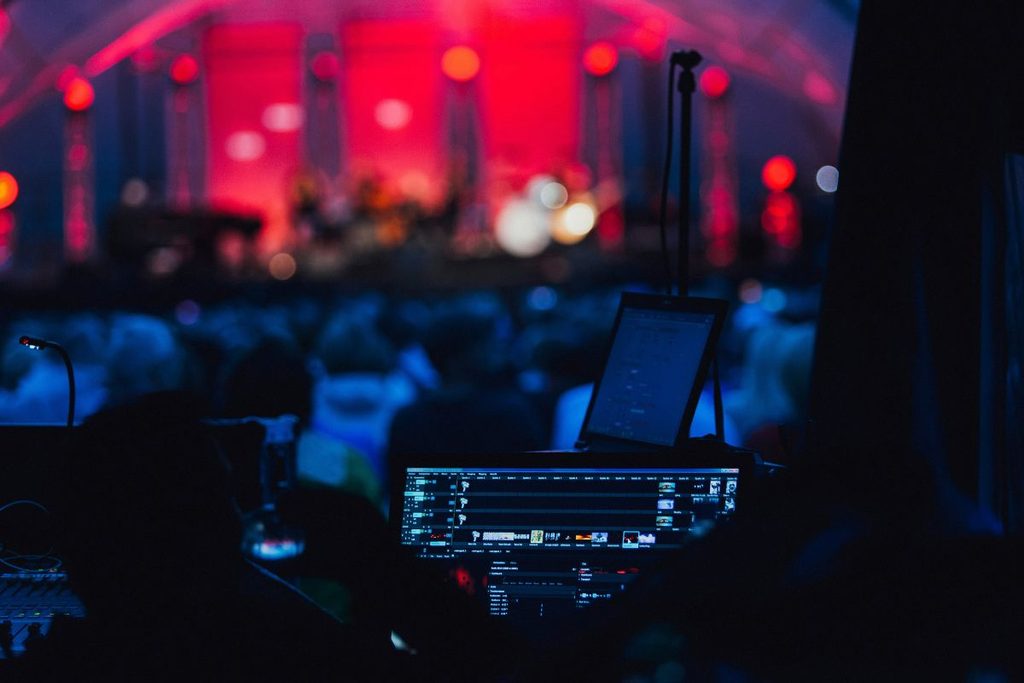
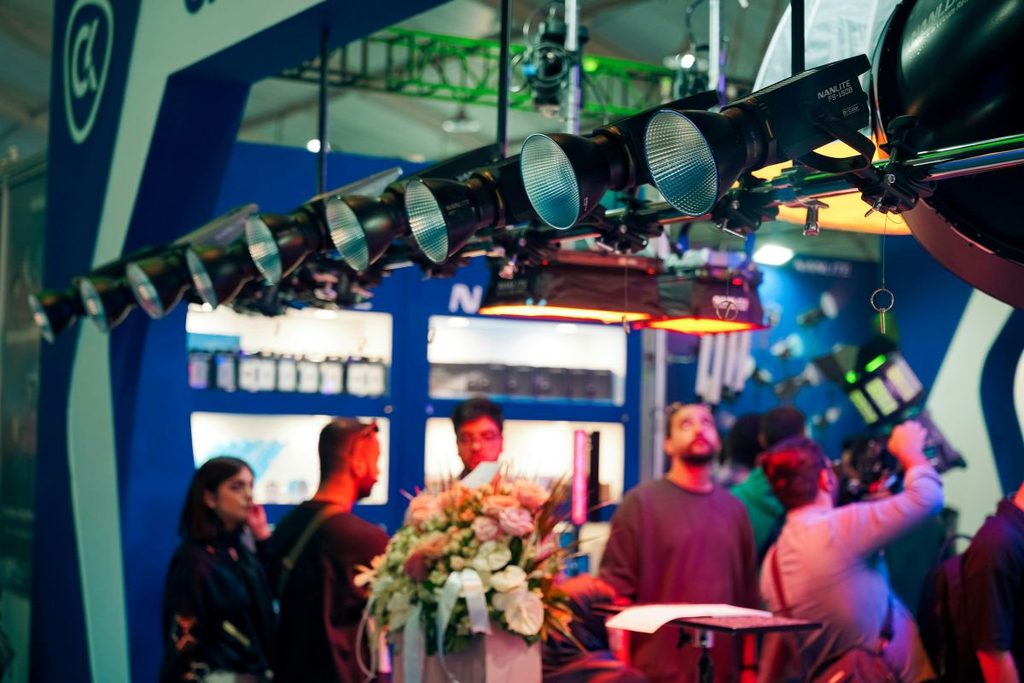
High-end speakers often cost $2,000 to $10,000 per set. Basic lighting systems range from $500 to $3,000 depending on fixtures and control boards.
Buyers must weigh purchase costs against rental options and budgeting goals. Check technical specifications and supplier reviews before you buy.
Hidden Expenses: Maintenance and Repairs
Account for ongoing maintenance and repair expenses up front.
| Item | What to check | Example cost or note |
| Routine maintenance | Schedule cleaning and calibration. | Plan 5 to 15 percent of purchase price annually. |
| Preventive inspections | Inspect wiring, mounts, and moving parts. | Budget for two inspections per year. |
| Parts replacement | List common wear parts and lead times. | Keep three spare critical parts on hand. |
| Emergency repairs | Secure a local repair contact. | Allow a contingency equal to 10 percent of yearly maintenance. |
| Labor costs | Estimate hourly rates for techs. | Use $50 to $120 per hour as a working range. |
| Warranties and service plans | Compare coverage limits and exclusions. | Extended plans often cost 8 to 20 percent of price. |
| Downtime and revenue loss | Calculate lost bookings during repairs. | Factor one to three events lost per major failure. |
| Consumables | Track bulbs, cables, fuses, and fluids. | Set aside $200 to $1,000 annually per kit. |
| Transport for repair | Note shipping size and insurance needs. | Allow $50 to $500 per shipment depending on gear. |
| Example budget | Combine all lines into one annual figure. | Expect total upkeep equal to 15 to 30 percent of original cost. |
Assess Usage Frequency
Think about how often you will use the equipment. Will it be for regular events or only occasional ones?
Regular vs. Occasional Use
Decide how often you will use the gear.
| Factor | Regular Use | Occasional Use |
| Frequency | Daily or weekly events. High operational hours. Fast wear rates likely. | Monthly or seasonal events. Low operational hours. Lower wear rates expected. |
| Cost Justification | Higher purchase price spreads out over many events. Cost per event drops. | Lower purchase price favored. Renting can cut long term expense. |
| Durability Needs | Choose commercial grade gear. Expect heavy use and rough handling. | Consumer grade may suffice. Aim for good condition between uses. |
| Maintenance | Plan scheduled servicing every 3 to 6 months. Track repair logs. | Inspect before each event. Minor repairs only as needed. |
| Training | Staff need full training and repetition. Certifications may be required. | Brief setup guides and checklists work. Fewer trained staff needed. |
| Storage Impact | Allocate permanent, climate controlled space. Use shelving or racks. | Use compact cases. Store offsite if space is limited. |
| Resale Value | High use lowers resale. Buy with long warranties. | Low use preserves condition. Resale price stays higher. |
| Recommendation | Buy rugged gear if use exceeds 20 events per year. | Rent or buy entry level units if use stays under 10 events per year. |
Next, plan for storage and transport needs.
Consider Storage and Transportation
Think about how much space you need for the equipment. You should also plan how to move it from one place to another. These factors can affect your budget and setup time, too.
For detailed tips on storage and transport, keep reading!
Space Requirements for Equipment
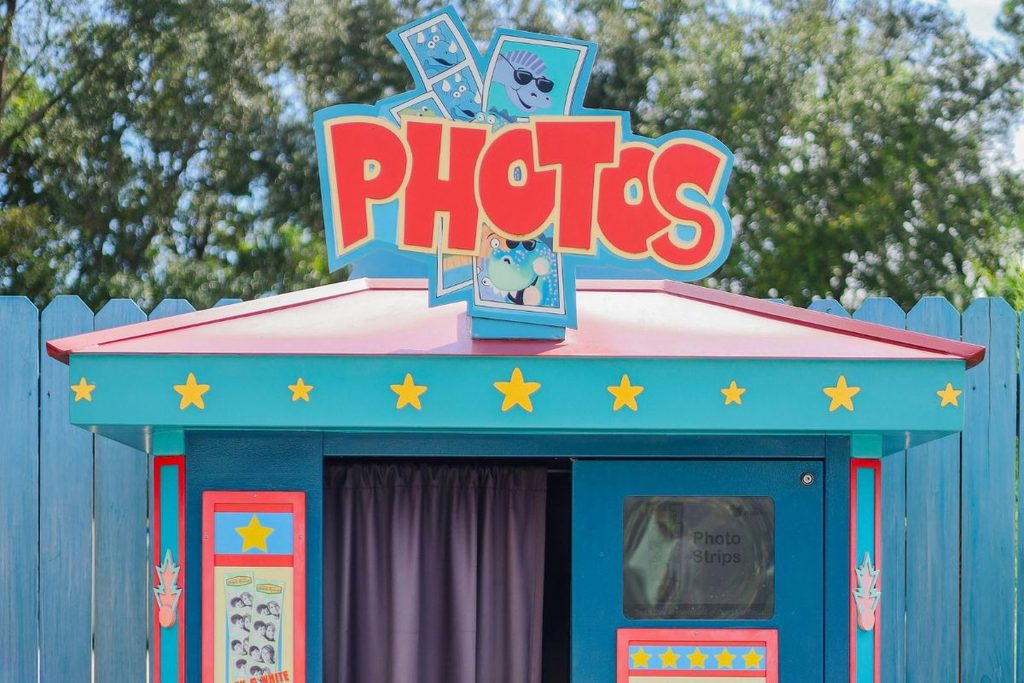
Space is key for storing event entertainment equipment. Audio gear, lighting systems, and other items need adequate room. Measure the size of each piece carefully. Think about how much space you can spare in your venue as well.
If you’re considering photo booths for sale as part of your event setup, remember to account for the booth itself, props, backdrops, and enough surrounding space for guests to use it comfortably.
Transportation also plays a big role in planning. You will need enough space to load and unload equipment easily. A tight area can slow down setup time and create hassles during events.

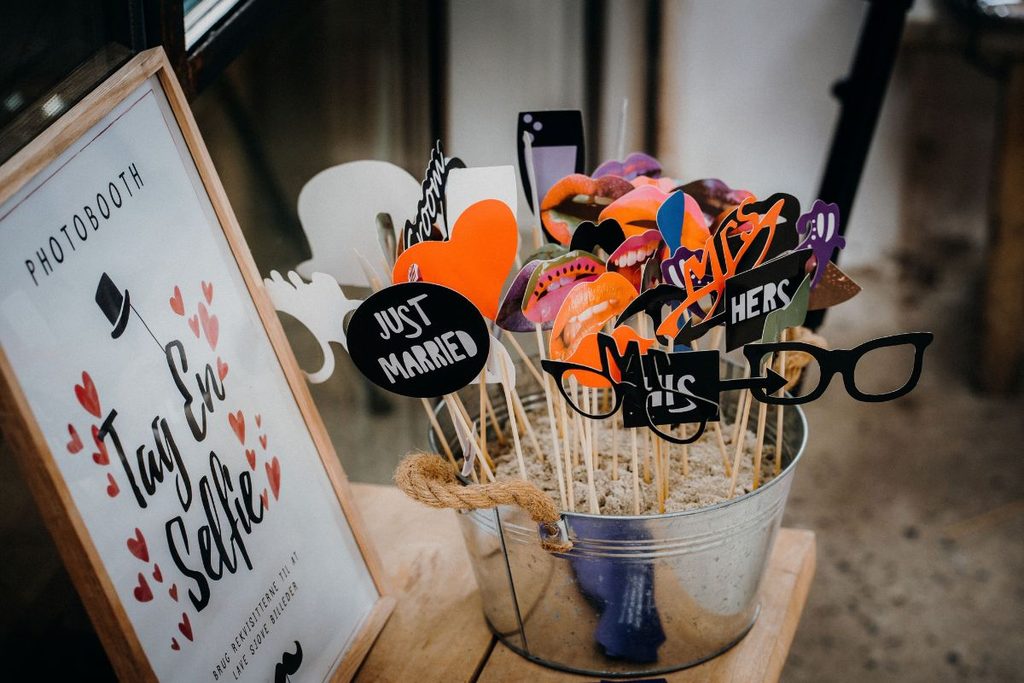
Assess both storage needs and transport routes before making any decisions.
Transportation Logistics and Costs
Transportation logistics and costs are key factors when buying event entertainment equipment. Consider how you will move the items to and from your venue. Costs can add up quickly with delivery fees, fuel charges, or rental trucks.
Evaluate if you have enough space for storage at the venue. Equipment can be large and heavy. You may need help loading and unloading it. Check your budget for these additional expenses before making a purchase.
Labor and Setup Requirements
Labor and setup needs can vary based on the equipment you choose. You might need a larger crew for big events. Consider how much time they will need to set up and take down the equipment.
Training may also be required for your team to use it correctly. Learning about these needs can help you plan better. Want to find out more? Keep reading!
Crew Size Needed for Setup and Teardown
Setting up and tearing down event equipment requires careful planning. The crew size can affect efficiency and safety.
- A small event may require 2 to 4 crew members for setup. This allows for quick processing while ensuring all tasks are done correctly.
- Larger events usually need 5 to 10 crew members or more. More hands can help manage bigger equipment like lighting systems and audio equipment.
- Crew members should have clear roles during the setup process. Assigning specific tasks helps avoid confusion and speeds up work.
- Training is essential for crew members before the event starts. Workers need to understand how to handle the technical specifications of the equipment properly.
- Communication among crew members is crucial during setup and teardown. Clear signals help everyone know what to do next, improving teamwork.
- The venue also impacts crew size requirements. Some locations require more staff because of accessibility issues or complex logistics.
- Always consider labor costs when planning an event budget. More team members will increase costs, so plan accordingly to stay within budget limits.
Planning the right crew size ensures a smooth operation and successful events.
Time and Training Demands
Labor and setup needs can change based on the equipment. You may require extra crew members to help with setup and teardown. More complex equipment might need skilled workers for proper use.
Training staff is key to avoid problems during events. Time spent training will pay off in better performances and fewer errors. Quick learning will save time later, ensuring everything runs smoothly at your event.
Check Equipment Durability and Support
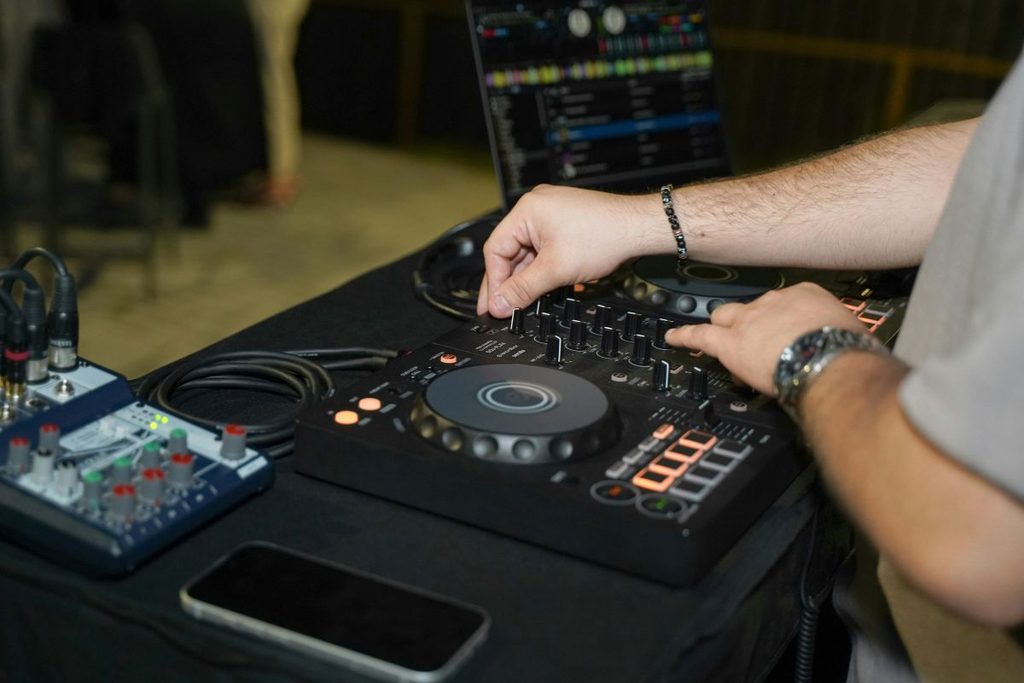
Choose equipment made from strong materials for lasting use. Look for solid warranties and good support after the sale. This will help you avoid problems down the road. Want to learn more about making smart choices in event equipment?
Commercial-Grade Materials for Longevity
Commercial-grade materials last longer than standard ones. They can handle heavy use and rough conditions. Many people use this type of equipment for events. High-quality audio equipment and lighting systems are often made from these strong materials.
This helps them survive wear and tear over time.
Warranties play a big role too. A good warranty can cover repairs or replacements if something goes wrong. After-sale support also matters when you buy entertainment options. Reliable suppliers will help with any issues that come up after purchase.
Warranties and After-Sale Support
Warranties protect your investment in event entertainment equipment. They offer assurance that the equipment will work as promised. Many companies provide different types of warranties, so check what each one covers.
Seek warranties on parts and labor.
Post-sale support is just as important. Reliable customer service can help you solve problems quickly. Inquire with suppliers about their support options before buying. Good post-sale care can make a significant difference in your experience with audio equipment or lighting systems.
Conclusion
Buying event entertainment equipment requires careful thought. Costs can add up quickly, so know the total expenses before you buy. Think about how often you’ll use the gear. Make sure you have enough space to store it and a plan for transport.
Consider the setup time and labor needed. Check if the equipment is durable and if support is available after your purchase. Taking these steps will help you choose wisely for your next event.
Images courtesy of unsplash.com and pexels.com