Encouraging early learning through play is a crucial aspect of child development. Play-based learning not only makes education enjoyable but also helps children develop critical cognitive, social, and emotional skills. It’s essential to integrate playful activities into daily routines to create a stimulating and engaging environment for young minds.
Parents and educators can employ various strategies to foster early learning through play. By incorporating simple, fun activities, children can learn fundamental concepts and develop a love for learning that lasts a lifetime. In this article, we’ll explore several creative methods to enhance early learning through play.
Sensory Play
Sensory play involves activities that stimulate a child’s senses, helping them understand and explore the world around them. These activities are designed to engage the senses of touch, sight, sound, smell, and taste, providing a rich learning experience. If you’re looking for resources and tools to support your child’s learning journey, check out Happy Little Doers for a range of educational products designed to make learning fun and effective.

A straightforward sensory play activity is a sensory bin. Fill a container with materials such as rice, beans, sand, or water, and add objects like small toys, spoons, and cups. Children can explore the textures, sounds, and movements of these materials, enhancing their sensory development. Sensory bins also promote fine motor skills as children scoop, pour, and manipulate the objects within the bin.
Another excellent sensory play activity is making homemade playdough. This allows children to engage their sense of touch while developing creativity and hand strength. Adding scents and colours to the playdough can further enrich the sensory experience, making the activity even more engaging and beneficial for early learning.
Role-Playing Games
Role-playing games are a fantastic way to foster early learning. These activities encourage children to use their imagination, develop social skills, and understand various roles and responsibilities.
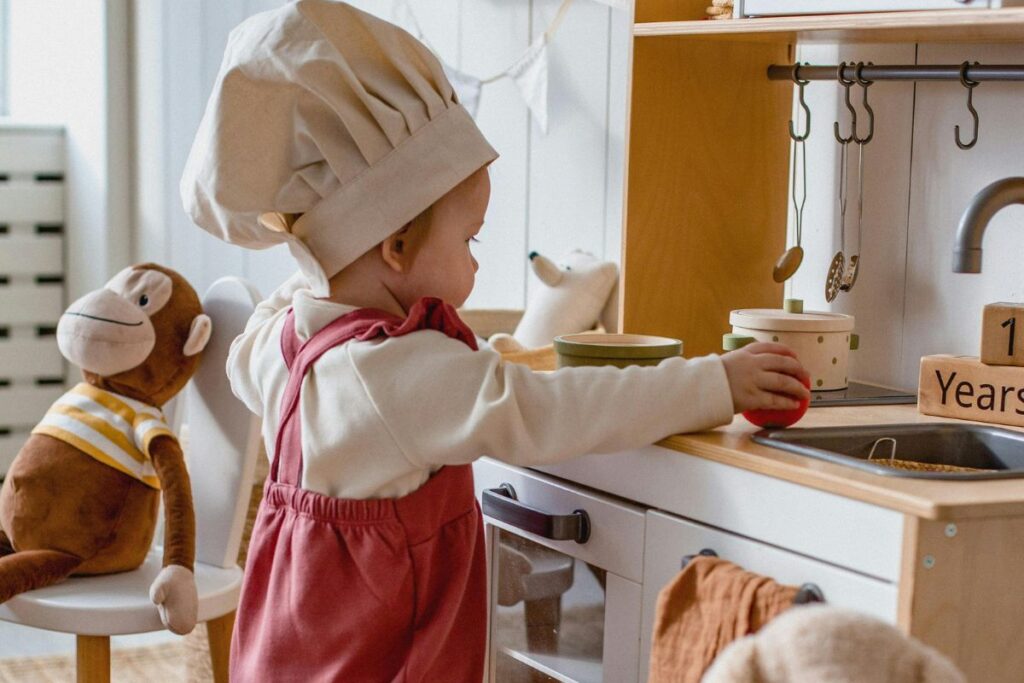
One popular role-playing game is setting up a pretend shop. Provide children with items such as toy cash registers, fake money, and various goods. They can take turns being the shopkeeper and the customer, learning about money, communication, and basic math skills in the process.
Another role-playing idea is a doctor’s office. Equip children with toy medical kits, including stethoscopes, thermometers, and bandages. They can play the roles of doctors and patients, which helps them learn about healthcare, empathy, and
problem-solving. These role-playing scenarios are not only fun but also provide practical knowledge and social interaction.
Outdoor Play
Outdoor play offers a wealth of opportunities for early learning. It promotes physical development, creativity, and an appreciation for nature. Simple outdoor activities can have significant educational benefits for young children.

A nature scavenger hunt is an engaging outdoor activity. Create a list of items for children to find, such as leaves, stones, flowers, or insects. This activity encourages children to observe their environment, learn about different plants and animals, and develop their vocabulary as they identify and discuss their findings.
Gardening is another excellent outdoor play activity. Involving children in planting seeds, watering plants, and watching them grow teaches them about biology, responsibility, and patience. Gardening also enhances fine motor skills and can be a relaxing and therapeutic experience for children.
Creative Arts and Crafts
Arts and crafts are perfect for fostering creativity and fine motor skills. These activities allow children to express themselves, explore different materials, and develop their artistic abilities.
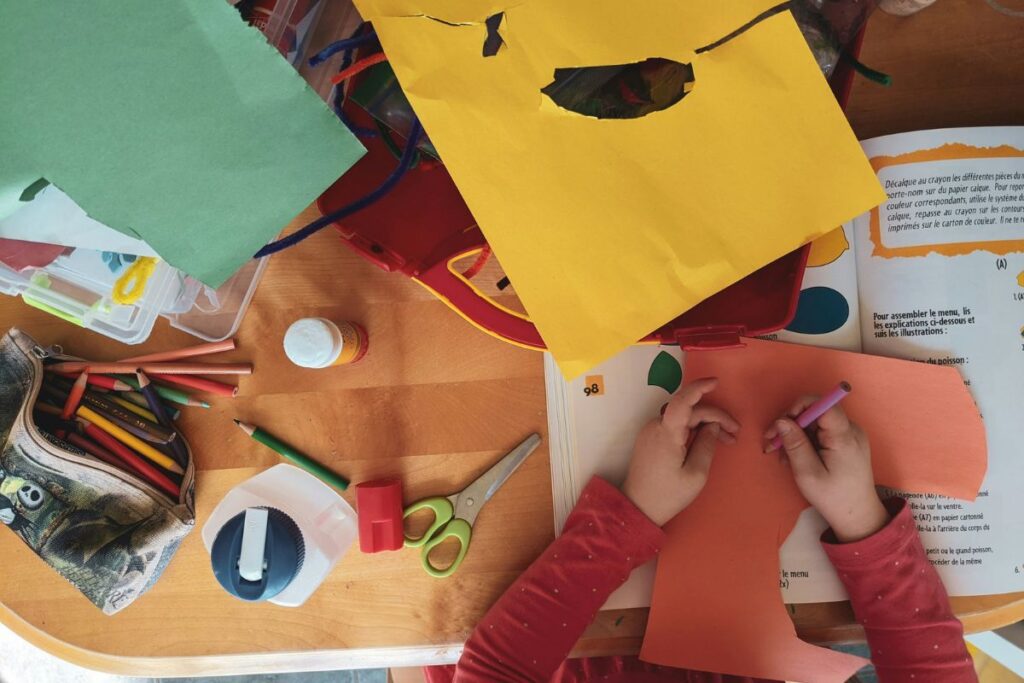
One simple but effective arts and crafts activity is creating collages. Provide children with a variety of materials such as paper, fabric, buttons, and stickers. Encourage them to glue these items onto a large sheet of paper to create their own unique artwork. This activity not only enhances creativity but also improves hand-eye coordination and decision-making skills.
Another fun craft activity is making homemade musical instruments. Using everyday household items like cardboard tubes, plastic containers, and rubber bands, children can create their own instruments and explore different sounds and rhythms. This activity fosters creativity, auditory skills, and an understanding of basic musical concepts.
Interactive Storytelling
Interactive storytelling is a powerful tool to enhance early literacy and imagination. By engaging children in the storytelling process, they become active participants rather than passive listeners.


One method of interactive storytelling is using puppets or stuffed animals to act out stories. This can make the stories more engaging and relatable. Children can take turns being the narrator or the characters, which helps improve their language skills, creativity, and understanding of narrative structure.
Another approach is to create a story jar. Fill a jar with slips of paper, each containing a different prompt, such as a character, a setting, or a plot twist. Children can draw slips from the jar to help create a unique story. This activity encourages creative thinking and helps develop a child’s ability to construct and tell a story.
By integrating these creative play activities, parents and educators can significantly enhance early learning experiences.
Images courtesy of unsplash.com and pexels.com