A beautifully prepared suite is only part of what makes a luxury hotel memorable. Behind the welcome, attentive service and effortless-looking details are people who understand guests and work well under pressure.
If you are exploring a Bachelor’s Degree as one possible route into hospitality within luxury hotels, start by comparing study options with the experience employers actually value. Your first move need not be a management job or a famous resort placement.

Look Beyond the Glamour of Five-Star Hospitality
A luxury hotels service is built on consistency rather than grand gestures alone. A guest may remember how calmly a receptionist handled a delayed arrival or how a concierge suggested an experience that suited their interests.
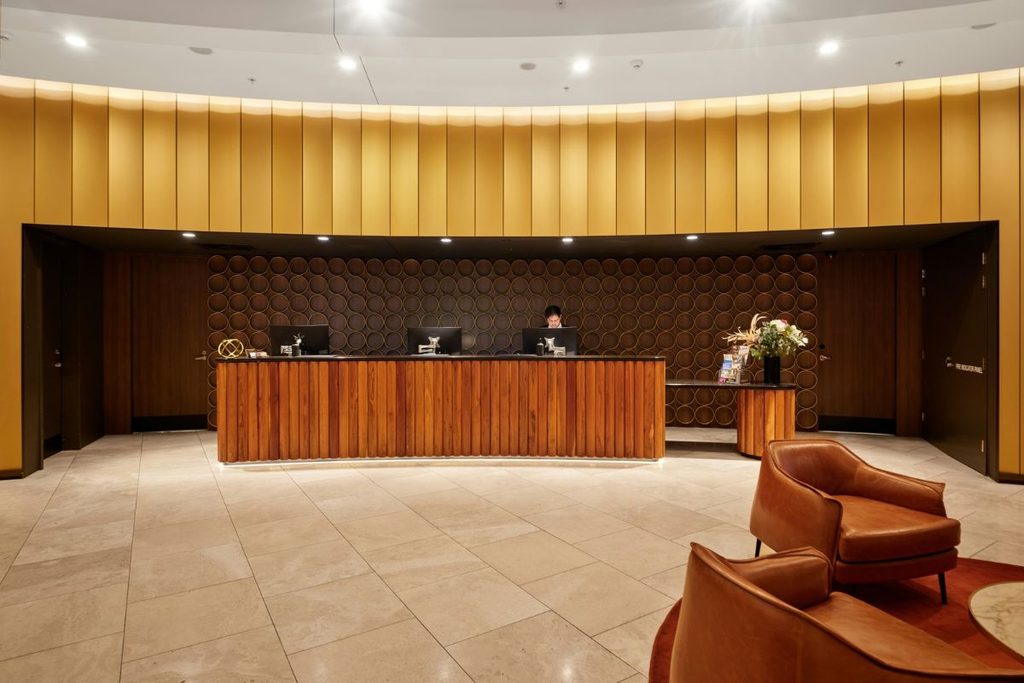
That makes observation, discretion and teamwork essential. Hotel departments depend on one another, so even an excellent front-desk interaction can be undermined by a missed housekeeping update. Recognising these connections helps you identify the skills required across different hospitality roles.

A bachelor’s degree in hospitality or business management can provide a broader understanding of how hotel operations, customer experience and team coordination work together. This academic foundation may help aspiring professionals prepare for responsibilities beyond their initial positions.
Explore Career Paths Through Higher Education
A bachelor’s degree can introduce students to different areas of hospitality management, helping them identify roles that match their interests and strengths. Academic study can also develop transferable skills relevant to luxury hotels, resorts and other premium hospitality businesses. For those considering this route, several areas of learning can support future career development:
- hospitality operations — understand how reception, reservations, housekeeping and food and beverage departments work together;
- guest experience — explore service standards, customer expectations and ways to handle complex requests;
- business management — develop knowledge of budgeting, resource planning and commercial decision-making;
- professional communication — strengthen interpersonal skills and approaches to working with international guests;
- practical experience — apply academic concepts through projects, placements or other relevant workplace opportunities.
These areas can help students make more informed decisions about their future specialisation. Combining theoretical knowledge with practical experience may also support progression towards supervisory and management positions.
Build a Foundation for Higher Education

For those planning a career in luxury hospitality, preparation for university can be an important first step. Foundation-level study helps aspiring students strengthen academic skills and explore subjects relevant to future business or hospitality management programmes.
IHCL offers Level 3 Bachelor’s Degree Pathways designed to support progression towards further education. Its ACEL teaching model and custom-made learning management system (LMS) provide a structured approach to developing essential knowledge and study skills.
These preparatory qualifications can help learners explore their academic interests before choosing a university programme. Entry requirements and qualification recognition should be considered when planning the next stage of education.
Combine Academic Learning with Practical Experience

Academic preparation is an important foundation, but practical experience helps aspiring hospitality professionals understand how luxury service works in real settings. Part-time roles, industry placements and supervised projects can provide opportunities to apply communication, teamwork and problem-solving skills.
For students pursuing higher education, these experiences can complement classroom learning and offer a clearer picture of different hospitality careers. Observing how hotel departments coordinate their work also helps future professionals recognise the responsibilities involved in supervisory positions.
A career in luxury hospitality starts with curiosity, dependable service and a willingness to improve. Combining academic preparation with practical experience can help aspiring professionals take confident steps towards their goals. IHCL offers supportive learning opportunities that provide a foundation for further education and future development in hotels and resorts.
Images courtesy of unsplash.com and pexels.com