Think back to the last time a hotel genuinely impressed you. Chances are, the feeling started long before anyone took your bag. It may have begun with a photograph you saved months earlier, the tone of a confirmation email, or the soft scent that drifted out as the doors opened.
The best luxury hotels understand that a stay is not a single moment but a sequence of small, carefully chosen signals, and that guests start forming an opinion the second they first hear the name.
So what exactly are these signals, and why do some hotels get them so right while others, despite the marble and the price tag, feel strangely forgettable? Here is a look at the quiet craft behind the places we remember, and what it means for anyone planning their next special trip.
It Starts With a Name and a Look
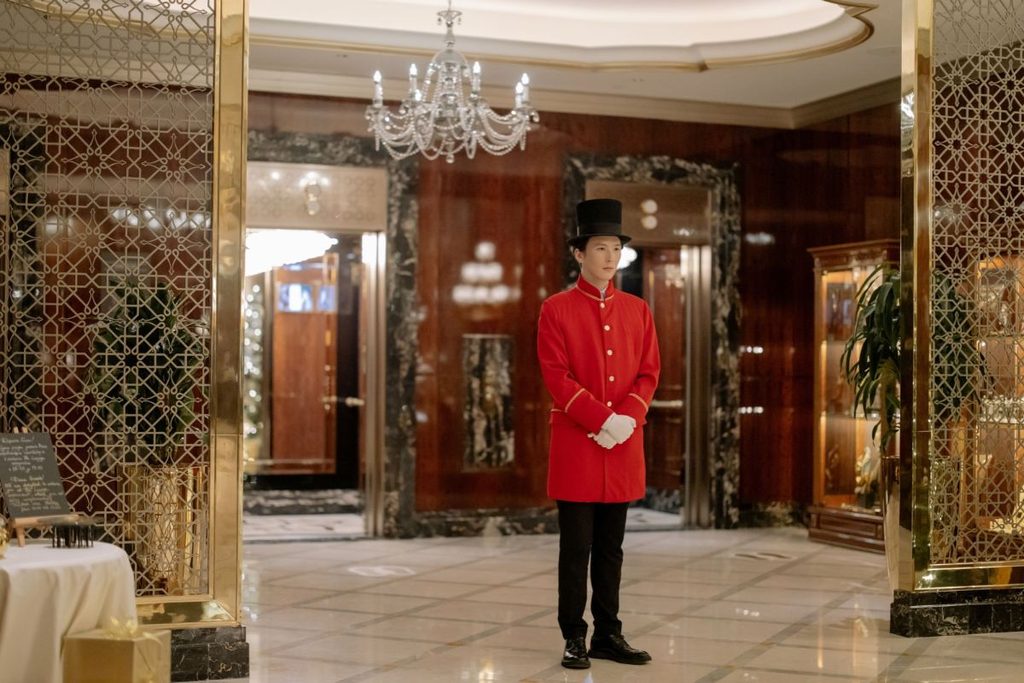
Before a guest reads a single review, they meet a hotel through its identity: the name, the logo, the typeface and the colours on its website. These elements do a surprising amount of work. A good identity tells you, almost instantly, whether a place is playful or serious, contemporary or steeped in history, a buzzy city bolthole or a hushed countryside retreat.
Look closely at the luxury hotels that consistently top travel wish lists and you will notice a pattern of restraint. There is rarely a crowded logo or a rainbow of colours. Instead, you tend to find a single elegant typeface, a muted palette and plenty of white space. Budget brands often need to shout to be heard; luxury brands can afford to whisper, because the confidence of a simple look suggests they have nothing to prove.
That restraint carries through to photography as well. Rather than cramming every amenity into one wide shot, the best hotels show you a half-drawn curtain, a breakfast tray in morning light or a single armchair by a window. They are not selling square metres. They are selling a feeling, and they trust you to fill in the rest.
The Agencies Behind the Atmosphere
None of this happens by accident. Many of the luxury hotels, resorts and private members’ clubs that feel effortlessly polished have worked with specialist branding studios to shape every touchpoint a guest will encounter. London has become something of a hub for this kind of work, with agencies such as ikon.london focusing on helping luxury and premium brands turn a story into a consistent visual and emotional language.
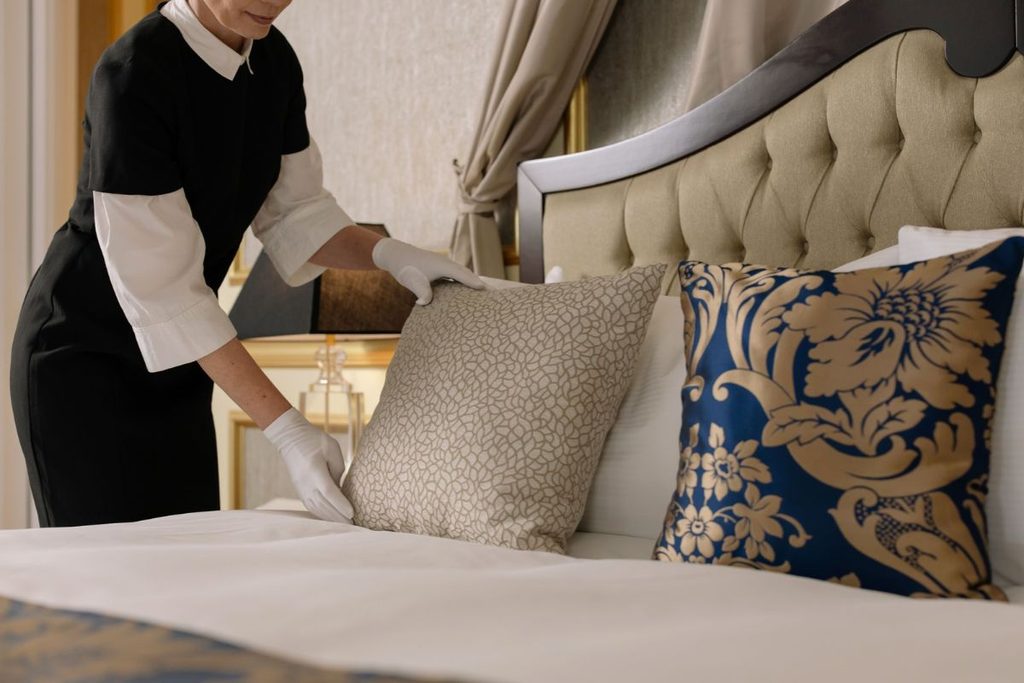
The aim is not simply a beautiful logo. It is coherence. The keycard in your hand, the room service menu, the staff uniforms, the welcome card on the pillow and the hotel’s social media feed should all feel as though they came from the same mind. When that happens, guests rarely notice it consciously. They just sense that the place “makes sense”, and that sense of harmony is a large part of what we mean when we describe somewhere as luxurious.
When it goes wrong, the effect is equally noticeable. A stunning lobby paired with a clumsy website, or an elegant suite let down by a cheap-looking laminated card, creates a small jolt of doubt. In a sector where guests are paying a premium for perfection, those jolts can cost a hotel its reputation.
Scent, Sound and the Senses
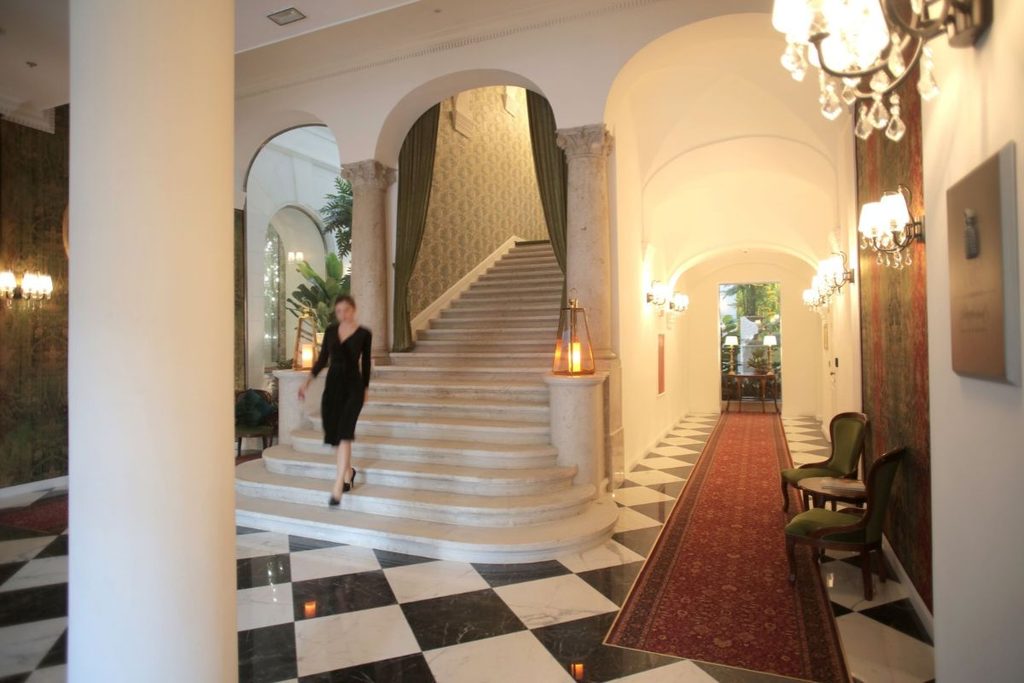
Visual identity is only the beginning. The most memorable luxury hotels think about every sense, and many now treat scent with the same seriousness as their logo. A signature fragrance, diffused gently through the lobby and corridors, becomes a kind of memory anchor. Catch a hint of it months later and you may find yourself transported straight back to that terrace or that rain-soaked city break.
Sound is handled with the same care. The music in reception is chosen to set a pace, calm in the morning and a little livelier as the evening bar fills up. Thick carpets and heavy doors keep noise in check, so the overall impression is one of quiet. Even touch matters: the weight of a door handle, the texture of the bath robe and the crispness of the linen all quietly reinforce the message that nothing here has been left to chance.
These choices are usually invisible in a brochure, yet they are often what guests describe first when they tell friends about a stay. Few people rave about a hotel’s floor plan. Plenty will tell you about the smell of the lobby or the way the bed felt on the first night.
Small Details, Big Impressions
If the senses set the mood, it is the small human details that turn a stay into a story. A handwritten note welcoming you by name, a member of staff remembering how you take your coffee, a pair of slippers in the right size or a local treat left out at turndown: these gestures cost very little, but they signal attentiveness in a way no amount of gold leaf can.
What makes them powerful is that they feel personal rather than scripted. The very best hotels give their teams the freedom to notice and respond. If you mention at check-in that you are celebrating an anniversary, you might return to find a bottle chilling in your room, or a table quietly upgraded at dinner. Guests remember being seen far longer than they remember thread counts.
Why Heritage and Exclusivity Still Matter
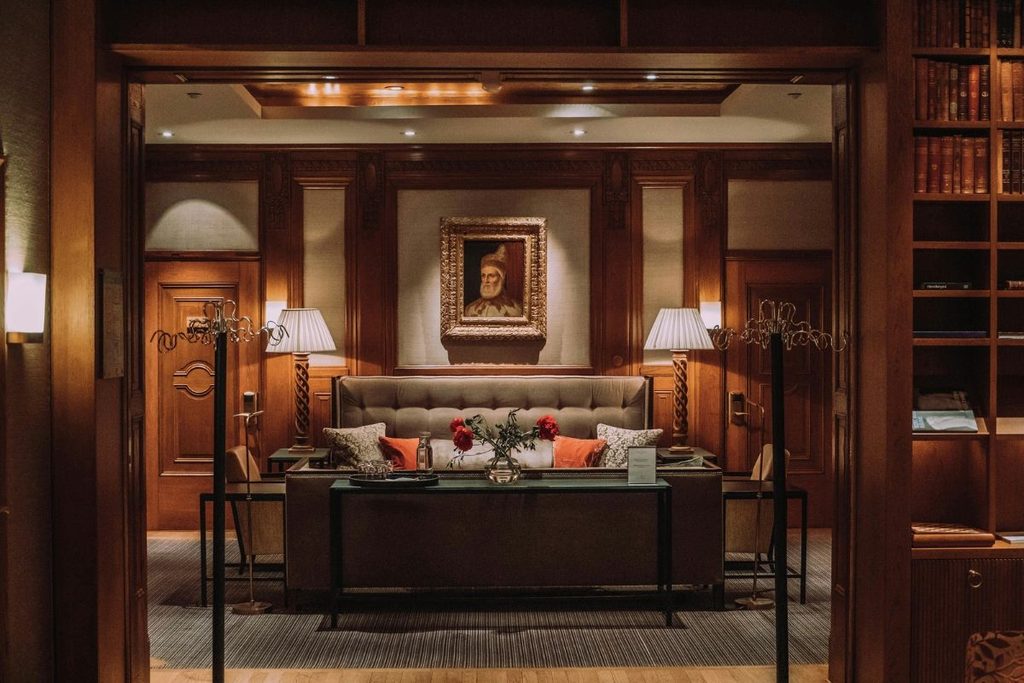
Luxury hotels borrow from the same playbook as the world’s great fashion and jewellery houses. A strong, recognisable identity, a sense of exclusivity, a respect for heritage and an obsession with craftsmanship all play their part. As H&N has explored when looking at what makes luxury brand items successful, the brands that endure tend to combine several of these qualities rather than relying on just one, and the same holds true in hospitality.
Heritage is a particularly valuable asset. A hotel that has welcomed guests for a century has stories to tell, whether that is a famous former resident, a wartime history or a cocktail first mixed at its bar. The smartest properties lean into those stories without becoming museums, pairing original features with thoroughly modern comfort.
Exclusivity, meanwhile, has evolved. It is less about velvet ropes and more about access: a private dining room, a guided visit to a gallery before it opens, or a rooftop reserved only for residents. Guests want to feel they are part of something that cannot simply be bought off the shelf.
The Shift Towards Experience
Over the past decade, travellers have grown less impressed by sheer opulence and more interested in meaning. A marble bathroom is lovely, but a morning foraging with the hotel’s chef, a pottery class with a local artisan or a sunrise walk led by someone who grew up in the area is far more likely to become the highlight of a trip.
Luxury hotels that understand this build their brand around a sense of place. The interiors reference local materials and crafts, the menus celebrate regional producers, and the concierge acts more like a well-connected friend than a booking desk. The result is a stay that feels rooted somewhere specific, rather than a polished room that could be anywhere in the world.
How to Spot the Real Thing When You Book
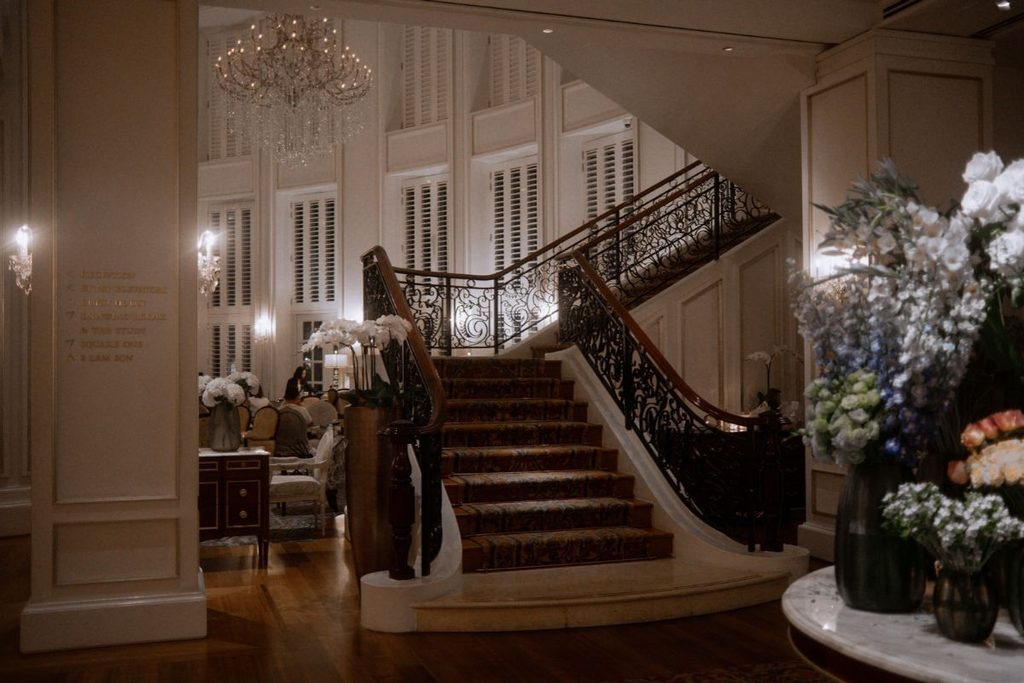
So how can you tell, before you hand over your card details, whether a hotel will deliver that elusive feeling? A few simple checks can help.
- Look for consistency. Compare the website, the social media accounts and the photos posted by guests. If they all tell the same story, it is a good sign the hotel knows exactly who it is.
- Read reviews for the details. Skim past the star ratings and look for mentions of staff by name, small surprises and how problems were handled. These reveal far more than comments about room size.
- Make contact before you arrive. Send a simple question by email and see how you are treated. A warm, thoughtful reply that answers what you actually asked is often a preview of the stay itself.
- Ask about the experiences. Find out what the hotel offers beyond the room, from local partnerships to guided activities. The best places will be delighted to tell you.
The Feeling That Stays With You

Luxury, in the end, is not a single grand gesture but hundreds of small, considered ones working together. The name, the look, the scent, the welcome and the stories all combine into a feeling that lingers long after you have unpacked at home. The next time a hotel makes you feel genuinely special, take a moment to notice the details, because someone, somewhere, will have thought very carefully about every one of them.
Images courtesy of unsplash.com and pexels.com