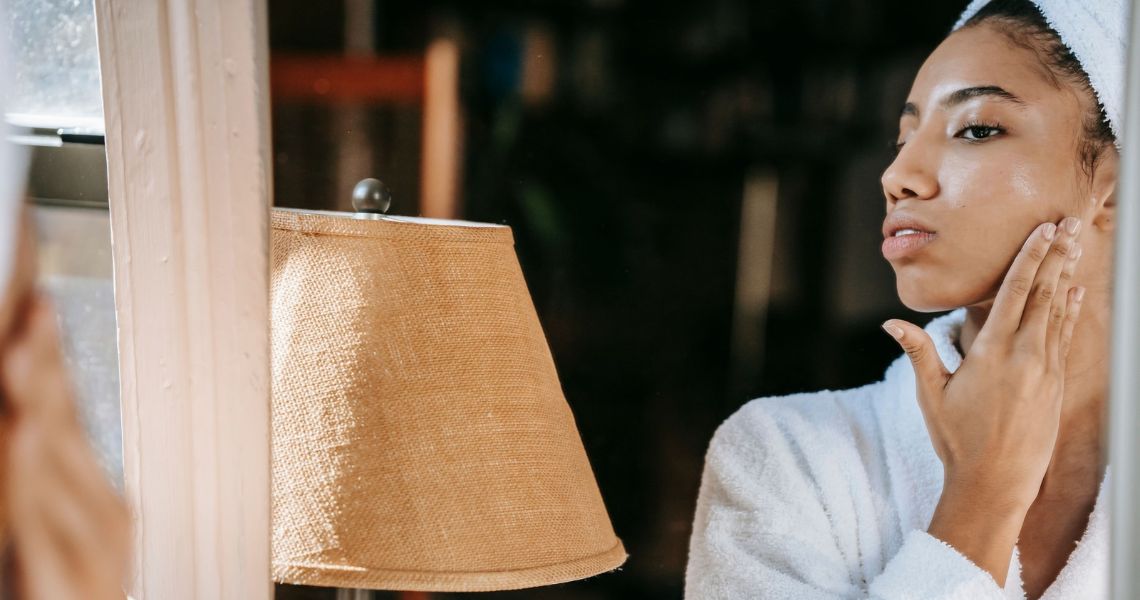
As Brits start booking winter getaways, Christmas market breaks and festive weekends across Europe, beauty experts are warning that where you sit on the plane could have a bigger impact on your skin than the products in your hand luggage.
With popular Christmas market destinations including Vienna, Prague, Budapest, Kraków and Berlin just a short flight from the UK, the coming months will see millions of travellers taking short-haul flights for autumn and winter breaks. Fresha, the world’s leading beauty and wellness booking platform, has analysed expert insights alongside cabin airflow patterns to reveal which plane seat is most likely to leave passengers with dehydrated, tight or irritated skin before they even reach their destination.
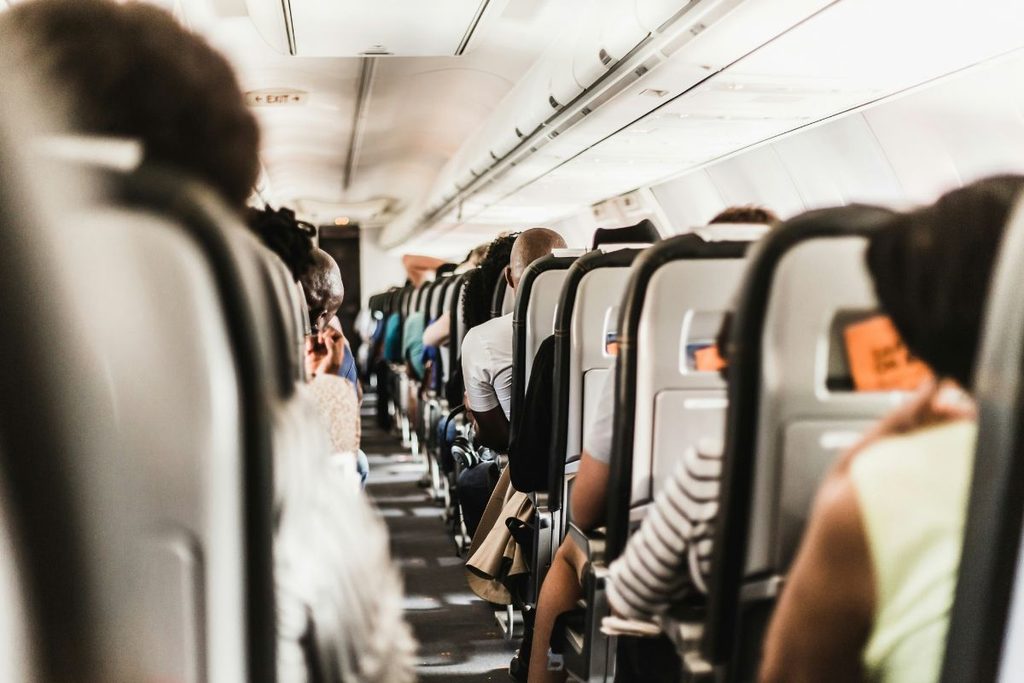
According to Danielle Louise, beauty expert on the Fresha app, humidity levels inside an aircraft cabin can fall below 20%, making the air drier than the Sahara Desert. Combined with recycled air, increased UV exposure at cruising altitude and hours of sitting still, some seats create the perfect conditions for moisture loss and a weakened skin barrier.
Key findings
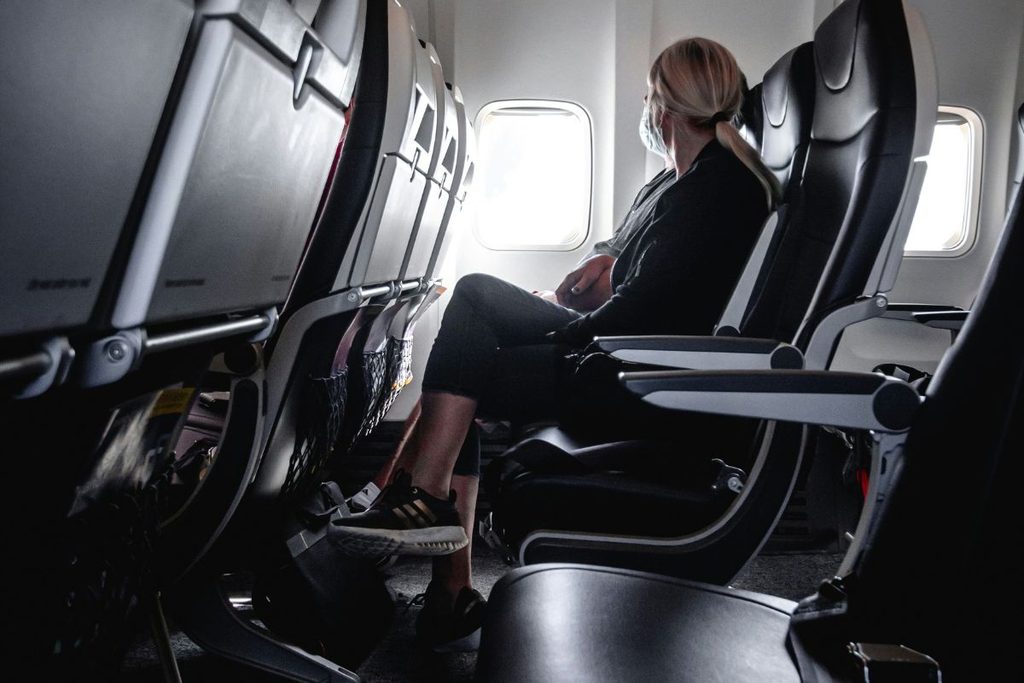
- Worst for skin: Window seats, due to increased UV exposure and reduced airflow.
- Best for skin: Aisle seats in the middle of the cabin, where airflow is more stable and humidity fluctuations are less severe.
- Most dehydrating area: The first and last five rows of the aircraft, where airflow and temperature change the most.
- Surprising finding: Seats directly above the wings experience the smallest changes in humidity during the flight.
- Less post-flight irritation: Centre-block seats (B, C, D and E on larger aircraft) are associated with less tightness and dryness after flying.
Why your seat matters
“Most people spend time choosing the right moisturiser before a flight, but very few think about where they’re sitting,” says Danielle Louise, beauty expert on the Fresha app.
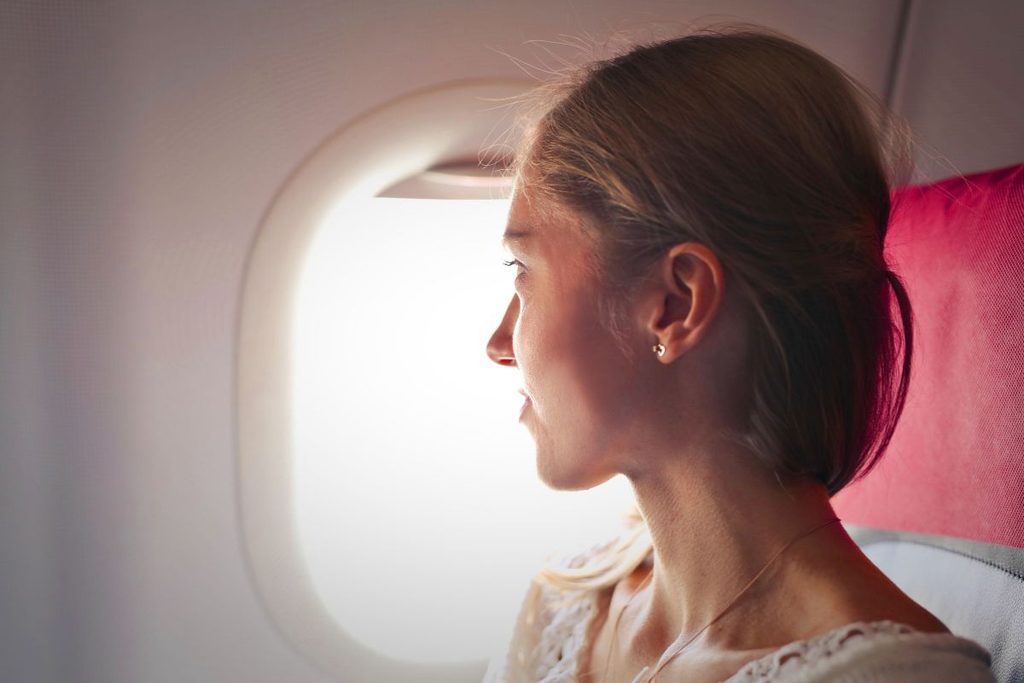
Window seats expose your skin to significantly more UV radiation, even when you’re flying through cloud. At cruising altitude you’re much closer to the sun, and UV rays penetrate aircraft windows far more easily than many people realise. Combined with extremely dry cabin air, this can leave skin feeling dehydrated before you’ve even landed.
A plane seat at the front and rear of the aircraft also experience greater fluctuations in airflow and humidity. If you’re already using ingredients like retinol or exfoliating acids, your skin barrier can become even more vulnerable during a long flight.”
Why winter flyers should take extra care

The warning is particularly timely for travellers heading abroad for winter city breaks and Christmas markets, when skin may already be dealing with colder temperatures, central heating and sudden changes between warm indoor spaces and freezing outdoor conditions.
That means the dry environment experienced during a flight can add another potential source of dehydration before travellers have even stepped out into the colder weather at their destination.
For those squeezing a European Christmas market into a long weekend, preparing skin before boarding could therefore be particularly important.
The hydration plane seat hotspots (and danger zones)
| Seat type | Hydration impact | Why it matters |
| Window seats | Worst | Higher UV exposure, reduced airflow and the colder cabin wall all contribute to moisture loss. |
| Mid-cabin aisle seats | Best | More stable airflow, fewer temperature changes and easier movement help maintain circulation and hydration. |
| Bulkhead rows | Moderate | Extra legroom, but stronger airflow from nearby vents can dry skin more quickly. |
| First and last five rows | Worst | The greatest fluctuations in cabin pressure, airflow and humidity occur here. |
| Seats above the wing | Better | The aircraft’s structure helps stabilise pressure and humidity changes throughout the flight. |
How to protect your skin at 35,000 feet
Danielle Louise recommends:
- Avoid retinol, AHAs and BHAs for 24 hours before flying to reduce the risk of irritation.
- Apply a rich barrier cream before boarding, such as a day balm from your best natural skin care picks, rather than waiting until you’re already in the air.
- Use a hydrating facial mist instead of cleansing wipes, which can disrupt the skin barrier.
- Wear SPF, even on evening or overnight flights, as UV rays still penetrate aircraft windows.
- Start drinking water before take-off instead of waiting for the drinks trolley to arrive.
Danielle adds:
“People often blame jet lag for dull, uncomfortable skin after a flight, but dehydration is usually the biggest culprit. Preparing your skin before you board is much more effective than trying to fix the damage after you land. A few simple changes, from choosing the right seat where possible to protecting your skin barrier before flying, can make a noticeable difference.“
Images courtesy of unsplash.com and pexels.com