In recent years, the number of quick-sale and cash-buying property services has skyrocketed. For many people, these companies can offer a genuine lifeline when you need to sell fast or want to avoid the hassle of the open market. But with the growth of this industry, there’s also been a rise in dodgy operators looking to take advantage of vulnerable sellers.
If you’re considering a quick sale, it’s more important than ever to do your homework and protect yourself. Here’s how to stay safe and what to look for to make sure you’re dealing with a reputable we buy any house company, not one of the scams.
Red Flag #1: Upfront Fees or Charges

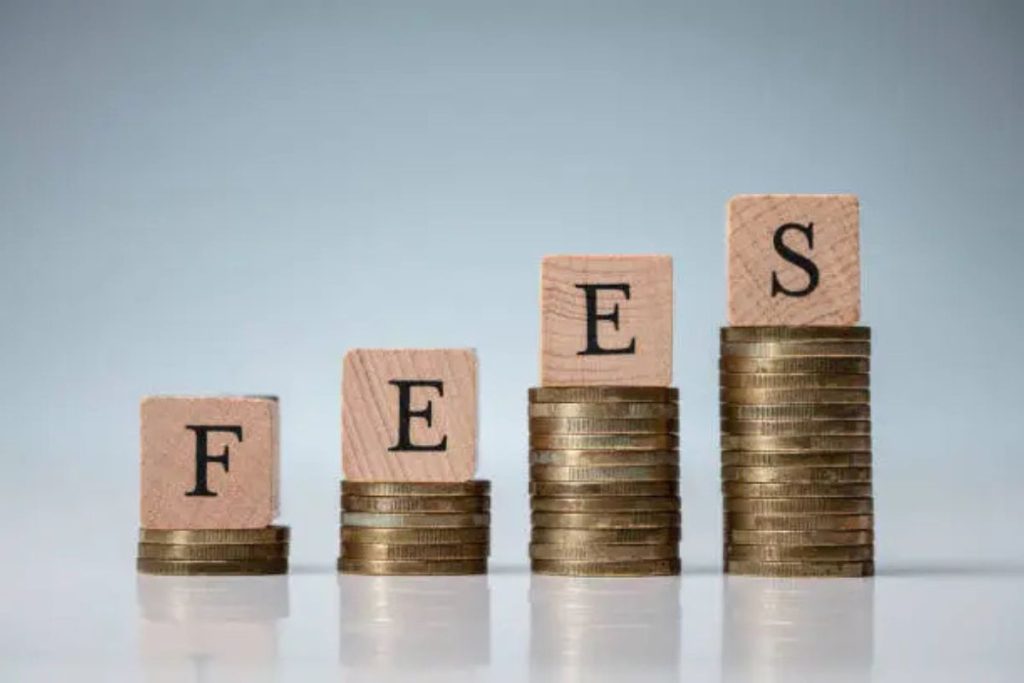
What it looks like: Some companies will ask you to pay a valuation fee, admin charges, or other costs before they’ve done anything to sell your house.
Why it’s a warning sign: Genuine “we buy any house” companies never ask for money upfront. If someone’s demanding payment before a sale has even started, it’s a big red flag they’re probably more interested in your cash than actually buying your property.
What to do instead: Only deal with firms that offer completely free, no-obligation valuations. A trustworthy buyer won’t charge you a penny until the sale is complete and most cover all legal and admin costs, too.
Red Flag #2: Unrealistic or Inflated Offers
What it looks like: Watch out for companies promising to buy your house for close to (or even above) full market value no matter what condition it’s in. If the offer sounds too good to be true, it probably is.
Why scammers do this: This is a classic bait-and-switch. They’ll hook you with a high offer, then suddenly “discover” problems with your property or invent new reasons to slash the price just before you’re about to exchange contracts a tactic known as gazundering.
How to spot it: Always compare offers from different buyers, and get your own independent valuation if you’re unsure. Trustworthy “we buy any house” companies are open about what they can realistically pay and won’t promise the impossible just to get you on board.
Red Flag #3: Lack of Transparency or Company Information
What it looks like: If a company doesn’t list a physical address, company registration number, or gives only vague contact details, it’s a major warning sign. Some scammers hide behind slick websites with no real-world presence, making it hard to know who you’re actually dealing with.
Why it’s risky: If things go wrong, it’s almost impossible to trace or hold these companies accountable. Legitimate businesses are always transparent about who they are and where they’re based.
How to check: Always look for a UK company registration number, clear contact information, and membership with professional bodies like The Property Ombudsman. Real companies will also have genuine customer reviews on independent sites not just on their own website.
Red Flag #4: High-Pressure Sales Tactics

What it looks like: Some companies push you to sign documents quickly, claim there’s a “limited-time” deal, or even refuse to let you read contracts properly before signing. They may bombard you with calls or emails to pressure you into making a decision on the spot. A sure sign of scams.
Why it’s a problem: Trusted “we buy any house” firms will always give you time to think things over, read all the paperwork, and answer any questions you have. If someone is rushing you or making you feel uncomfortable, it’s a sign they don’t have your best interests at heart.
What to do: Don’t let anyone force you into a quick decision. Take your time, read everything carefully, and ask questions. If a company won’t let you do that, walk away there are better, safer options out there.
Red Flag #5: Bad (or No) Reviews and No Regulation
What it looks like: If a company has no independent reviews on sites like Google or Trustpilot, or you see mostly negative feedback, that’s a serious red flag. Also watch out for firms that aren’t regulated by any recognised industry body, such as The Property Ombudsman or the National Association of Estate Agents (NAEA).
Why it matters: Genuine companies are proud to show their track record and will have plenty of feedback from real customers. Regulation means there’s a complaints process and a code of conduct, giving you extra protection if something goes wrong.
How to check: Always search for independent reviews not just testimonials on the company’s own website. Make sure they’re members of The Property Ombudsman, NAEA, or another reputable organisation. If you can’t find this info, it’s better to walk away.
How to Protect Yourself (Checklist)

Before you commit to any “we buy any house” company, follow this simple checklist:
- Check their company registration: Look up their details on Companies House.
- Read independent reviews: Google, Trustpilot, and other independent platforms—not just their own website.
- Never pay upfront fees: Avoid any company asking for money before the sale is agreed.
- Get your own valuation: Ask a local estate agent or use an online tool for a realistic price check.
- Ask for everything in writing: Make sure all offers and agreements are clearly documented.
Taking these steps will help you avoid scams and find a reputable company that puts your interests first.
Final Thoughts
Selling your house quickly can be a real solution, but only if you pick a reputable company. While there are genuine “we buy any house” services, there are also some that use scams and dodgy tactics. Keep an eye out for the main red flags: upfront fees, unrealistic offers, lack of transparency, pushy sales tactics, and no independent reviews or industry regulation.
Take time to do your research read real customer reviews, check company details, and get everything in writing before you agree to anything. By choosing a trusted, well-reviewed service and not rushing the process, you’ll protect yourself from stress, scams and financial loss. For a fast sale, always use a “we buy any house” company that’s open, honest, and genuinely on your side.
Images courtesy of unsplash.com and pexels.com