It is important to assess what your business actually needs from its clothing before settling for a uniform strategy. Will staff be customer-facing? Is durability and branding equally important? Do you work in a variety of environments as a team?
In the comparison of embroidered workwear bundles to pre-packaged options, the best option depends on these underlying expectations, and not just price or convenience.
Off-the-Shelf Options: Speed and Simplicity
Ready-made workwear excels in immediacy. These stock garments that are readily available in standard sizes and styles are often preferred by the businesses with urgent needs. For temporary positions, seasonal changes or short-term contracts, such options offer immediate coverage without much planning. Stock uniforms also make it easier to return and replace clothes since there are no alterations or branding that locks the items to a particular team.

Where Off-the-Shelf Makes Sense
This route is usually favoured by budget-conscious organisations. With short lead times and consistent pricing, it is ideal for companies that value function over customised presentation. This route may appeal to logistics firms, warehousing teams, or rotating crews on sheer practicality.
Customised Workwear: Built Around Brand Identity
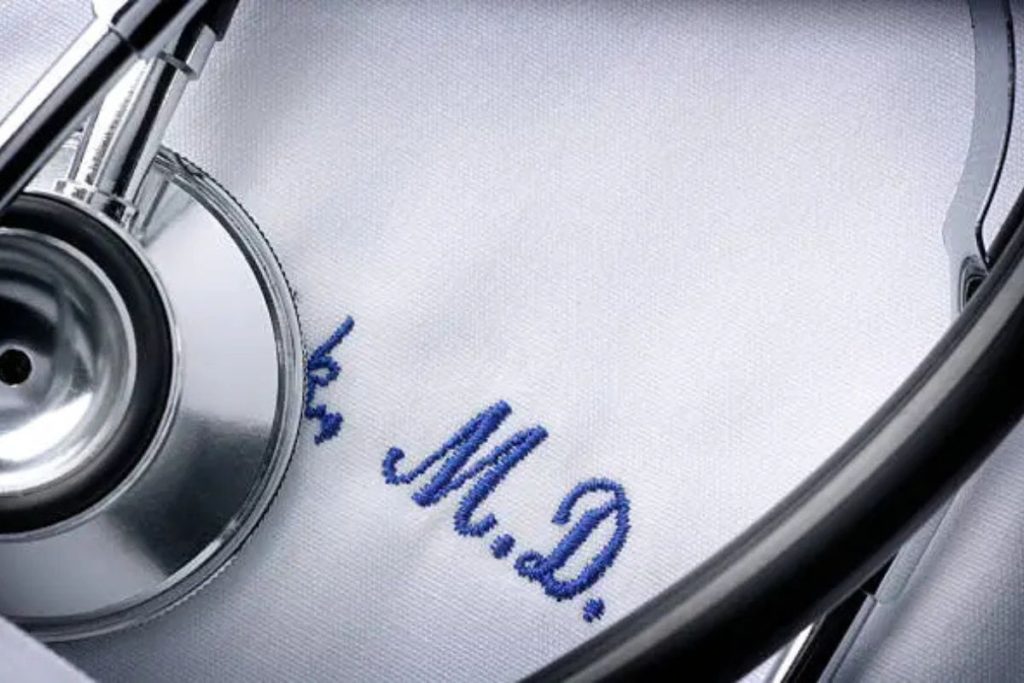
Uniforms crafted for a specific business elevate more than appearance. They serve as wearable extensions of a company’s character. Whether subtly stitched with a logo or designed using bespoke colour schemes, tailored garments align perfectly with brand storytelling. While embroidered workwear bundles fall under this umbrella, they also support consistency — reinforcing recognition in every client interaction.
Impact Beyond Aesthetics
Customisation extends into garment structure. Workwear tailored to accommodate the demands of different departments — from reinforced knees for technicians to moisture-wicking shirts for hospitality staff — demonstrates thoughtful investment in your team’s wellbeing. This kind of functionality often remains absent in standardised options.
Turnaround Time: Fast Fulfilment vs Precision Planning
Time constraints shape many procurement decisions. Off-the-shelf solutions are usually dispatched quickly, allowing companies to clothe staff within days. In contrast, custom orders typically involve several stages: consultation, prototyping, approvals, and manufacturing. For growing brands or startups preparing a product launch, longer wait times can disrupt planned rollouts if not accounted for in advance.
Branding Power: Subtlety vs Saturation
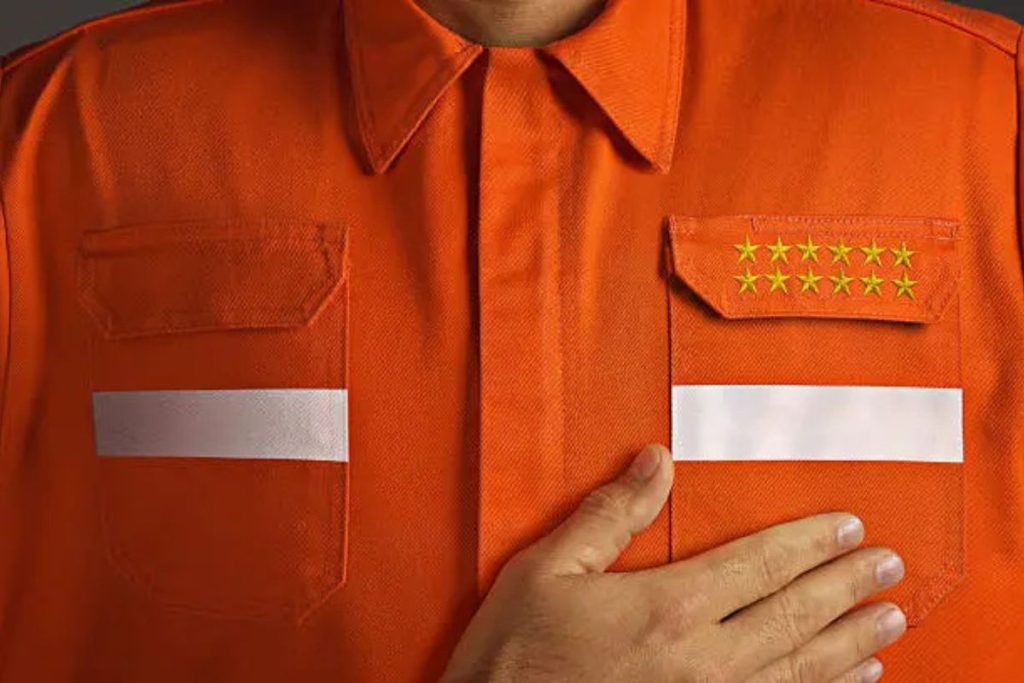
A standard-issue polo might be adequate in some situations, but it lacks the identity reinforcement offered by customised gear. Employees wearing brand-specific clothing inadvertently advertise their company throughout the day — on public transport, in break rooms, during after-work errands. These touchpoints accumulate brand familiarity in ways that generic uniforms simply cannot replicate.
Cost Considerations: Upfront Spend vs Long-Term Return
Although off-the-shelf clothing might appear to be financially efficient at first sight, the lack of branding usually means lost marketing opportunities. On the other hand, the investment in bespoke workwear is rewarding in the long run as it improves the public perception, eliminates the need for further promotional materials, and makes the employees feel proud. Reorders with the custom templates already set up also become smoother and more cost-effective after initial setup.
Scalability and Flexibility
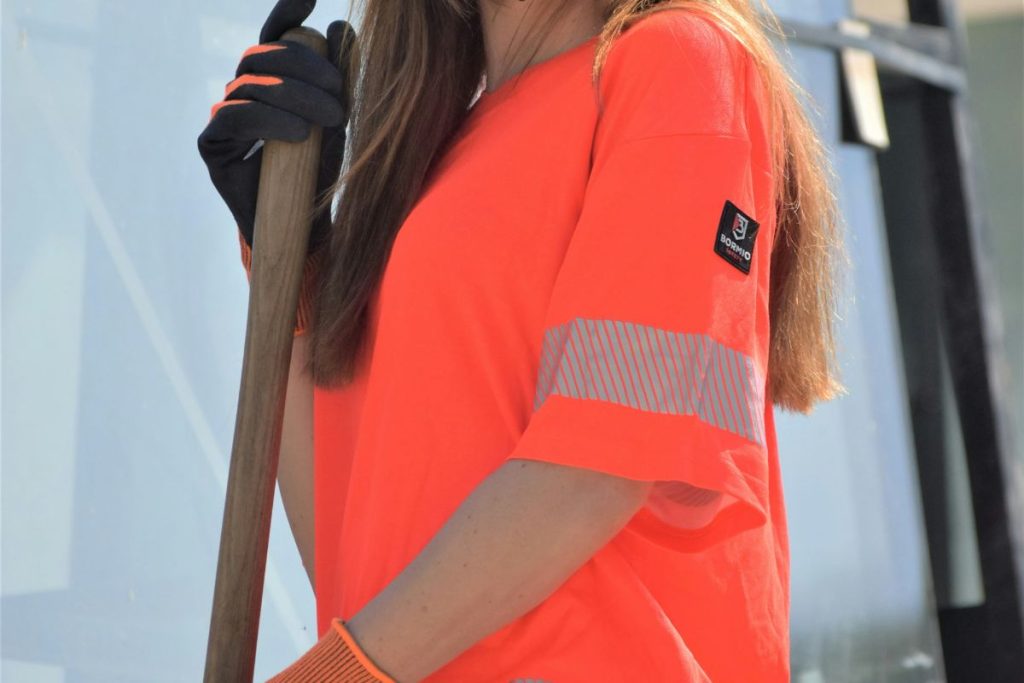
Off-the-shelf uniforms are suitable for businesses that have changing headcounts. Hiring temporary workers or scaling up a team becomes manageable once consistent designs are pre-manufactured and in bulk. Custom uniforms, on the other hand, are excellent in businesses with stable teams and well-defined roles. Where updates are few and continuity counts, bespoke options provide more long-term satisfaction.
Finding the Balance
Although embroidered workwear bundles might come at a premium initially, it speaks of professionalism and brand cohesion that generic clothing cannot. Alternatively, for industries that are fast-paced and that focus on access and affordability, off-the-shelf kits tend to do the job efficiently. Either way, aligning the solution to your business realities means that your team will wear something that will reinforce their role and your reputation.
Images courtesy of unsplash.com and pexels.com