Cats have a reputation for being particular, and nowhere is this more obvious than at the water bowl. Many owners have watched their cat turn its nose up at a full bowl of water only to go and lap at a dripping tap moments later. It’s a strange little habit, but it’s rooted in instinct rather than fussiness.
This has led plenty of cat owners to wonder whether their pet would simply drink more if water moved rather than sat still, and that’s where a cat drinking fountain comes in. These devices keep water circulating continuously, which some cats find far more appealing than a traditional bowl. Of course, not every cat reacts the same way, and preferences vary from one pet to the next, but it’s worth understanding why running water holds such appeal before deciding if a fountain is right for your home.
Do Cats Prefer Running Water?
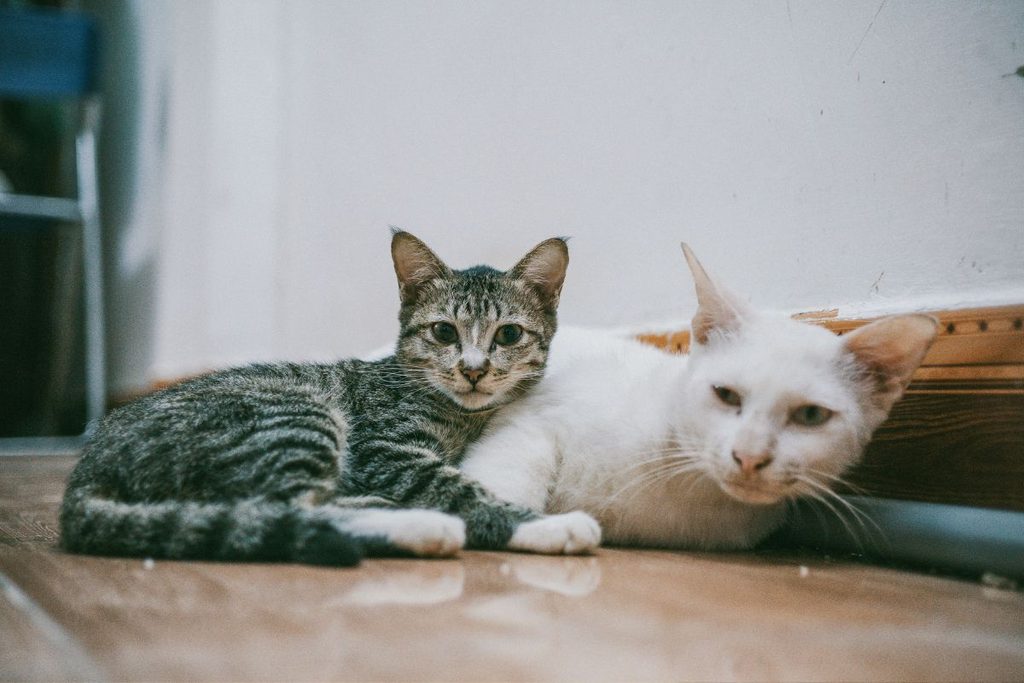
In the wild, still water is more likely to be stagnant or contaminated, while moving water, from a stream or spring, tends to be cleaner and safer to drink. Even though our pampered house cats are generations removed from that environment, the instinct hasn’t disappeared. It’s part of why so many cats show curiosity around taps, showers and even dripping pipes.
Running water also appears fresher simply because it’s more visually and audibly stimulating. The movement catches a cat’s eye, while the sound can draw them over for a closer look, and once they’re there, a sip often follows. This is why a cat drinking fountain tends to generate more interest than a bowl that’s been sitting untouched since morning.
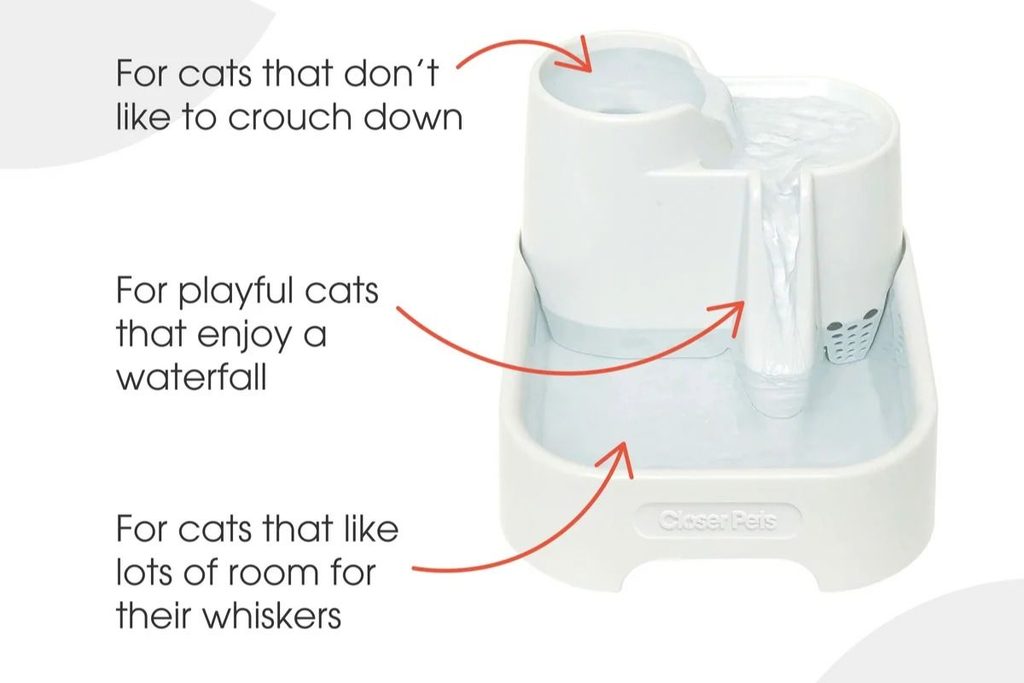
That said, it would be misleading to suggest every cat prefers moving water. Some cats are perfectly happy drinking from a bowl and show no particular interest in fountains at all. As with most things feline, individual personality plays a part.
Why Is Hydration Important for Cats?
Good hydration supports digestion, kidney function and general wellbeing, which is why vets consistently recommend that cats have constant access to clean water. Despite this, many cats drink less than owners might expect, particularly if their diet is largely dry food rather than wet.
Wet food naturally contains a high percentage of water, so cats eating mostly kibble often need to make more of an effort to drink enough on their own. This is where small environmental nudges, such as the sound or movement of a fountain, can genuinely help encourage more frequent sips throughout the day.
What Is a Cat Drinking Fountain?
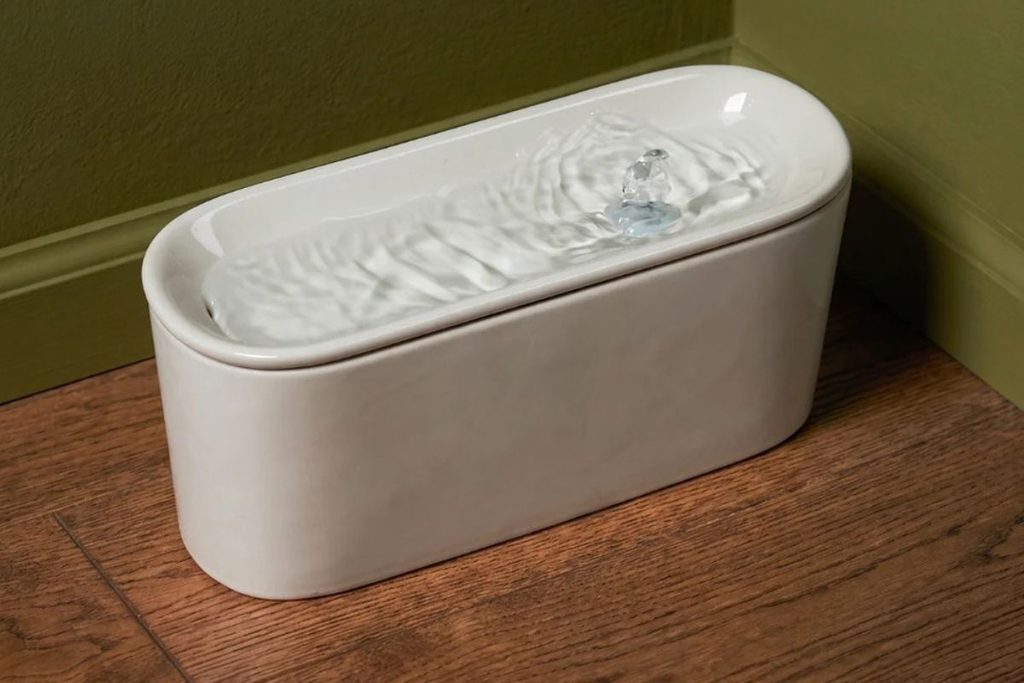
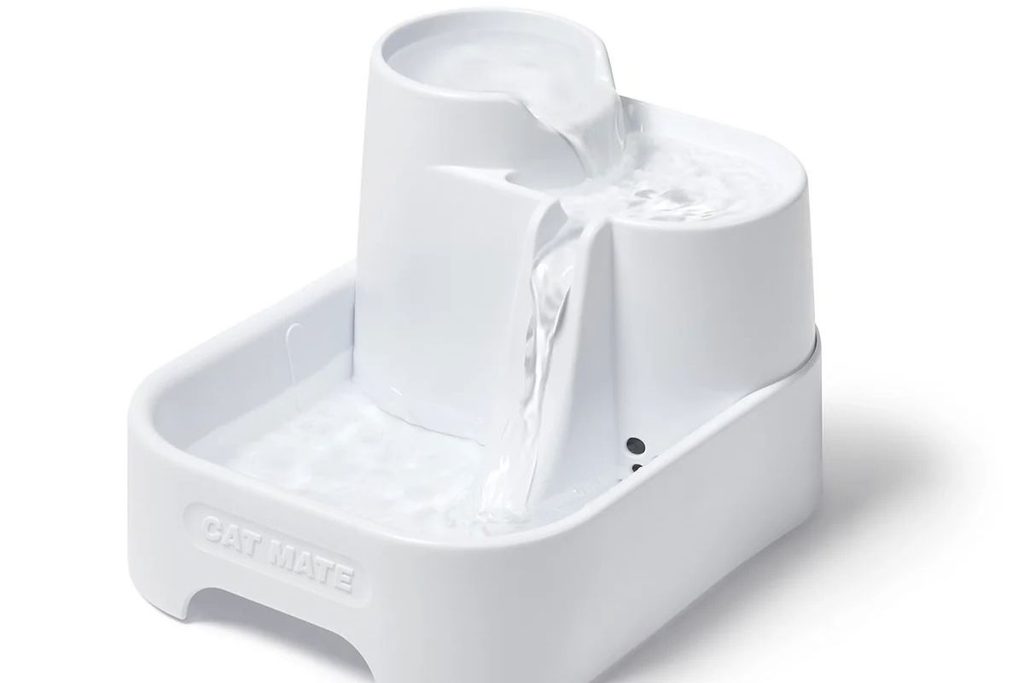
A cat drinking fountain works by continuously circulating water through a small internal pump, usually passing it through a filter before releasing it back into a bowl or basin. This constant movement keeps the water aerated and prevents it from sitting still for long periods, unlike a traditional bowl that’s only refreshed once or twice a day.
Fountains come in a range of designs, from tiered styles with multiple drinking points to simpler single-stream versions, and they’re made from various materials, including plastic, ceramic and stainless steel. When choosing one, it’s worth thinking about practical features such as filter type, water capacity, noise level and how easy the fountain is to take apart and clean, since these details often make the biggest difference day to day.
Benefits of Using a Cat Drinking Fountain
Encourages Drinking
For cats that are drawn to movement, a fountain offers a more engaging water source than a still bowl, giving owners another simple way to encourage regular drinking throughout the day.
Keeps Water Moving
Circulating water is less likely to sit and stagnate between refills, although this doesn’t mean a fountain can be left unattended indefinitely. Regular cleaning and fresh water are still essential, fountain or not.
Provides a Convenient Water Source
For busy households, a fountain can act as a reliable, dedicated drinking station that needs topping up less often than a standard bowl. If you have more than one cat, it’s worth choosing a fountain with enough capacity to comfortably serve the whole household.
Can Be More Appealing to Some Cats
Some cats are simply drawn to the sound, movement or perceived freshness of flowing water. As ever, every cat is different, so it may take a little trial and error to see how your own pet responds.
Why Choose Stainless Steel Pet Fountains?
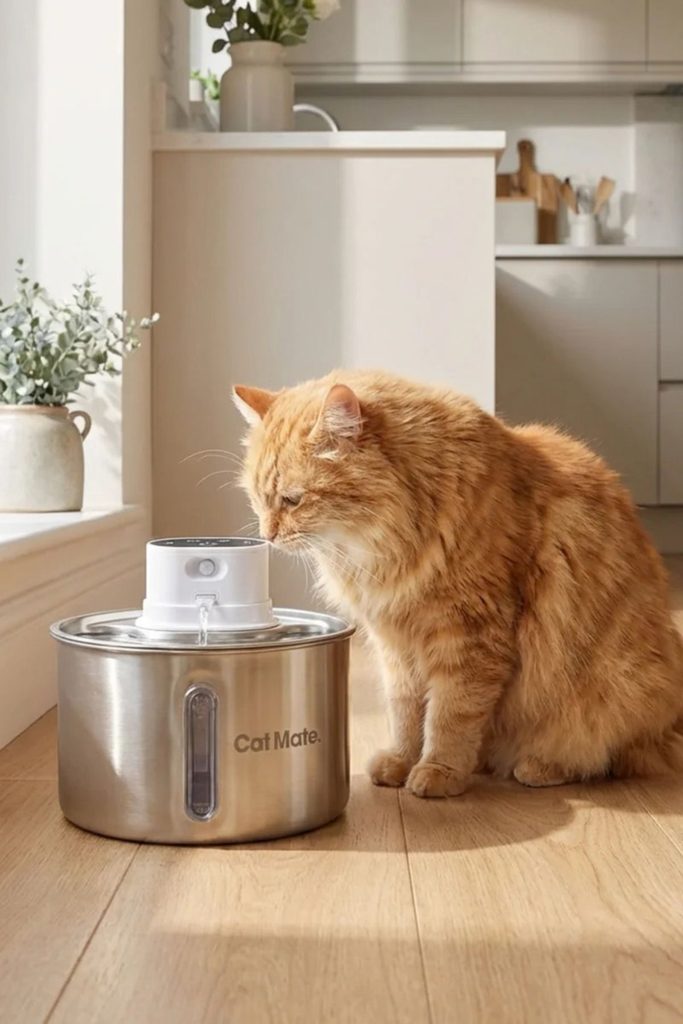
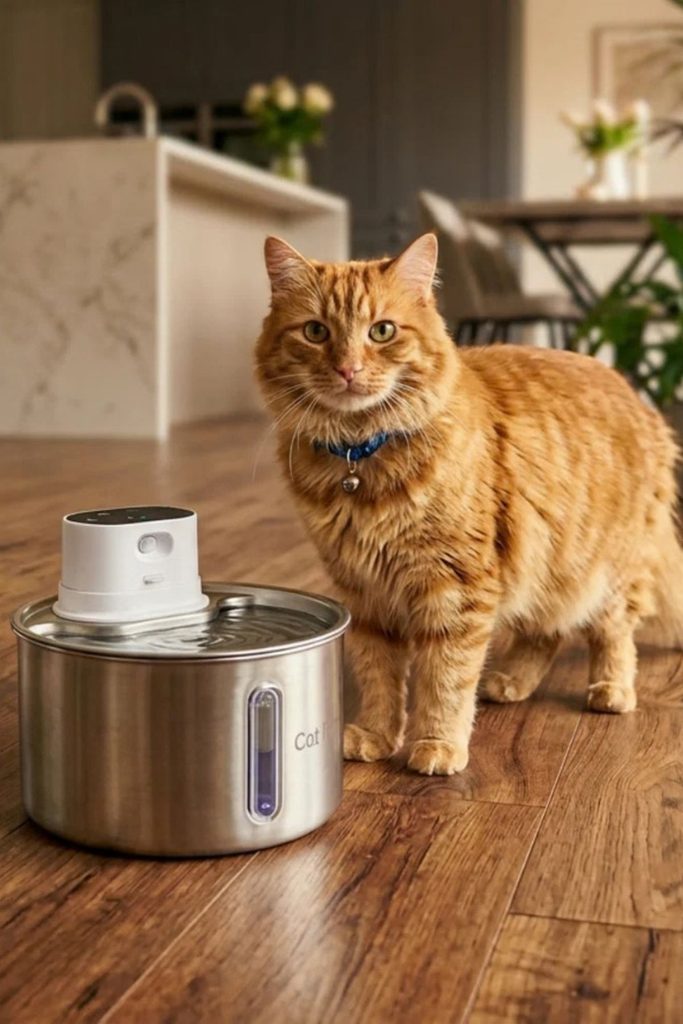
Among the material options available, stainless steel pet fountains are a popular choice for owners who prioritise hygiene and longevity. Stainless steel doesn’t absorb odours or harbour scratches in the way plastic can over time, which makes it a practical, easy-to-clean alternative for a surface your cat uses daily.
That said, no material removes the need for regular maintenance. Whatever a fountain is made from, it should be washed often and kept free from buildup, but choosing a durable, pet-friendly material like stainless steel can make that upkeep noticeably more straightforward.
How to Choose the Right Cat Drinking Fountain
A few practical factors are worth weighing up before buying:
- Capacity – larger households or multi-cat homes need a bigger reservoir.
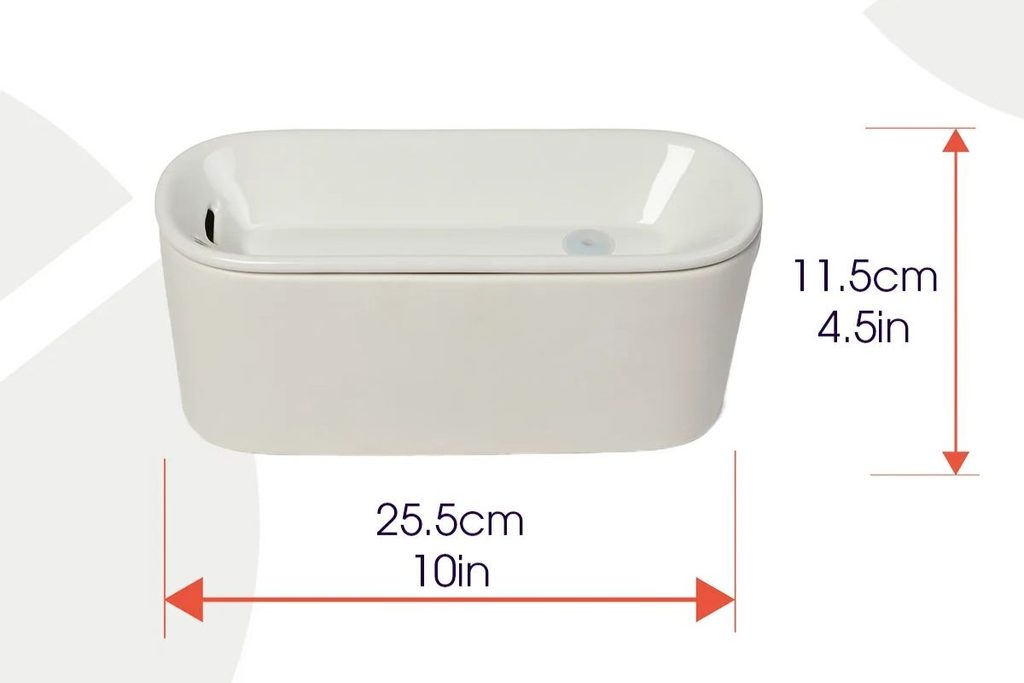
- Size and height – make sure it suits your cat’s comfort and your available space.
- Noise levels – some pumps are noticeably quieter than others.
- Ease of cleaning – look for designs that come apart easily for washing.
- Filters – check availability and replacement costs over time.
- Material – stainless steel, ceramic and plastic each have different upkeep needs.
- Multi-cat suitability – confirm the fountain can comfortably serve more than one pet if needed.
- Power requirements – most run from the mains, so plan positioning accordingly.
- Positioning – choose a spot that’s quiet, accessible and away from litter trays.
How to Keep a Cat Drinking Fountain Clean
Even with water constantly circulating, fountains still require regular attention:
- Replace the water fully every few days rather than simply topping it up.
- Wash the fountain according to the manufacturer’s instructions, ideally weekly.
- Clean the pump itself, not just the visible bowl, as this is where buildup often collects.
- Replace filters on schedule to keep water tasting fresh.
- Keep an eye on the fountain to make sure it’s running as it should, since a faulty pump can go unnoticed if the fountain still looks full.
How to Encourage Your Cat to Use a Drinking Fountain
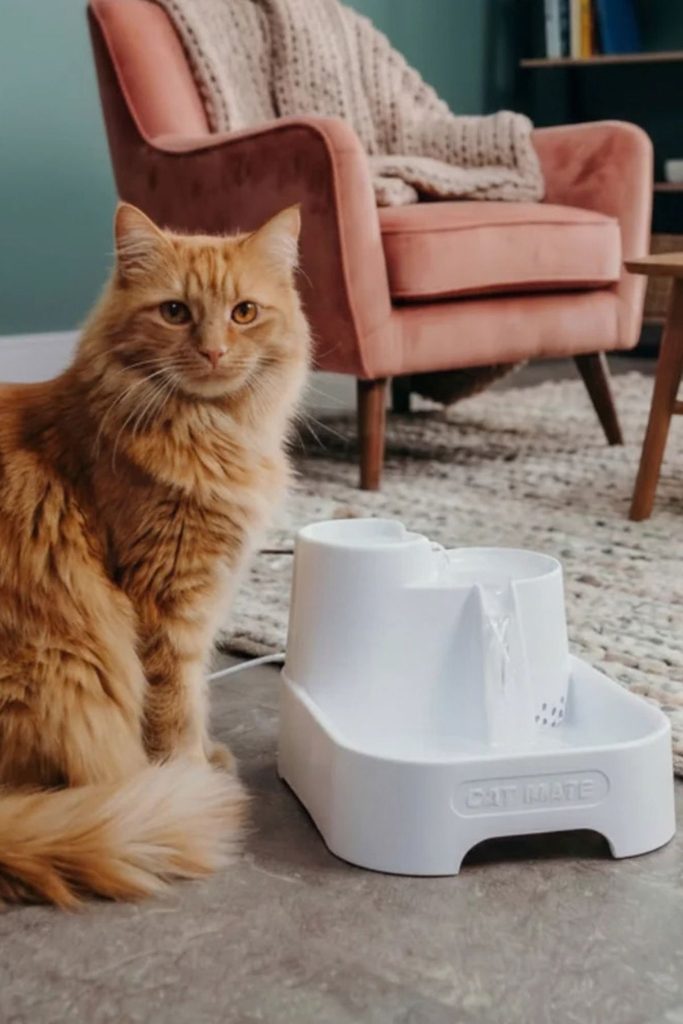
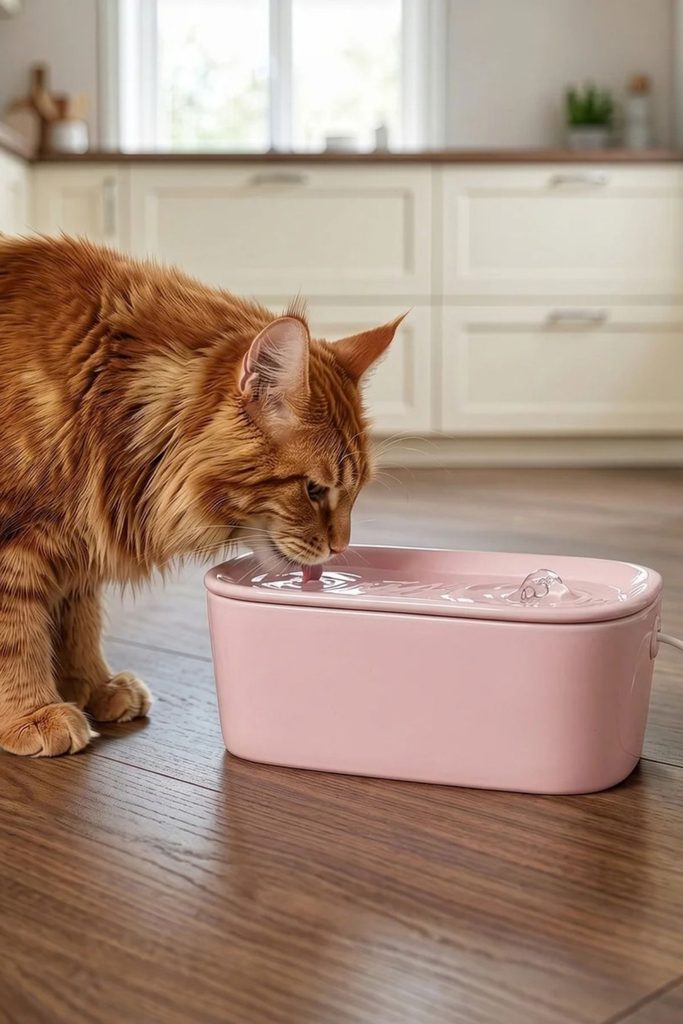
Introducing a new fountain doesn’t always go smoothly on the first attempt, so a gradual approach tends to work best:
- Position the fountain somewhere quiet and easy for your cat to reach.
- Keep it well away from litter trays, as cats are unlikely to drink near one.
- Leave the existing water bowl in place for a while rather than removing it immediately.
- Try a different spot if your cat seems to be ignoring the fountain altogether.
- Keep the fountain clean and topped up, since cats are quick to lose interest in stale water.
- Never force the issue. Let your cat investigate and decide on its own terms.
Are Cat Drinking Fountains Worth It?
A fountain isn’t essential for every cat, but it can be a genuinely useful addition for pets that respond well to moving water. For some, it offers a welcome alternative to a conventional bowl; for others, it may make little difference at all. The priority, as always, is making sure your cat has consistent access to clean, fresh water, whichever format that takes. Paying attention to your own cat’s habits and preferences is the best way to decide whether a fountain is worth adding to the household.
Final Thoughts
Whether or not your cats turn out to be a fan of running water, understanding why some cats gravitate towards it can help you make a more informed choice about their hydration. A cat drinking fountain offers a simple way to tap into that instinct, encouraging more regular drinking throughout the day. If hygiene and durability are high on your list of priorities, stainless steel pet fountains are well worth considering, offering an easy-to-clean, long-lasting option for your cat’s daily water source. Take some time to observe how your own cat drinks, and you’ll have a good sense of whether a fountain could be a welcome addition to their routine.
Images supplied