

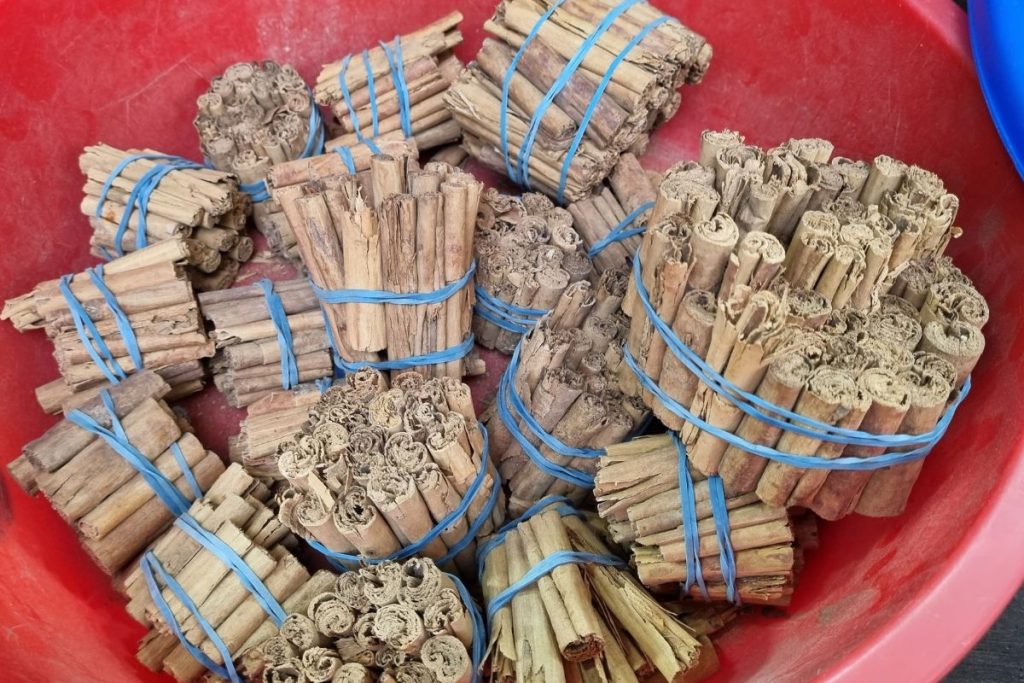
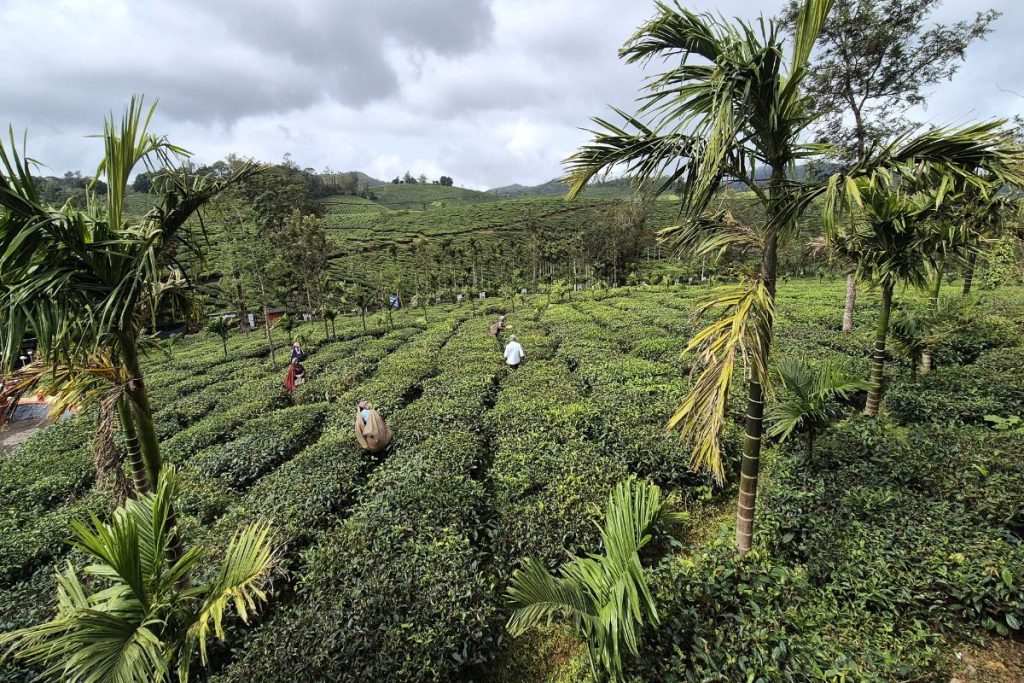
The abundance of spices growing in the hills of Kerala is astounding. Pepper, cardamon, cinnamon, nutmeg, turmeric, ginger, clove and cumin flourish harmoniously in plantations surrounding towns such as Thekkady or Munnar. And never far away is another lush feature of this part of Kerala: the neatly-tended tea plantations that cascade down steep hillsides, with women flitting between the rows and plucking the tender leaves.
Legend describes Kerala – a slender state in south western India – as God’s Own Country. It alludes to the myth that Parasurama, an incarnation of the god Vishnu, flung his axe across the sea to create Kerala and claim the land from the ocean.
Today, Kerala is one of India’s more affluent states, has a relaxed ambience, and a multi-cultural society with all faiths and religion living side by side.
Beautiful backwaters
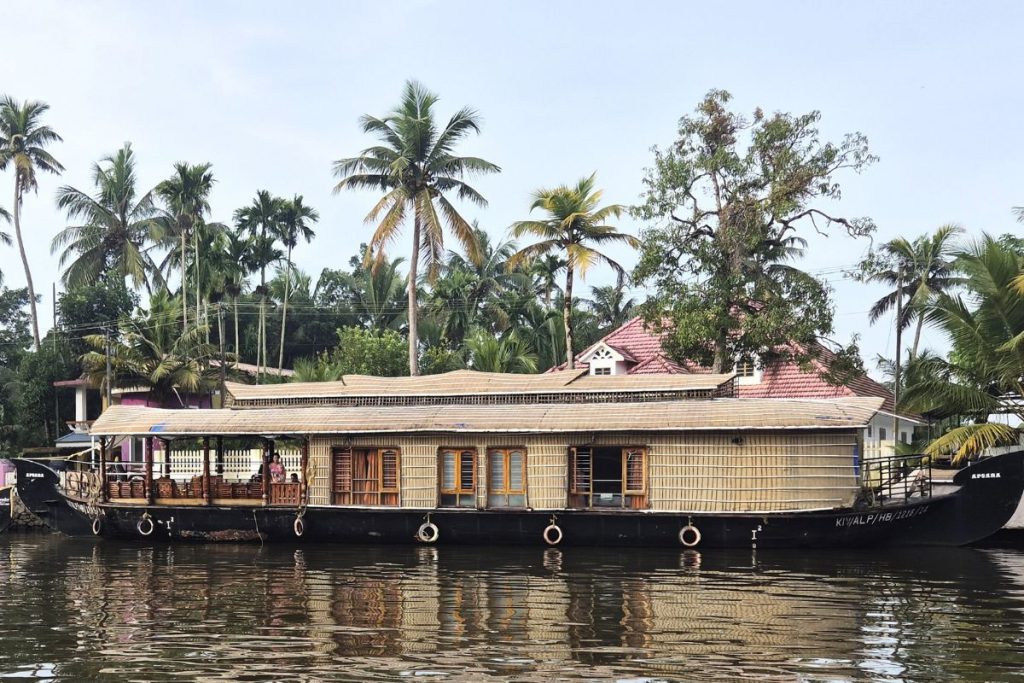
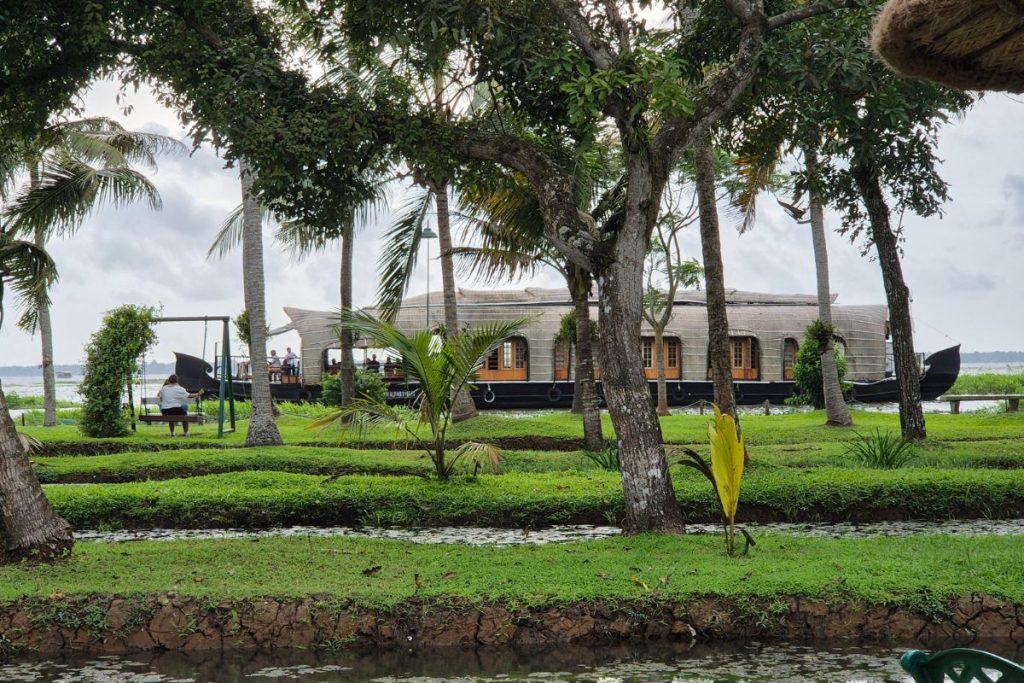
Yet it is the fertility of the hillsides that provide an important dimension to its identity. And if that’s not enough to spice up a visit, Kerala also has the atmospheric backwaters, a network of lagoons, lakes, rivers and man-made canals which lie parallel to the Arabian Sea covering more than 560 miles of waterways.
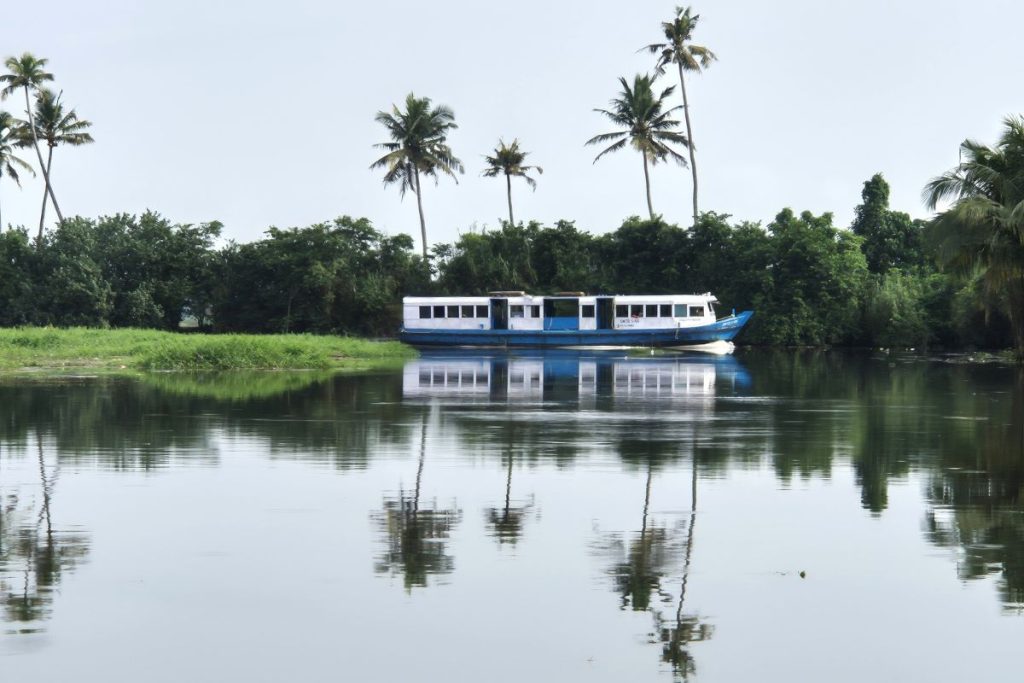
One of the great delights of a stay in this part of India is cruising the backwaters for an afternoon – or even overnight – on a houseboat, motoring sedately through palm-lined waterways with lush, green rice paddies beyond.
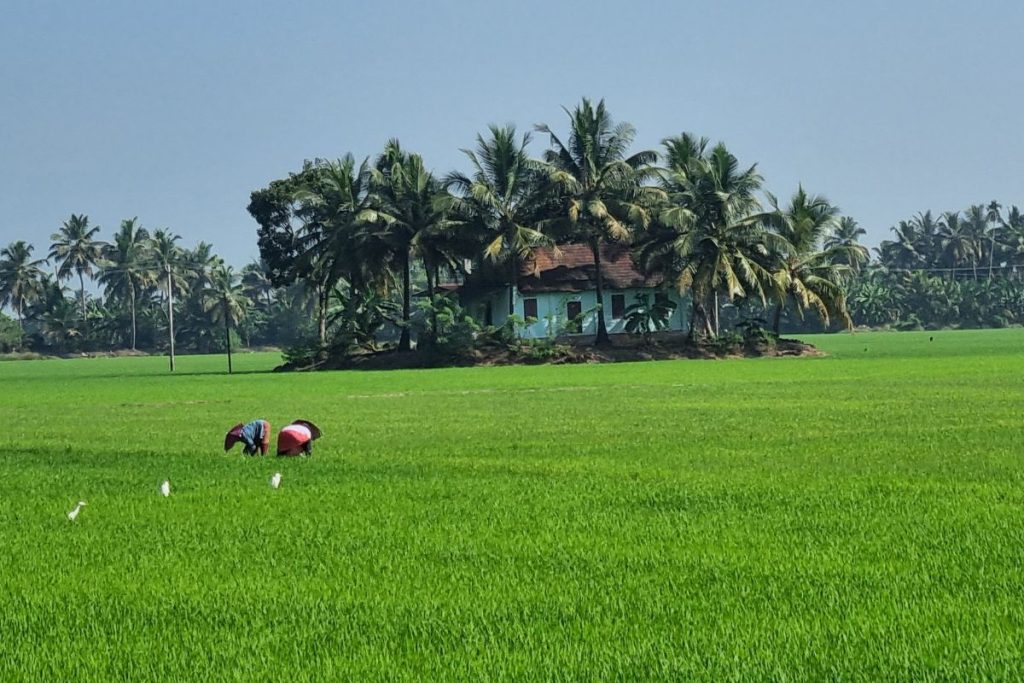
The backwaters are accessible from a number of locations in Kerala, such as Kumarakom, Alleppey and Kollam.
Flavours of Kerala
However, to absorb the flavours and essence of Kerala, head to the hills and the spice plantations.
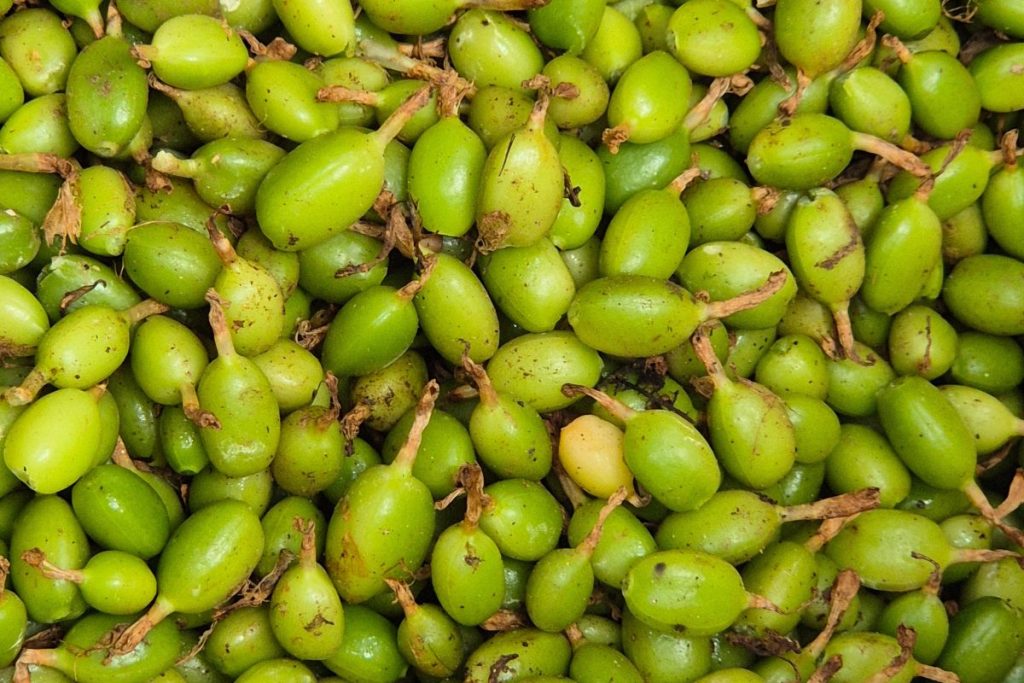
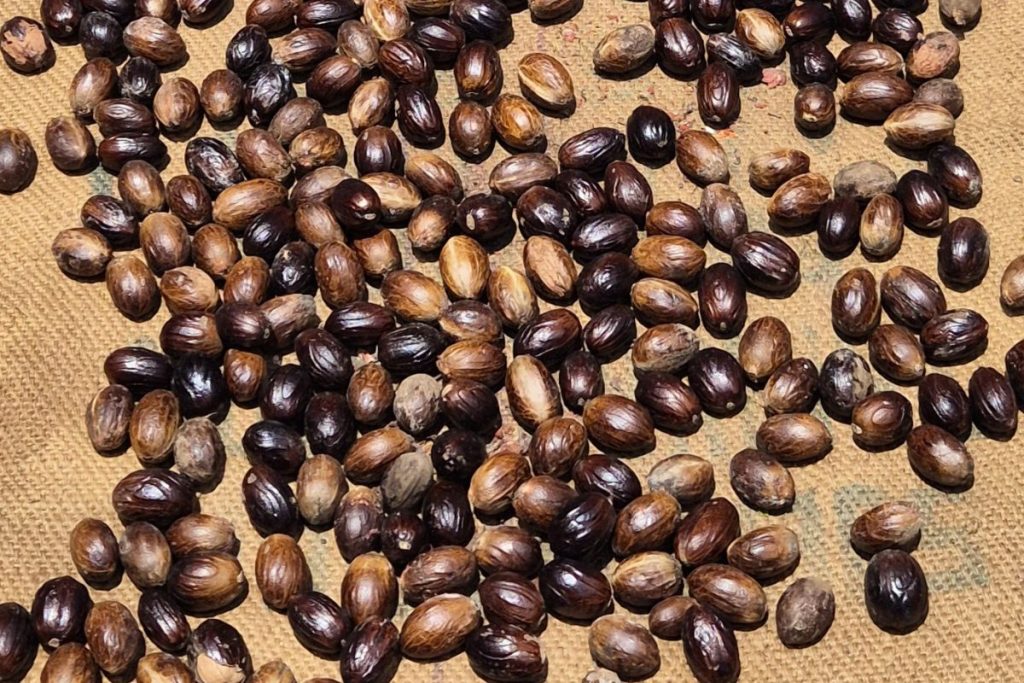
Thekaddy lies at 900m above sea level with a pleasant climate and sufficient rainfall to make it a perfect landscape for spice cultivation.
Taking a tour of a spice plantation, such as the one at Pepper County Homestay (https://peppercounty.com) at Kumily near Thekkady, offers a fascinating insight into how spices grow, often in close proximity. You can see, taste, and smell the richness of a wide range of spices, and also buy and take home the flavours of Kerala.
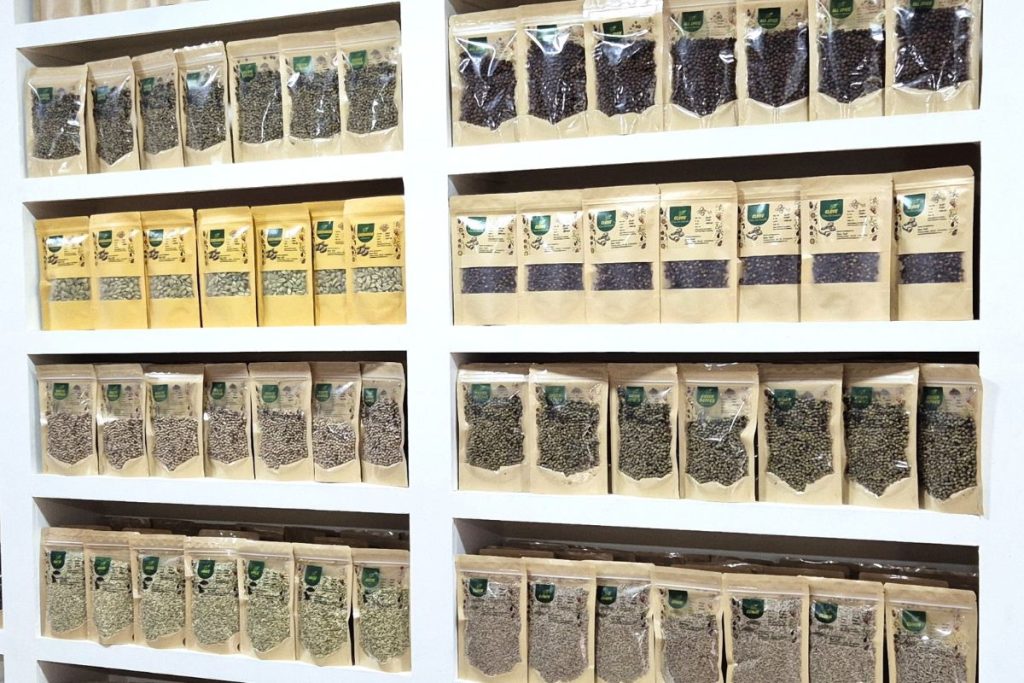
Spice guide O.F. Naseeb explains: “Spices grow well here because of the altitude where the temperature, rainfall and soil quality are all good. While many are used in cooking, some are also used for their medicinal qualities.”
King and queen of spices
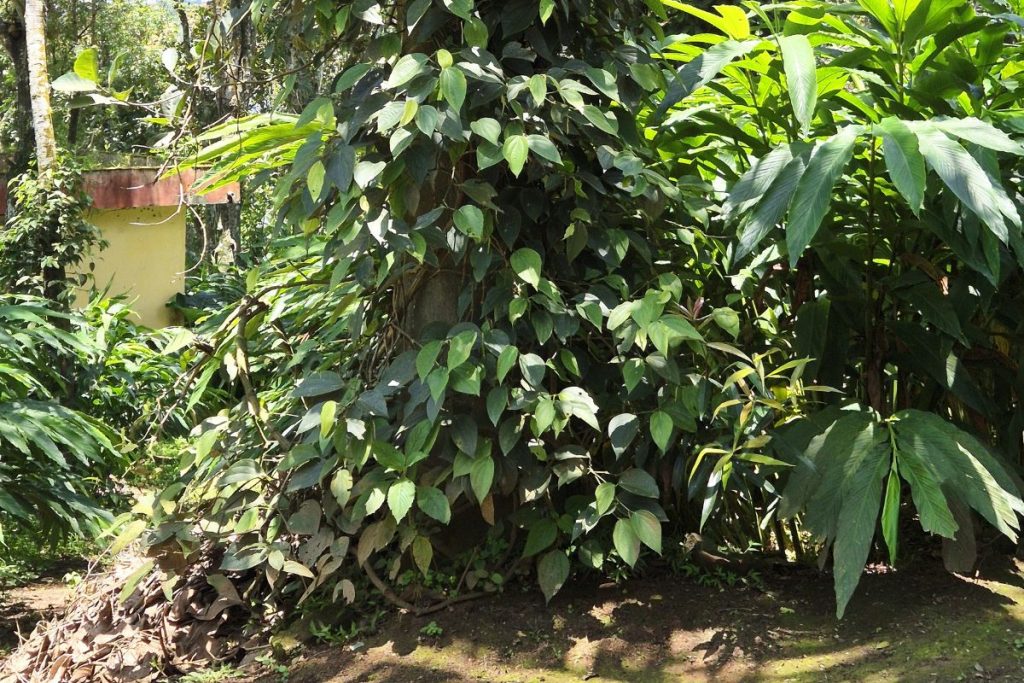
Pepper, a creeper plant weaving its way around tree trunks, is regarded as the “king of spices” while cardamon is the queen.
Green pepper is the mildest and harvested first in November; the stronger black pepper is cropped in January and February and dried in the sun; and white pepper, harvested in March and April, is the strongest.
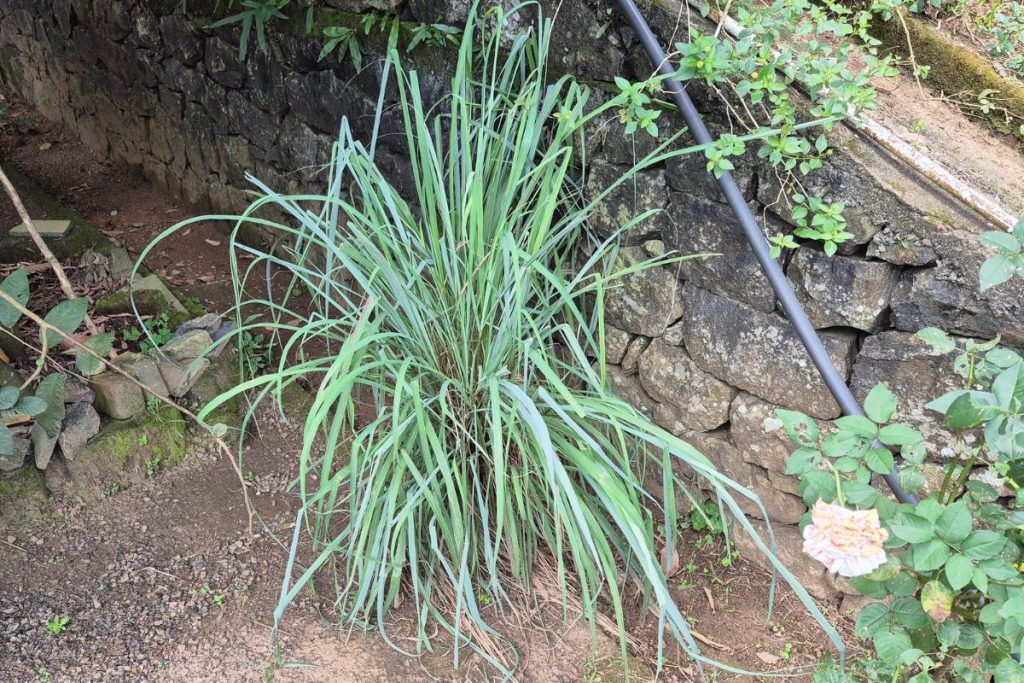
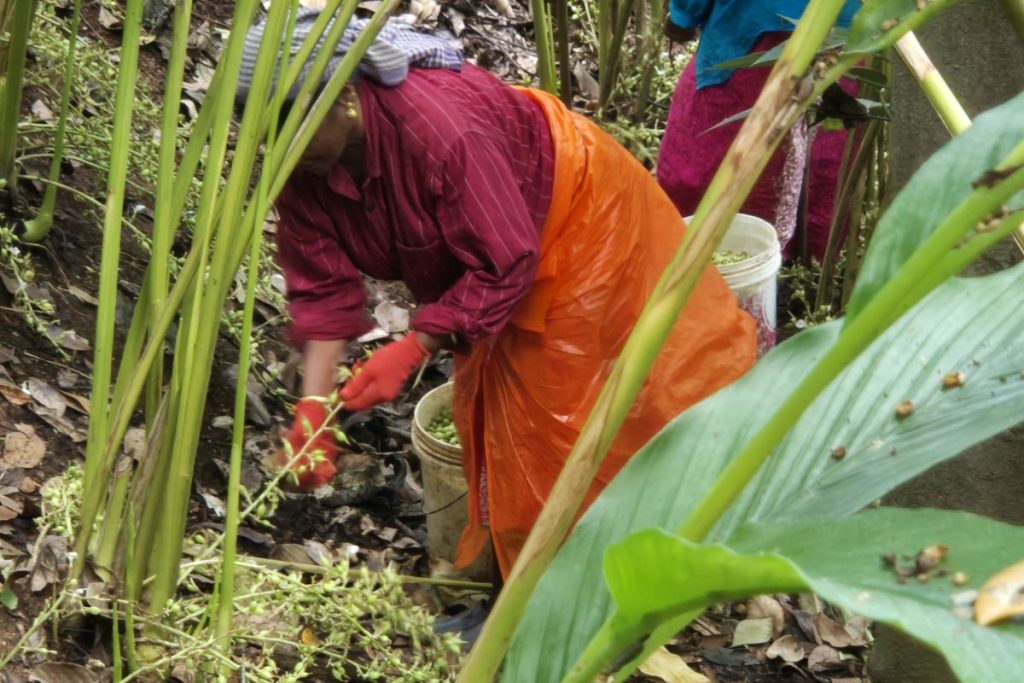
Cardamon, meanwhile, is harvested around every 45 days. During a plantation tour, you’ll see women picking the ripe cardamon berries by hand ready to be dried for 48 hours and turned into the Keralan spice that is renowned the world over.
Local spice expert Sundheer Pa tells me: “This area is the spice belt of Asia and cardamon is a main crop and is used in cooking and for tea, particularly to make masala chai.”
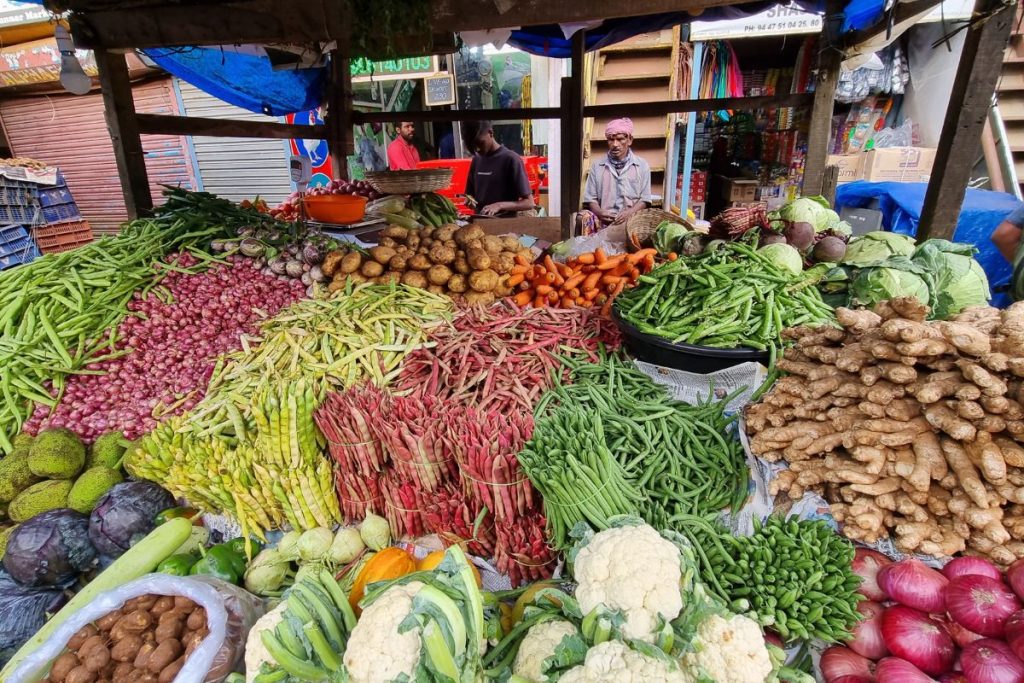
As you pass through the hill towns, you can’t help but notice the quality of produce on market stalls laden with vegetables, fabulous fruit, coconuts, garlic, dried fish, paan, and chillis. Chai stalls are always busy, roadside vendors cook the famous Kerala parotta flat bread, and men on street corners weave marigold garlands.
Forest canopy
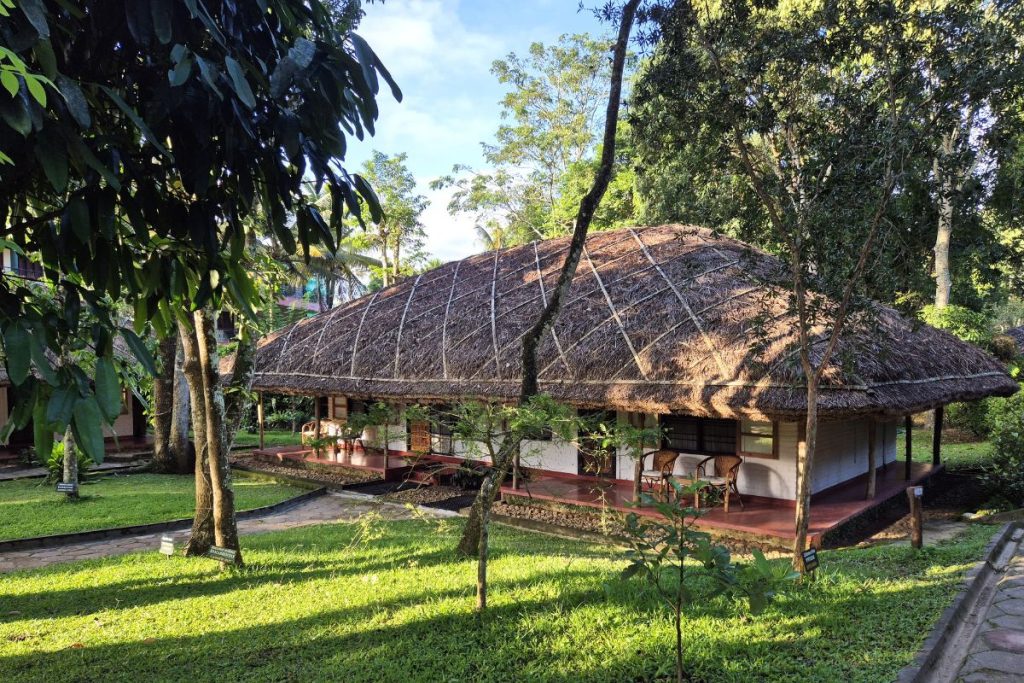
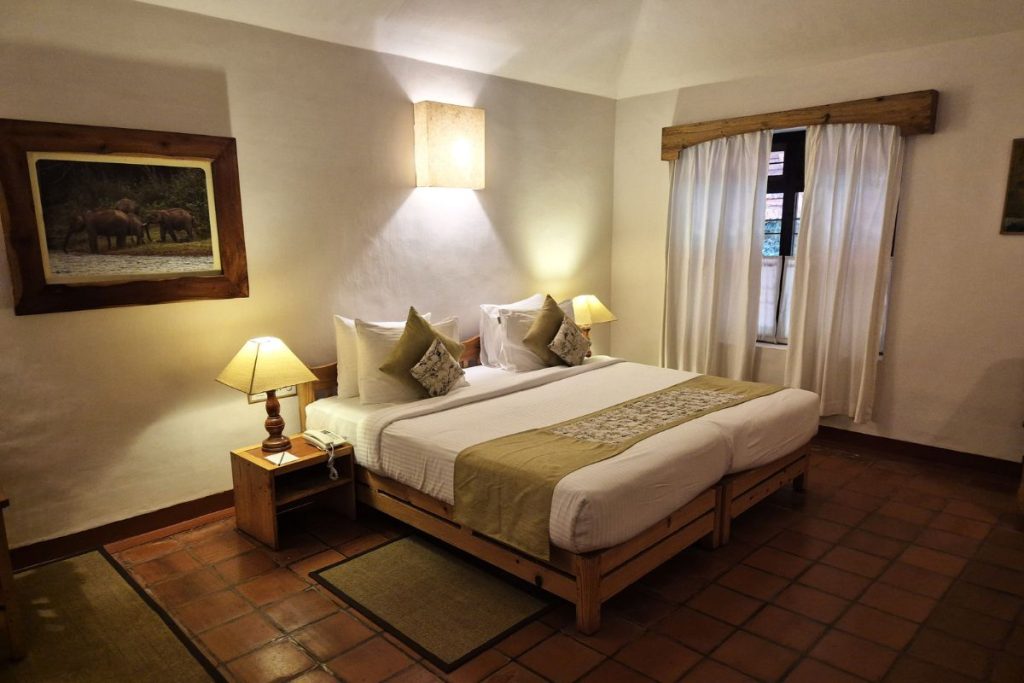
At Thekkady, I stayed at CGH’s Spice Village (Spice Village) hotel which has villas modelled on the dwellings of the native Manan tribe of the region and laid out beneath a forest canopy. The restaurant serves delicious cuisine, there is a pool and activities for guests ranging from early morning yoga and meditation, walking tours, an introduction to spices, classical dance performances and ayurvedic treatments and massages.
Several different bird species can be spotted in the hotel grounds too, including greater coucal, Malabar parakeet, common tailorbird and spotted dove. Periyar wildlife park is also nearby for trekking or boat trips.
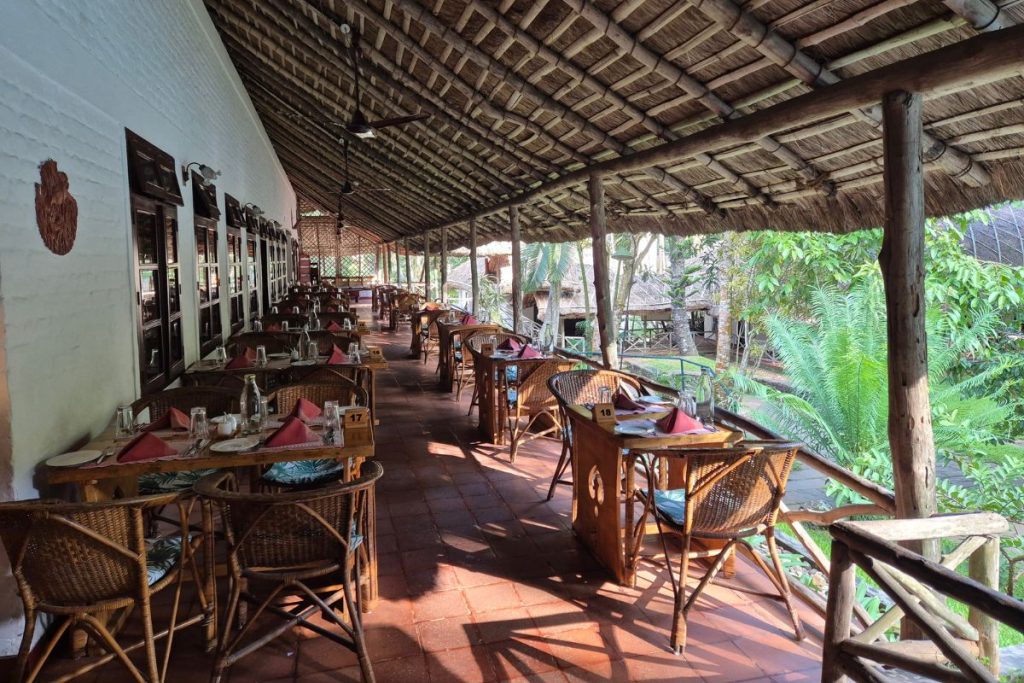
CGH has 20+ hotels in natural locations and adheres to core values aimed at benefiting the local community, with an environmental sensitivity and ethos applied to its activities, that seek to bring guests closer to the local landscape and its population.
Cookery demonstration
Every evening, a cookery demonstration with talented chef Athul Krishna highlights how to get the best out of local spices.
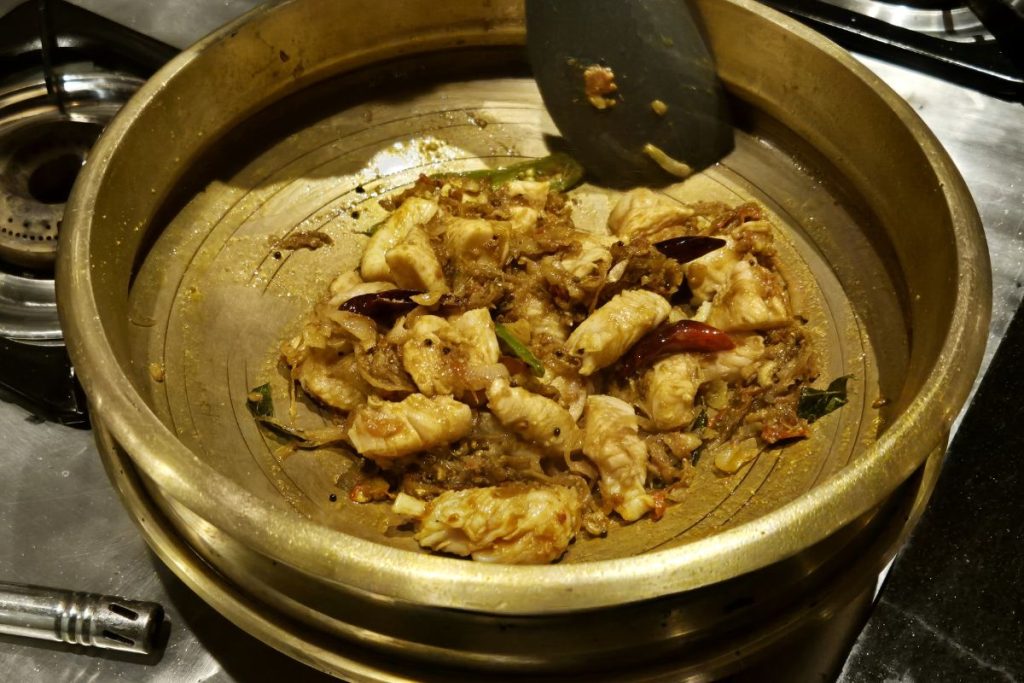
With a heavy brass copper urli bowl already heating on the flame, he gives an informative demonstration on how to cook Kerali Pepper Chicken, a dish rich in flavours with the heat of pepper, chillies, and spices grown within a short distance of the hotel.
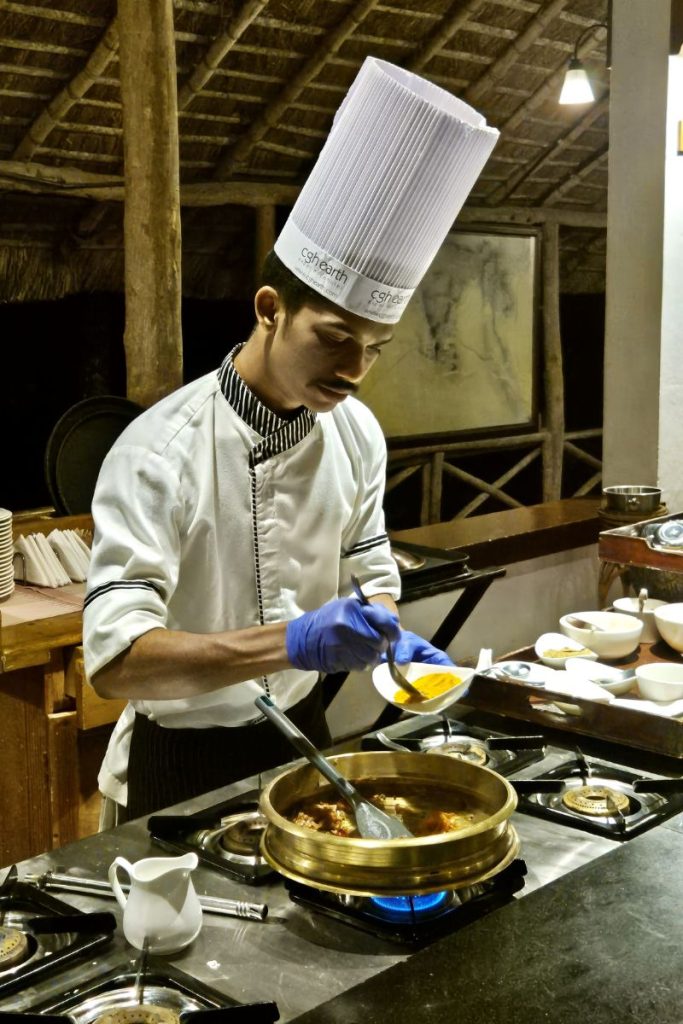
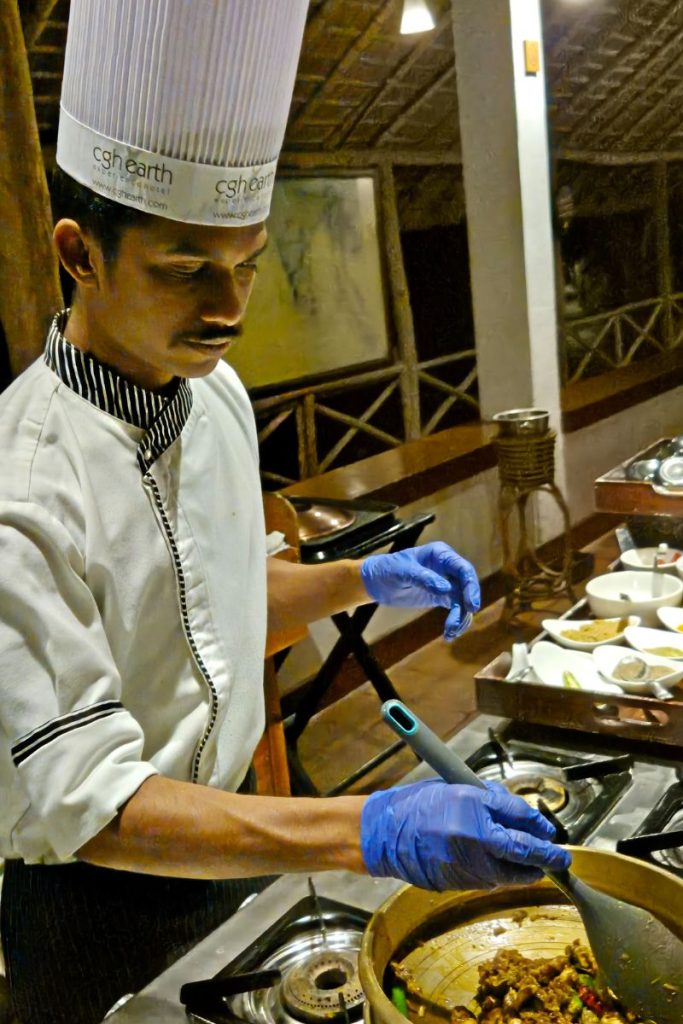
Black mustard seeds, fennel, garlic and ginger, are added to coconut oil before dried red chillies and onions are gently fried until soft and caramelised. As he continues, curry leaves, green chillies and tomatoes are added as he stirs and tosses, ground coriander and a dash of turmeric to add a brownish hue before the diced chicken is fried in with all the ingredients.
A splash of water, more pepper and curry leaves go in with coconut oil and milk for a spicy, aromatic regional dish, ready to taste. Delicious.
During a visit to Kerala, expect to be served mutton biryani, malai kofta curry, navrathan pulao rice, or buttery dal tadka among many other dishes, with great vegetarian options too. Breakfast menus can range from eggs to order to Indian favourites of idly, dosa, upattham (thick dosa with chopped onion and green chilli) through to fresh fruit, with coffee and tea, including the delicious masala chai.
Plucking tea leaves
Heading towards Kochi, the road winds past acres of tea bushes growing on steep hillsides where women snip and pluck the leaves for processing.
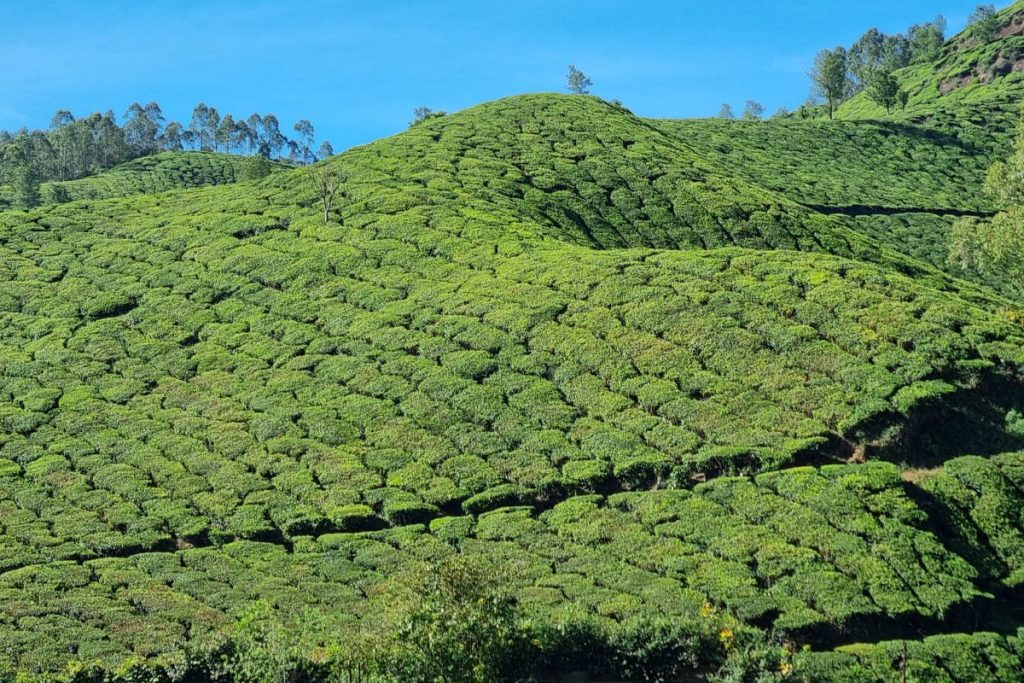
Kerala has a big Christian population and in this part of India and you’ll see many Catholic churches as the road loops back and forth with hairpin bends and steep drops, climbing and descending through small towns and villages. In the lower reaches, the fields are full of pineapples.
Before long, I arrive in the coastal city of Kochi, one of my favourite locations in India. Straddling numerous islands, it has earned a reputation as an art capital with galleries, coffee shops and restaurants.
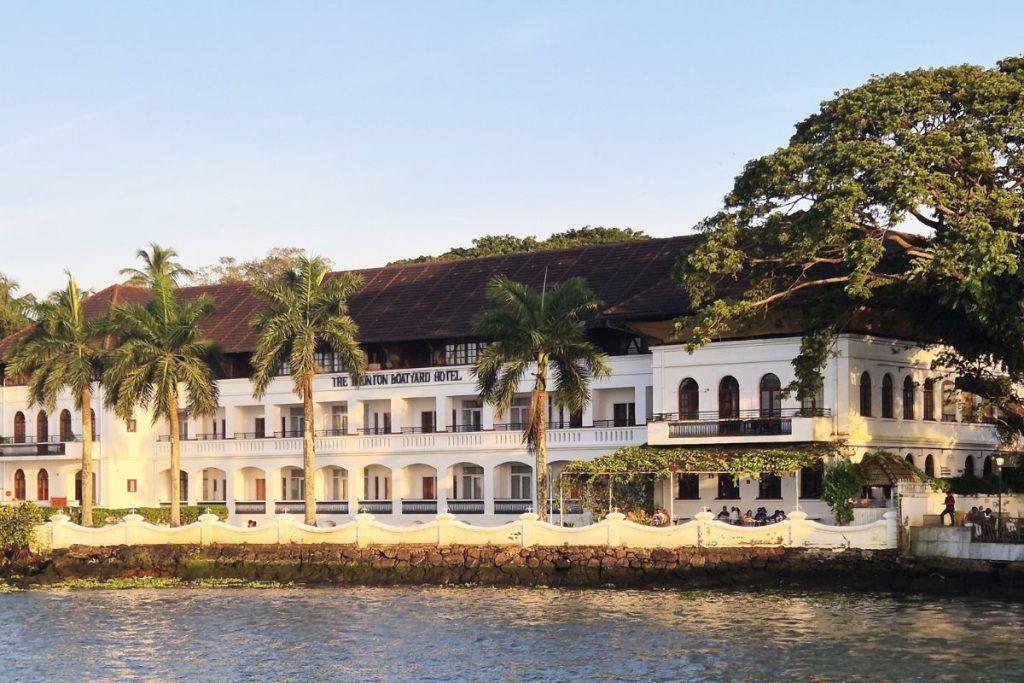
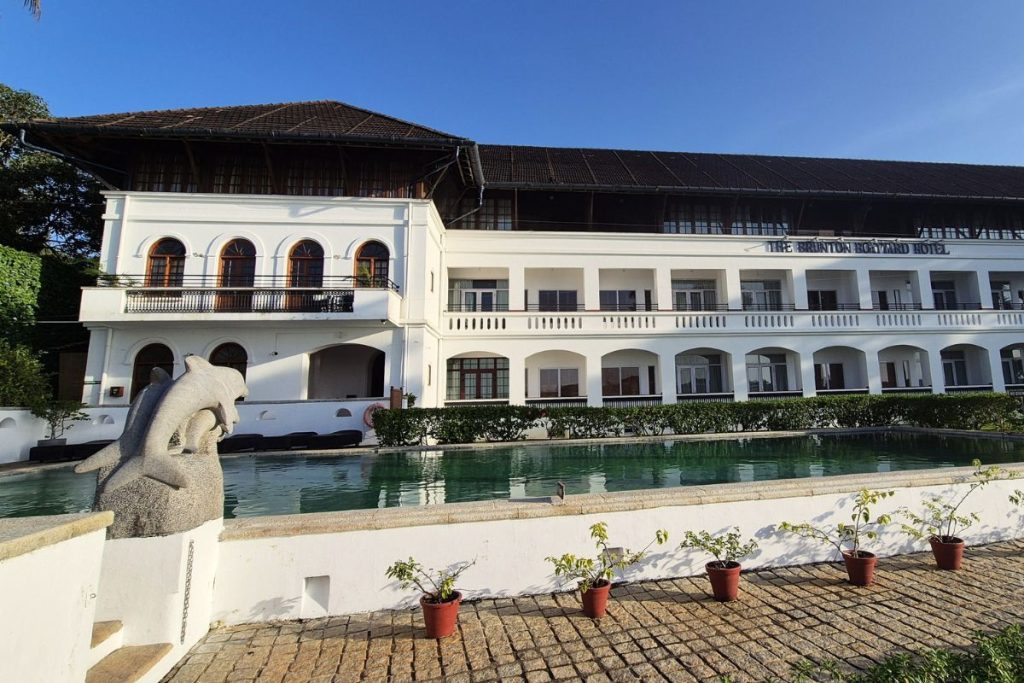
I checked in to another CGH residence, the Brunton Boatyard (Brunton Boatyard) overlooking the harbour and waterways and offering guests a complimentary sunset boat tour from the hotel jetty.
Kathakali Dancing
Sights to catch in Kochi include the Mattancherry Palace with palanquins, murals and artefacts; the Paradesi Synagogue; Jew Street and the nearby craft shops; and the Fort area.
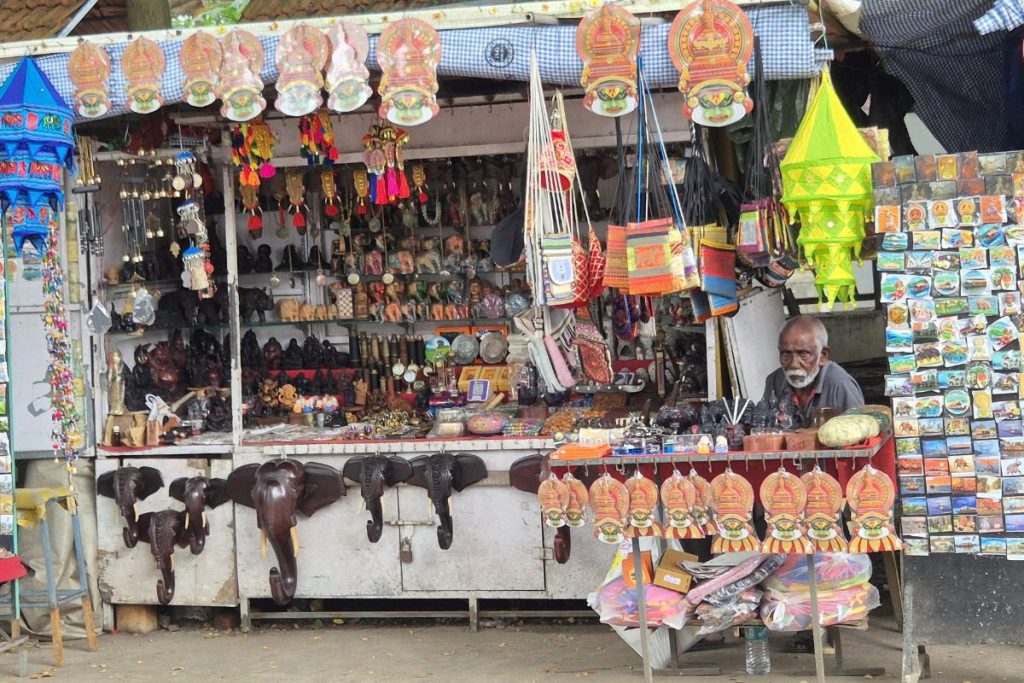
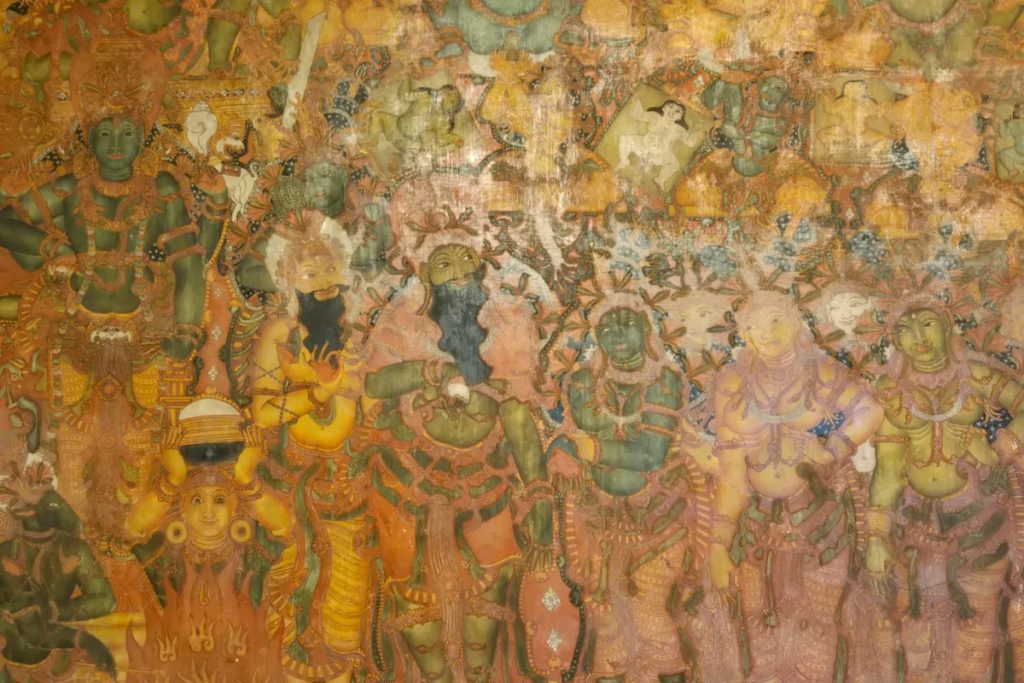
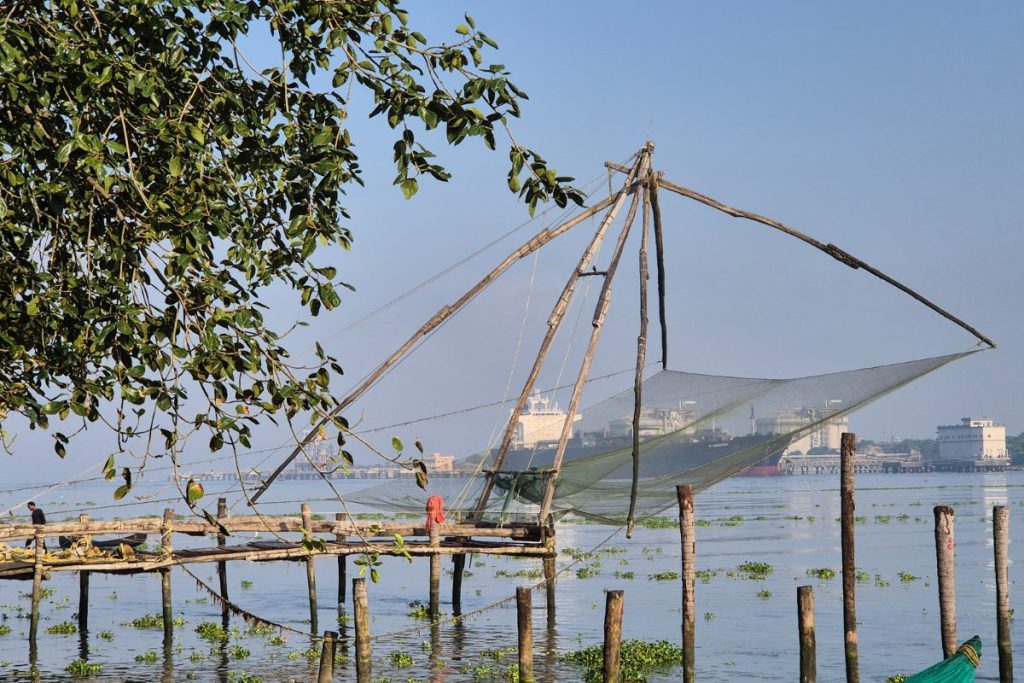
While little remains of the Portuguese fortress, the area is busy with stalls for snacks and souvenirs, or simply watching fishermen raise and lower the Chinese nets, which remain an important element of the local fishing industry.
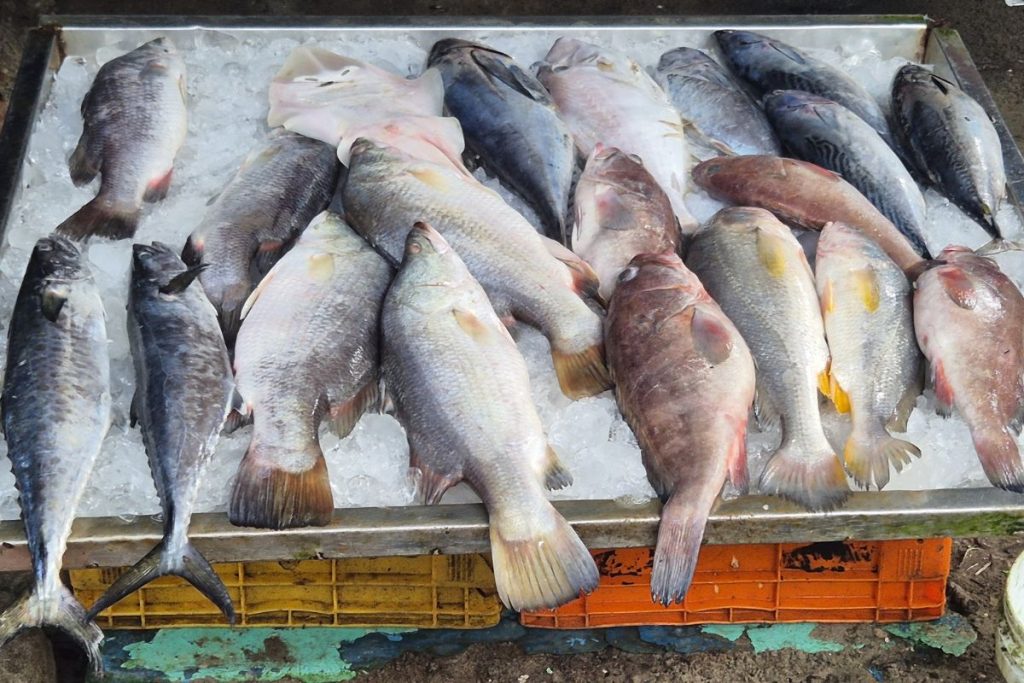
Boat fishermen also land their catches nearby and auction them off to vendors along the pavement. Everything from squid and red snapper, mullet and king fish through to luscious prawns and tuna is on sale.
And finally, no visit to Kerala would be complete without seeing Kathakali Dance.
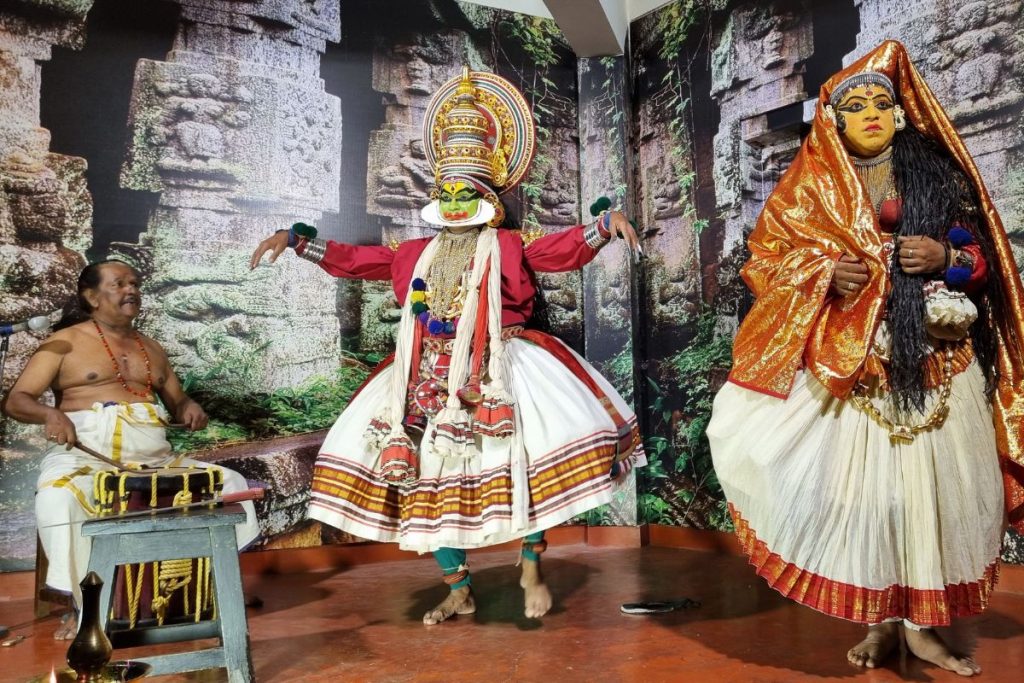
Instantly recognisable by the vivid make-up of the characters and the exaggerated body movements, facial expressions and bulging eyeballs that accompany performances, you can watch performers apply their make-up and explain the movements before a show, which usually portrays stories from the Indian epics of the Ramayana and Mahabharata.
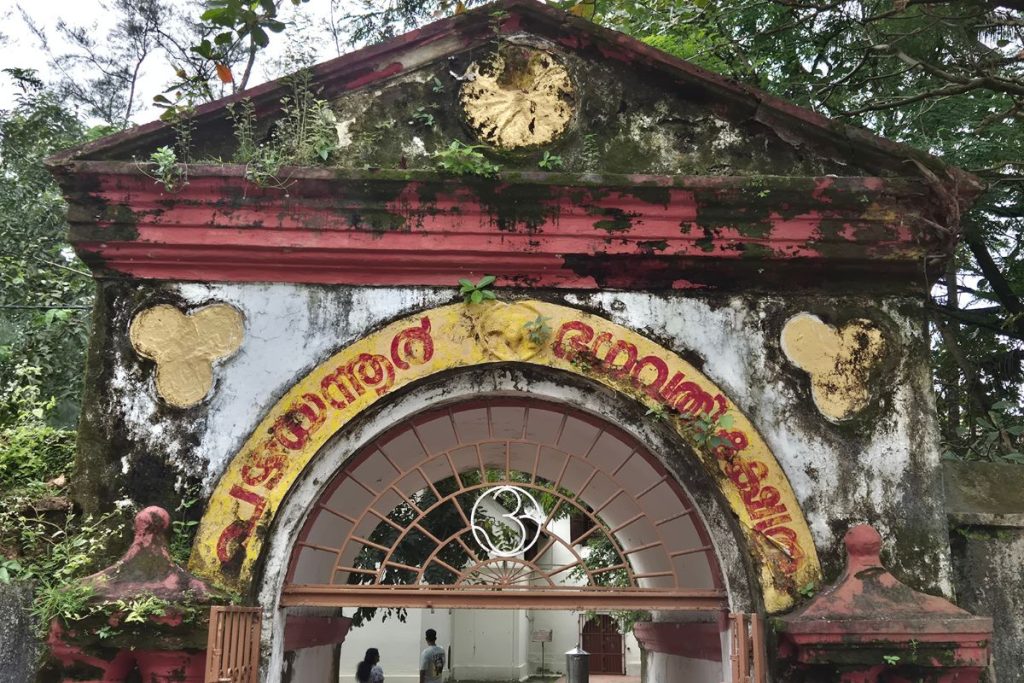
Kerala is one of India’s most relaxed and welcoming states. Whether it is tea, spices, good hotels or interesting attractions, it is a must-visit destination because of its diversity of attractions, climate and landscape.
*Mark Nicholls was hosted by ILH (https://theilh.com/), an India-based destination management company working with guests and travel agents to deliver tailor-made experiences across southern India and beyond.
For more information: CGH Earth (www.cghearth.com) and Kerala Tourism (http://www.keralatourism.gov.in/en)
Article written and photography by Mark Nicholls (Freelance Travel Writer)
www.mnmedia.co.uk X @marknicholls5









1 thought on “Mark Nicholls Heads to Kerala in Southern India in Search of Tea and Spices”
Comments are closed.