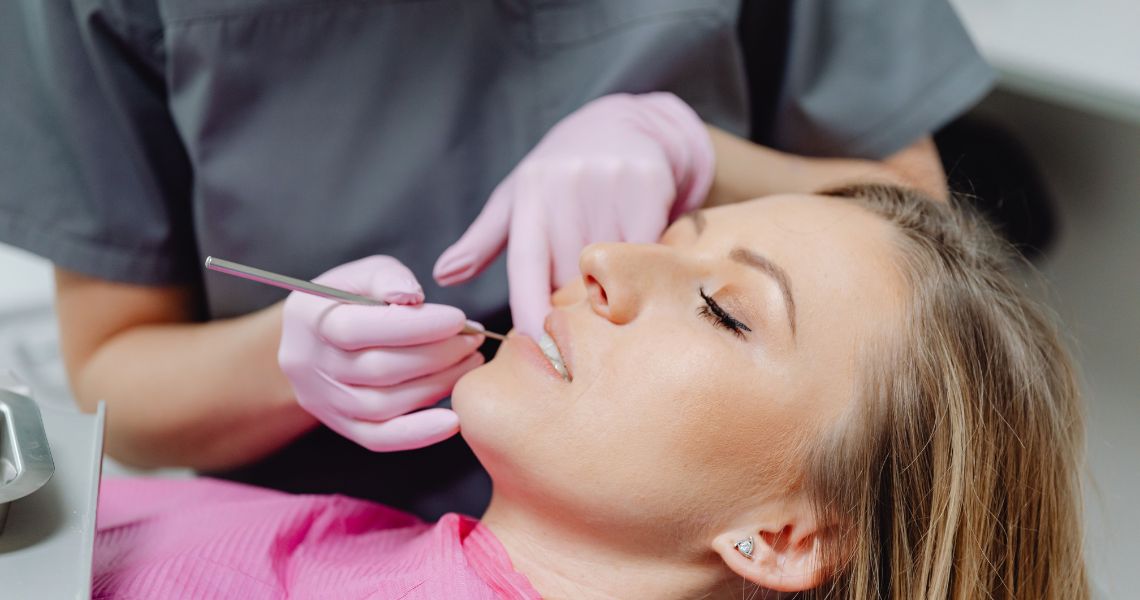
The advantages of telemedicine are numerous and include many benefits for both patients and healthcare professionals. Telemedicine makes healthcare services more accessible, especially for people who live in rural or underdeveloped areas.
With online medical certificate service, you can obtain healthcare more quickly and free up more NHS resources. Telemedicine and telehealth also helps patients by enabling virtual appointments, which eliminates the need for expensive and time-consuming trips to medical facilities. This encourages adherence to treatment plans and follow-up appointments in addition to saving patients a significant amount of time and money.
Definition of Telehealth
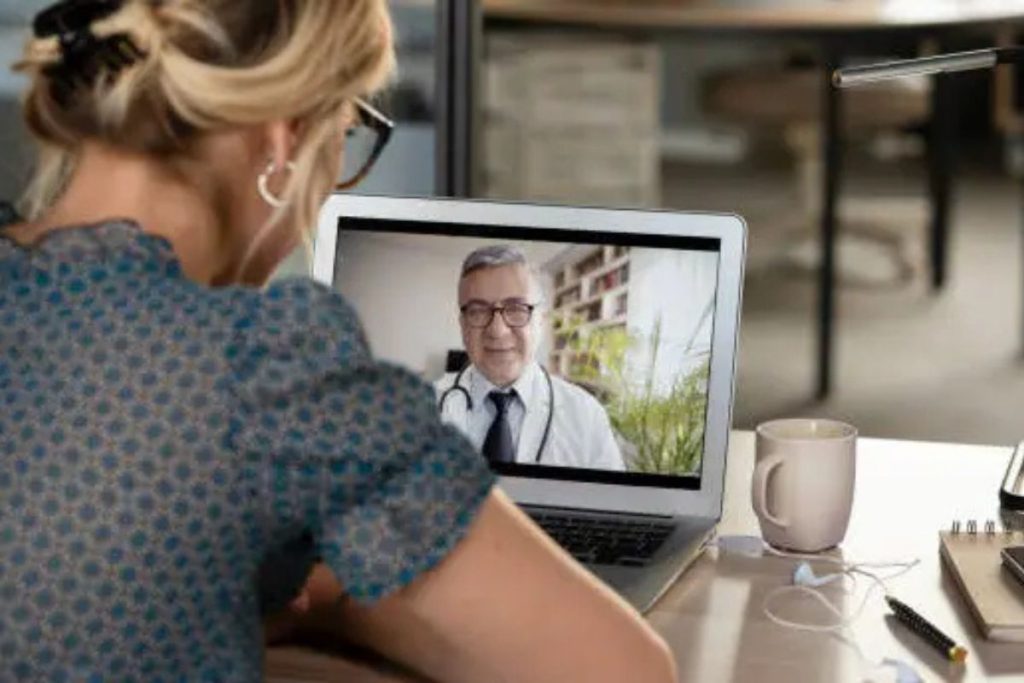
The provision of online medical care to patients via telecommunications technologies is known as telehealth, or telemedicine. Patients no longer need to visit their doctors in person because they can communicate with them via video chat, audio calls, or messaging on a smartphone, laptop, or tablet. Telehealth can address a range of patient needs, from routine check-ups to managing chronic diseases, even though patients still need to make in-person appointments for surgeries, medical emergencies, and certain medical conditions.
Other choices
Some people may seek medical advice or care via phone or online services. Many questions are asked when you call a primary or urgent care service or log into a web-based service. They might also advise more medical attention or home care advice.
- It’s possible that your regular provider won’t coordinate your treatment.
- You might overlook important information from your medical history.
- If you have a complicated medical history, the computer-driven model that makes decisions might not be the best fit for you.
Shifting Workforce Dynamics in Healthcare
The dynamics of the healthcare workforce have changed as a result of the growth of telemedicine. Both new opportunities and traditional roles are changing. A new set of skills, such as competence in data interpretation, technology use, and remote communication, are now necessary for healthcare workers. This shift is increasingly visible across modern telehealth job listings, which now emphasize a demand for clinicians who can balance high-tech virtual interfaces with empathetic, screen-to-screen patient care. Consequently, these placement avenues are redefining work-life balance for practitioners by matching specialized medical talents with agile, locum tenens, or remote clinical rotations. These developments enhance the professional development and contribution of healthcare professionals to contemporary healthcare by expanding their horizons and opening up more varied and adaptable career pathways.
Shifting Expectations of Patients
The patient of today wants convenience. The dynamic of the patient-provider relationship has changed as a result of the ability to consult a doctor without having to wait, commute, or deal with administrative red tape. With the goal of promoting contemporary healthcare practices, NextClinic is a rapidly expanding healthcare organisation.
Pandemic-Related Needs
As hospitals and clinics became overburdened and staying at home became the new normal, the COVID-19 pandemic highlighted the necessity of telemedicine. Early in the COVID-19 pandemic, virtual health visits actually increased by over 3,000%, with 150 million telehealth claims in less than two years.
Encouraging Medical Professionals
In addition to helping patients, telemedicine has given medical personnel more authority in a number of ways. Today, doctors can reach a larger patient base by extending their knowledge outside of their physical clinics. In specialties where there is a shortage of specialists, this reach expansion can have a particularly significant effect. Physicians can work together on complicated cases, exchange information, and get second opinions through telemedicine, which promotes a culture of lifelong learning.
Talking between providers
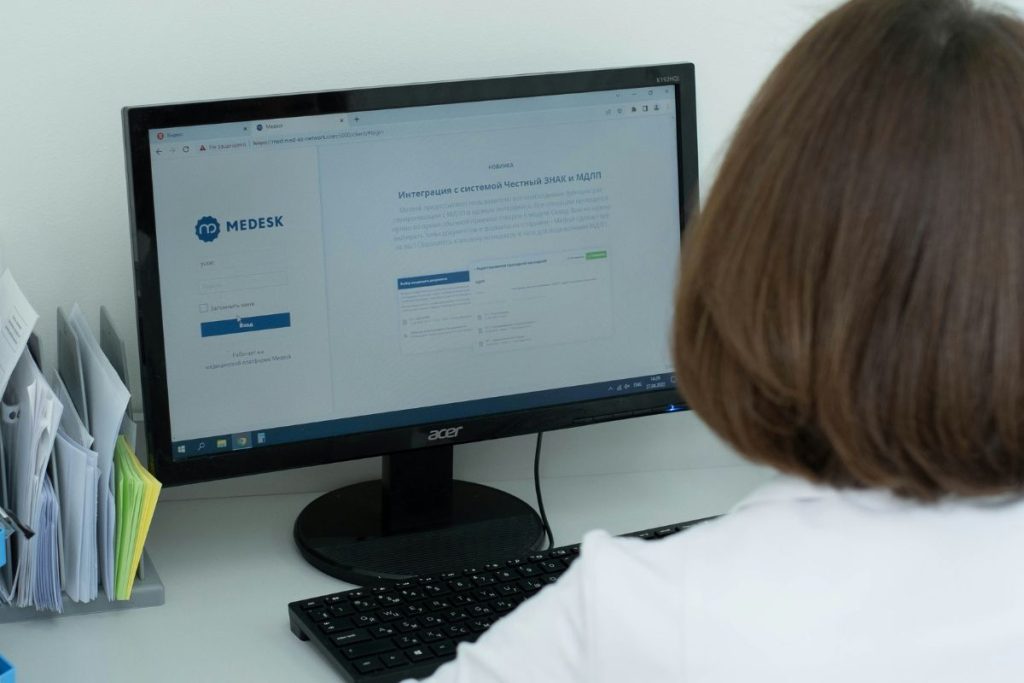
Technology can also be used by providers to improve patient care. For instance, when primary care physicians have questions concerning your diagnosis or course of treatment, they can consult with specialists in different places via a virtual consultation. Exam notes, history, test results, X-rays, and other images are sent to the specialist by the primary care physician for evaluation. The expert may respond via email. Or they might visit your provider’s office virtually. They might also request an in-person meeting.
Emerging Markets: A Revolution in Telemedicine
Telemedicine presents a revolutionary solution for emerging markets, where access to healthcare is frequently constrained by geography or infrastructure. Telemedicine makes sure that even the most remote communities have access to medical knowledge in areas where there is a shortage of doctors. The potential of telemedicine to enhance public health outcomes, lessen the strain on overburdened medical facilities, and expand the reach of healthcare services is becoming more widely acknowledged by governments and healthcare organisations.
Concluding
By placing patients at the centre of care, telehealth is transforming the medical field. In contemporary healthcare, telemedicine has become a disruptive force that is changing patient care paradigms and the way medical services are delivered. Telehealth is rapidly becoming a crucial component of contemporary healthcare due to rising investment in the field and increased patient adoption rates.
Images courtesy of unsplash.com and pexels.com