Commercial life rafts play a crucial role in maritime safety, providing a reliable means of survival during emergencies at sea. Designed for use in professional maritime operations, they are engineered to meet stringent safety regulations and withstand harsh conditions.
Understanding the features of life rafts, their uses, and maintenance requirements for liferaft repairs ensures optimal performance and compliance with international standards.
Key Features of Commercial Life rafts
Commercial ones are equipped with features designed to ensure survival in emergency situations. They are typically constructed with durable materials that resist punctures, UV damage, and extreme weather. Inflatable models are common, as they save space and are easy to deploy in emergencies. Automatic inflation systems allow rapid deployment when activated, while manual backup options ensure functionality in diverse scenarios.

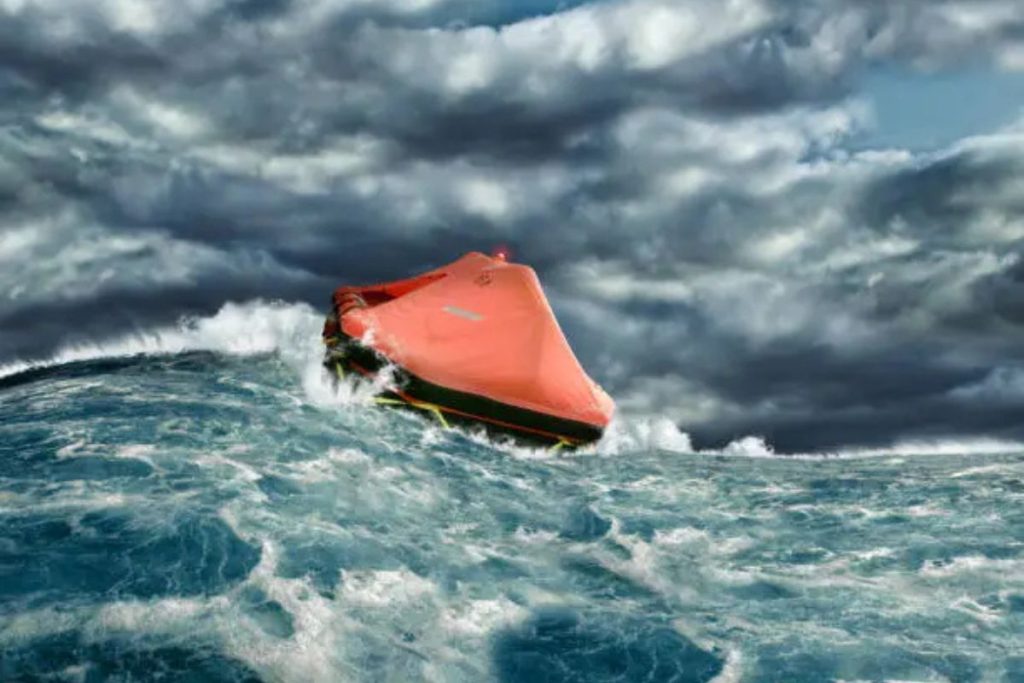
Life rafts come with essential survival tools, such as paddles, signalling devices, and emergency rations. Some models include rainwater collection systems and insulation to protect occupants from hypothermia. The capacity of commercial life rafts varies, ranging from smaller units for a handful of individuals to larger models capable of accommodating dozens. High-visibility colours and reflective materials enhance visibility for rescue teams, even in poor weather or low light.
Regulatory Standards and Certifications
Commercial life rafts must comply with international safety standards established by organizations such as the International Maritime Organization (IMO). The Safety of Life at Sea (SOLAS) convention outlines specific requirements for life rafts, including buoyancy, stability, and capacity. These standards ensure they are capable of supporting survivors for extended periods while awaiting rescue.
Certifications from recognized authorities, such as classification societies or flag states, attest to the quality and reliability of commercial life rafts. Regular inspections and servicing are mandated to maintain compliance and functionality. Vessels operating in international waters are legally required to carry sufficient life raft capacity for all passengers and crew.
Types of Commercial Liferafts
Several types of commercial life rafts cater to different maritime applications. Open ones, which lack canopies, are suitable for short-term use in calm waters. Conversely, enclosed ones are better suited for harsher conditions, offering protection against wind, rain, and waves. Self-righting life rafts ensure stability even if deployed upside down, an essential feature in turbulent seas.

Specialized life rafts for oil rigs, offshore wind farms, or cruise ships may include advanced features such as reinforced flooring, additional storage for supplies, or enhanced insulation. The choice depends on the vessel type, operational area, and anticipated conditions.
Deployment and Operation
In emergencies, quick and efficient life raft deployment can mean the difference between life and death. Most commercial ones are stored in compact containers on deck or near muster stations. Hydrostatic release units (HRUs) automatically deploy the rafts when a vessel sinks below a certain depth, ensuring they are accessible even in severe emergencies.
Crew training is essential for effective life raft use. Regular drills familiarize personnel with deployment procedures, entry techniques, and survival strategies. Emergency plans must also include clear instructions on life raft allocation and prioritization to prevent chaos during evacuations.
Maintenance and Inspection
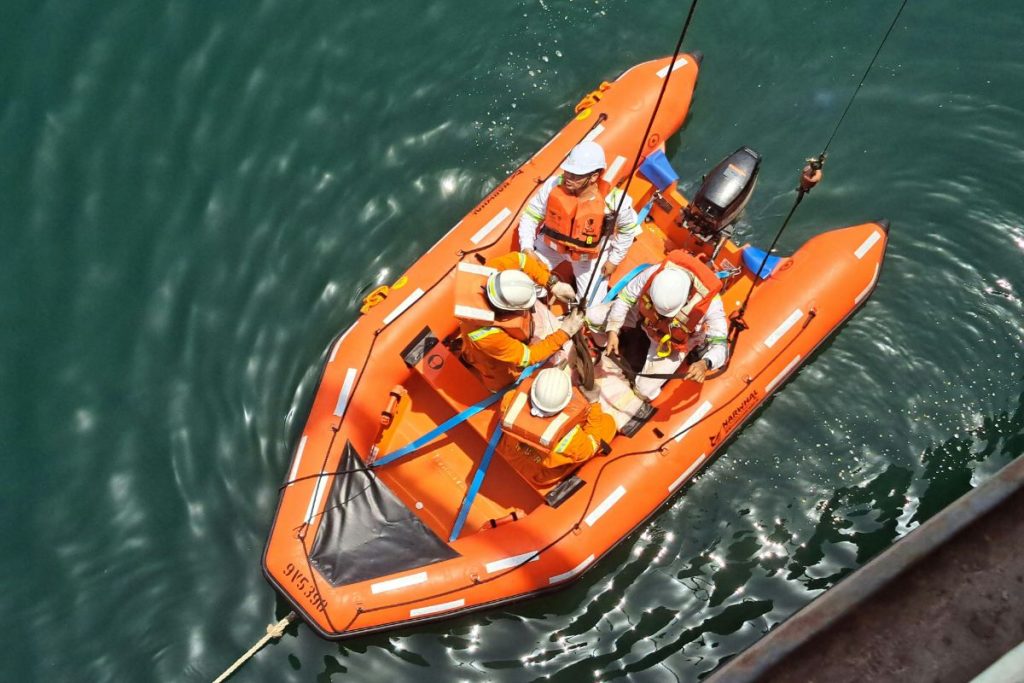
Proper maintenance ensures that commercial life rafts remain in optimal condition. Life rafts must undergo regular inspections by certified technicians to check for damage, wear, or expired components. Annual servicing typically includes testing inflation systems, replacing consumables, and verifying compliance with safety standards.
Storage conditions also play a critical role in their longevity. Life rafts should be stored in dry, ventilated areas away from direct sunlight and corrosive substances. Adherence to manufacturer guidelines helps prevent premature degradation and ensures readiness when needed.
Challenges in Commercial Life raft Use
Despite their reliability, life rafts are not without challenges. Harsh maritime environments can compromise functionality, while overcrowding may strain capacity. Limited supplies, particularly in prolonged emergencies, highlight the importance of efficient resource management.
Additionally, technological advancements in life raft design must address evolving maritime risks. Innovations such as integrated GPS systems or automated distress signalling could enhance rescue efforts and survival outcomes.
Future Trends in Life raft Technology
The maritime industry continues to innovate, incorporating advanced materials and smart technologies into life raft design. Lightweight, compact models improve storage efficiency without sacrificing durability. Solar-powered lighting and communication devices are becoming standard features, improving visibility and connectivity in emergencies.
Sustainability is also influencing life raft production. Manufacturers are exploring eco-friendly materials and processes to reduce environmental impact. These efforts align with broader industry trends toward green maritime operations.
Conclusion
Commercial life rafts are indispensable for ensuring safety at sea. Their robust design, compliance with international standards, and essential survival features make them a vital component of maritime operations. Proper maintenance, crew training, and adherence to regulations maximize their effectiveness during emergencies. As technology advances, the next generation of life rafts promises even greater safety, sustainability, and resilience for maritime industries worldwide.
Images courtesy of unsplash.com and pexels.com