Building out a training setup at home costs proper money. Whether you picked up a pair of adjustable dumbbells or converted the whole garage into a lifting space, watching your kit rust, squeak, or fall apart after twelve months is brutal.
Most people think gym gear is indestructible because it’s made of thick iron and dense foam. It isn’t. Sweating all over your rack, leaving plates on a damp concrete slab, and ignoring basic upkeep will ruin high-end gear faster than you think.
Taking care of your stuff doesn’t mean spending two hours a week polishing metal. It’s mostly quick, boring habits right at the end of a workout. Take three minutes to wipe things off and check a couple of bolts before walking out, and your kit will easily outlast your lifting days. Here is how to keep everything running smooth without making maintenance a massive chore.
1. Wipe Off the Sweat Before It Eats Your Frame
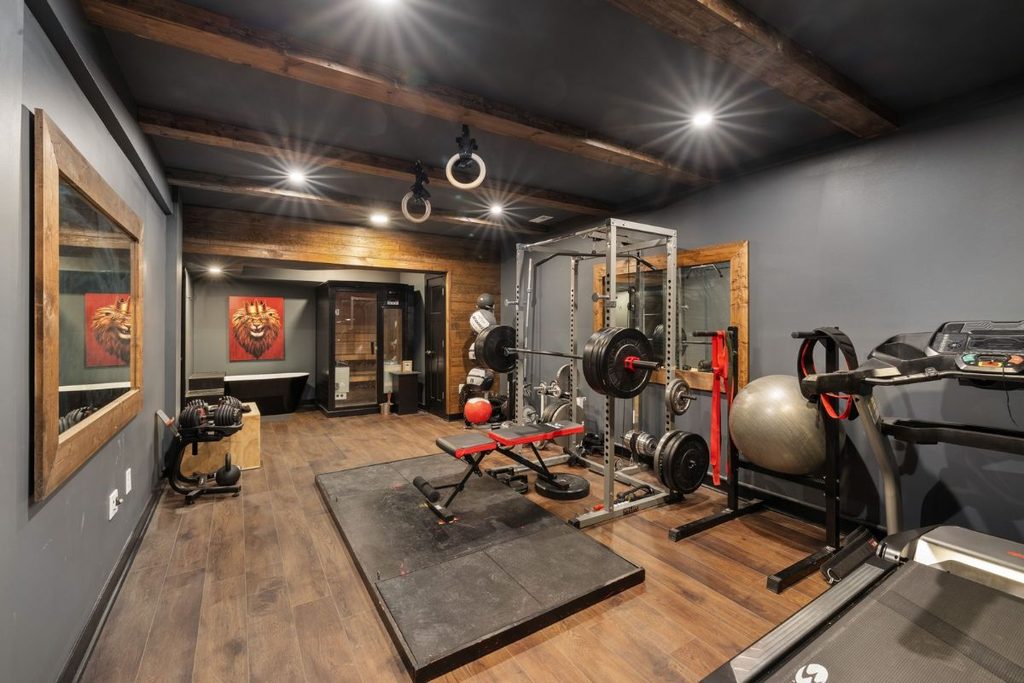
Sweat is basically pure salt water. Leave it pooling on your bench or dripping down your squat rack uprights, and it goes to work like acid; eating through protective paint, rotting vinyl seams, and setting off surface rust in a couple of weeks. It gets into the thread grooves of your bolts, and before you know it, things are seized up or flaking orange.
Keep an old rag and a spray bottle right by the rack so you don’t even have to think about it. The minute you finish your last set, give everything a quick wipe: the bench pad, where your hands gripped the bar, the rack uprights.
Don’t go overboard with heavy bleach or harsh industrial degreasers, though. They’re way too harsh—they’ll break down the stitching on your bench pad and strip the clear coat right off your metal. Cheap disinfectant wipes or plain water with a splash of dish soap do the job without wrecking your gym gear.
2. Give Your Barbell Knurling Some Deserved Attention
Your barbell takes more beatings than anything else in the room. Every time you lift, you’re smashing skin oil, sweat, and chalk straight into the knurling. Walk away without cleaning it, and all that caked gunk traps moisture against the steel. Result? The grip goes slick, and rust starts creeping out from the inside.
Get a five-dollar nylon brush from the hardware store and keep it by the plates. Once a month, scrub that packed chalk out of the metal grooves.
If it’s a bare steel or black oxide bar, rub a tiny bit of 3-in-One oil over the shaft after brushing it out. Let it sit for ten minutes, then wipe off every single drop of extra oil with a dry towel. Otherwise, your hands will slide right off the bar on your next heavy set of deadlifts.
3. Protect Your Free Weights and Rubber Plates
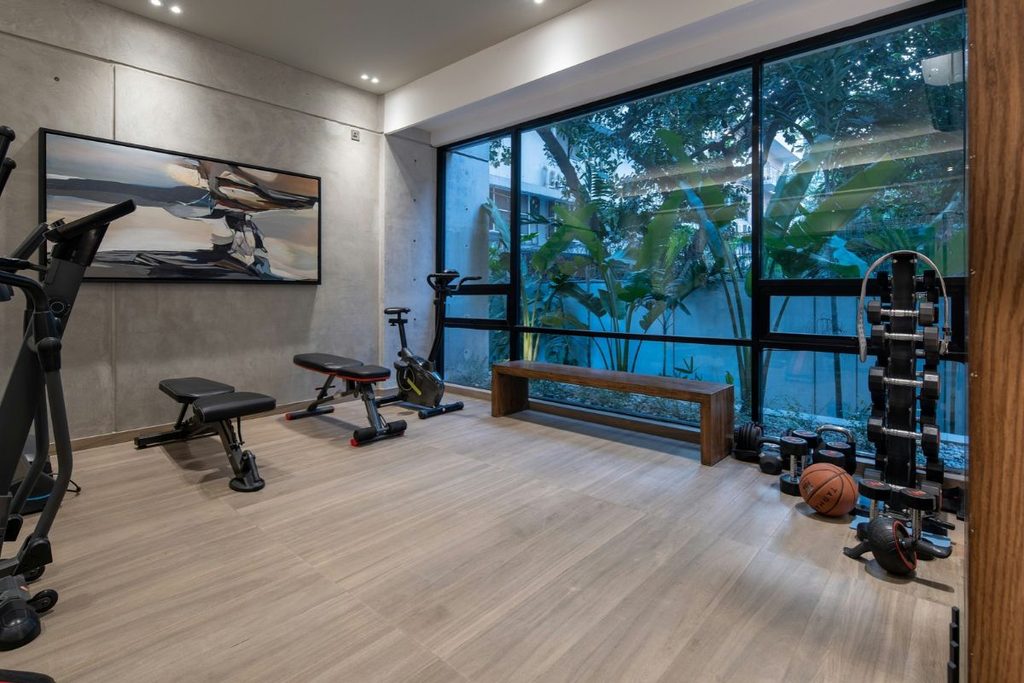
Dropping plates straight onto bare concrete or letting them sit in a damp room ruins them fast. Cast iron chips and rusts. Cheap rubber bumpers start cracking, warping, and smelling like hot tires if they’re sitting in direct sun or a boiling garage all summer.
Get your weight lifting equipment off the floor. Storing plates on a tree or toaster rack stops the rubber from flattening out on one side and keeps damp air from pooling underneath the metal.
If you’re using basic iron plates, watch for chipped paint. Bare gray iron showing through? Dab some black rust-inhibiting spray over it right away before orange spots spread across the whole disc. It takes twenty seconds, saves your floor, and keeps your gear from looking like junk.
4. Tighten Loose Bolts and Check Cable Wear Regularly
Re-racking heavy bars, slamming dumbbells, and pulling on cables constantly vibrates your gym gear. Over time, that friction backs bolts right out of their threads. A rack that felt like a brick wall on day one will slowly develop an annoying little sway after six months. Ignoring that sway isn’t just sloppy; it’s asking for a frame to shift or buckle when you’ve got real weight sitting on your shoulders.
Set a reminder every month or two. Grab a wrench and an Allen key, walk around the rack, and crank down anything that moves.
While you’re doing that, run a hand down any pulley cables on your setup. Feel for frayed wire strands, weird kinks, or plastic coating that’s starting to split and peel off. If a cable looks worn, replace it immediately. You do not want a steel line snapping in your face midway through a heavy pulldown.
5. Control Moisture to Keep Rust at Bay
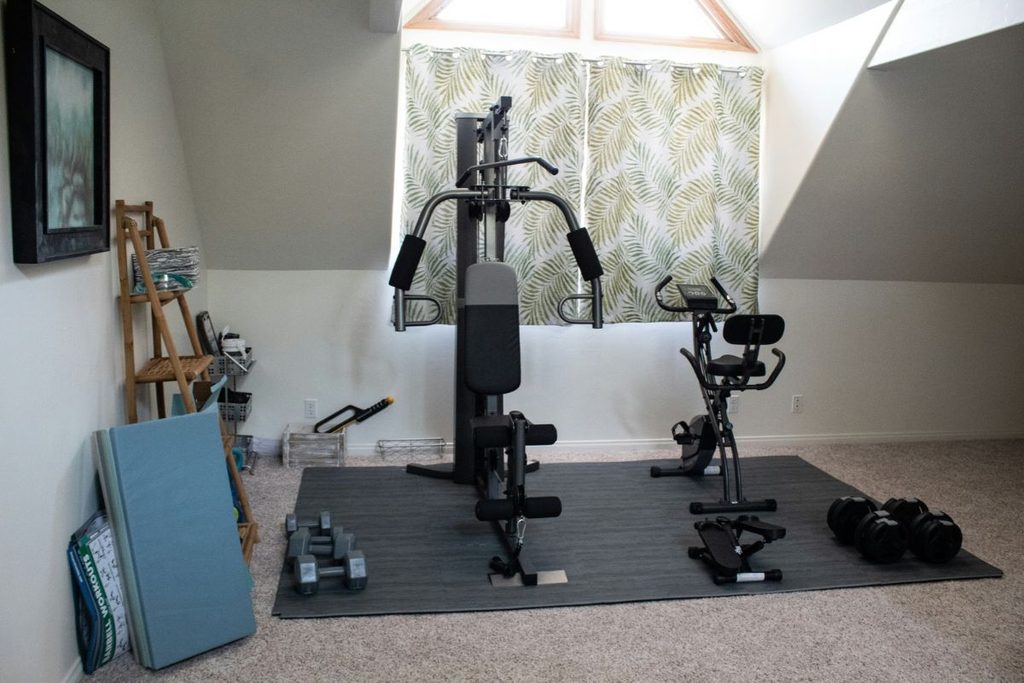
Humidity kills a home gym way faster than heavy lifting ever will. Garages and basements trap wet air like a sponge, especially when it swings from freezing nights to warm mornings. That condensation hits cold steel instantly. Next thing you know, every bolt, plate, and collar in the room has a gross layer of orange rust on it.
If your setup is out in the garage or down in the basement, plug in a cheap dehumidifier during those muggy months. Even just tossing a basic floor fan in the corner to keep air moving stops stagnant moisture from settling on your iron.
Can’t run a dehumidifier? Grab a rag and wipe bare steel parts down with a quick spray of silicone or light machine oil every few weeks. It creates a solid barrier against the damp air so you aren’t waking up to ruined gear.
Final Thoughts: A Little Care Saves Big Money
Taking care of your gear isn’t rocket science, and it definitely shouldn’t feel like a second job. Wipe off your sweat, scrub the chalk out of the knurling, tighten the bolts when things wobble, and don’t let damp air rot your steel.
That’s literally all it takes.
Spending two minutes at the end of a workout to wipe down your rack and gym gear, and sweep up the floor keeps your space safe to train in. More importantly, it keeps your hard-earned money in your pocket instead of forcing you to buy the exact same equipment all over again in two years.
Images courtesy of unsplash.com and pexels.com