Switching to solar energy with Maui Solar Company has become increasingly popular as individuals and businesses aim to be more environmentally conscious and reduce energy costs. While solar panels are seen as a smart, eco-friendly investment, they come with both advantages and disadvantages.
Here, we’ll explore the key pros and cons of going solar.
Pros of Going Solar
Reduced Energy Bills
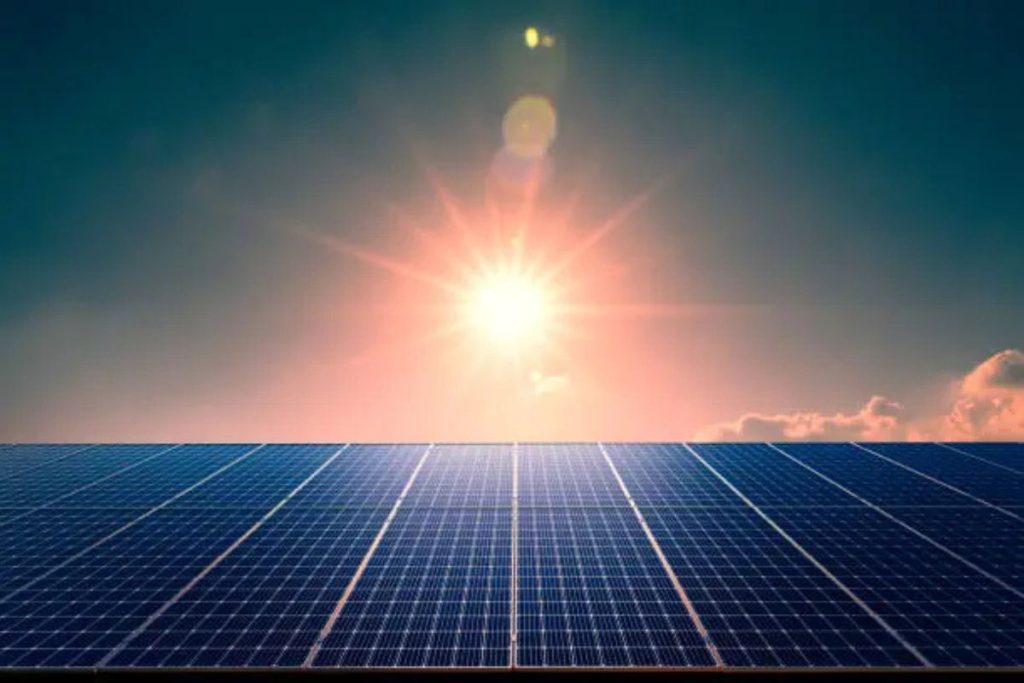
One of the most immediate benefits of installing solar panels is the potential reduction in monthly energy bills. Solar panels harness energy from the sun, which is free. By generating your own electricity, you can significantly cut down on or even eliminate your reliance on the grid. This results in savings that add up over the lifespan of the panels, which typically extends 20 to 30 years.
Environmental Benefits
Solar energy is a clean and renewable energy source. Unlike fossil fuels, which release greenhouse gases and other pollutants, solar power production is virtually emission-free. This means switching to solar contributes to reducing your carbon footprint, which helps combat climate change. As more people make the move to renewable energy, the cumulative effect can lead to substantial environmental benefits.
Energy Independence
Relying on solar energy can offer more energy independence. When you generate your own power, you’re less affected by rising electricity rates and potential power outages. This can be especially beneficial in areas prone to natural disasters or where grid stability is a concern. With battery storage options starting from a 4kw solar system, homeowners can store excess energy produced during the day for use at night or during periods of low sunlight.
Financial Incentives
Governments and local authorities often provide financial incentives to encourage the adoption of solar power. These can include tax credits, rebates, and other subsidies that help offset the initial installation costs. For example, in many places, the Investment Tax Credit (ITC) offers a significant deduction on federal income taxes for those who install solar panels.
Increased Property Value
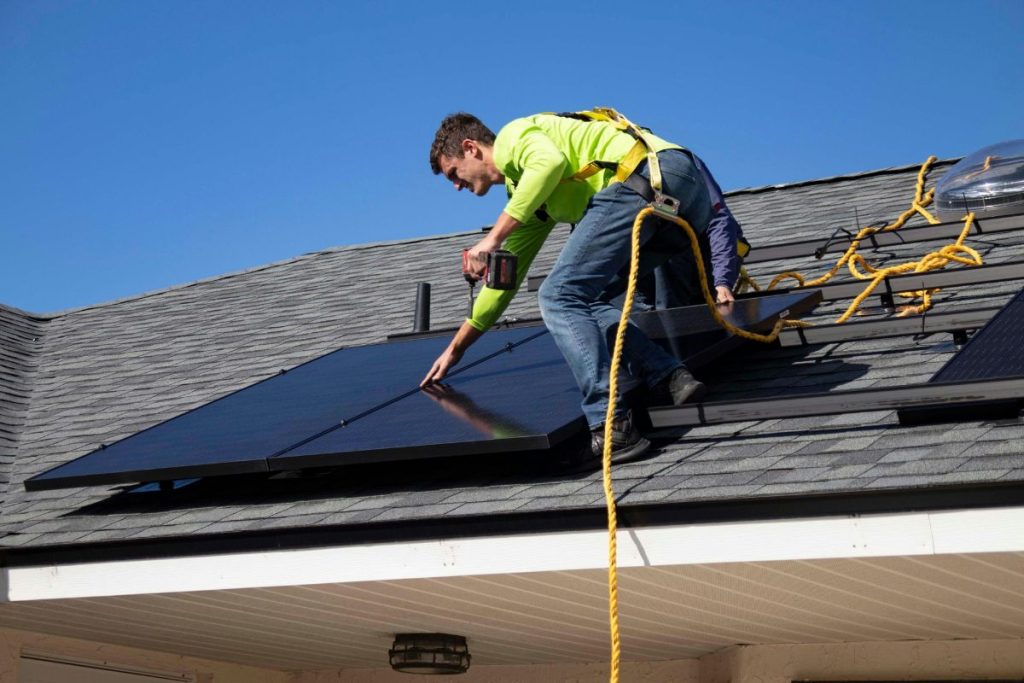
Homes equipped with solar panels often see an increase in property value. Prospective buyers are increasingly interested in energy-efficient homes, and solar panels can be an attractive feature. Research has shown that properties with solar energy systems can sell faster and for more money compared to those without.
Cons of Going Solar
High Initial Costs
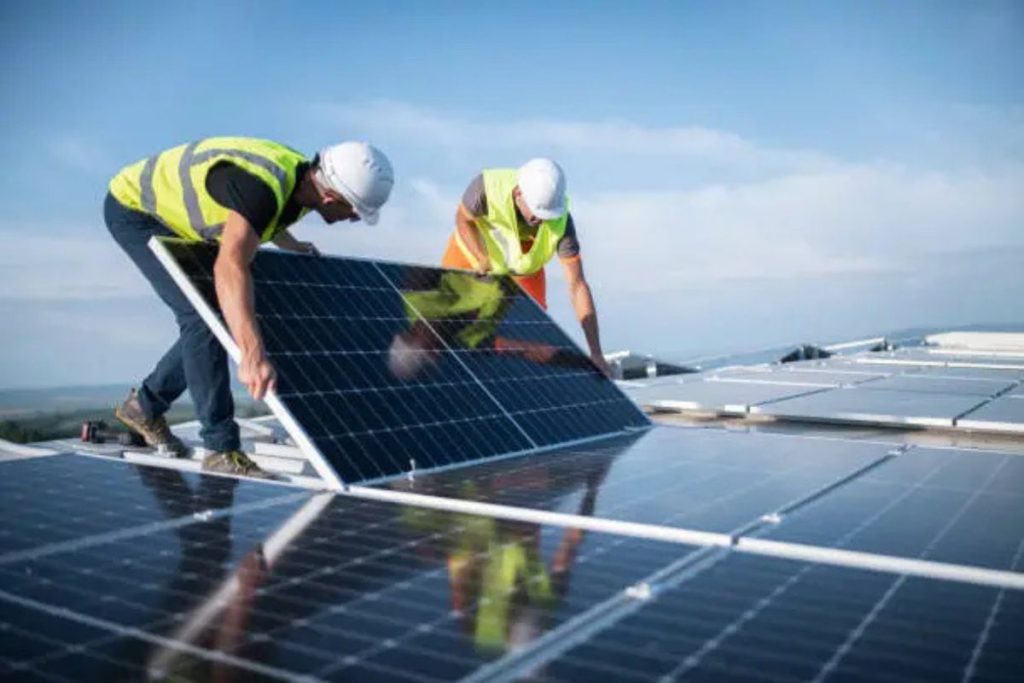
Despite the long-term savings, the initial cost of purchasing and installing solar panels can be a deterrent for many. The upfront price for panels, inverters, mounting equipment, and installation can run into several thousand dollars. While financial incentives can help mitigate this expense, the initial investment remains substantial for some homeowners.
Weather Dependence
The efficiency of solar panels can be affected by weather conditions. While panels do not require direct sunlight to generate electricity, their output is higher in sunny weather. Cloudy or rainy days will lead to a decrease in energy production. In regions that experience long winters or frequent cloudy days, this can impact how much energy solar panels can generate.
Space Requirements
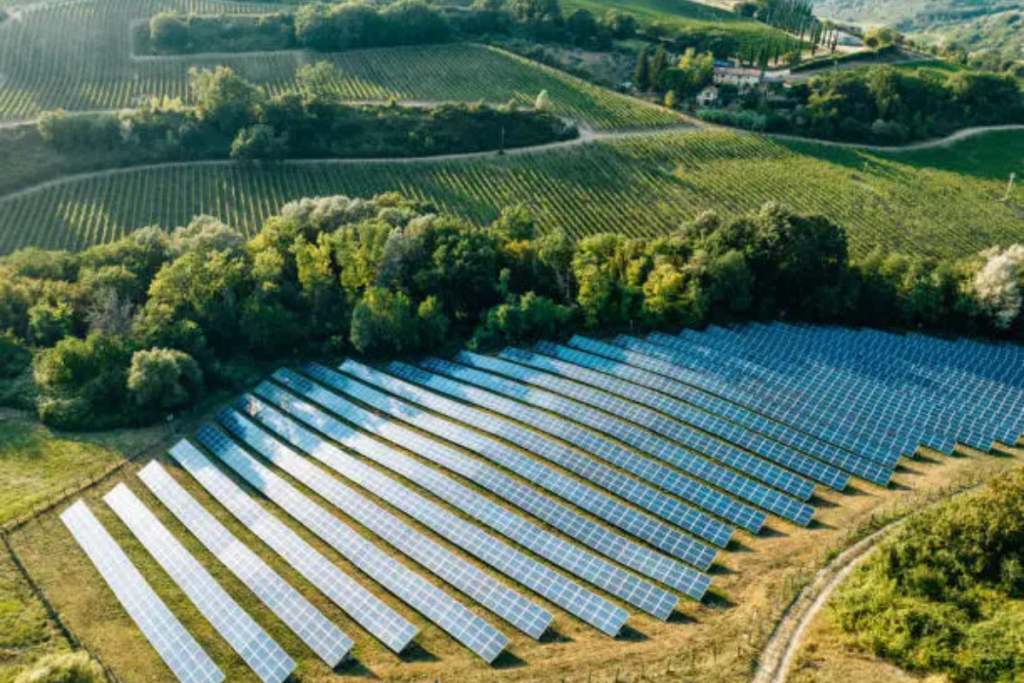
The amount of energy that a solar panel system can produce depends on the available space for installation. Rooftops with limited space may not be able to support enough panels to fully power a home. Additionally, ground-mounted systems need ample land, which may not be feasible for those with smaller properties.
Maintenance and Repairs
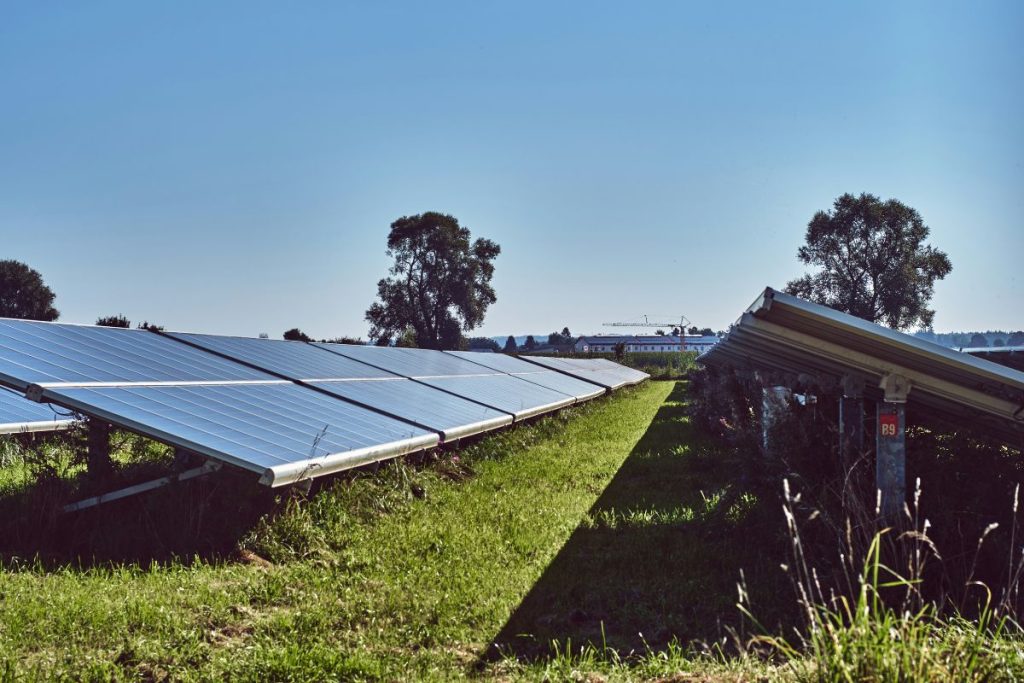
Solar panels require minimal maintenance, but they are not entirely maintenance-free. Periodic cleaning and occasional servicing are necessary to ensure optimal performance. Additionally, while panels have a long lifespan, inverters generally need replacing after 10 to 15 years, which is an added expense. Repairs can also be costly if any damage occurs, such as from extreme weather conditions.
Storage Costs
For those who want to maximize their use of solar power, battery storage systems are an option. However, these systems come with a high price tag. Battery technology has improved significantly, but it remains an expensive addition. Without a storage solution, homeowners must still rely on the grid for power during the night or on days when solar energy production is insufficient.
Regulatory Challenges
The process of installing solar panels may involve navigating local regulations and obtaining permits. This can be time-consuming and vary widely depending on location. Additionally, homeowners’ associations (HOAs) and zoning laws might restrict the type or placement of solar panels, creating an additional layer of complexity.
Conclusion
Going solar offers numerous benefits, from lower energy bills and reduced environmental impact to increased energy independence. However, it also comes with certain drawbacks, such as high initial costs, space requirements, and weather dependence. For many, the decision to install solar panels involves weighing these pros and cons against their energy needs, location, and financial situation. With technological advances and growing government support, solar energy is becoming a more accessible option, but it’s important to assess whether it’s the right fit for each individual or family.
Images courtesy of unsplash.com and pexels.com