The world of insects is vast and diverse, encompassing creatures that often intrigue and sometimes instil fear in us.
In this blog, we delve into two intriguing topics – blue bottle fly bites and the nocturnal behaviour of the cockroach. Understanding these aspects not only sheds light on the behaviour of these insects but also equips us with valuable knowledge to protect ourselves and our homes from potential risks and nuisances.
Blue Bottle Fly Bites: Separating Fact from Fiction
Identifying Blue Bottle Flies:

- Appearance: Blue bottle flies, also known as blow flies, can be recognized by their metallic blue or green bodies and large, red compound eyes.
- Habitat: These flies are commonly found around decaying organic matter, garbage, and animal carcasses, where they lay their eggs.
Myth vs. Reality: Do Blue Bottle Flies Bite?
- Myth: Blue bottle flies are often mistaken for biting humans.
- Reality: While blue bottle flies do not feed on blood or bite humans, their presence around unsanitary areas can pose health risks due to contamination.
Preventive Measures:
- Maintain Cleanliness: Proper waste management and sanitation practices can deter blue bottle flies from breeding near your home.
- Screening: Installing screens on windows and doors can prevent flies from entering living spaces.
Dealing with Blue Bottle Flies:

- Use of Traps: Non-toxic sticky fly traps can help capture and remove blue bottle flies from your surroundings.
- Professional Pest Control: In severe infestations, seeking the assistance of pest control experts may be necessary to address the underlying issue.
Demystifying Cockroach Nocturnal Behaviour
Cockroach Habitat and Behaviour:
- Nocturnal Nature: Are Cockroaches are Nocturnal ? Cockroaches are primarily nocturnal insects, meaning they are most active during the night.
- Food Source: Cockroaches are scavengers that feed on a wide range of organic matter, making them adaptable to various environments.
Benefits of Nocturnal Behaviour:
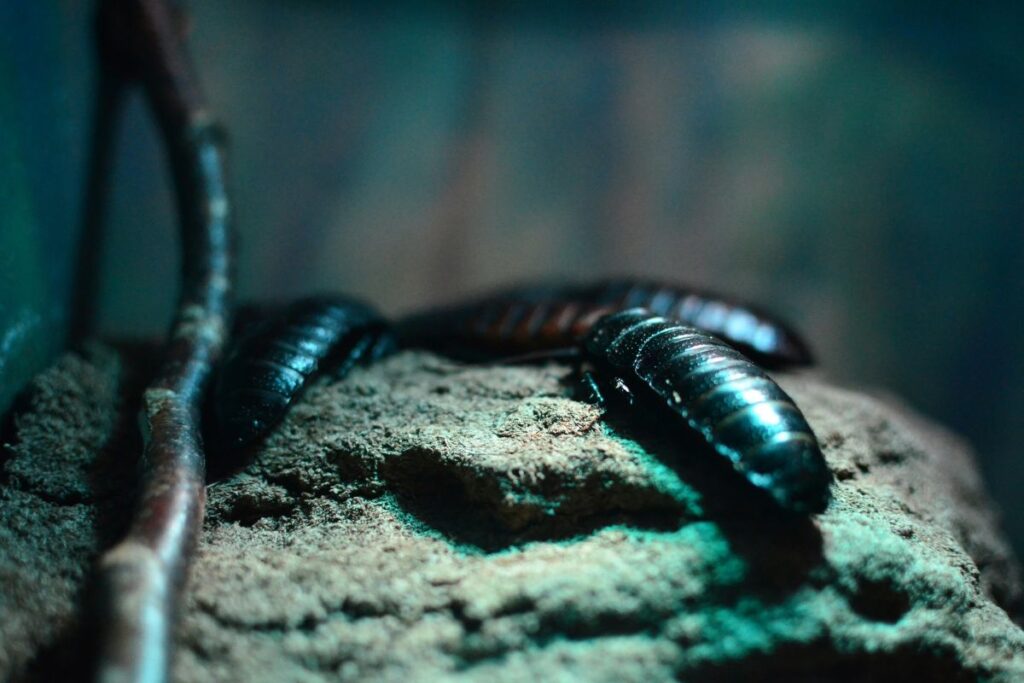
- Survival Strategy: Cockroaches have evolved to be active at night to avoid predators and maximize their chances of finding food.
- Adaptability: Nocturnal behaviour allows cockroaches to thrive in dark, hidden spaces where they can establish nests and colonies undisturbed.
Impact on Infestation Control:
- Detection Challenges: The nocturnal nature of cockroaches can make it challenging to detect and address infestations effectively.
- Strategies for Control: Implementing preventive measures and targeted control methods can help manage and eliminate cockroach infestations.
Managing Cockroach Infestations:
Prevention Tips:
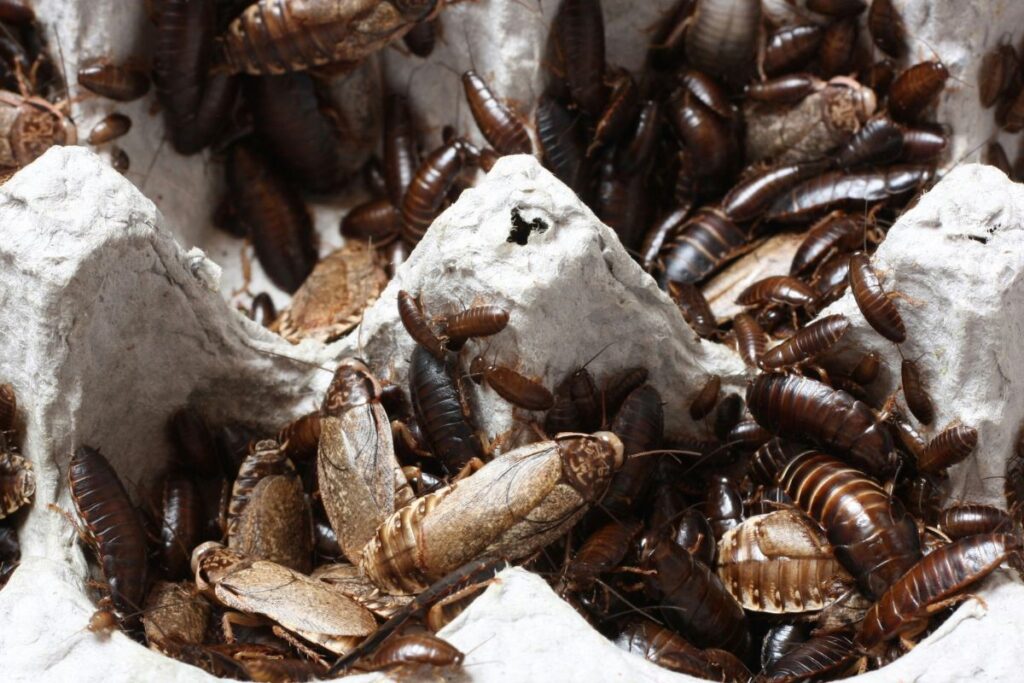
- Seal Entry Points: Close off cracks, gaps, and openings that serve as entry points for cockroaches.
- Cleanliness: Regularly clean and declutter living spaces to remove sources of food and water that attract cockroaches.
- Moisture Control: Addressing leaks and moisture issues can help deter cockroaches, as they are attracted to damp environments.
Professional Intervention:
- Inspection and Treatment: Pest control professionals can conduct thorough inspections and implement targeted treatments to eradicate cockroach infestations.
- Long-Term Control: Regular monitoring and maintenance can help prevent recurring infestations and safeguard your home against cockroach problems.
Conclusion: Empowering Ourselves with Knowledge
In conclusion, gaining insights into blue bottle fly bites and the nocturnal behaviour of cockroaches allows us to take proactive steps in safeguarding our homes and well-being. While blue bottle flies may not pose a direct threat through biting, understanding their habits and habitats can help prevent potential health hazards associated with their presence. Similarly, recognizing the nocturnal behaviour of cockroaches enables us to implement effective strategies for infestation control and eliminate these resilient pests from our living spaces.
By adopting preventive measures, seeking professional assistance when needed, and maintaining a clean and well-organized environment, we can mitigate the risks and nuisances posed by blue bottle flies and cockroaches. Armed with knowledge and awareness, we hold the key to creating healthier, pest-free environments where we can thrive without the intrusion of these insects. Let our understanding and proactive actions guide us in protecting our homes and loved ones from the potential threats posed by these fascinating yet sometimes troublesome creatures.
Images courtesy of unsplash.com and pexels.com