Personal injury law in Scotland isn’t about windfalls. It’s about restoring people to their normal lives, as much as money can do.
From this starting point, many lawyers, like Watermans, approach every personal injury claim because understanding what compensation is actually for changes the claimant’s experience and why it is the right thing to do.
The Core Principle Behind Every Claim
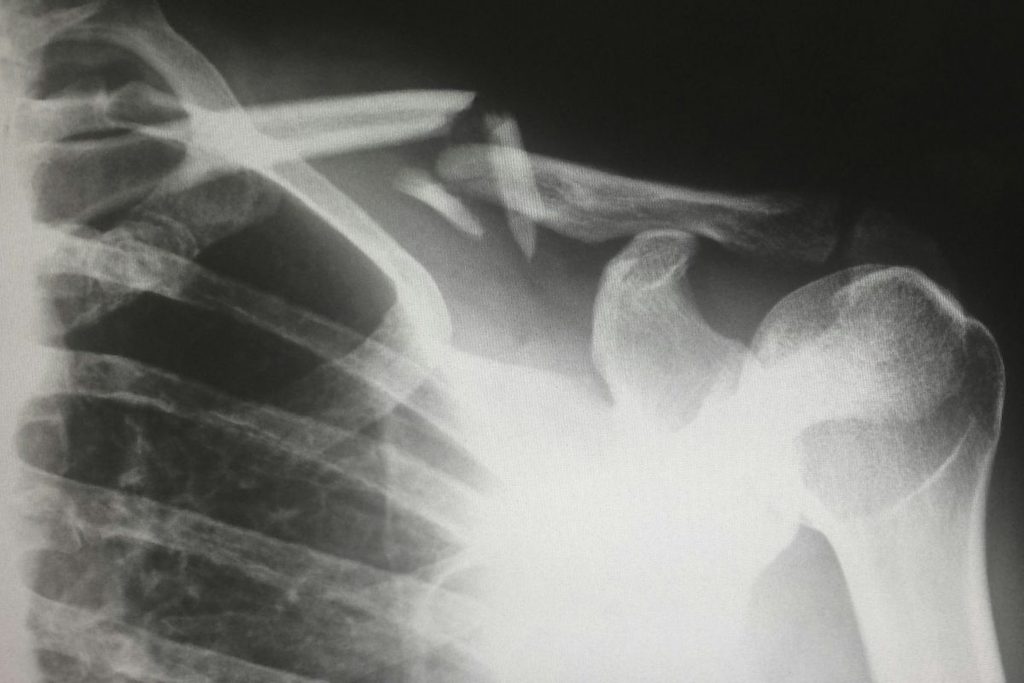
In Scotland, restitution in integrum translates to “restoration to the original state,” which is the core principle behind every claim. It means restoration to the original position. Financial compensation is the best substitute for physical injury, as it cannot be reversed. The compensation is not for injury. It is recognition that an injured party has actually suffered a loss as a result of another party’s lack of a standard of care which the law expects.
Who Personal Injury Law Protects
The law is there to safeguard those who are injured as a result of someone else. A person operating a motor vehicle who is inattentive and causes a crash. An employer who does not control a workplace hazard. A landowner who is aware of a safety hazard but does nothing to address it. The protection does not just apply to catastrophic injuries. It can be used anywhere there was a duty of care, a failure of that duty, and resulting harm to the person owed the duty. The amount of compensation is commensurate with the amount of harm, but the principle is the same in all injury cases.

Why Pursuing a Claim Is the Right Response
Many injured individuals are unsure about pursuing a claim. They worry it seems opportunistic. They ask themselves if the effects of their injuries are severe enough to warrant the procedure. These are valid but misguided worries. A claim is not opportunistic when it addresses real losses. Lost wages during recovery were money that was used to pay bills. Treatment and rehabilitation are true costs incurred due to someone else’s failure. A major injury that is disrupted has an established value in law, as the disruption is actual and the effects are permanent. Seeking a claim is not “taking advantage of bad luck”. It is holding the party that caused it responsible.

What the Compensation Covers
There are usually two parts to a personal injury award in Scotland. Solatium is for pain, suffering, and the loss of the normal use of life. Special damages are for financial losses such as past and future lost wages, medical expenses, care expenses, travel to appointments, and other out-of-pocket expenses resulting from the accident. They are intended to be used together to capture the entire story of what happened, and not simply the most obvious parts.
The Practical Difference Compensation Makes
For many accident victims, compensation is not a legal abstract. It is what enables them to receive rehabilitation that restores function. It’s the income replacement after recovery, as well as the cost of care due to an injury that has impaired independence. For families where one person has been killed in a car accident, it is what helps to maintain financial stability when dealing with a devastating personal loss. The law exists to achieve these practical results, and claims that are properly drafted and followed will produce them.

Why Early Legal Advice Matters
The sooner professional legal counsel is obtained following an accident, the more choices are readily available. More evidence is preserved. Identifying and contacting witnesses is easier. The early actions taken in a claim, such as what to tell insurance companies and how to respond to initial contact with the other party, are not taken without guidance. The intent of the claim is for restoration. This restoration has the best chance of being complete with early advice.
Images courtesy of unsplash.com and pexels.com