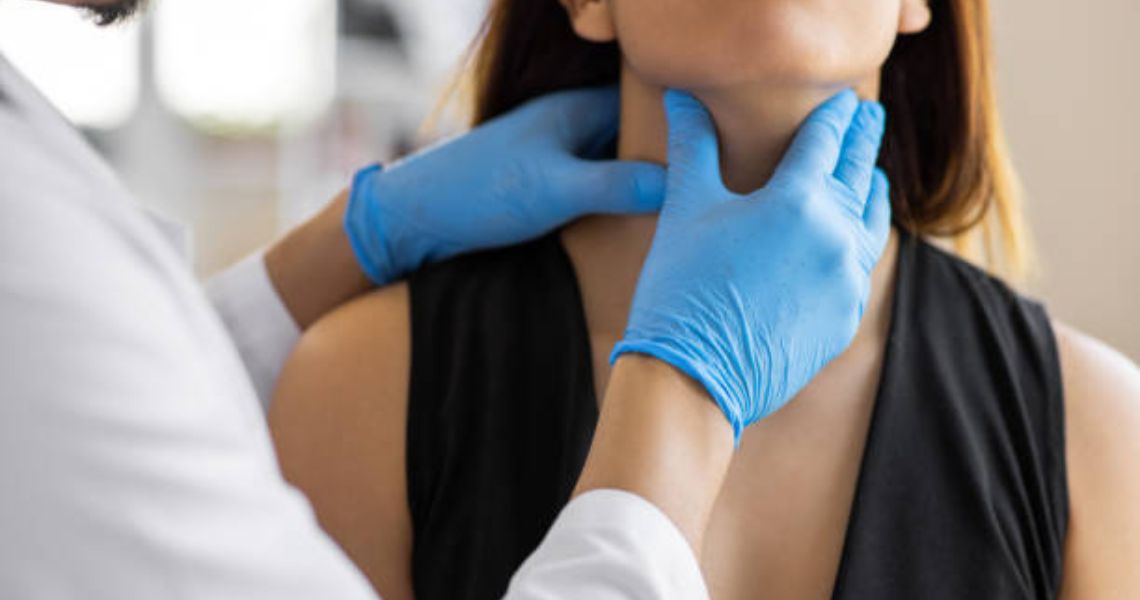
Scar tissue can be a significant concern for individuals seeking to improve their appearance or address the effects of injury or surgery. Hair transplants offer a promising solution for repairing scar tissue, providing both functional and aesthetic benefits.
This article explores how hair transplants can address and improve scarring, including the types of scars that can be treated and the mechanisms involved in the healing process.
Types of Scars That Can Be Treated
Hair transplants, such as those offered by Dr. Bonaros, can effectively address various types of scar tissue. Commonly treated scars include those resulting from surgical procedures, injuries, or acne. Scars from follicular unit extraction (FUE) or follicular unit transplantation (FUT) procedures can benefit from hair restoration techniques. Additionally, traumatic scars from accidents or medical conditions can also be improved through strategic hair placement.
The Role of Hair Transplants in Scar Repair
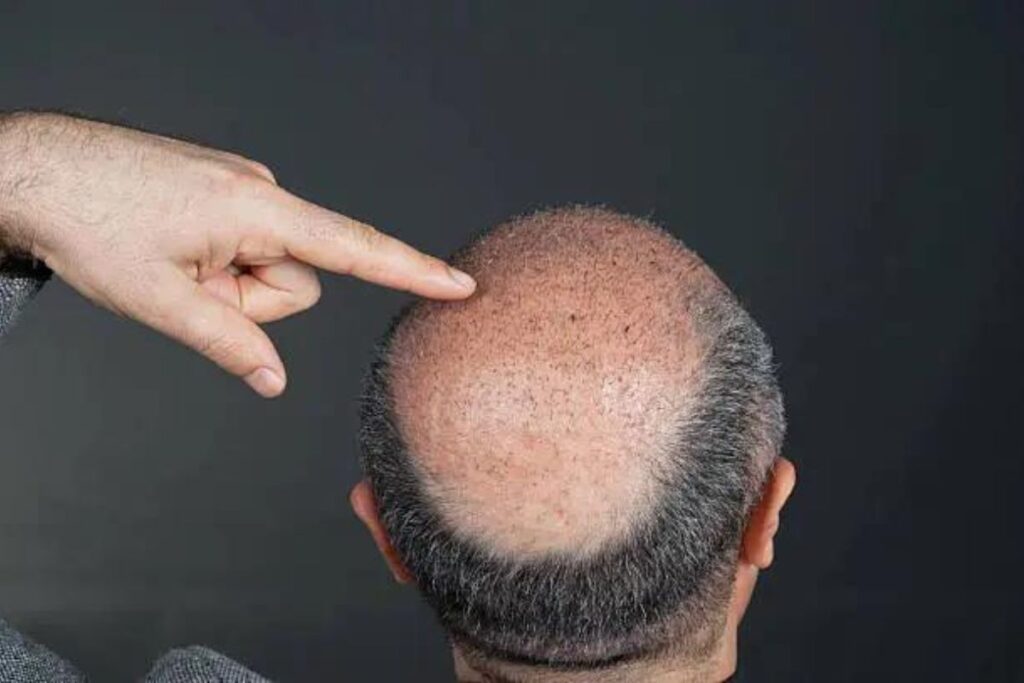
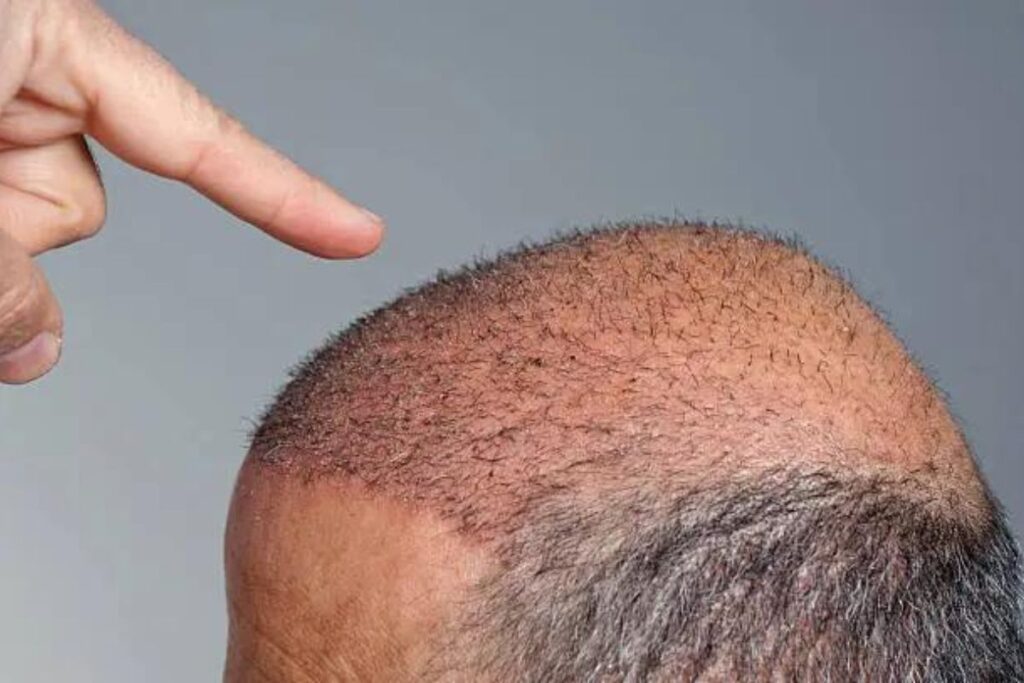
Hair transplants work by transplanting healthy hair follicles into scarred areas. This process not only enhances the appearance of the scar but also improves the overall texture and coverage. By introducing new hair follicles into the scar tissue, the procedure helps to blend the area with surrounding skin, making the scar less noticeable. The natural hair growth that follows contributes to a more even and less conspicuous scar.
Follicular Unit Extraction (FUE) for Scar Repair
Follicular Unit Extraction (FUE) is a popular method for treating scar tissue. During this procedure, individual hair follicles are extracted from a donor site and transplanted into the scarred area. FUE is particularly beneficial for repairing scars because it involves minimal invasiveness and leaves no linear scar. The precise extraction and implantation of hair follicles ensure that the new hair blends seamlessly with existing hair, enhancing both appearance and functionality.
Follicular Unit Transplantation (FUT) and Scar Treatment
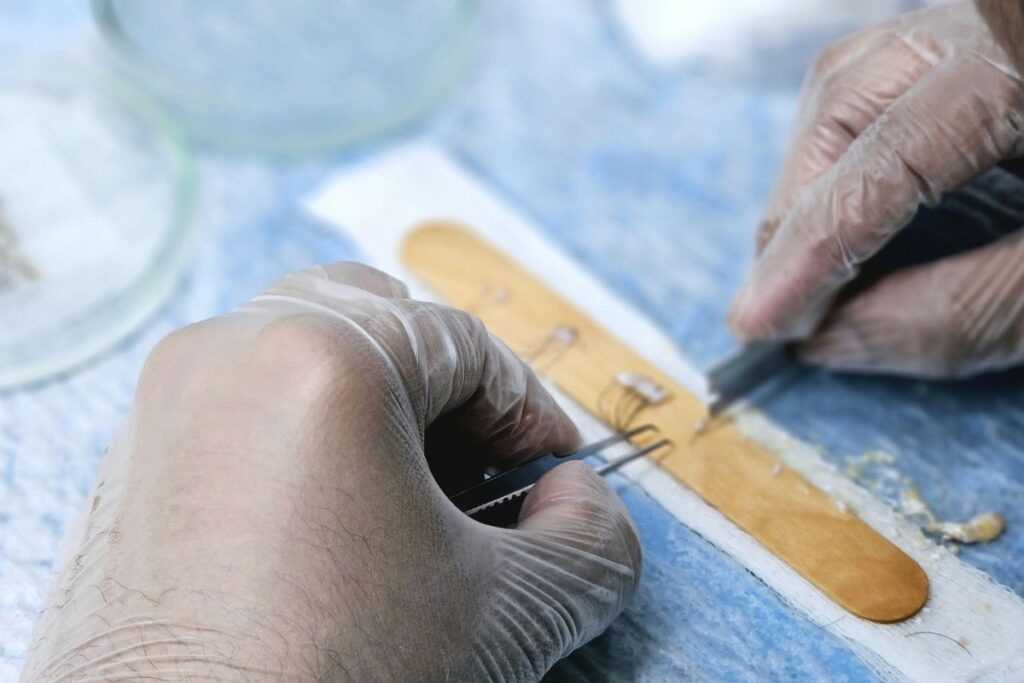
Follicular Unit Transplantation (FUT) involves removing a strip of skin from a donor area, usually at the back of the head, and dissecting it into individual follicular units. These units are then transplanted into the scarred area. While FUT may leave a linear scar in the donor area, it can be effective for treating larger or more pronounced scars. The technique allows for the placement of multiple follicles at once, promoting better coverage and improved scar appearance.
Healing Process and Integration
The healing process following a hair transplant involves several stages. Initially, the transplanted hair follicles establish themselves in the scar tissue. Over time, the follicles begin to grow new hair, which gradually blends with existing hair and improves the scar’s appearance. The natural growth cycle of hair ensures that the new hair integrates well with surrounding hair, providing a more uniform look. Proper post-transplant care is essential to optimize results and support the healing process.
Benefits of Hair Transplants for Scar Repair
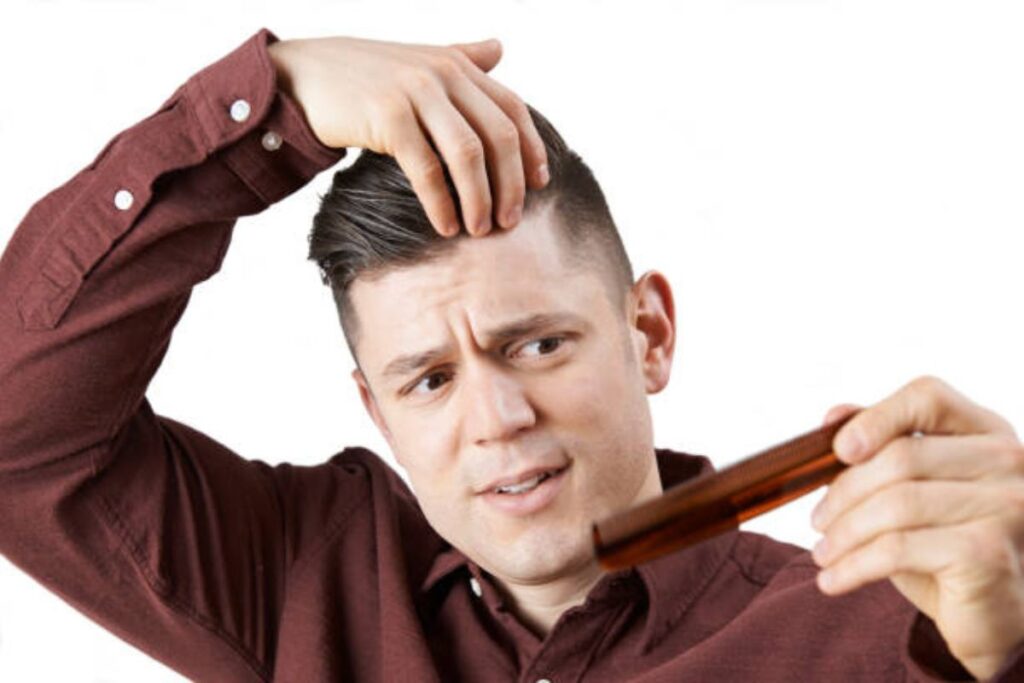
The benefits of using hair transplants for scar repair are multifaceted. Not only do they enhance the aesthetic appearance of scars, but they also improve overall hair density and coverage. By addressing both cosmetic and functional aspects of scar tissue, hair transplants offer a comprehensive solution for individuals seeking to reduce the visibility of scars and restore their confidence.
Considerations and Consultations
Before undergoing a hair transplant for scar repair, it’s crucial to consult with a qualified specialist. An experienced surgeon can assess the type and extent of the scar, recommend the most appropriate treatment method, and provide guidance on the expected outcomes. Personalized treatment plans ensure that the procedure aligns with individual needs and goals, resulting in the best possible results.
Conclusion
Hair transplants provide an effective solution for repairing scar tissue, addressing various types of scars with techniques like FUE and FUT. By transplanting healthy hair follicles into scarred areas, individuals can achieve a more natural and improved appearance. Understanding the benefits and mechanisms involved in hair transplant procedures helps in making informed decisions about scar repair and enhancing overall satisfaction with the results.
Images courtesy of unsplash.com and pexels.com