Comfort is the main reason people give up on contact lenses. The prescription may be perfect and the vision sharp, yet by late afternoon the lenses feel dry, scratchy, or just noticeable. The good news is that discomfort usually has a cause you can identify. Most of the time it comes down to a handful of factors: the lens material, the wear schedule, how the lens fits your eye, and the habits you bring to wearing it.
This article walks through each of those factors so you know what to ask about, which contact lenses to try, and what to avoid.
Why Some Lenses Feel Better Than Others

A contact lens sits on the tear film that covers your cornea, and it has to work with that thin layer of moisture rather than against it. Lenses feel comfortable when they let enough oxygen through, hold onto water, sit properly on the eye, and stay clean. When any one of those slips, you start to notice the lens.
Everyone’s eyes are different. Tear quality, blink habits, corneal shape, and even the air in your workplace all play a part. Two people with identical prescriptions can have completely different experiences with the same lens, which is why comfort can’t be judged from a product description alone.
The Features That Make the Biggest Difference
Lens material
Most modern soft lenses are made from either traditional hydrogel or silicone hydrogel. Silicone hydrogel allows considerably more oxygen to reach the cornea, which matters because the cornea gets its oxygen directly from the air rather than from blood vessels. If you wear lenses for many hours a day, a material that supports oxygen flow is generally a better starting point.
Water content gets a lot of attention, but a higher number doesn’t automatically mean a more comfortable lens. Some high-water lenses can lose moisture quickly, and the surface treatment often matters as much as the water percentage.
Surface technology and wettability
Many lenses now include wetting agents or specially treated surfaces meant to keep the front of the lens smooth and hydrated. Manufacturers use different approaches, and their effects vary from person to person. This is one area where trying a couple of options, with care for your eyes professional’s guidance, tells you more than reading any spec sheet.
Lens design and fit
Edge profile, thickness, diameter, and curvature all affect how a lens settles on your eye. A lens that is too tight can feel restrictive and limit tear exchange. One that is too loose may shift when you blink. A proper fitting measures your eye and checks how the lens moves, which is something you can’t do on your own.
Choosing a Wear Schedule

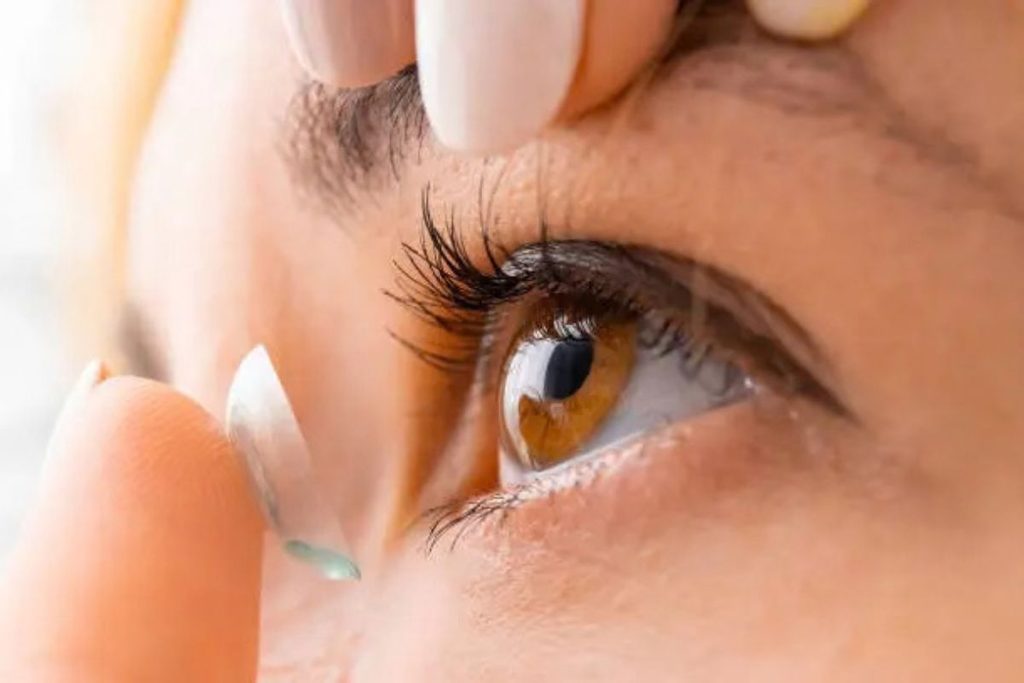
How often you replace your lenses affects comfort more than people expect.
Daily disposables
Daily contact lenses are worn once and thrown away. Because you start each day with a fresh lens, deposits from proteins, lipids, and environmental debris have no chance to build up. For many people with sensitive eyes or mild allergies, that alone makes a noticeable difference. There’s also no cleaning routine, no case to maintain, and no solution to buy, which removes several common sources of irritation and infection risk.
The main drawback is price per lens. Whether dailies cost more overall depends on how often you wear them once you factor in solutions and cases.
Two-week and monthly lenses
Reusable lenses can be perfectly comfortable when handled correctly. They need to be cleaned and disinfected every night, stored in fresh solution, and replaced on schedule. Case hygiene matters too, and cases should be replaced regularly. The comfort problems people report with reusable lenses often trace back to skipped steps or lenses worn past their date rather than the lens itself.
Comparing a Few Popular Options
Brand names are worth knowing, as long as you treat them as starting points rather than answers. Acuvue Oasys is a silicone hydrogel line from Johnson & Johnson Vision that many wearers and eye care professionals mention when the conversation turns to all-day comfort. The family includes different versions for different needs, including options for astigmatism and presbyopia, and a few use different moisture and surface technologies. Ask your optometrist which version, if any, suits your prescription and daily routine.
Other manufacturers offer well-regarded silicone hydrogel lenses as well, so the best way to compare is to try them and note how your eyes feel at the end of the day.
Your Prescription Shapes the Choices
Not every lens comes in every prescription. Keep these in mind:
- Astigmatism: You’ll need toric lenses, which are built to stay in position on your eye. The available range is narrower than for standard lenses.
- Presbyopia: If near vision is getting harder, options include multifocal lenses, monovision, or reading glasses worn over distance contacts.
- High prescriptions: Some lens families cover a wider range than others, so your options may be more limited.
In the US, a contact lens prescription is separate from a glasses prescription. It includes measurements specific to the lens and the fit of your eye.
Habits That Protect Comfort

Even a well-matched lens can feel poor if the conditions around it aren’t helping. These habits make a real difference:
- Blink fully and often, especially when using screens, since blinking tends to drop during focused work.
- Take screen breaks. The 20-20-20 rule (look at something 20 feet away for 20 seconds every 20 minutes) is widely recommended for eye strain.
- Avoid direct airflow. Vents, fans, and car heaters pointed at your face dry the tear film quickly.
- Stay hydrated. It’s a small thing, but overall hydration supports tear production.
- Ask before using rewetting drops. Not all drops are compatible with all lenses, so confirm which ones are suitable for yours.
- Wash and dry your hands before touching your lenses.
Common Mistakes to Avoid
Judging a lens for the first hour. Some lenses feel fine initially and become uncomfortable by evening. Give a new lens a full day or two of wear, within your eye doctor’s wearing guidelines, before deciding.
Switching brands without a fitting. Lenses with the same prescription can fit very differently.
Sleeping in lenses not approved for it. Overnight wear increases the risk of infection and corneal problems.
Wearing lenses past their replacement date. Overwearing is one of the most common reasons a good lens suddenly turns uncomfortable.
Ignoring warning signs. Persistent redness, pain, blurry vision, or light sensitivity are reasons to remove your lenses and contact your eye care professional.
Using water on lenses. Tap water, and even bottled water, can carry microorganisms that are harmful to the eye.
FAQs

What makes a contact lens feel comfortable all day?
A combination of good oxygen permeability, a smooth, well-hydrated surface, and a fit matched to your eye. Your own tear film and environment matter as much as the lens.
Are daily disposables more comfortable than monthly lenses?
Often, yes, because you wear a fresh lens each day and avoid buildup. That said, comfort is individual, and some people do well with reusable lenses.
Is Acuvue Oasys a good choice for dry eyes?
Many people with mild dryness find silicone hydrogel lenses like Acuvue Oasys comfortable, but dry eye has several causes. An exam can tell you whether a different lens, a different schedule, or treatment of the dryness itself would help.
Why do my contacts feel fine in the morning but dry out later?
Common causes include reduced blinking during screen use, dry or air-conditioned environments, a lens that doesn’t suit your tear film, and wearing lenses for longer than recommended.
How long does it take to get used to new contact lenses?
Brand-new wearers may need a few days to adjust. If you’re switching lenses, comfort should be reasonable quickly. If discomfort continues beyond that, talk to your eye care professional rather than waiting it out.
Can I use eye drops with my contacts?
Only certain drops are made for use with lenses. Check the label and ask your eye care professional, especially if you use medicated drops.
Final Thoughts
Comfortable contact lenses come from matching four things: the material, the wear schedule, the fit, and your own habits. If you’ve struggled with comfort before, don’t assume contacts aren’t for you. A change in lens type, a different replacement schedule, or a refit can turn a frustrating experience into one you barely notice. Start with an up-to-date eye exam, be specific about when and why your lenses bother you, and give each new option a fair trial.
Images courtesy of unsplash.com and pexels.com