Rome is one of those cities where trying to see everything is the fastest way to enjoy nothing. Ancient ruins compete with Renaissance palaces, tiny espresso bars sit beside grand piazzas, and an innocent ten-minute walk can easily turn into an hour once you spot another church, fountain or cobbled side street worth exploring.
That is why four days works so well for a first visit. It gives you time for to visit the essential landmarks in Rome without reducing the city to a checklist.
A little planning before you arrive also makes a surprisingly big difference. Reserve the major attractions you know you want to see and think about practical details such as your journey back to the airport. Travellers with an early departure or plenty of luggage, for example, can arrange Taxi Moments to Fiumicino airport in advance rather than sorting out transport on the final morning.
Once those basics are organised, there is room for the best part of Rome: wandering.
Here is a 4 day Rome itinerary designed for first-time visitors who want history, food and famous sights, but also enough free time to actually feel the rhythm of the city.
Four Days in Rome at a Glance
| Day | Main Area | Highlights | Ideal Pace |
| Day 1 | Ancient Rome & Monti | Colosseum, Roman Forum, Palatine Hill, Monti | History-heavy but relaxed |
| Day 2 | Vatican & Historic Centre | Vatican Museums, St Peter’s area, Piazza Navona, Pantheon | Art, architecture and evening strolling |
| Day 3 | Trevi, Spanish Steps & Trastevere | Trevi Fountain, central Rome, local streets, Trastevere | Classic Rome with plenty of food stops |
| Day 4 | Aventine & Slow Rome | Orange Garden, Testaccio, favourite return stops | Easy-going final day |
The secret to enjoying Rome is not squeezing more sights into each day. It is leaving enough space between them for Rome itself to happen.
Day 1: Ancient Rome, the Colosseum and Monti
For your first morning, start with the reason Rome is called the Eternal City.
Begin at the Colosseum
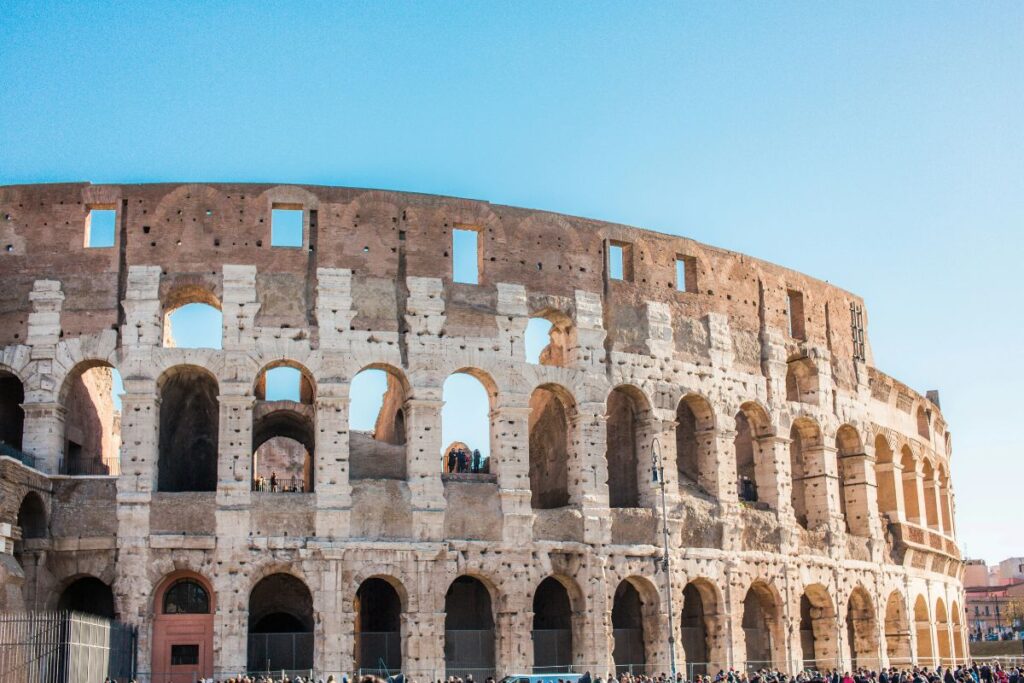
Seeing the Colosseum for the first time is one of those travel moments that genuinely lives up to the photographs. Even if you have seen it hundreds of times on screens, its scale makes much more sense when you are standing beside it.
Make this the anchor attraction of your first day and arrange admission beforehand rather than building your morning around whatever happens to be available when you arrive. The official archaeological park uses timed entry for the Colosseum.
Allow enough time to look rather than simply move through the monument.
Afterwards, continue into the Roman Forum and Palatine Hill. They work naturally as part of the same historic morning, but they deserve patience. From ruined temples and columns to elevated views across the archaeological landscape, this is a place where understanding the scale of ancient Rome is more important than memorising every name.
Stop for Lunch in Monti
By lunchtime, leave ancient Rome behind and walk towards Monti.
The neighbourhood is close enough to the Colosseum to make sense geographically, but its atmosphere feels completely different. Think narrow streets, small restaurants, wine bars and independent shops rather than monumental Rome.
Lunch is also your first opportunity to establish an important rule for the trip: do not waste meals on the first restaurant facing a major tourist attraction.
Walk two or three streets away, check the menu, look for somewhere that feels comfortable and take your time.
Classic Roman dishes worth looking out for include:
- cacio e pepe – pasta with Pecorino Romano and black pepper;
- carbonara – traditionally made with egg, Pecorino Romano and guanciale;
- amatriciana – tomato, guanciale and Pecorino;
- saltimbocca alla romana – veal with prosciutto and sage;
- carciofi – artichokes, particularly when they are in season.
Keep Your First Evening Simple
Do not schedule another major attraction.
Walk.
Rome is particularly good at revealing itself after you stop looking at a map every five minutes. Wander through Monti, have an aperitivo, find your first gelato and let the first day end without a deadline.
You will be walking plenty over the next three days.
Day 2: Vatican City, the Pantheon and Piazza Navona
Day two is about art and architecture, so a good breakfast is essential.
Spend the Morning at the Vatican
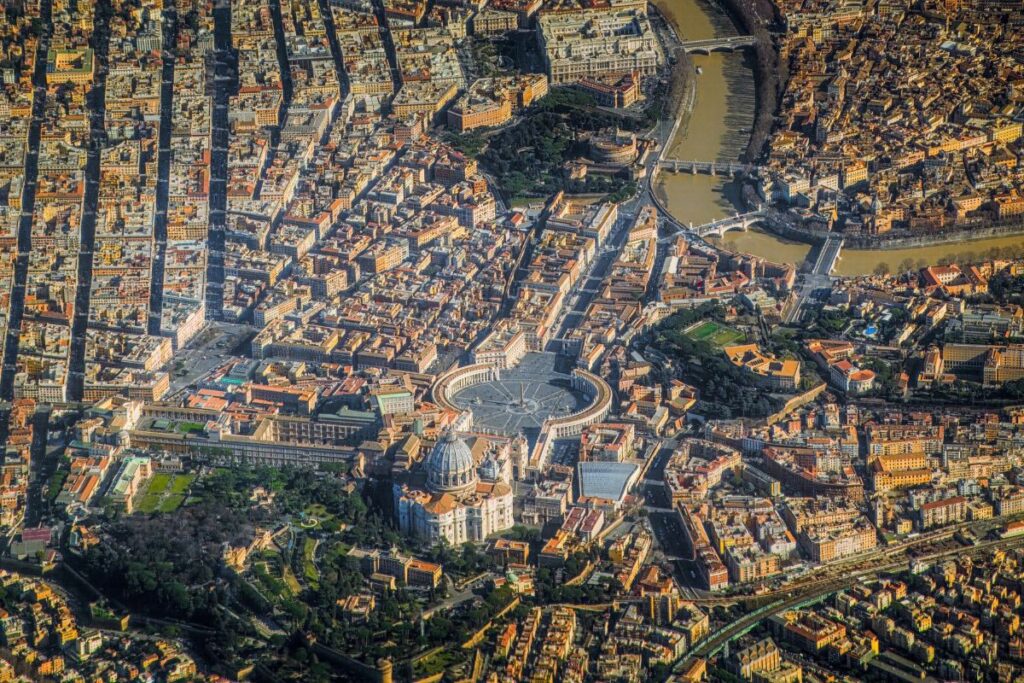
The Vatican Museums can easily consume several hours. Trying to see every room usually leads to museum fatigue, so approach them with a few priorities rather than a mission to inspect every object.
The collection culminates for many visitors in the Sistine Chapel, but the pleasure is in the route as much as the destination.
Booking directly through the official Vatican Museums website is sensible; the museum itself warns visitors that its official ticket portal is the authorised online sales channel.
Dress appropriately if your plans include religious sites. The Vatican Museums’ visitor guidance requires suitable clothing for the museums, Sistine Chapel and St Peter’s Basilica.
Afterwards, explore the area around St Peter’s Square before stopping for lunch on the Prati side of the neighbourhood.
Cross Back Into Central Rome
Instead of racing towards the next monument, turn the afternoon into a long walk.
Head across the Tiber and slowly make your way towards Piazza Navona.
This is classic Rome: ochre façades, fountains, church domes, scooters appearing from impossible angles and streets that seem designed to make you forget where you were originally going.
From Piazza Navona, the Pantheon is an easy next stop. The present ancient structure largely dates to Emperor Hadrian’s reconstruction in the second century and remains one of Rome’s best-preserved monumental buildings.
Spend the Evening Around the Historic Centre
Do not hurry away once the sightseeing day is technically finished.
Central Rome becomes more atmospheric towards evening, when the temperature drops and the streets change from sightseeing routes into places for dinner and passeggiata.
Find somewhere for an aperitivo, then eat late enough that dinner feels like part of the evening rather than another task on your itinerary.
Day 3: Trevi Fountain, Spanish Steps and Trastevere
Your third day mixes famous Rome with the city’s everyday pleasures.
See Trevi Before the Day Gets Busy
Start around the Trevi Fountain.
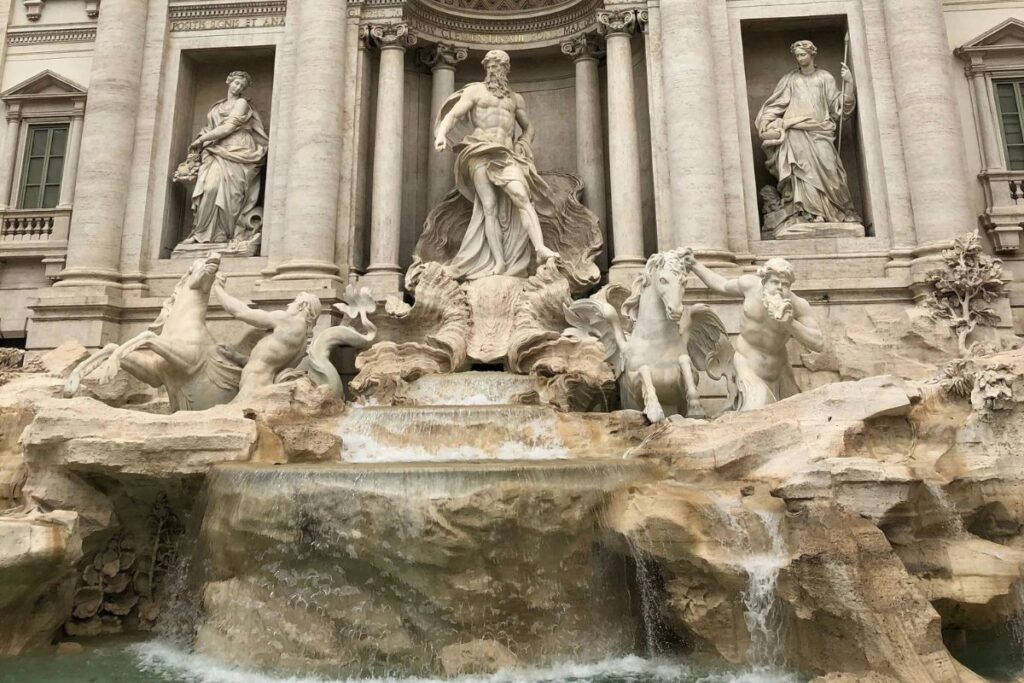
Its current monumental design dates back to the 18th century and was created following a competition launched by Pope Clement XII, with Nicola Salvi’s design selected.
It is one of Rome’s most visited landmarks, so earlier is generally better if you want to appreciate the setting rather than simply join a crowd.
From Trevi, continue towards the Spanish Steps and Piazza di Spagna.
This part of the city is ideal for a loose morning rather than a tightly controlled route. Window-shop along elegant streets, stop for coffee and explore whichever side roads look interesting.
Learn to Drink Coffee the Roman Way
Coffee in Rome does not have to become an Instagram production.
Walk into a bar, order at the counter and enjoy it standing up if that is what everyone else is doing.
A few useful basics:
- espresso is simply “un caffè”;
- cappuccino is traditionally more associated with breakfast than a post-dinner drink;
- a quick coffee stop can take five minutes;
- there is no requirement to turn every coffee into a 45-minute café visit.
One of the pleasures of a Rome city break is discovering that memorable food experiences can be very small.
Walk to Trastevere in the Afternoon
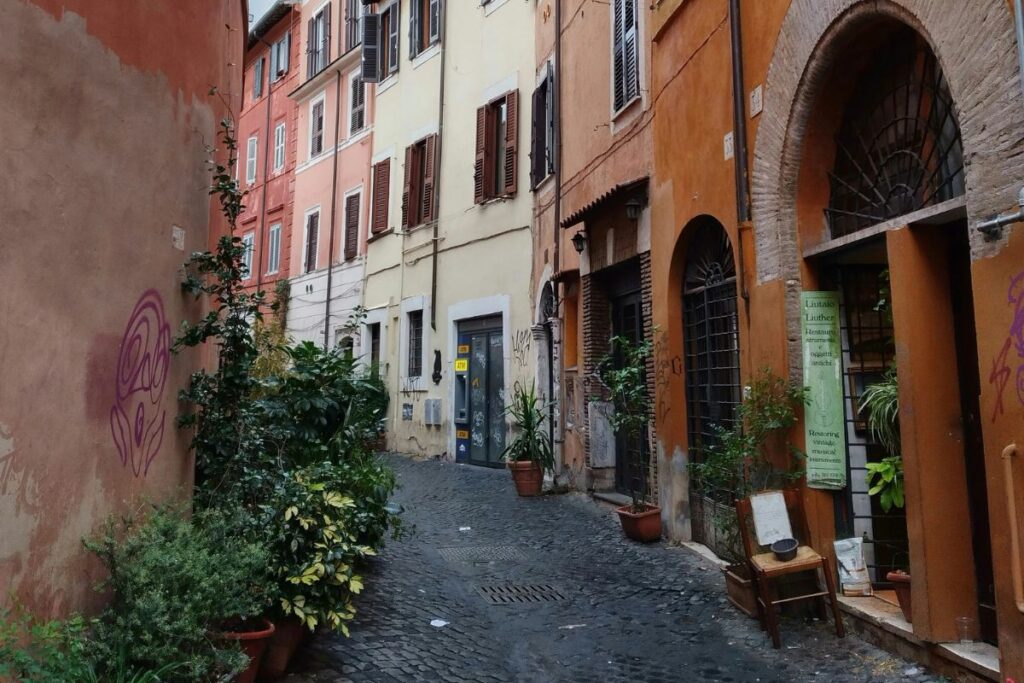
Later, cross the river and give Trastevere the time it deserves.
The neighbourhood is hardly a secret, but that does not stop it being enjoyable. Its lanes, restaurants and piazzas offer an easy change of pace after central Rome’s monumental sightseeing.
Do not feel that you need a list of ten attractions here. The neighbourhood itself is the attraction.
Wander without much of a plan. Stop for a drink. Look inside a church whose door happens to be open. Sit in a square longer than expected.
Then stay for dinner.
What to Eat in Trastevere
This is a good evening to lean into Roman comfort food.
Look for a trattoria with a short enough menu to inspire confidence rather than one attempting to serve every Italian dish ever invented.
Order a couple of courses to share if you want to try more things, and remember that a simple plate of pasta made properly is already a complete Rome experience.
Finish with gelato during the walk home.
Day 4: The Aventine, Testaccio and a Slower Side of Rome
By day four, you have seen many of the headline attractions. That makes the final day perfect for a slower Rome.
Start on the Aventine Hill
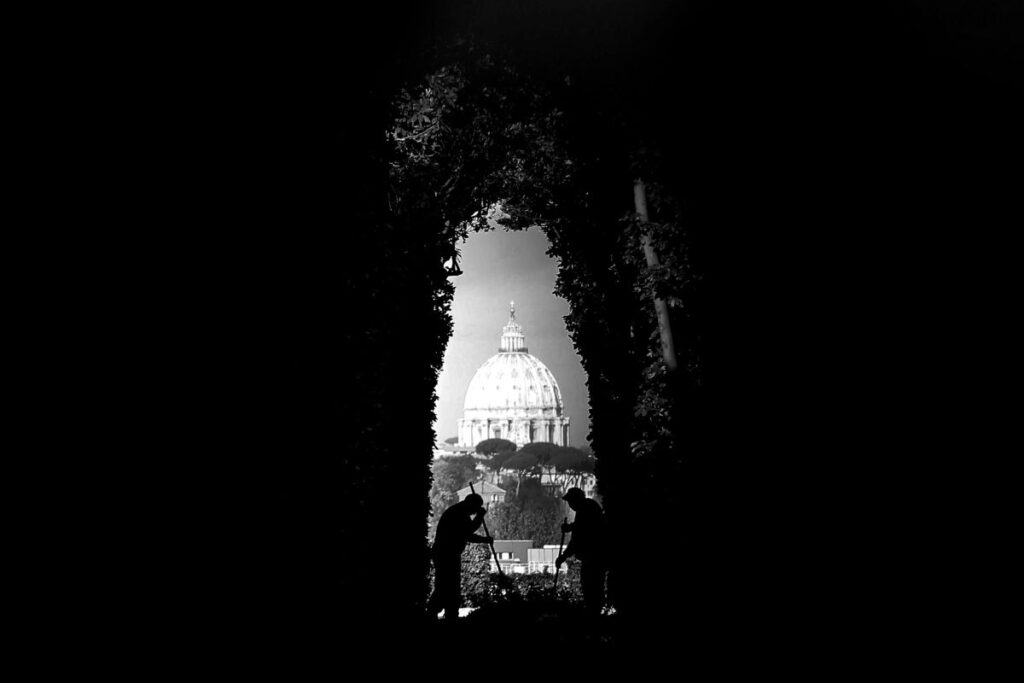
Head towards the Aventine, one of the city’s seven hills.
A lovely stop here is the Orange Garden, or Giardino degli Aranci, which overlooks the city from the Aventine and offers views towards St Peter’s Basilica. Nearby Piazza dei Cavalieri di Malta is also famous for the keyhole view framing the dome of St Peter’s.
It is a much calmer way to start the morning than joining another major museum queue.
Take your time in the garden, enjoy the view and resist the urge to immediately rush somewhere else.
Eat Your Way Through Testaccio
From the Aventine, continue towards Testaccio.
For travellers who associate Rome as much with food as ruins, this is an excellent neighbourhood for the final day.
Rather than chasing a specific viral restaurant, use the area as an excuse to explore Roman flavours more casually.
You might build lunch around:
- fresh pasta;
- pizza al taglio;
- supplì;
- seasonal vegetables;
- Roman-style artichokes;
- cured meats and cheeses;
- a final proper espresso.
This is also a useful day for souvenir shopping because you now have a better idea of what you actually enjoyed during the trip.
Food products, ceramics, prints and small pieces from independent shops often make more memorable souvenirs than generic Colosseum miniatures.
What Should You Book Before Four Days in Rome?
Rome rewards spontaneity, but certain parts of the trip are easier when organised ahead.
Consider arranging the following before travelling:
- Your accommodation – preferably somewhere that makes walking to several sights realistic.
- Colosseum entry – particularly if ancient Rome is non-negotiable for you.
- Vatican Museums tickets – choose a specific morning rather than leaving the visit vague.
- Any special restaurant you genuinely care about – especially for a celebration.
- Airport transport for awkward departure times – one less logistical decision on your final day.
Avoid scheduling every meal, coffee and hour of the day. A four-day itinerary should provide structure, not become something you have to obey.
Where Should First-Time Visitors Stay in Rome?
There is no universally perfect neighbourhood.
The right area depends on the style of trip you want.
| Area | Best For | What to Expect |
| Centro Storico | First-time sightseeing | Very central, atmospheric and usually busy |
| Monti | Couples and food lovers | Characterful streets close to ancient Rome |
| Trastevere | Evening atmosphere | Restaurants, bars and lively streets |
| Prati | Vatican visits | More orderly, residential feel and convenient for Vatican City |
| Testaccio | Food-focused travellers | Local character and strong Roman food culture |
| Near Termini | Transport convenience | Practical for trains and airport connections |
For a first trip of only four days, location can be worth paying a little more for. Saving money on a hotel far from the centre may simply mean spending more of your limited time travelling back and forth.
How Much Should You Try to See in Four Days?
Less than you think.
A common first-time mistake is treating Rome as if every famous attraction must be completed.
It does not.
Four days is enough for the Colosseum, ancient Rome, the Vatican, historic-centre landmarks, Trastevere and a few quieter neighbourhoods if you group sights geographically.
It is not enough to experience every museum, basilica, archaeological site and famous restaurant.
Nor should it be.
Leave a reason to return.
A Few Simple Tips That Make Rome Better
Rome becomes much easier when you stop trying to optimise every minute.
Keep these habits in mind:
- Wear comfortable shoes; Rome is a walking city and many streets are cobbled.
- Group sights by neighbourhood instead of crossing the city repeatedly.
- Carry water, particularly in warm weather.
- Give yourself longer for major archaeological sites than you initially think.
- Book the attractions that matter most and leave smaller discoveries spontaneous.
- Eat slightly away from the busiest tourist squares when possible.
- Leave gaps in the itinerary for coffee, aperitivo and unexpected detours.
- Check official attraction information shortly before your visit, as access arrangements can change.
Most importantly, do not judge the success of the trip by how many pins you managed to tick off a map.
Is Four Days in Rome Enough?
For a first visit, four days is an excellent amount of time.
It is long enough to understand that Rome is much more than the Colosseum and Vatican, but short enough that every morning still feels exciting.
You can walk through 2,000 years of history before lunch, eat one of the world’s simplest pasta dishes in the afternoon and finish the day drinking wine in a cobbled piazza.
And by the fourth day, something interesting happens: instead of wondering what you still need to see, you start developing favourites.
A particular street. A coffee bar. A square you crossed at sunset. The restaurant you almost walked past.
That is when Rome starts becoming more than an itinerary.
Final Thoughts
The best 4 day Rome itinerary balances the essential sights with enough unscheduled time to enjoy the city between them.
Spend your first day in ancient Rome, dedicate the second to the Vatican and historic centre, use day three for Trevi, central neighbourhoods and Trastevere, then slow everything down on the Aventine and around Testaccio before leaving.
You will not see everything.
That is precisely the point.
Rome has been accumulating stories for thousands of years. There is no reason to try to finish it in four days.
Images supplied