Also referred to as “smart drugs” or “cognitive enhancers,” nootropics have become increasingly popular in recent years. These supplements improve mental abilities, including creativity, memory, and focus.
Despite their immense reputation, people nevertheless desire to comprehend the inner workings of these entities. By regulating neurotransmitter levels and promoting inter-neuronal transmission, nootropics improve cognitive function. This strengthens the brain and raises cognitive function.
By regulating neurotransmitter levels and promoting inter-neuronal transmission, nootropics like Noocube, improve cognitive function.
Understanding nootropics
Let’s define nootropics precisely before delving into their mechanisms of action. Nootropics are a broad category of chemicals that improve brain function, including vitamins, minerals, botanicals, and synthetic compounds. In increasingly demanding environments, these vitamins offer cognitive advantages like increased drive, creativity, memory, and focus.
The brain’s chemistry
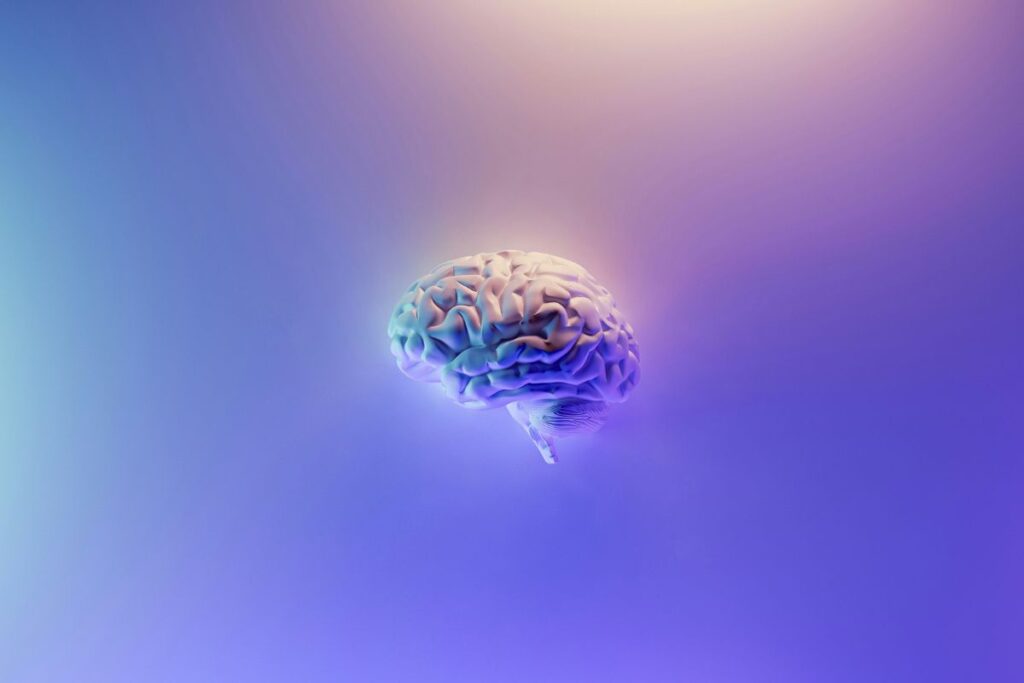
Understanding the complex molecular makeup of the brain is essential to understanding nootropic action mechanisms. Our cognitive capacities depend on the proper balance of neurotransmitters, which are chemical messengers that let brain cells communicate with one another. By controlling neurotransmitter levels, improving synaptic plasticity, and stimulating neurogenesis—the production of new neurons—nootropics offer a promising path towards cognitive growth and improvement.
Neuroprotection and anti-inflammation

Numerous nootropics also have anti-inflammatory and neuroprotective qualities. Compounds such as curcumin, lion’s mane mushroom, and omega-3 fatty acids protect brain cells from oxidative stress and inflammation, maintaining cognitive function and delaying the onset of age-related decline. If you’re intrigued by the potential cognitive benefits of natural remedies, you might find it interesting to explore a CBD flower shop. This shop provides a broader realm of natural supplements and remedies, which some individuals may consider alongside traditional nootropics for cognitive enhancement.
Enhanced neurotransmission
Nootropics can impact brain function by improving neurotransmission, for example. Several substances, including racetams and modafinil, heighten alertness, mood, and cognitive function by activating neurotransmitters like acetylcholine, dopamine, and serotonin.
Promoting brain energy
Moreover, nootropics contribute to the best possible metabolism of brain energy. Caffeine, L-theanine, and creatine are ingredients that improve mitochondrial function, increase cerebral blood flow, and increase the synthesis of adenosine triphosphate (ATP), the body’s main energy source. This increased energy source powers thought processes, improving mental acuity and function.
Neuroplasticity and memory

Moreover, many nootropics support neuroplasticity, which is the brain’s capacity to make new connections and rearrange itself in response to experience. Phosphatidylserine, ashwagandha, and Bacopa monnieri are compounds that reinforce neural circuits and encourage synaptic development, improving learning, memory consolidation, and adaptability.
The role of lifestyle factors
Nootropics promise to improve cognitive function, but they are not a cure-all. The key to optimal brain function is a comprehensive strategy that includes stress management, exercise, sleep, and diet. Rather than taking the place of these lifestyle components, nootropics complement them.
Conclusion
Nootropics employ various processes, such as neurotransmitter regulation, neuroprotection, energy metabolism optimisation, and neuroplasticity promotion, to produce their cognitive-enhancing effects. By being aware of these processes, people can choose wisely when adding these supplements to their routine for cognitive enhancement.
Remember that although nootropics may have advantages, they are not a quick route to mental mastery. Maintaining a healthy lifestyle with stress reduction and good habits is essential for brain function and health.
Images courtesy of unsplash.com and pexels.com