Caravan holidays hold beloved places in many families’ hearts thanks to idyllic coastal towns or countryside campsites serving as backdrops for treasured memories over the years.
Yet finding suitably adapted mobile accommodations amid those nostalgic destinations often left disabled travellers and multigenerational groups struggling – until recent shifts placing accessibility through caravans at the forefront finally opened this gateway to adventure universally again.
Through an overview of what defines an accessible caravan today alongside smart planning strategies ensuring smooth journeys ahead for all abilities and ages, possibilities feel boundless, discovering liberating trips tailored to you awaiting just over the horizon.
What are Accessible Caravans?
Accessible caravans (also called mobility caravans) describe luxury towable trailers, motorhomes, or campervans equipped with design modifications and assistive amenities tailored for safely supporting travellers with physical disabilities, injuries, or age-related mobility limitations. By easing navigation challenges faced within standard recreational vehicles through considered construction changes, accessible caravans enable groups containing wheelchair users, elderly family members, or those managing chronic health conditions to explore the scenic open roads alongside fellow traveling companions.
Key Features of Accessible Caravans
While bespoke details tailoring individual rental caravans vary, common adaptive elements found within accessible models contain:
- Wider Doorways: Allow clearance accommodating wheelchair or walker entry and passage between rooms without narrow impediments. Automated accessibility ramps further ease ingress/egress.
- Ramped Access: Gentle slope ramps preceding entry stairs ensure roll-in access without jarring transition lifts. Ramps fold flush when driving.
- Lowered Worktops and Sinks: Adjustable-height kitchenettes and bath areas enable use while seated alongside knee space clearance underneath.
- Grab Bars: Universal grip bars throughout aid stability in entering/exiting showers, toilets, and sleeping quarters for those walking less steadily. Wall cut outs allow side transfers to commode chairs if needed.
- Level Access Showers: Curbless showers with wall-anchored folding seats, grab bar assists, and adjustable shower heads suit various heights and reach. Some feature roll-in configurations.
- Adequate Turning Space: Floorplans steer clear of narrow hallways and excessive furnishings impairing 360-degree wheelchair rotations or traffic paths to amenities.
- Unobstructed Floor Space: Avoiding abrupt lips transitioning between rooms ensures smooth rollability from zone to zone without disruptive surface-level changes that become mobility barriers or fall risks.
- Wheelchair-Accessible Furniture: Dining and lounge seating incorporates appropriate chair clearances and modular furniture arrangements, maximizing room for wheelchair transfers or equipment storage. Multi-height tables balance seated and standing users.
- Adjustable Thermostats and Lighting Controls: Conveniently positioned at accessible heights instead of out-of-reach placements, the water, climate, and illumination settings allow all occupants to easily maintain optimal comfort preferences independently.
With those equipment enhancements reducing logistical barriers to entry for disabled vacationers, the road now unfolds toward newfound adventures.
Benefits of Accessible Caravan Holidays
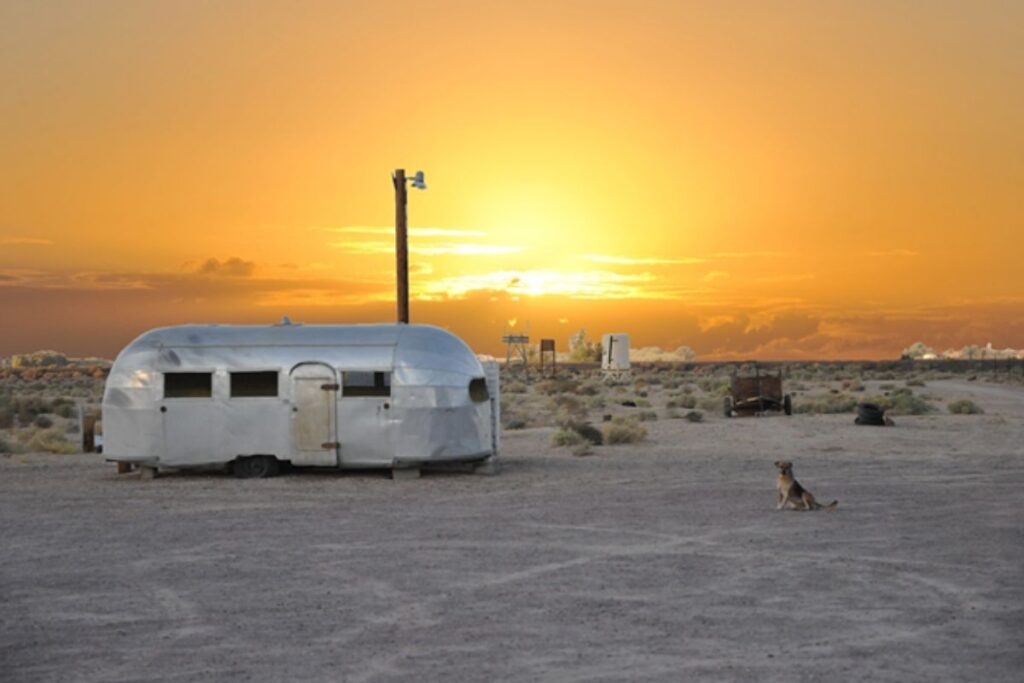
Caravan holidays hold beloved places in many families’ hearts, thanks to idyllic coastal towns or countryside campsites that serve as backdrops for treasured memories over the years.
Beyond just convenience, though, choosing used bailey caravans for accessible caravan getaways unlocks deeper, far-reaching advantages like:
- Freedom and Independence: Travel choices are no longer dictated by disability limitations thanks to integrated strategic assistive amenities that prevent reliance upon caregivers when ideally relaxing on vacation. Adventuring confidence soars when untethered from obstacles, while mobility equipment moves freely without navigation impediments between zones.
- Increased Accessibility: Scenic destinations notorious for lacking robust ADA-compliant lodging and transportation options are now open to disabled explorers given barrier-free caravan quarters serving as launch points towards picturesque vistas or bundled alongside area excursions addressing logistical planning minutiae handling accessible arrangements proactively.
- Social Inclusion: Holidays generally centre around togetherness, yet disabled or elderly participants often feel excluded from shared spaces like lounge areas or group recreation if facilities ignore accommodating needs. Accessible well-designed caravans foster true communal experiences.
- Stress-Free Travel: Access uncertainties compound typical road trip stresses for mobility-impaired adventurers facing potential unusable rest stops or abrupt ground surface challenges. Carrying your own continually reliable ADA sanctuary while touring creates welcomed stability amid the journey.
- Exploration Opportunities: Briefly sampling condensed wheelchair-accessible routes certainly provides some sightseeing scope, but using an equipped caravan as home base liberates exploring further beyond typical visitor hubs at your own pace, thanks to assured safety and comfort, just a brief roll away to recharge anytime.
With all mental roadblocks avoiding what life-enriching trips remain ahead getting conquered by accessible vehicles paving the roadways forward, possibilities feel infinite. Now, onto the strategic planning!
Things to Consider When Choosing an Accessible Caravan

Key aspects narrowing various rental options targeting your ideal adventure contain:
- Level of Accessibility: Determine necessary layouts, entry ramps, shower benches, bed heights, or specific requirements suiting projected passenger mobility levels. Classified ratings help filter suitable models. Prioritize must-haves, avoiding unpleasant surprises later.
- Size and Layout: Floorplans accommodating groups of just an individual or couple versus larger traveling parties require accounting for total passenger counts and equipment quantities. Also, factor in adequate living/sleeping area comforts based on vacationing style.
- Location of Caravan: Certain countryside or coastal terrain may necessitate all-wheel drive or low-clearance chassis to navigate remote sites lacking paved roadways, while others impose distance limits from securing medical care. Detail intended destinations and route considerations.
- Holiday Park Amenities: Beyond assessing on-site caravan accessibility, also confirm that desired holiday park features proving crucial, like WiFi signal reach, proximity to reception facilities, accessibility of walking paths to amenities, or availability of adapted recreation equipment boosting area enjoyment, exist nearby.
Dialling in the optimal mobile retreat custom-tailored and aligning with accessibility priorities, adventurous intents, and logistical considerations ensures smooth travels, embracing liberating voyages ahead for all involved.
Top 5 Tips for Booking an Accessible Caravan Holiday
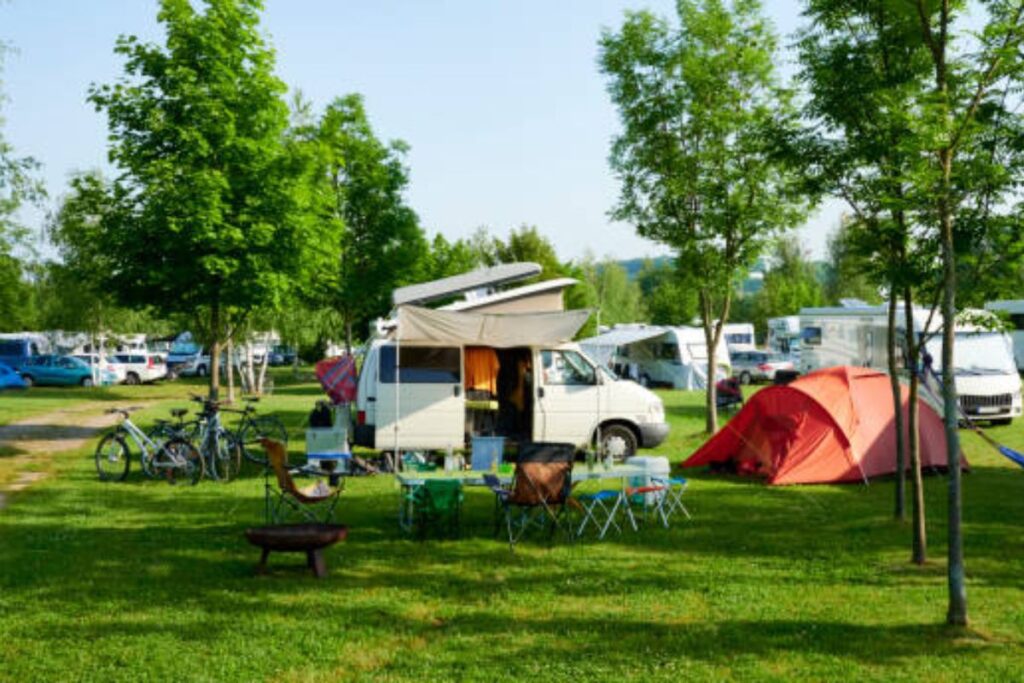
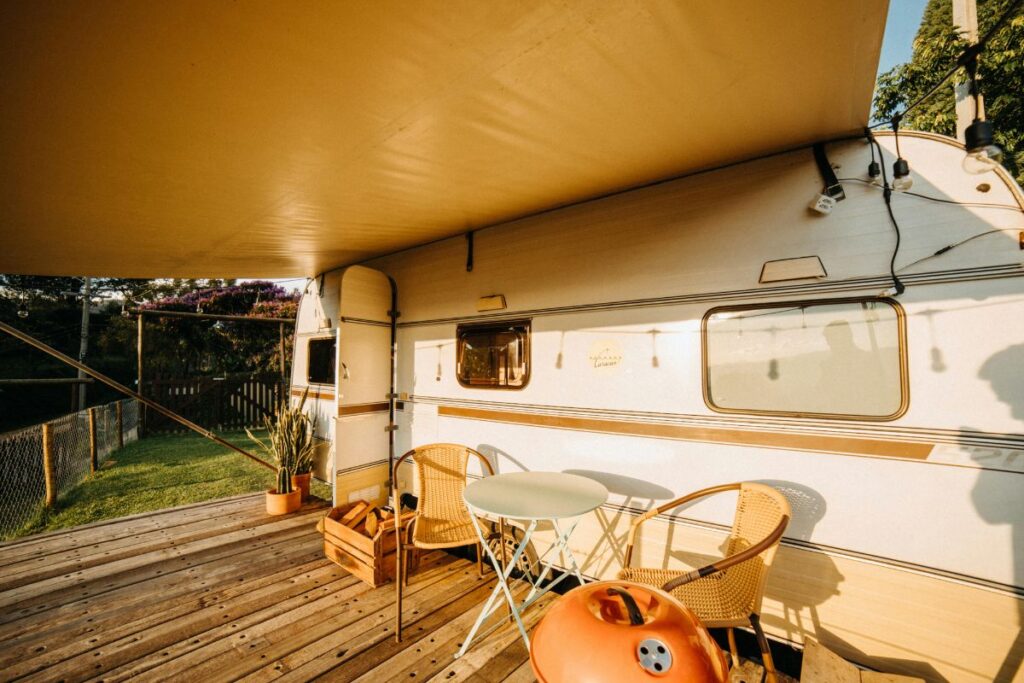
Follow these handy tips when planning your epic accessible escapade:
- Book Early in Advance: Accessible caravans fill up quicker, given limited inventories across model varieties. Reserve 6-12 months prior or leverage off-season trips, securing desirable options at lower costs.
- Contact Parks Directly: Check that current accessibility equipment/amenities claims on websites actually match inventories rather than marketing generalizations. Recent upgrades may also increase options beyond advertising.
- Pack Essential Equipment: Provide any assistive living aids (Hoyer lifts, shower chairs, etc.) to ensure your away-from-home needs are fully supported beyond mobility accommodations.
- Plan Suitable Activities: Research generalized destination accessibility further (trails, attractions, tours, etc.), shaping realistic itineraries that balance reflection and adventure and cater to unique passenger capabilities.
- Consider Companion Care: While designed to enable independence, having an aide along may prove beneficial in assisting high-activity trips if requiring help beyond mobility for lifting, driving, etc. Seek referrals specializing in mature/disability care planning.
Though advanced planning helps smooth journeys, unforeseen needs may still arise. Leverage specialty travel agents familiar with interfacing across major accessible tourism touchpoints, handling logistics changes as needed. Focus efforts on enjoying those long-awaited horizons that are finally accessible and welcoming.
Thanks to progressively prioritized mobility inclusion from industry providers, accessible caravans unlock adventurous horizons for millions globally that were previously only witnessed vicariously. Just because disability or aging once narrowed the scope of where travel dreams roam no longer dictates limits to awakening your wondrous wanderlust today. Through thoughtful collaboration with informed rental providers steeped in catering every unique trip with dignity, special memories await exploration.
Images courtesy of unsplash.com and pexels.com