Car usage varies widely amongst UK drivers. There are those who have licences, but only drive when they absolutely have to, hiring a car for the purpose and handing it back with gratitude and relief at the end of the necessary time; and there are those who practically drive across the road to visit a neighbour.
Most drivers, however, fall somewhere in the middle of these extremes, driving to work and school, going shopping, and interspersing their driving with walking – especially in beautiful areas like Hertfordshire, where there are beautiful historic buildings and canal-sidewalks in Stevenage, or even in London where fascinating streets lead to parks, churches, museums and so much more. No matter what kind of a driver you are, tyre care is vital for the smooth running of your life. Let’s have a look at some expert tyre care advice.
Replace As Needed
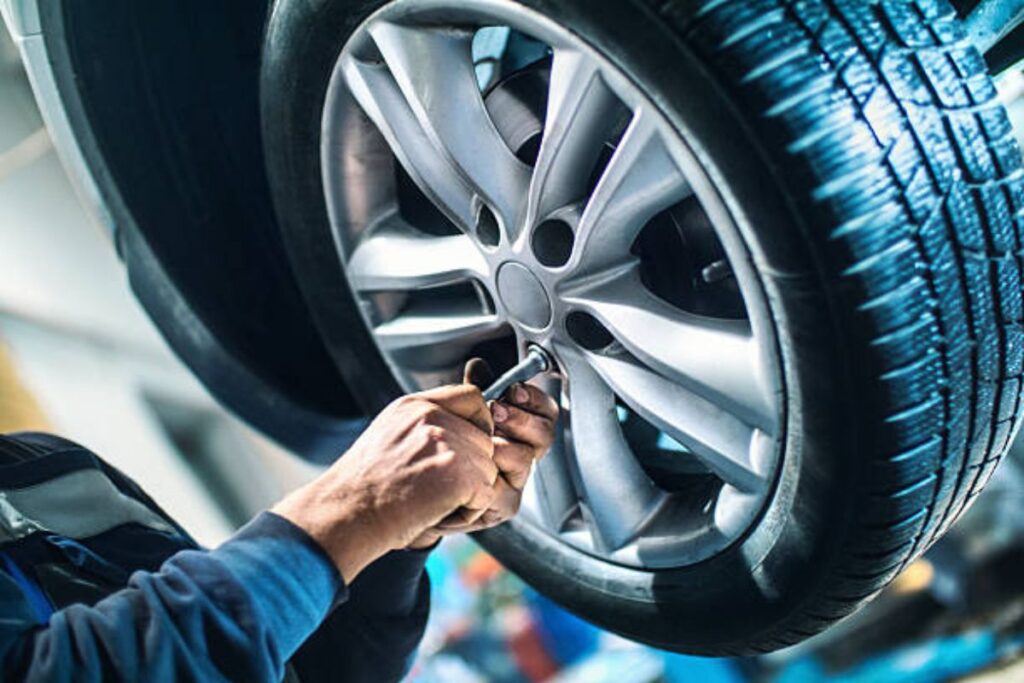
The first piece of advice experts offer is to ensure that you replace your tyres when you need to. Some drivers try to make their tyres last as long as possible and can end up spending more (through lost income, puncture repairs, or calling for roadside assistance) than is sensible. A good practice is to start saving up for the next set of tyres as soon as you purchase your current set. This allows you to put aside a little money every month, leaving you with a nice chunk of money with which to invest in high quality tyres – which in turn will last longer and offer you a more comfortable ride. If you are travelling somewhere in Hertfordshire or Stevenage you can explore around to visit a reliable garage for your tyre replacement. Moreover, excellent deals on tyres in Stevenage are available at Ecotyre Services.
Regular Checks
From the moment you buy your new set of tyres, try to get into the habit of looking over your tyres on a regular basis. These frequent checks will help you to get used to the way your tyres look when they are in good condition, so you will be able to easily pick up problems when they first present themselves: when there is time for a speedy repair to keep your tyres in good working shape for longer. As a rule of thumb, look out for sidewall distortion (dents, bulges and dimples), missing chunks of rubber, and more subtle signs like cracks or dark spots on the contact surface which can indicate nearly invisible punctures.
If you do notice damage or excessive wear, checking options on tyres.co.uk can help you find suitable replacement tyres matched to your vehicles manufacturer requirements.
Inflationary Matters

Modern tyres are carefully designed to be used at the optimal inflation levels – at all times. Weather fluctuations can affect your tyre pressure, so make sure you know what pressure your tyres should be kept at, and check them fairly often, especially before and after long trips. This is such an important aspect of tyre care that it has, as of 2018, been enshrined in the MOT checklist, a measure of legal roadworthiness to which standards your car should always adhere.
Tread Depth
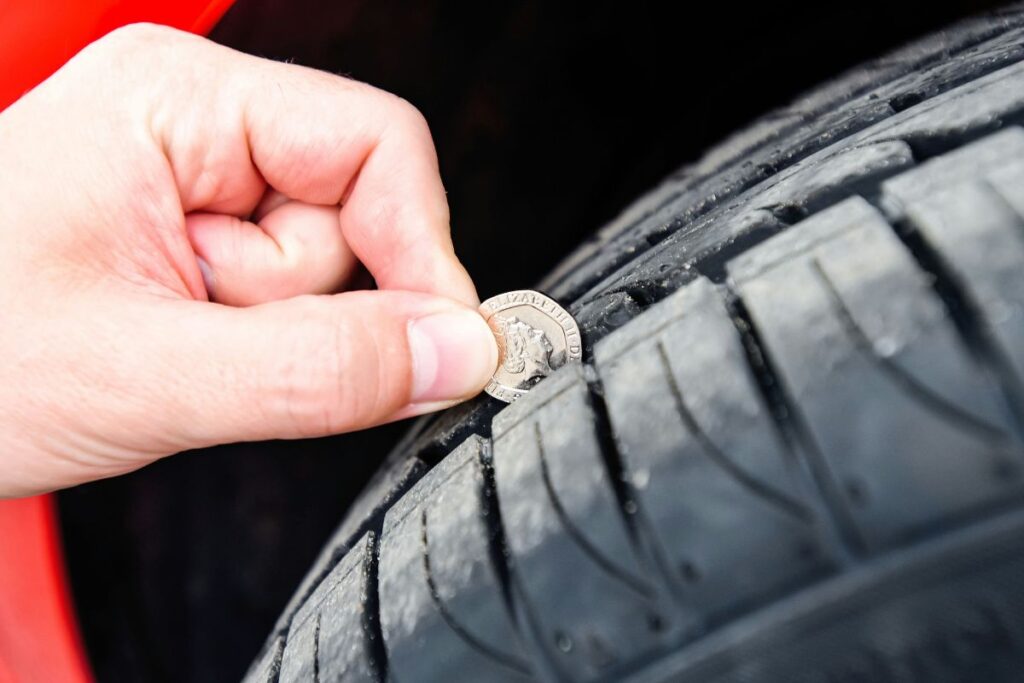
Your tread depth might not matter as much in summer, when the roads are dry and free from debris. But as soon as it rains, your tread depth becomes vital when it comes to stopping you from sliding about on the road. The grooves and sipes (the fine, narrower channels) that comprise your tread depth work to whisk water from between your tyres’ contact area and the road surface, so the rubber tyres can bite down onto the road. Without the water being removed you run the risk of hydroplaning: sliding along that thin water layer without any control. Needless to say, this is exceedingly dangerous, not only to you but to anyone on or near the road on which you are travelling!
These tyre care tips will keep you on the road in comfort, avoiding the inconvenience (and worse) of punctures and breakdowns.
Images courtesy of unsplash.com and pexels.com