Household appliances and electronics were not always what they are now. In the past, things like TV remotes, handheld torches and even portable radios were beyond the realms of imagination. However, since the dawn of household batteries, the versatility of home goods has gone through the roof.
With all the different types of household batteries available today, it’s no wonder that the focus since their creation has shifted to packing more and more electricity into smaller, more compact vessels. This article will give an abridged timeline of how these kinds of batteries became such a ubiquitous part of the home, from their invention in the 1890s until today.
The first era of consumer batteries | 1890s-1950s
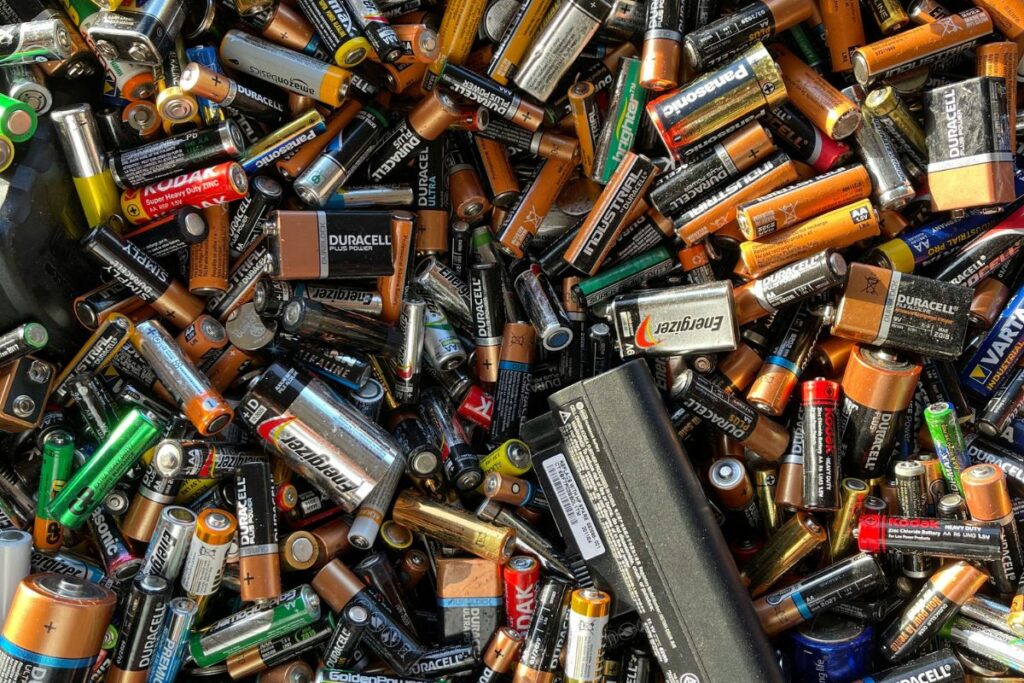
Carl Gassner was the first inventor of “dry cell” zinc-carbon batteries in the 1880s, which then made tools like flashlights and early radio systems possible in homes. They were quite cheap to manufacture, but were heavy and prone to leaking corrosive paste.
The first alkaline batteries & standardisation | Late 1950s-1970s
Lewis Urry, who worked for Eveready (eventually Energizer), substituted an alkaline electrolyte into battery cells, meaning they could hold up to five times the energy of zinc-carbon. This boost in capacity made them super popular in the 1960s, as they became standard for portable transistor radios, motorised toys and early cassette players.
It was around this time that C, D, AAA and AA batteries became well known and widely used in households. In fact, C and D batteries were initially the heavy hitters in households. As technology started to become more efficient, the AA quickly became known as the market leader, especially as electronics started to shrink. To this day, they’re one of the
Early rechargeable batteries (NiCd) | 1970s-1980s
Before the 70s, the concept of a battery charger for household batteries was foreign. That’s until Nickel-Cadmium (NiCd) batteries first brought rechargeable options to the masses. These options were the supercharger of early cordless power tools and RC cars, but they did have issues in terms of losing their maximum energy capacity if repeatedly recharged. Cadmium is also very toxic, making these batteries less suitable for family homes.
The rise of modern rechargeable batteries (NiMH) | 1990s
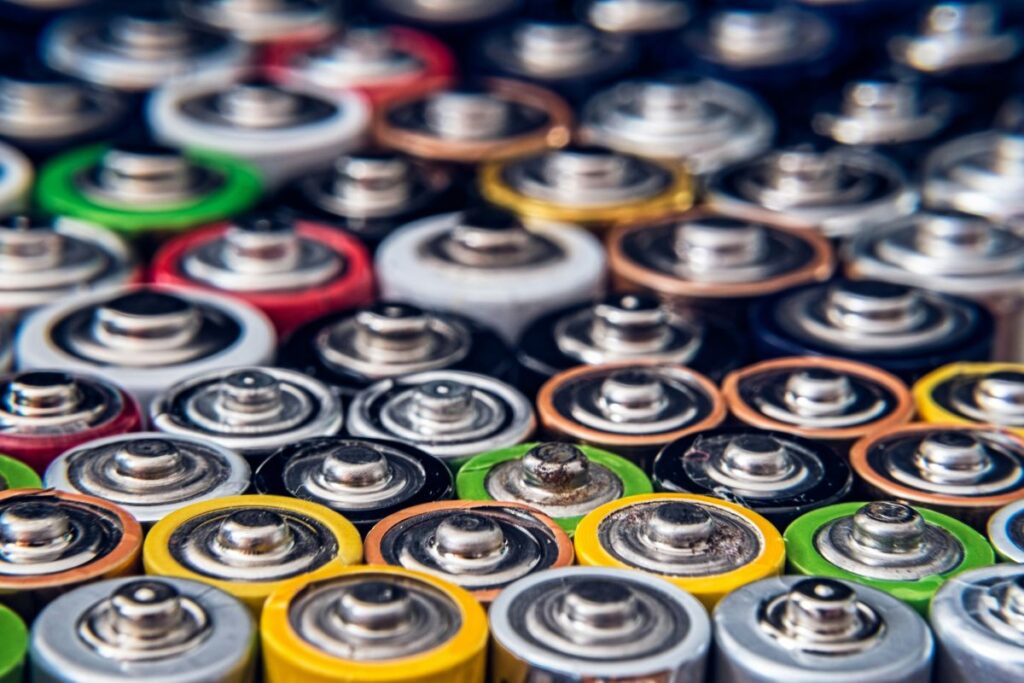
Nickel-Metal Hydride (NiMH) arrived at market in the 1990s, replacing NiCd batteries in the general sizes for household batteries. These rechargeable batteries had less performance degradation and were environmentally safer, along with much higher capacities. These were the batteries that found their homes inside early handheld digital cameras and gaming consoles.
The lithium-ion revolution | 1991-today
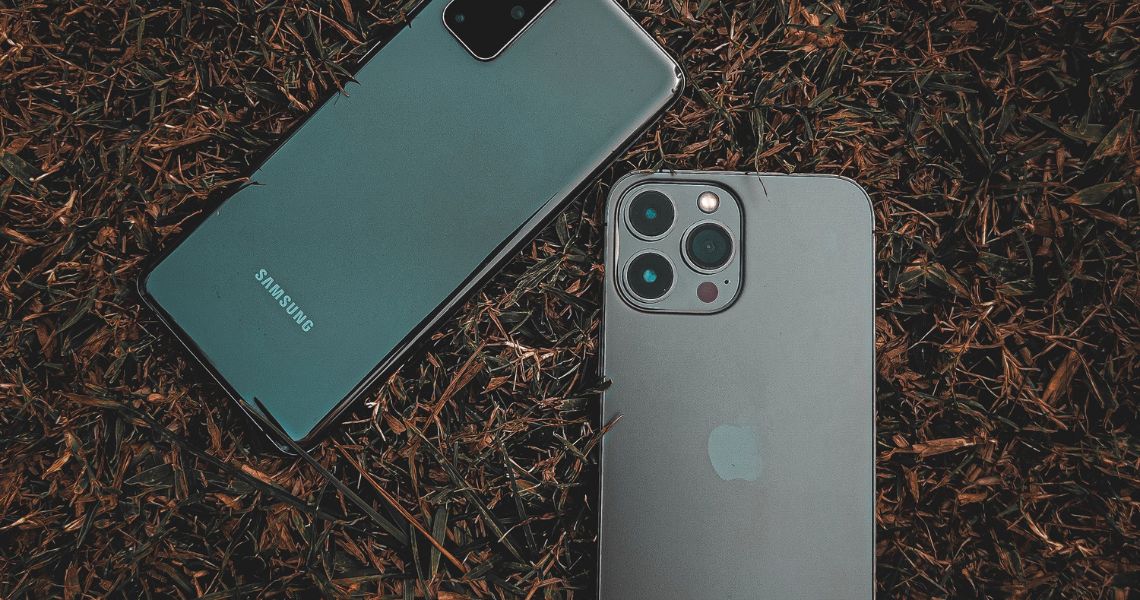
In 1991, the lithium-ion battery changed the landscape of household batteries forever. Rather than just the standardised, cylindrical cells that home appliances used to run off of, Li-ion batteries allowed for custom shaping, flat and incredibly energy-dense cells to be created. These are the batteries that we know and appreciate in cell phones, tablets and modern smart devices.
The future of household batteries and appliances

As household appliances and goods are changing, so is the way we power them. The rise of Li-ion batteries has also meant that a lot of the goods and electronics in households have shifted to fully rechargeable models. This means charging up the device itself from the mains, rather than there being any sort of removable battery door on premium consumer tech.
This is primarily in high-drain devices, such as smartwatches, wireless headphones and electric toothbrushes, while low-drain household products are often still powered by traditional household batteries.
As time goes on, consumer batteries could become less and less common, as charging becomes the norm for almost anything electric. For now, it’s worth appreciating how far things have come in terms of safety and efficiency over the last 140 years or so.
Image attributed to Unsplash.com and Pexels.com