In the frigid winter months, ensuring that your vehicle is equipped with the right tires can make all the difference in not just maintaining traction but also guaranteeing on-road safety.
Transitioning to a set of cold weather tyres designed specifically for icy and snowy conditions can greatly enhance your driving experience, reducing skidding and improving control. However, choosing suitable tires, installing them correctly, and maintaining their optimal performance requires careful consideration and expert knowledge. In this comprehensive article we will unravel the essential steps you need to take to navigate through the vast range of available options confidently. Whether you’re a seasoned driver or new behind the wheel during winter weather challenges, read on as we delve into everything from tyre tread patterns to size recommendations and critical maintenance tips from professional such as Ward Tires necessary for braving chilly roads with confidence.
Factors to Consider When Choosing Cold Weather Tyres
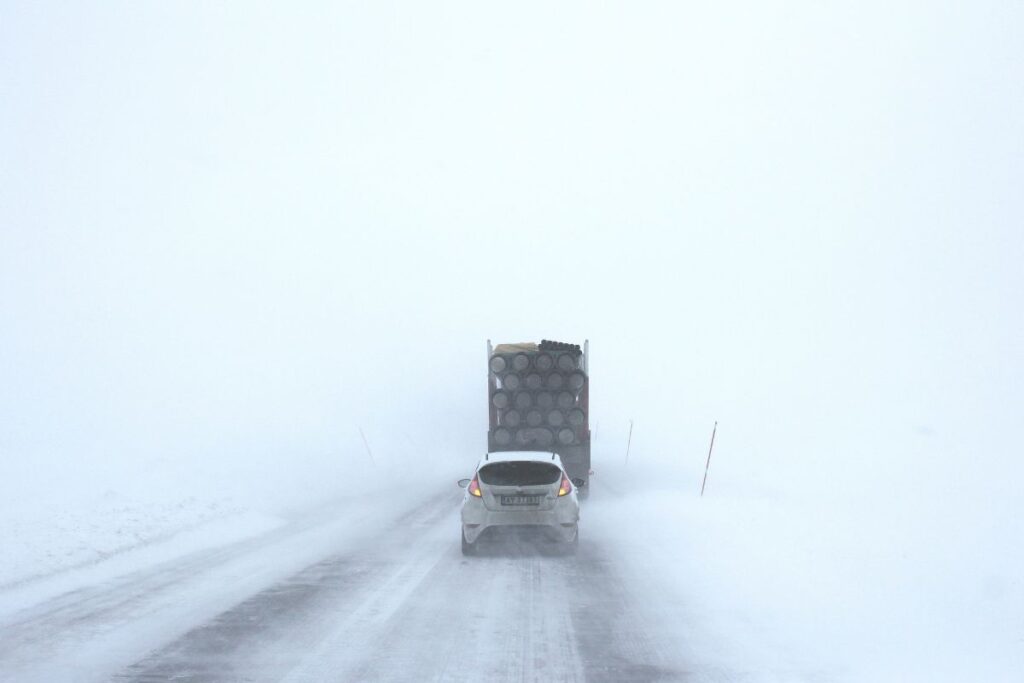
When choosing cold weather tyres, there are several factors that need to be taken into consideration. One of the most important factors is the specific winter conditions in your area. Different regions experience varying levels of snow and ice, so it’s crucial to choose tyres that are specifically designed for those conditions. Look for tyres with a high traction rating and unique tread patterns that provide superior grip on slippery surfaces.
Another factor to consider is tyre size and compatibility with your vehicle. Tyres come in different sizes, and it’s important to select the right size for your specific model. Additionally, check whether your vehicle requires any specific tyre specifications or if there are any restrictions regarding tyre types.
Lastly, it’s essential to consider your budget when selecting cold weather tyres. While investing in high-quality tyres will ensure better performance and safety, they can also be more expensive. Evaluate different brands and models to find a balance between cost-effectiveness and quality.
Overall, choosing the right cold weather tyres involves considering local weather conditions, ensuring compatibility with your vehicle, and finding a suitable option within your budget constraints.
Proper Installation Techniques for Cold Weather Tyres
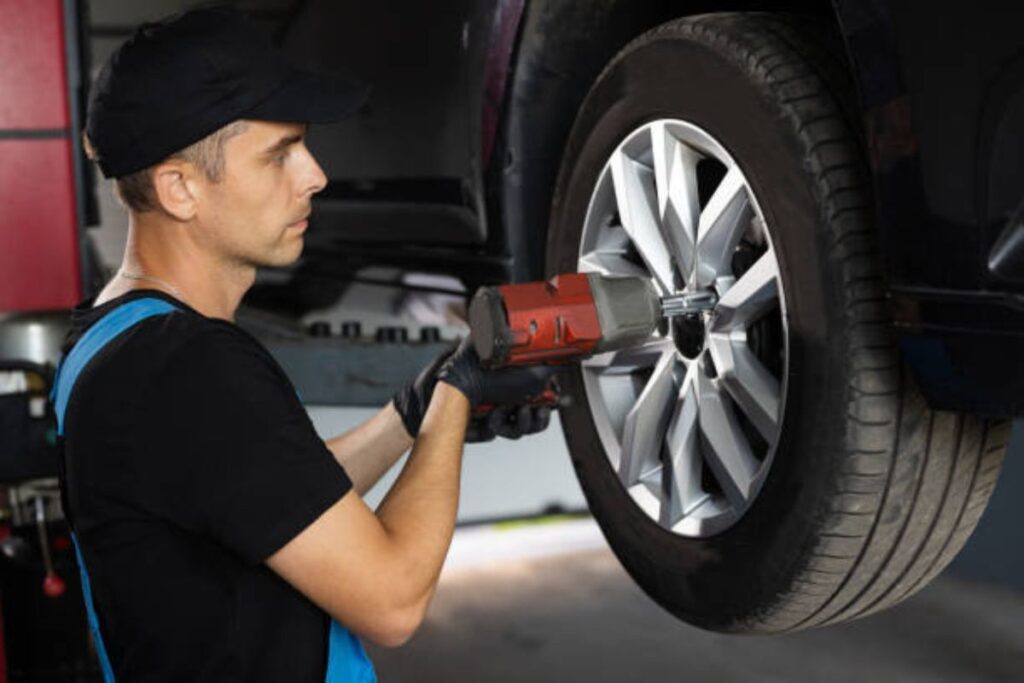
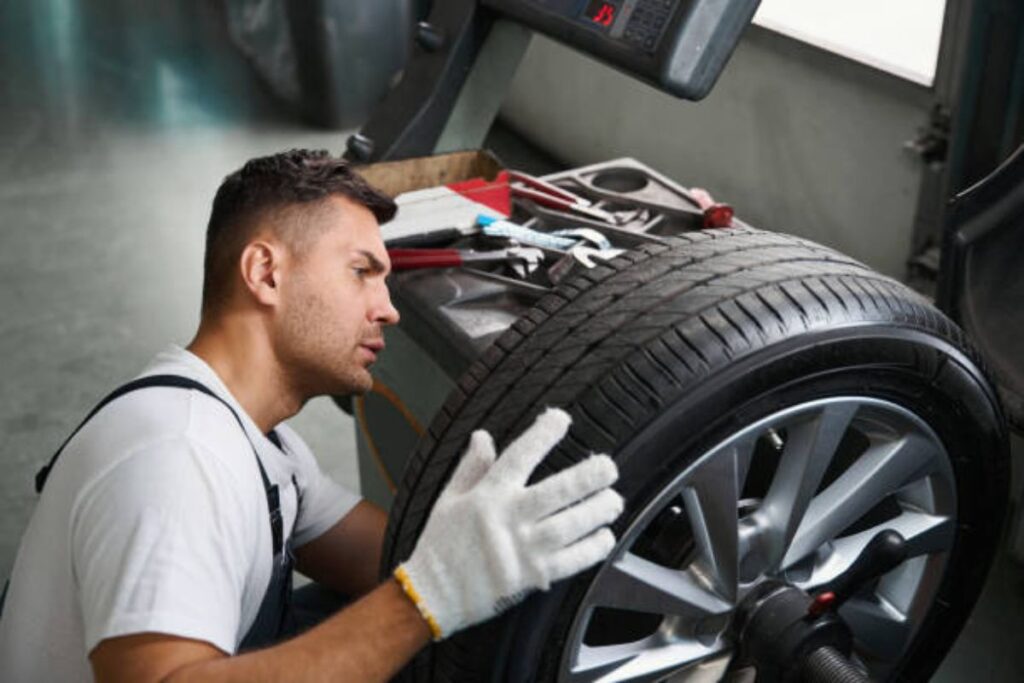
In order to properly install cold-weather tyres, there are a few essential steps that need to be followed. Firstly, it is crucial to choose the right type of tyre for your specific vehicle and winter conditions. Look for tyres with a high snow traction rating and studdability if necessary. Secondly, ensure that all four tyres are replaced at once to maintain balance and stability on the road.
When installing the new tyres, make sure they are mounted correctly onto the rims according to manufacturer specifications. It is recommended to have a professional do this part as they will have access to specialized equipment such as tyre mounting machines. Finally, take extra care when tightening the lug nuts, ensuring their uniformity without over-tightening.
To maintain optimal performance from your cold weather tyres throughout winter, regular maintenance is key. Keep an eye on tire pressure as it tends to decrease in colder temperatures; having proper inflation helps maximize traction and fuel efficiency. Additionally, rotating your tyres every 6 months or 6,000 miles can promote even wear and extend their lifespan.
Remember that investing time in choosing appropriate cold weather tyres for your vehicle is just as important as installing them correctly and maintaining them well. By following these proper installation techniques and taking care of regular maintenance tasks, you can significantly improve safety while driving in icy or snowy conditions during the frigid winter months.
Essential Tips for Maintaining Cold Weather Tyres
Maintaining cold weather tyres is essential for ensuring maximum performance and safety during the winter months. Firstly, regular check-ups are crucial to ensure that your tires are in good condition. Check the tire pressure frequently as cold temperatures can cause it to drop significantly. Underinflated tyres can reduce traction and increase the risk of accidents on icy roads.
Secondly, rotating your tyres regularly helps promote even wear and extends their lifespan. This is particularly important for those who drive in snowy or icy conditions frequently, as uneven wear can diminish traction and handling capabilities.
Lastly, storing your cold weather tyres properly when not in use is vital for maintaining their quality over time. Keep them away from direct sunlight in a cool, dry place to avoid cracking or deterioration. It’s also recommended to clean your tyres thoroughly before storage to remove any debris that might cause damage while they’re not being used.
By following these essential tips for maintaining cold weather tyres, you can enhance your driving experience and stay safe on wintry roads throughout the season.
Signs of Wear and When to Replace Cold Weather Tyres
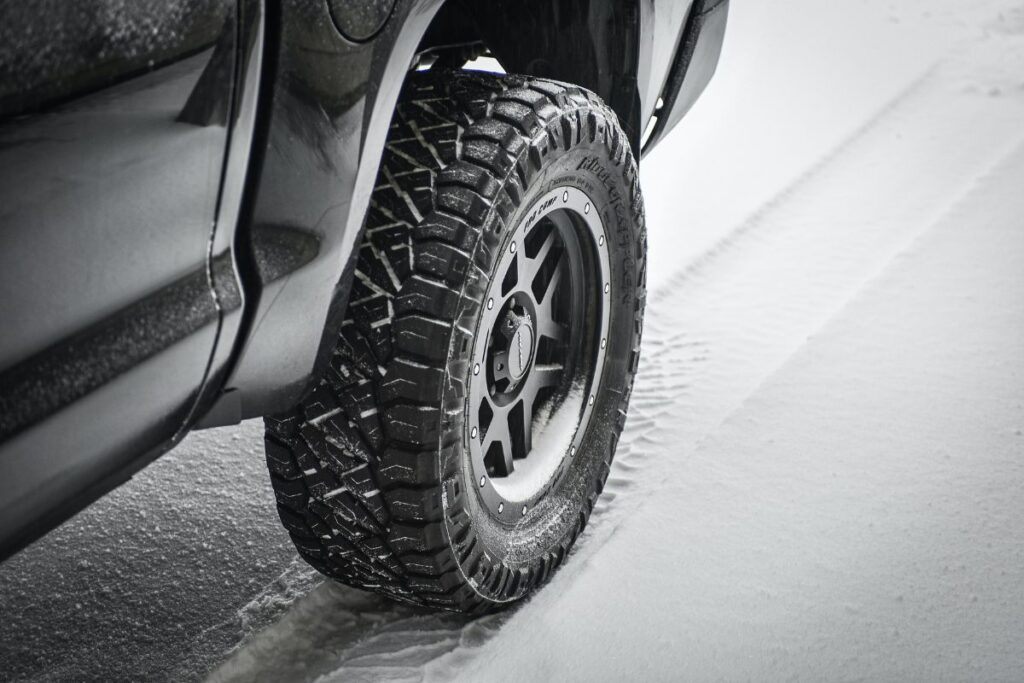
Signs of Wear: It is crucial to be able to identify signs of wear on your cold weather tyres so that you know when it’s time for a replacement. One common sign is tread depth. Winter tyres have deeper treads specifically designed for better traction in icy and snowy conditions, so if the tread depth has worn down significantly, it’s time to consider replacing them. Cracking or bulging in the sidewall can also indicate wear and compromise the tyre’s integrity, making it unsafe to use.
When to Replace: Knowing when to replace your cold weather tyres is essential for maintaining optimal performance and safety. The general rule of thumb is that winter tyres should be replaced once they reach approximately 6/32 inch (4. 8mm) remaining tread depth. To measure this accurately, you can use a tread depth gauge or rely on visual indicators like built-in wear bars within the tyre grooves which become visible as the tread wears down.
Ultimately, understanding signs of wear and knowing when it’s time to replace your cold weather tyres is crucial for ensuring safe driving conditions during winter months where road surfaces are often slippery due to ice and snow. By regularly monitoring your tyre condition and being proactive about replacements, you can reduce skidding accidents while improving overall control on hazardous roads.
Images courtesy of unsplash.com and pexels.com