Stepping into a spa should feel different from the world outside. The lighting is softer, the pace is slower and the everyday distractions begin to fade. Alongside the familiar scents and comfortable surroundings, music often plays an important part in creating that change.
From the first few minutes in reception to the soundtrack accompanying a massage, what guests hear can shape how they experience their visit. In some cases, music does more than provide a relaxation background. It becomes part of what makes a particular treatment or spa memorable.
Setting the Tone from the Moment You Arrive
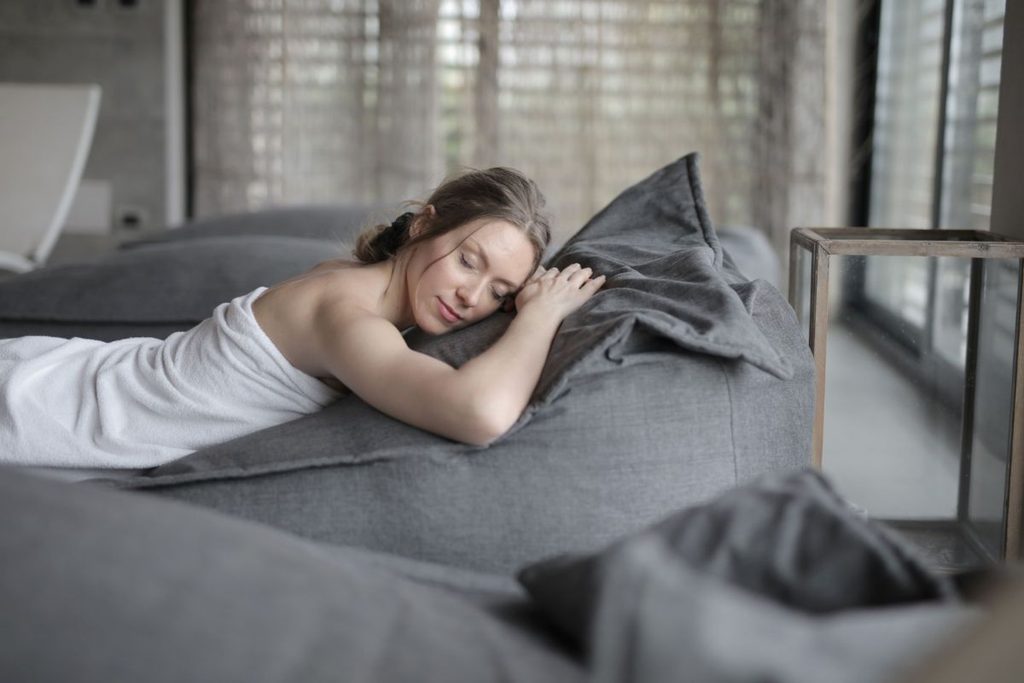
The spa experience begins well before the first treatment. Reception areas, changing rooms and waiting spaces all contribute to a guest’s initial impression, particularly when they are arriving from a busy street, a long journey or a demanding working day.
The music guests hear on arrival can encourage them to slow down and settle into their surroundings, helping them unwind before their appointment begins.
Choosing the right background music for spas means thinking about the character of the venue, the people it attracts and the atmosphere guests have come to enjoy.
A countryside retreat might favour gentle instrumental music, while a contemporary urban spa may choose a more modern sound. The choice should feel in keeping with the spa itself, rather than simply following a familiar idea of what relaxing music ought to sound like.
How Music Becomes Part of the Treatment
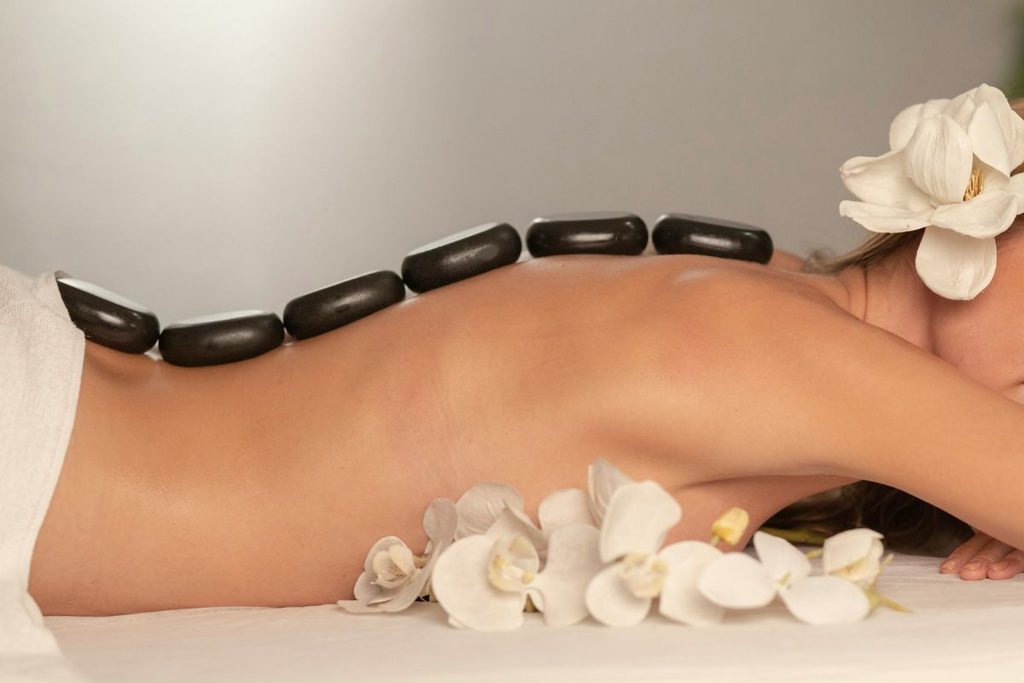
During a massage or facial, guests may spend an extended period with their eyes closed, making sound a particularly noticeable part of the experience.
Music can provide a consistent background during a treatment, helping to soften distracting noises from adjoining rooms or corridors. The choice of soundtrack also matters. Sudden changes in volume, unexpected vocals or prominent rhythms may draw attention away from the treatment itself.
Some spas take the relationship between music and treatment much further.
An interesting example is the Highlands Massage at LUSH Spa, previously featured. This 60-minute hot stone massage is choreographed to a specially recorded soundtrack of Gaelic folk songs.
The music accompanies the treatment’s journey through the Scottish Highlands, with changes in rhythm corresponding to different massage movements. Rather than simply playing in the background, the soundtrack becomes part of how the treatment is designed and delivered.
It’s a great example of how music can give a treatment its own character, becoming something guests associate with the experience long after their visit.
Different Spaces, Different Sounds
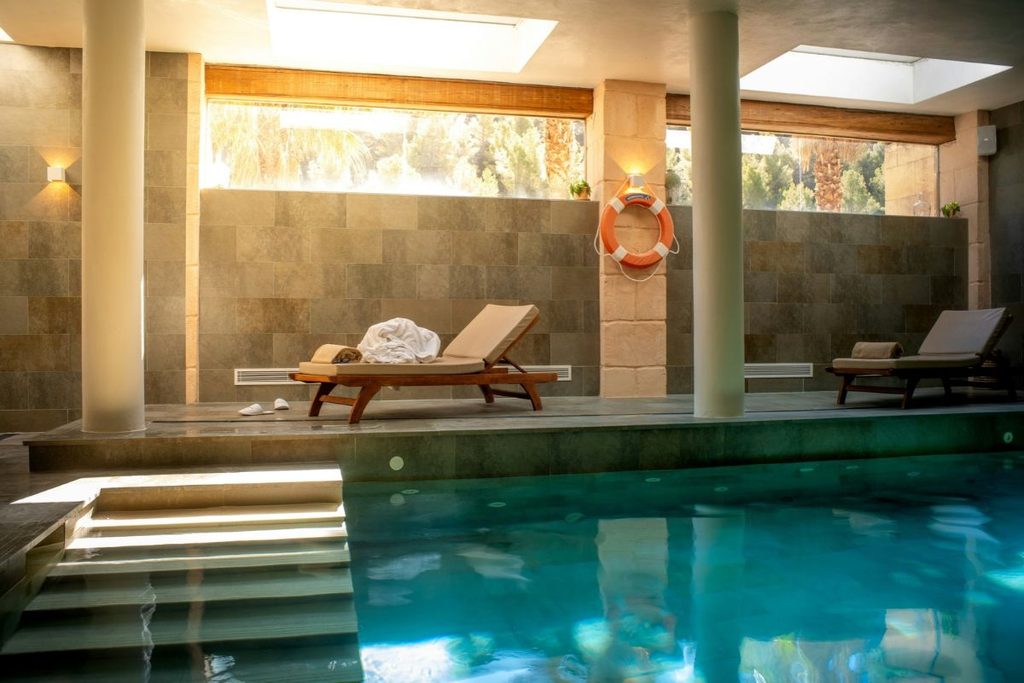
A spa is rarely a single environment. Treatment rooms, relaxation lounges, hydrotherapy pools and reception areas each serve different purposes, and the same soundtrack may not work equally well throughout.
In a massage room, where guests are encouraged to rest, gentle music can help maintain a peaceful setting. Relaxation lounges may benefit from similarly unobtrusive choices, particularly when visitors want to read, rest or enjoy some quiet time after a treatment.
Communal facilities present different considerations. Around a spa pool, for instance, music needs to remain comfortable alongside conversation and the natural sounds of water.
Volume is particularly important in shared spaces. Music should be audible without dominating the room, allowing guests to enjoy conversations or relax without unwanted distractions.
There is also a place for silence. Some spas offer dedicated quiet areas where guests can unwind without a soundtrack, recognising that uninterrupted peace is part of the appeal.
Matching the Music to Guest Expectations
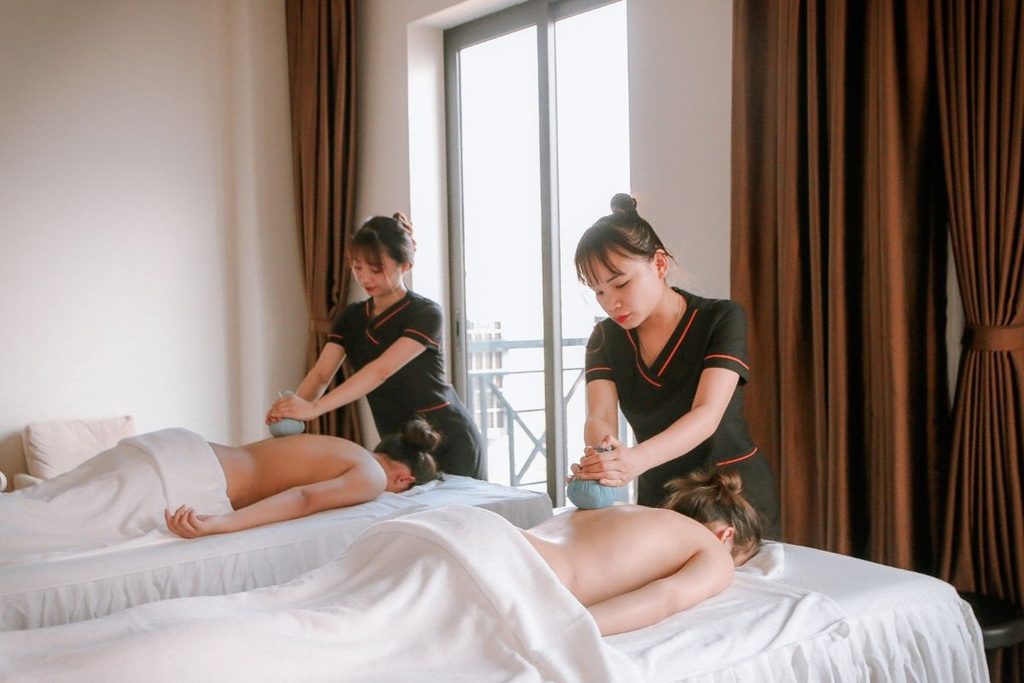
People have different ideas about what makes a relaxing spa visit. Some enjoy gentle instrumental music, while others might prefer contemporary ambient sounds or a quieter environment.
However, personal preference is only part of the picture. Guests often choose a spa because of the particular experience it promises, and music should help deliver on those expectations.
A spa presenting itself as a peaceful countryside escape will create a different impression from an energetic urban wellness retreat. Its website, photographs and descriptions of treatments all help visitors imagine what their time there will be like. The music they encounter should feel consistent with that impression.
Within this overall identity, there can still be room for individual preferences. During treatments, for example, asking whether guests are comfortable with the music or would prefer a quieter setting can make the visit feel more personal.
It’s also worth avoiding short playlists that repeat noticeably, particularly for guests enjoying several hours of treatments and relaxation.
The Details Behind a Well-Considered Soundtrack
Guests are unlikely to think about how a spa organises its music, but the practical arrangements can affect what they hear throughout their visit.
Maintaining comfortable sound levels, avoiding interruptions and selecting music suited to different spaces all require planning. A soundtrack that works in the morning may also need adjusting as the spa becomes busier or different treatments take place.
For those running a spa, there are legal considerations too. Playing commercially recorded music in a UK spa will generally require appropriate public performance licensing. Understanding UK music licensing is important, particularly as personal music streaming subscriptions are not intended for commercial playback.
A Lasting Part of the Spa Experience
A well-chosen soundtrack can be as distinctive as a spa’s interior design or signature treatments. Sometimes its role is to provide relaxation and a peaceful background, while at other times, as the LUSH Spa example shows, music can be central to the treatment itself.
What matters is that the music has been chosen with the guest experience in mind. When it complements the setting and delivers on what visitors expect, it can become part of what they remember and appreciate about their time at the spa.
Images courtesy of unsplash.com and pexels.com