Offices are made up of different spaces, each with its own purpose, and the furniture should reflect how each area is used.
Take the boardroom, for example; it’s a room you’d want to fill with your choice of conference tables, one that’s perfect for formal meetings and presentations. Then there’s the collaborative space; a place where teamwork and the exchange of ideas are encouraged, which actually calls for a setup that’s a bit more relaxed and casual. And let’s not forget the break areas; they may seem like afterthoughts, but the right tables can actually create a pretty nice spot for employees to unwind and socialise a bit.
Now, finding the perfect table for each space isn’t just about picking something that looks right. It’s about understanding how each room is actually going to be used, how many people it’s going to need to seat and just how much room you’ve got to play with. From conference tables that scream professionalism to practical options for shared workspaces and breakrooms, here are the main types of office tables and what you need to consider when choosing the right ones for your workspace.
Conference Tables – Making Meetings Mean Something
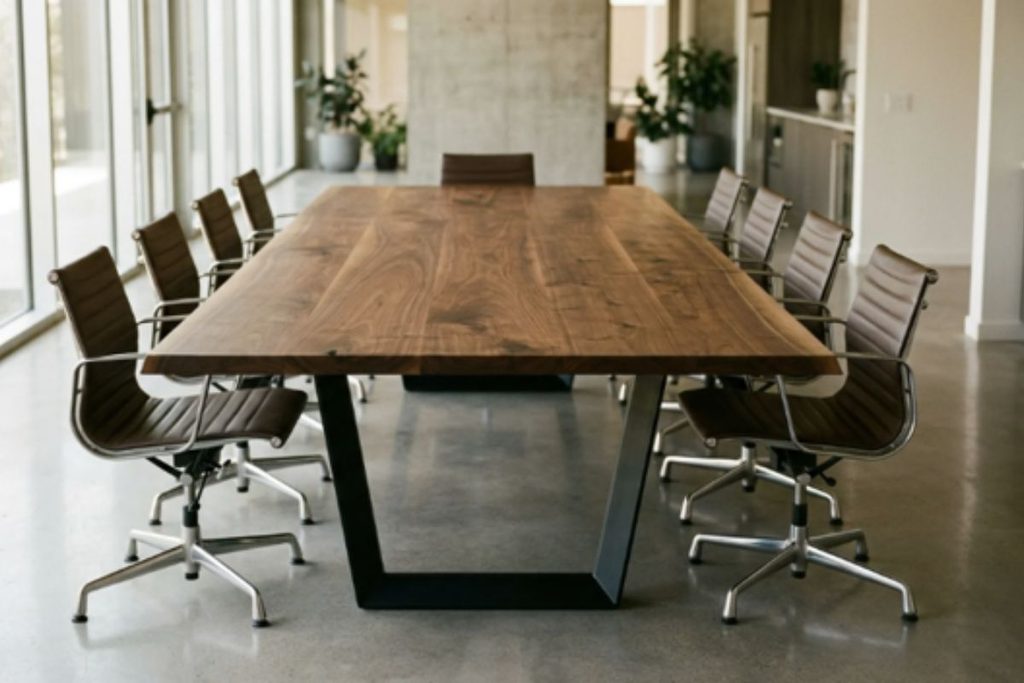
In any office where people get together to chat about new projects, make decisions or share ideas, boardroom tables are pretty essential. Need to impress a client or business partner? A conference table can be a make-or-break aspect of the whole experience. Will you be hosting a big presentation, a team meeting or something else entirely? A good conference table is your key to success.
When you start looking at conference tables, the key is to think about your meeting room – what does the space actually need? Will a big, rectangular table work for you, or should you go for a more relaxed vibe with a round or oval design? If you’re short on space, then a smaller table might be the way to go – something modular that you can easily reconfigure to fit different-sized meetings into the same space.
The total seating capacity is also a big deal. You want to make sure everyone has enough room to sit comfortably, with space for laptops and all the other bits and bobs you need to haul in for a meeting. Just don’t get too caught up in the idea of the numbers. Think about how many people actually usually turn up for your meetings, not the maximum number of seats the table could hold. And then there’s the all-important space around the table to factor in – you want room for people to move their chairs and walk around freely.
Finally, consider the things that make meetings a lot easier to get on top of. Built-in power outlets and USB ports mean that everyone can keep their devices powered up, and cable management actually works, stopping the wires from getting all tangled up on the table or tripping people up. By finding a balance between size, shape, functionality and design, you can pick a conference table that makes for productive meetings and just fits in with your office.
Office Desks for Everyday Work
While conference tables bring everyone together, office desks are the place where employees get on with their daily tasks, away from the crowds. From emails to project management to working with clients or dealing with day-to-day admin, a good desk can make a big difference. It can make everyday work more comfortable and a lot more organised. The key is to pick a desk that suits the way your employees work without taking up any more space than it needs to.
Traditional office desks are a practical choice for people working on their own, giving them enough space for the computer, paperwork and all the other essentials. For businesses that want to make sure people can move around and switch between sitting and standing throughout the day, height-adjustable desks are worth considering. They let people change position, rather than sitting for hours on end. In open plan offices, shared workspaces are another option that can make the most of available space, and give people a clear area to work.
Before choosing a desk, think about what sort of things your employees need to keep within easy reach, how much kit they’ll be using and how much space you’ve got. Someone working with multiple monitors will want a larger surface than someone who just uses a laptop. Storage, cable management and the layout of the desk are all things to think about, especially if you’re furnishing lots of workstations at once. By matching the desks to the work that needs to get done, and the space that’s available, you can create a workspace that feels just right for everyday productivity.
Reception and Waiting Area Furniture
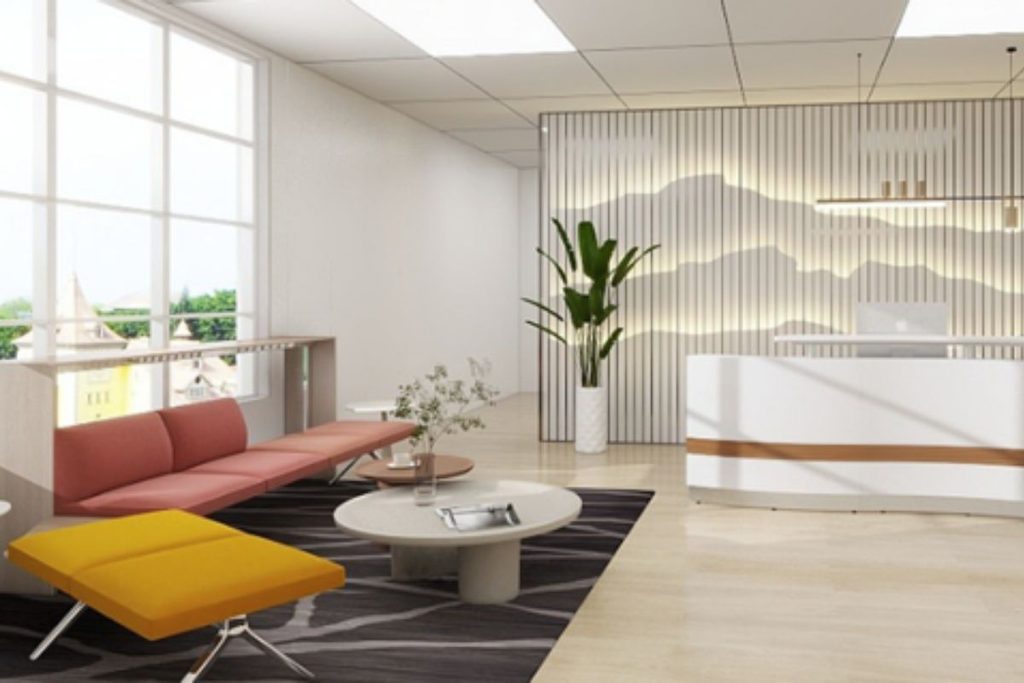
The reception area is often the first bit of your office that people see, so it’s only fair to make it feel welcoming and professional. Reception desks are a must for greeting visitors and handling any queries, but smaller tables can make the waiting area a lot more comfy and practical. They give people somewhere to put their bag or browse a brochure while they wait for an appointment.
Occasional tables are particularly useful in reception areas with sofas or loungers, helping you create a relaxed atmosphere without making the space feel cluttered. Depending on the layout, you might choose a compact round table for a small waiting area, or a bigger coffee table for a bigger reception area. The idea is to make the space feel inviting and make sure people have enough room to sit and move around comfortably.
When choosing your new tables, take a minute to think about the overall vibe of your office space as well as the layout and any limitations on space you might be working with. Going with sturdy materials that are a breeze to clean and don’t show stains or spills too easily is a pretty smart move if your office is a bustling hub of activity. And picking finishes that complement your current furniture will really help tie the whole look of the room together nicely.
Breakroom Tables – The Heart of Your Office
Your office breakroom is way more than just a place to grab a quick bite. It’s a spot where colleagues can take a break from their desks, catch up with each other and recharge before heading back to work. The right tables can make a big difference here, helping to make the space feel relaxed and inviting, without making it look like a total afterthought.
If you’re setting up a dedicated canteen for your team, a bigger rectangular table can be a great choice for accommodating a group. But if you’re dealing with a smaller space, a few smaller round tables can really help create more informal vibes. And if your office is super small, it’s a good idea to think about layouts that let people flow through the space easily, without feeling like they’re squished. That way you can avoid blocking walkways or making the room feel like a total squash.
When it comes to choosing the tables themselves, sturdy construction is a must, as are surfaces that will wipe clean with ease. Because, let’s face it, accidents happen, and you’ll have spills and stains. Knowing how many people will be using the space at peak lunchtime can also help you pick the right number of tables, so your team can grab a bite and socialise in comfort.
Images supplied