Museums and heritage sites can look calm from the visitor’s side, but behind every exhibition is a surprisingly large team of people doing very different jobs.
Some roles focus on collections and research. Others are centred on visitors, education, conservation, events or technology. That means museums can offer career opportunities for people with interests ranging from history and art to science, teaching and customer service.
Curators

Curators are probably the museum professionals most people immediately think of. Their work usually involves researching collections, helping decide what to display and contributing to the development of exhibitions.
Depending on the museum, a curator may specialise in a particular subject, such as archaeology, natural history, art or social history. The role can involve significant amounts of research and writing alongside the more visible work of creating displays.
Conservators
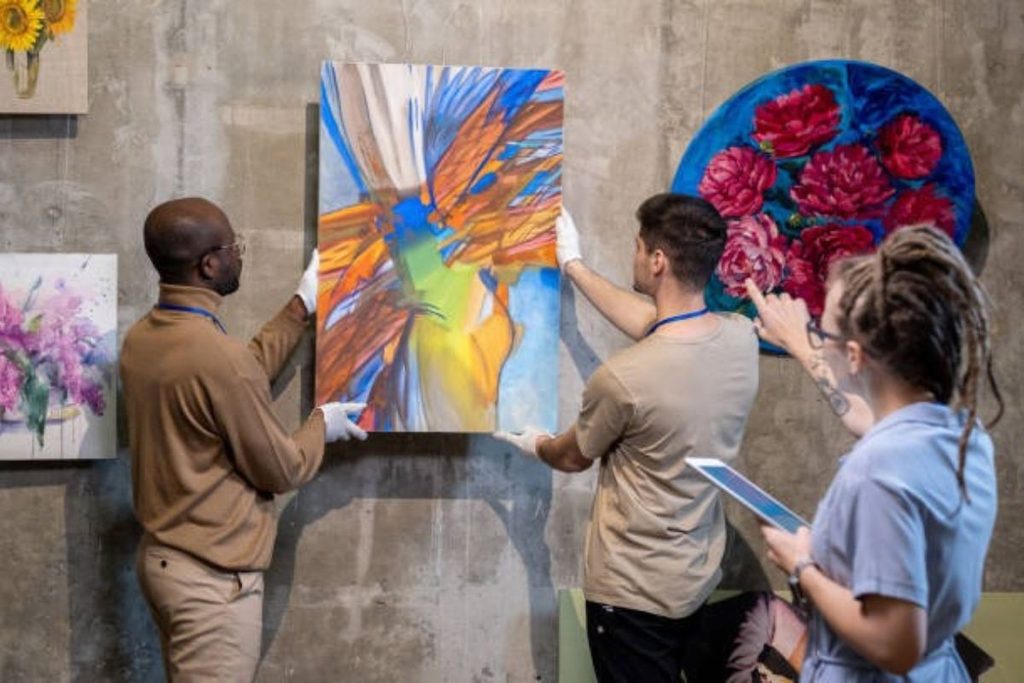
Conservators focus on protecting and preserving objects. Museum collections can contain incredibly delicate materials, from paintings and textiles to furniture and archaeological finds. Conservators assess their condition and use specialist techniques to prevent further deterioration.
This can involve controlling light, humidity and temperature, as well as carrying out repairs and advising colleagues on how objects should be stored or displayed. It is a highly skilled role where attention to detail matters enormously.
Museum guides
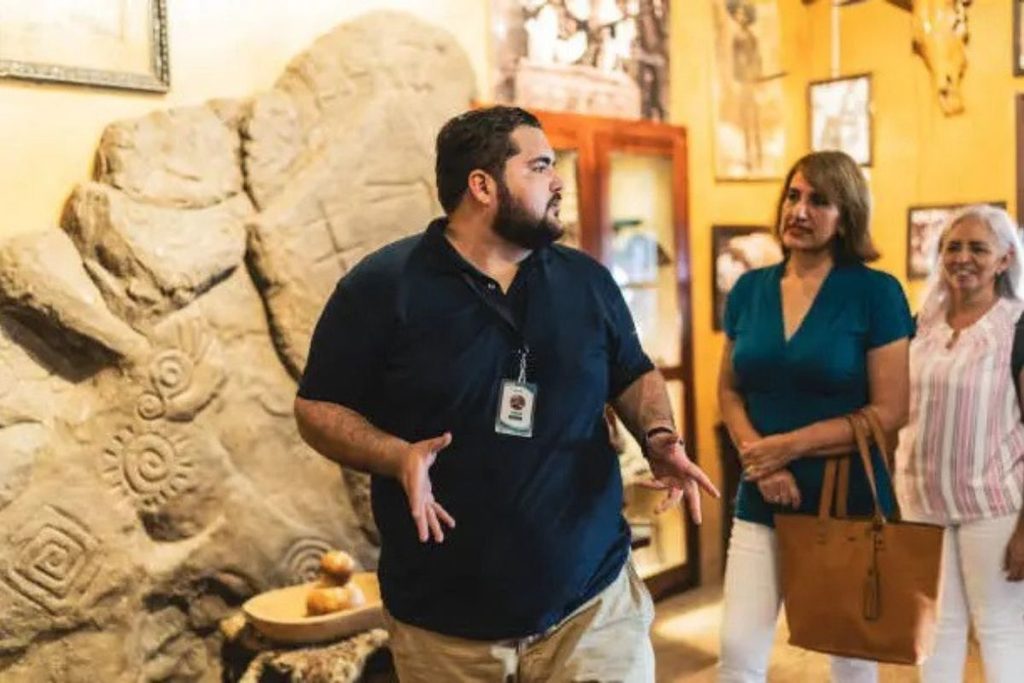
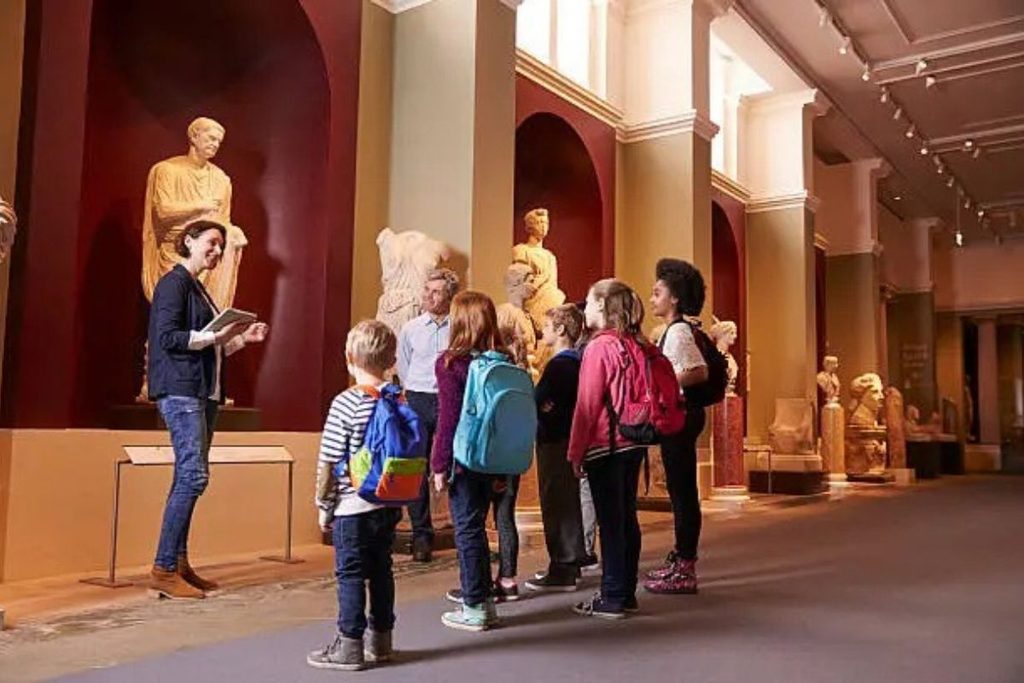
Guides bring collections and exhibitions to life for visitors. Rather than simply repeating facts, a good museum guide tells stories that engage visitors and adapt the experience to suit different groups. A school party may need a completely different approach from an adult history group or international visitors.
Technology can help make these tours more accessible too. Museum tour audio systems can allow guides to speak naturally while visitors listen through individual receivers or headsets. Some systems can also support multiple groups or interpretation in different languages, which can be especially useful for busy visitor attractions.
Learning and education teams
Museums play an important role in education, which creates another whole category of jobs. Learning officers may develop workshops, school programmes, activity packs and interactive sessions linked to collections.
They need to understand the subject matter, but they also need to know how to make it interesting and appropriate for different age groups. Many museums also run adult learning, family events and community programmes, meaning education can extend far beyond school visits.
Visitor services

The first person you meet at a museum is unlikely to be a curator. Visitor services teams manage ticket desks, entrances, information points, cloakrooms and general enquiries. They help visitors navigate the building and ensure the overall experience runs smoothly.
In larger museums, these teams may also support accessibility requirements, group visits and special events.
Exhibition designers and technicians
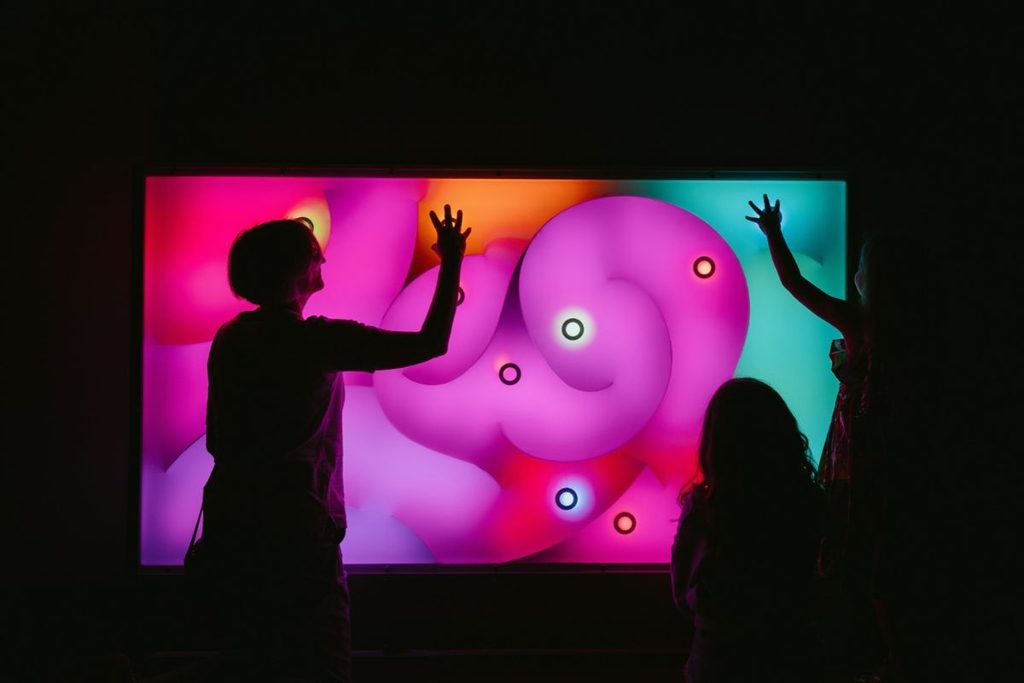
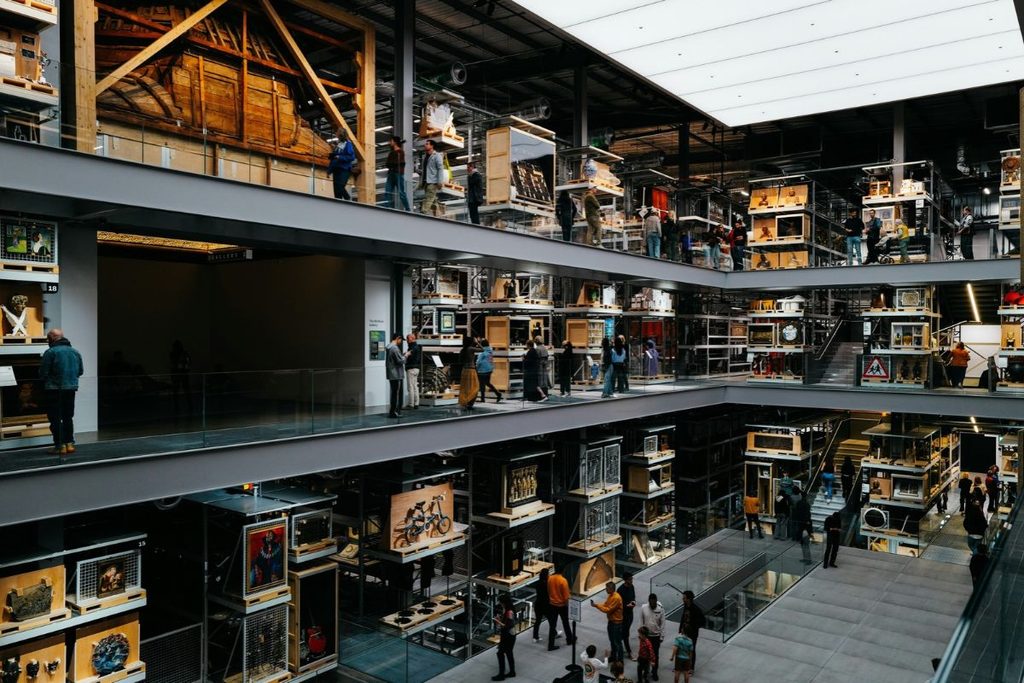
Turning an idea into a physical exhibition requires practical and creative specialists. Exhibition designers decide how displays should look and how visitors will move through them. Technicians may install cases, lighting, interactive displays, screens and audio equipment.
Modern museums increasingly use digital technology, projection, sound and interactive elements, so technical roles are becoming an important part of creating engaging exhibitions.
Archivists and collections teams
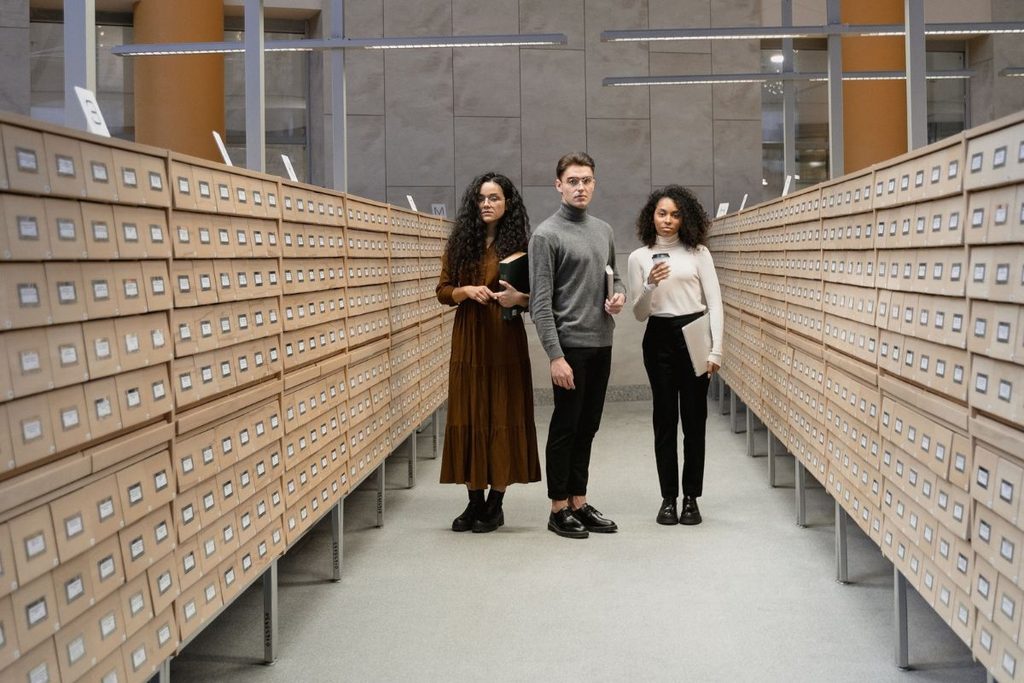
Not everything a museum owns is on display. Collections teams catalogue objects, maintaining records and managing storage areas so items can be located and cared for correctly.
Archivists perform a similar role with documents, photographs, records and other historical material. These jobs suit people who enjoy organisation, research and working closely with source material.
Plenty happens beyond the galleries
Museums also need marketing teams, event organisers, fundraising staff, security officers, administrators and retail employees. Some larger institutions even employ photographers, digital content teams, researchers and specialist project managers.
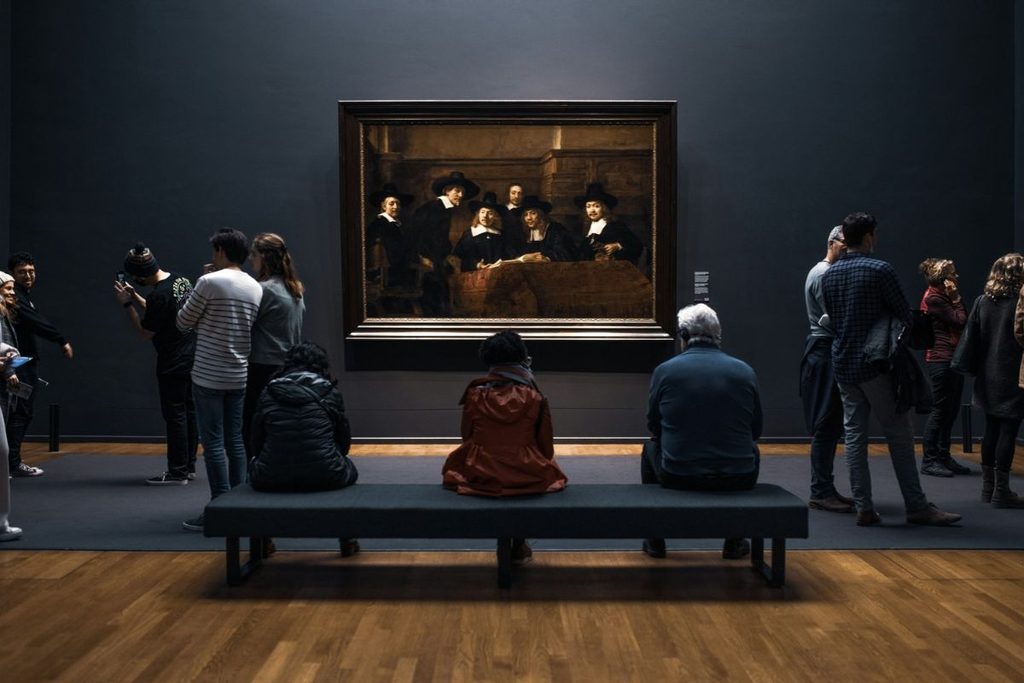
That variety is what makes museum work so interesting.
You might spend your career preserving historical objects, teaching children, leading tours or designing exhibitions. Whatever the role, each person contributes to the same wider goal: protecting collections while helping visitors understand why they matter.
Images courtesy of unsplash.com, pexels.com and Freepix.com