There was a time when staying in on a Saturday night felt suspiciously like admitting defeat. Going out was the event. Staying home meant supermarket wine, whatever happened to be on television and perhaps a takeaway if nobody could face cooking.
Something rather dramatic has happened to a night in since then.
The British night in has had a serious upgrade. Our living rooms have become cinemas, games rooms, cocktail bars, restaurants and occasionally somewhere to spend 40 minutes scrolling through films before deciding there is apparently nothing to watch on any of the seven streaming services we pay for.
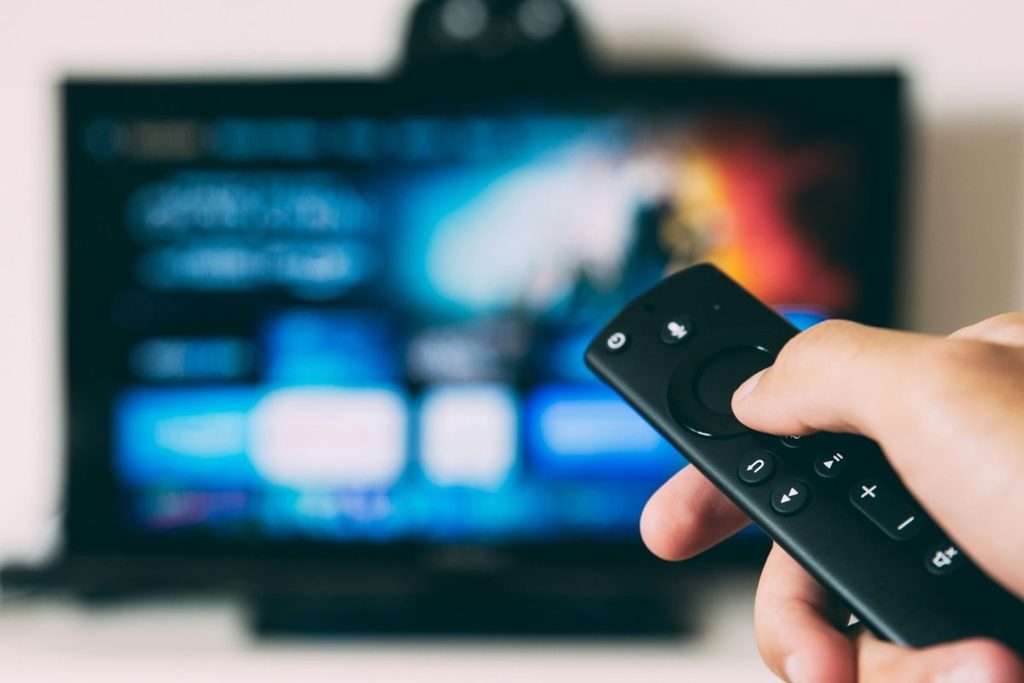
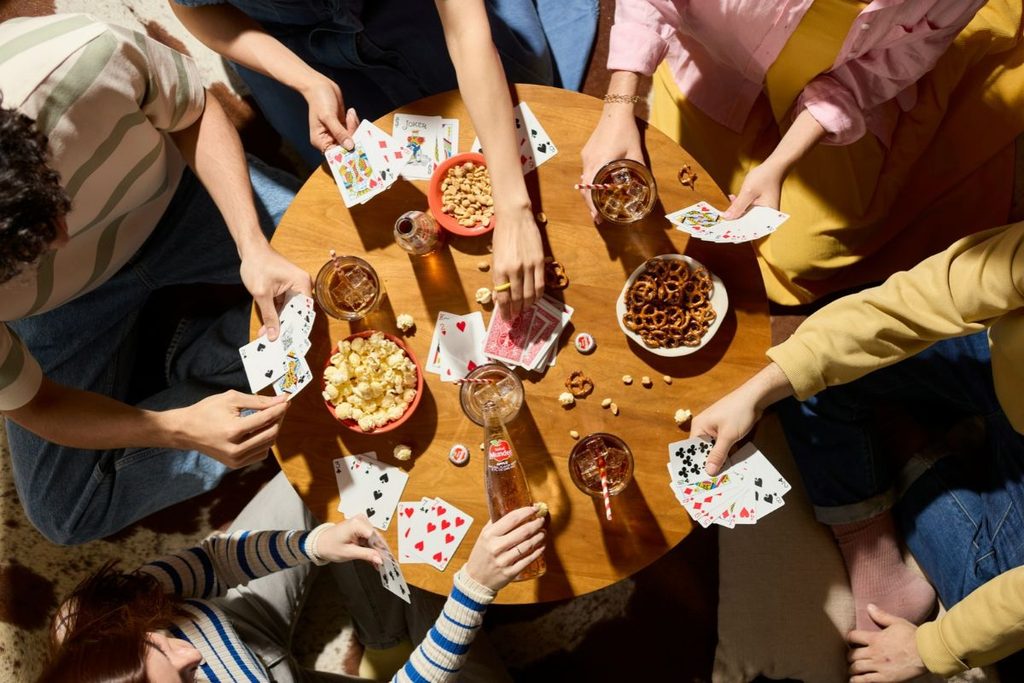
Technology is partly responsible, but this isn’t simply a story about smartphones replacing pubs. People have become much more deliberate about a night in with entertainment at home. A decent night in can now involve restaurant-quality delivery, a carefully chosen bottle of wine, streaming a film on a television that would have looked absurdly enormous 20 years ago, multiplayer gaming with friends or dipping into entertainment on a phone while something else plays in the background.
It has become an occasion in its own right.
The numbers certainly suggest our homes have become serious entertainment hubs. Ofcom’s 2026 Media Nations research found that around 70% of UK households have at least one subscription video-on-demand service. Netflix is now the first place 26% of viewers say they look when deciding what to watch, virtually level with the BBC at 25%. YouTube viewing on television sets has doubled since 2022, reaching an average of 19 minutes per person per day in 2025.
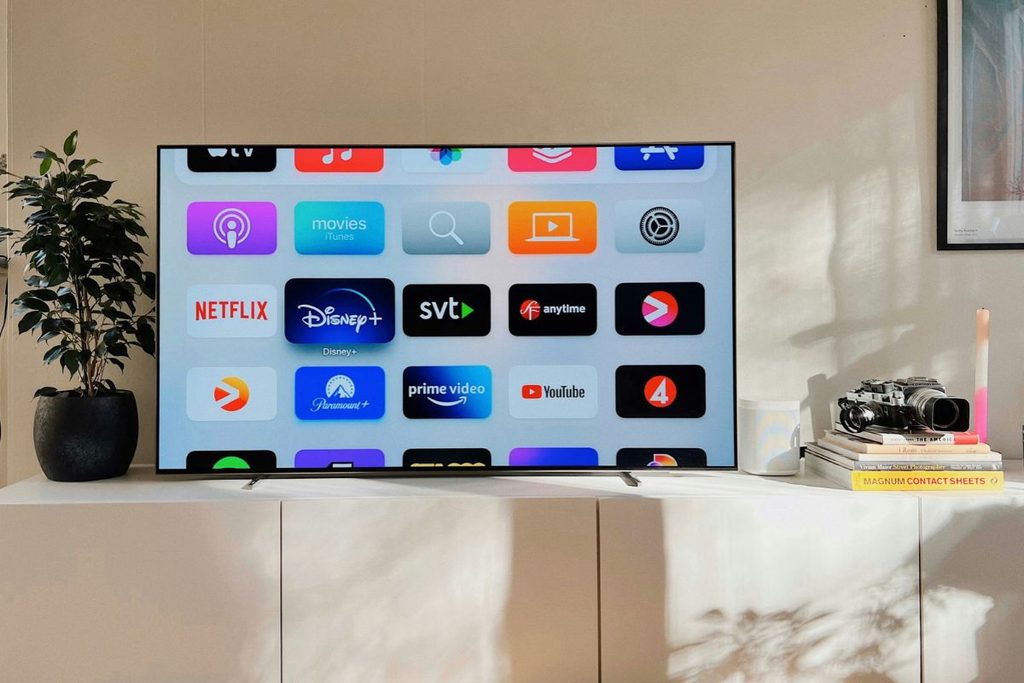
Our phones have become just as important. Ofcom says UK adults now spend an average of four and a half hours online each day, with most of that time spent on smartphones. The average adult uses 41 different apps in a month.
That sounds mildly horrifying when written down, but not all screen time involves staring blankly at social media. Our phones now organise an extraordinary amount of everyday leisure. They play music through the speakers, control the television, order dinner, split the bill, run quizzes, connect friends on video calls and provide games when somebody else has seized control of the remote.
The television itself has become more flexible too. Rather than the nation collectively waiting for a film to start at 9pm, we can choose from enormous libraries instantly. Netflix, Amazon Prime Video, Disney+, ITVX, BBC iPlayer and Channel 4 compete for the same evening, alongside YouTube, TikTok and everything else determined to prevent us from going to bed at a sensible hour.
Ofcom’s Kate Davies neatly described the situation when she said that audiences now benefit from “an incredible choice of content”, adding that media businesses increasingly need to understand changing habits and “meet people where they are”.
Where we are, increasingly, is on the sofa.

The attraction isn’t difficult to understand. A night at home comes without a taxi queue, dress code or £16 cocktail containing enough actual liquid to trouble a thimble. Friends can arrive when they like, the music is whatever you want it to be and nobody at the next table is attempting to conduct a conversation at the volume of a departing aircraft.
Food has improved dramatically too. The takeaway night of old generally involved pizza, curry, Chinese food or a slightly questionable kebab ordered at an hour when good judgement had already gone to bed.

Those options thankfully remain, but restaurant delivery and meal kits have broadened what eating at home can mean. Sushi, tapas, burgers, steaks, desserts and cocktails can all arrive at the door. Plenty of people have also rediscovered the pleasure of actually cooking for friends, particularly when dinner can be accompanied by a playlist and nobody has to vacate the table because a restaurant needs it back in 90 minutes.
Drinking habits are changing alongside it. The home bar isn’t necessarily all gin bottles and emergency prosecco anymore. No-alcohol beer has become one of Britain’s fastest-growing drinks categories, with IWSR reporting 20% growth in 2024 and forecasting continued expansion in the wider alcohol-free market. That means a night in can involve proper cocktails, alcohol-free alternatives or an elaborate sparkling drink containing herbs you bought six months ago and finally have an excuse to use.
Gaming has perhaps undergone the most dramatic transformation of all.

It was once treated as a fairly specific hobby, usually involving a console beneath the television and somebody insisting they only needed “one more game”. Today, interactive entertainment stretches across consoles, PCs, tablets and phones and encompasses everything from elaborate blockbuster adventures to five-minute puzzle games.
British consumers spent a record £8.76 billion on video games and related products during 2025, according to UK industry body Ukie. Mobile games alone accounted for just over £2.06 billion, increasing by 7.9% in a year.
That matters because mobile entertainment fits the modern night in particularly well. You don’t have to disappear into a game for three hours. People pick up their phones during an advert, while friends are deciding what film to watch or while waiting for the takeaway driver who, according to the map, has been travelling around the same roundabout for seven minutes.
Casino entertainment has followed exactly the same direction. Gambling Commission research published in 2026 found that 59% of British adults surveyed had participated in some form of gambling during the previous 12 months. Online participation is now higher than gambling in person when lotteries are included, reflecting how much activity has shifted towards websites and apps.
For adults who enjoy casino games, that means roulette, blackjack, bingo and slots no longer require planning a trip to a physical venue. Services such as the Fruity King mobile casino are designed around smartphone play, offering mobile versions of slots, table games, bingo and live-dealer titles through a browser rather than requiring somebody to spend the evening sitting at a desktop computer.
It is easy to see why that format fits contemporary leisure habits. Mobile games can occupy ten minutes or an evening, depending on what somebody wants from them, and sit comfortably alongside other entertainment rather than replacing it. Someone might have football on the television, music coming through a smart speaker and a game open on their phone, which would have sounded like sensory overload a generation ago but now constitutes a fairly ordinary Saturday.
The second screen has become almost as important as the first.
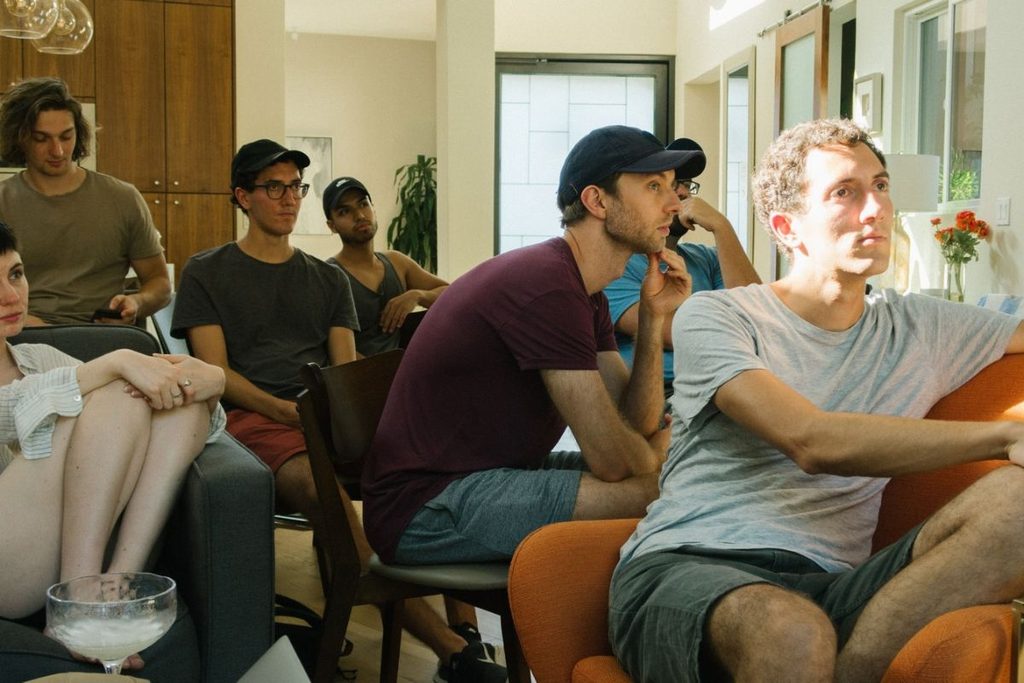
Watch a major television programme with friends and phones inevitably appear. Someone checks an actor’s age. Somebody else looks up where a scene was filmed. A third person becomes convinced they recognise a restaurant and spends the next ten minutes proving it.
Sport takes this behaviour even further. Ofcom found that 85% of sports viewing in 2025 was still watched live, showing that even in an on-demand world we haven’t lost our appetite for experiencing something together as it happens.
A big match at home can now become an entire event. Food arrives before kick-off, friends join a group chat, fantasy football scores update in real time and phones provide statistics, commentary and games alongside whatever is happening on the television. The living room hasn’t replaced the stadium or the pub, but it has become a remarkably capable alternative.
There is another reason nights in feel different: we’ve got better at making our homes somewhere we actually want to spend time.
Interior design has become entertainment itself. Social media is packed with home cinemas, lighting ideas, elaborate coffee corners and drinks trolleys. Smart bulbs can turn a perfectly ordinary lounge into something resembling a boutique hotel at the touch of a button. Speakers disappear into shelves. Television screens have grown while their frames have shrunk.
All of this subtly changes the calculation between going out and staying home.
Going out still offers things a living room cannot. There is the buzz of a restaurant, the atmosphere of live music, the glorious chaos of a busy bar and the simple pleasure of being somewhere different. Nobody sensible wants Britain to become a collection of people permanently sealed inside their houses receiving noodles through the letterbox.
But staying in no longer has to be the consolation prize.
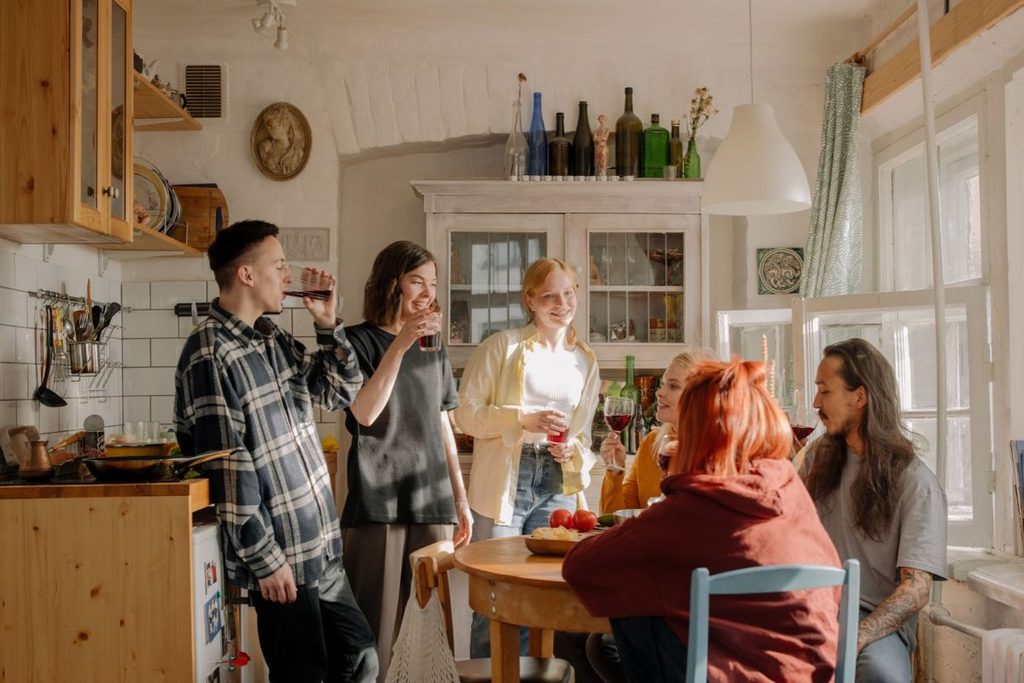
It can also be considerably easier to personalise. One couple’s perfect evening might involve a bottle of red, a crime drama and phones firmly face-down. Another household might have six friends around for food, gaming and music. Someone else might prefer football, a pizza and an hour playing online before bed.
There isn’t really a standard night in anymore.
Even streaming, once the great symbol of home entertainment, has become just one ingredient. Ofcom reports that subscription streaming has broadly plateaued, while broadcaster-owned services such as BBC iPlayer and ITVX grew their viewing by 9% year on year. Viewers aren’t abandoning home entertainment; they’re simply moving more freely between different types of it.
That freedom is probably the defining feature of the modern evening at home.
You can spend plenty if you want to. Order restaurant food, open Champagne, rent a new-release film and suddenly staying in has developed surprisingly expensive tastes. But you can equally make pasta, open something already in the cupboard and watch something included in a subscription you were paying for anyway.
Nobody checks your shoes. Nobody announces last orders. And the journey home involves approximately twelve steps.
There will always be nights when getting dressed up and going somewhere fabulous wins easily.
But the idea that staying home means you’ve failed to make plans has quietly disappeared.
We haven’t stopped going out.
We’ve simply made staying in much more fun.
Images courtesy of unsplash.com and pexels.com