Buying your first home can feel like everyone else got a rulebook you never saw. Friends throw around words like “agreement in principle” and “loan to value”, the bank’s website gives you a number that seems to change every time you look, and you’re left wondering whether you’re even close.
I’ve been helping first-time buyers looking for a lender for 15 years, and the good news is that it’s far less mysterious than it looks. Here’s what actually matters.
What lenders really look at
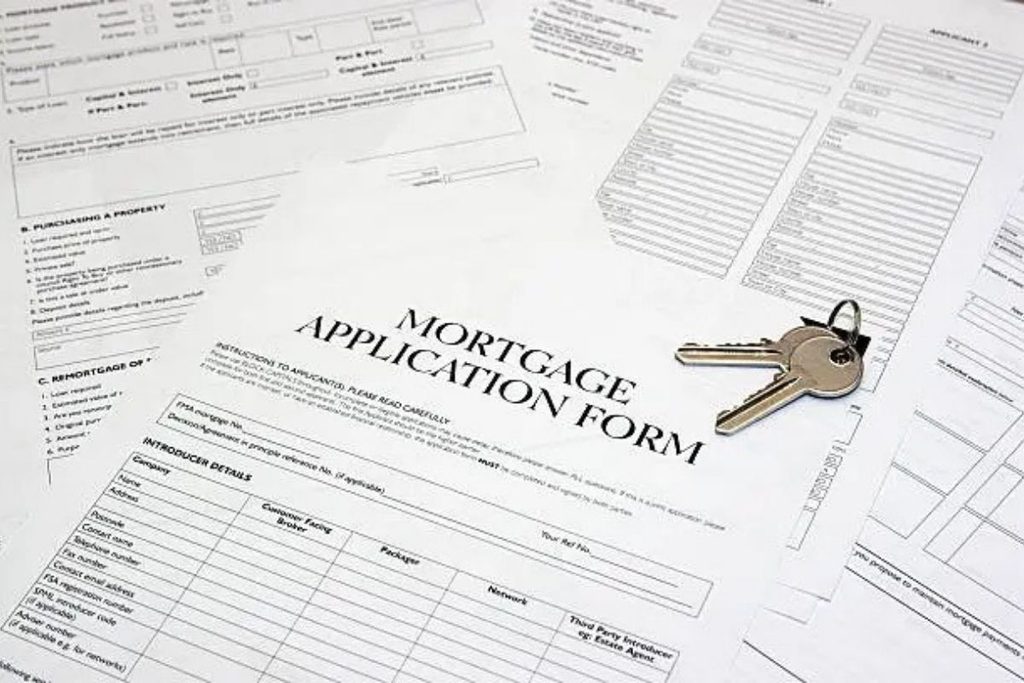

When a lender decides how much to lend you, it’s weighing up three things: what you earn, what you already owe and how you’ve handled credit in the past.
Income is the starting point. Most lenders will lend somewhere around four to four and a half times your income, and some will go higher for certain professions or higher earners. If you’re buying with a partner, both incomes count.
Then they look at your outgoings. Car finance, credit cards, student loan repayments, childcare and even your phone contract all reduce what’s left over each month, so they reduce what you can borrow. Clearing a small loan or a credit card before you apply can make a bigger difference than people expect.
Finally there’s your credit file. You don’t need a perfect score, but lenders want to see bills paid on time and no recent missed payments. It’s worth checking your file with all three agencies (Experian, Equifax and TransUnion) a few months before you apply. Make sure you’re on the electoral roll at your current address too. It sounds small, but it’s one of the most common reasons we see applications hit a snag.
How much deposit do you really need?
Less than you might think. 5% deposit mortgages are widely available again, so on a £250,000 home you’d need £12,500. The government-backed Freedom to Buy scheme, which replaced the old Mortgage Guarantee Scheme, is now a permanent fixture and gives lenders the confidence to keep offering 95% mortgages.
That said, a bigger deposit does open doors. Every time you move down a band, from 95% to 90% to 85% and so on, you’ll usually get access to lower rates, and lenders tend to be a bit more relaxed about the rest of your situation. If you’re sitting at 9% saved, it can be worth holding on a few more months to reach 10%.
Don’t forget the extras either. You’ll need money for solicitor’s fees, a survey and possibly moving costs. Budgeting an extra £2,000 to £3,000 on top of your deposit is a sensible rule of thumb.
Family help is common now as well. A gifted deposit from parents or grandparents is fine with most lenders, as long as it’s a genuine gift and not a loan. The person giving it will normally need to sign a letter confirming that, and the lender will want to see where the money came from.
The schemes and help available

- Stamp duty relief. In England, first-time buyers pay no stamp duty on the first £300,000 of a purchase and 5% on the portion between £300,000 and £500,000. Above £500,000 the relief doesn’t apply at all.
- Lifetime ISA. If you’re aged 18 to 39, you can save up to £4,000 a year and the government adds a 25% bonus, so up to £1,000 a year free. It can be used on a first home costing up to £450,000. The government plans to replace it with a new First Time Buyer ISA, expected from 2028, so if you already have one it’s worth keeping an eye on the changes.
- Shared Ownership. You buy a share of a home, often between 10% and 75%, and pay rent on the rest. The deposit is based on your share, so it can be a much smaller amount, and you can buy more of the home over time.
- First Homes. In some areas, new build homes are sold to local first-time buyers at a discount of at least 30%. Availability depends a lot on where you live, so check with your local council.
- Joint borrower sole proprietor mortgages. If your income is a little short, some lenders will let a parent add their income to the mortgage without going on the deeds. It’s a useful option that a lot of people have never heard of.
Get your agreement in principle early
An agreement in principle is a lender saying, based on a quick check, how much they’d be willing to lend you. It’s quick to get and estate agents will usually want to see one before taking your offer seriously. Getting one before you start viewings also stops you falling in love with a house you can’t buy.
Talk to someone before you start

Every lender has its own rules, and two people on the same salary can get very different answers depending on things like their job type, credit history or how their income is paid. A good broker will know which lenders suit your circumstances and can save you a lot of time and stress.
At AS Mortgages, we’ve helped hundreds of people get their keys with first time buyer mortgages. If you’d like a chat about where you stand, a fee free mortgage broker like us can look at your options across the whole market, with no cost to you on most purchases.
About the author
Jamie Alexander is the director of AS Mortgages, an independent mortgage brokerage based in Romsey, Hampshire. He’s CeMAP qualified with 15 years in mortgages and spent four years specialising in new build and government schemes before founding the firm in 2019.
Your home may be repossessed if you do not keep up repayments on your mortgage. AS Mortgages is a trading name of Alexander Southwell Mortgage Services Limited, which is authorised and regulated by the Financial Conduct Authority (FCA number 1011890).
Images courtesy of unsplash.com and pexels.com